Enhancing observation skills Normal Math Worksheets for Ages 3-4
3 filtered results
-
From - To
Enhance your child's observation skills with our engaging Normal Math Worksheets designed for ages 3-4! These worksheets feature fun, colorful activities that encourage young learners to observe, compare, and analyze various patterns and shapes. By linking math concepts to their surroundings, kids will develop critical thinking and problem-solving skills in a playful manner. Perfect for parents and educators seeking to support early learning, these worksheets promote hands-on exploration and discovery. Download our free resources to foster curiosity and strengthen observation skills, setting the foundation for future academic success and a lifelong love of learning in young minds!
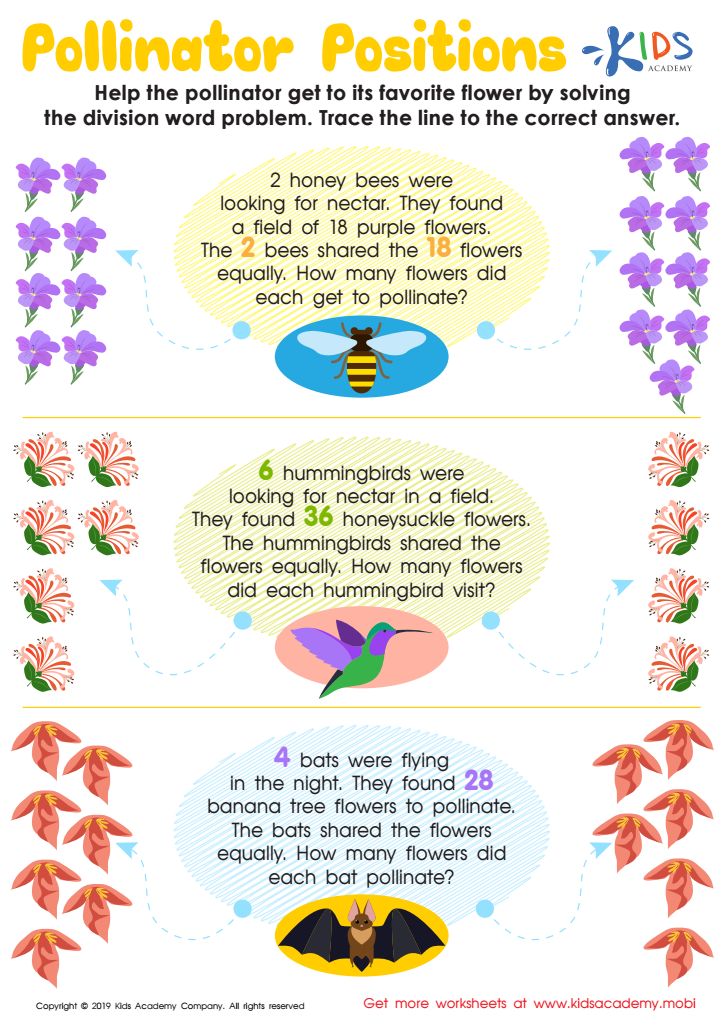
Pollinator Positions Worksheet
 Assign to My Students
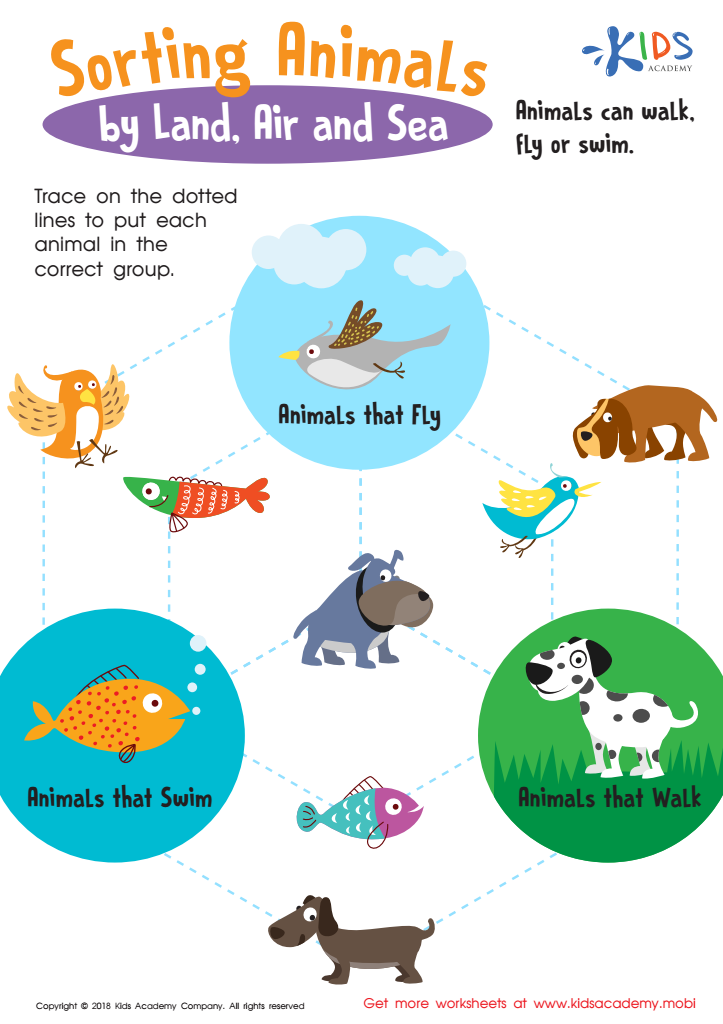
Sorting Animals by Land, Air and Sea Worksheet
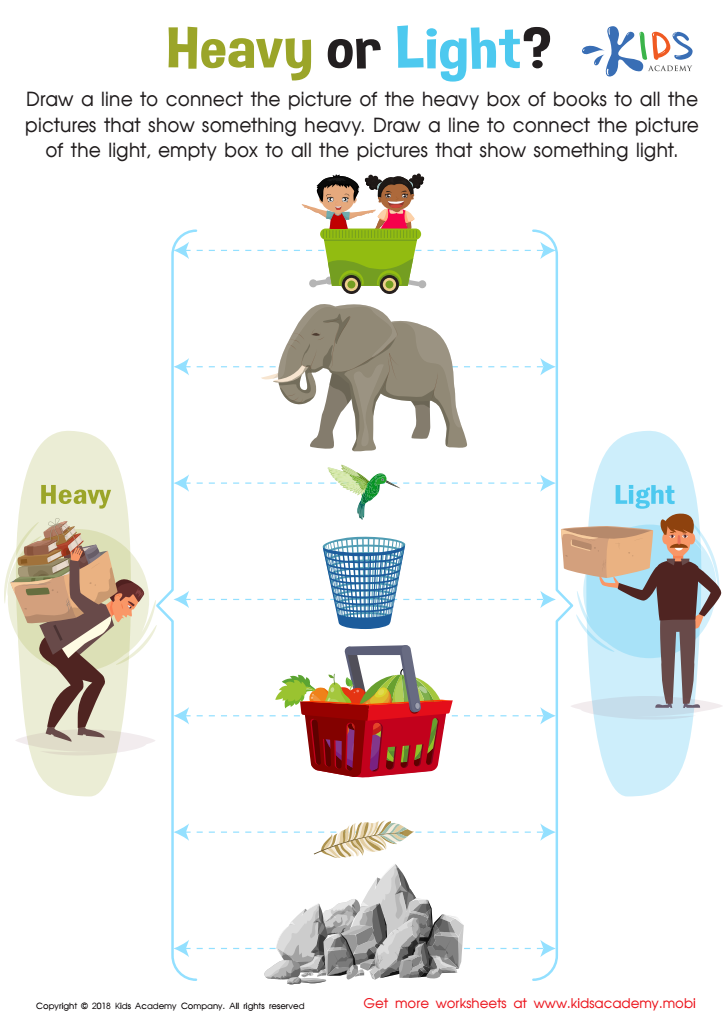
Heavy or Light? Worksheet


%20(1).jpg)



Enhancing observation skills in young children, particularly in the context of normal math for ages 3-4, is essential for several reasons. First, observational skills form the foundation for critical thinking and problem-solving, abilities crucial for mathematical understanding. When children develop strong observational habits, they become adept at noticing patterns, shapes, and relationships in their environment, laying the groundwork for early math concepts.
Moreover, fostering these skills promotes active learning. Engaging children in activities that require them to observe and ask questions not only deepens their comprehension of math but also nurtures their natural curiosity. This engagement is particularly pertinent in a time when fostering attention to detail is vital for cognitive development.
Additionally, enhanced observation skills can lead to improved communication and social interactions. When children share their observations, they practice language skills and collaborative problem-solving, which are critical for their overall development.
By prioritizing the enhancement of observation skills, parents and teachers can actively support children’s readiness for more complex mathematical concepts in the future, ultimately fostering a positive attitude toward math and learning as a whole. This early groundwork can significantly influence a child's academic journey, promoting success in both math and general education.








