Vocabulary development Normal Matching Worksheets for Ages 3-4
3 filtered results
-
From - To
Boost your child's language skills with our "Vocabulary Development Normal Matching Worksheets for Ages 3-4" from Kids Academy! Perfectly designed for toddlers, these worksheets provide fun and engaging activities that enhance vocabulary through simple matching exercises. Each colorful page encourages your little one to connect words with images, reinforcing word recognition and comprehension. Ideal for early learners, these printable materials promote critical thinking and fine motor skills while making learning enjoyable. Unlock your preschooler's potential and build a strong foundation in language development with our expertly crafted resources. Explore more and make early education exciting and rewarding!
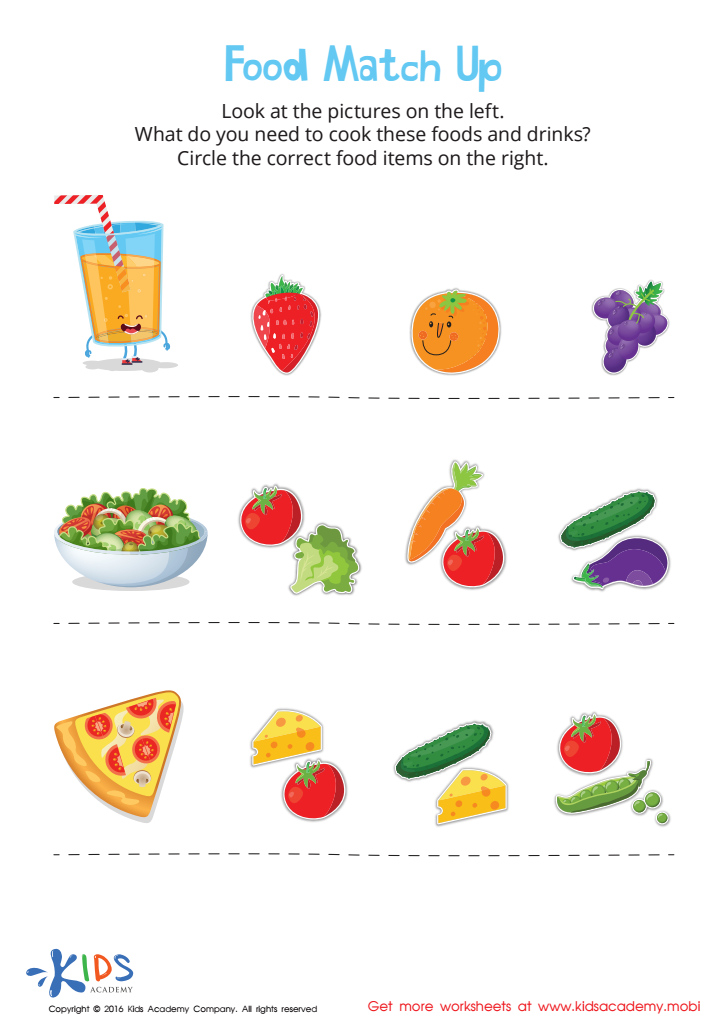
Food Match Up Worksheet
 Assign to My Students
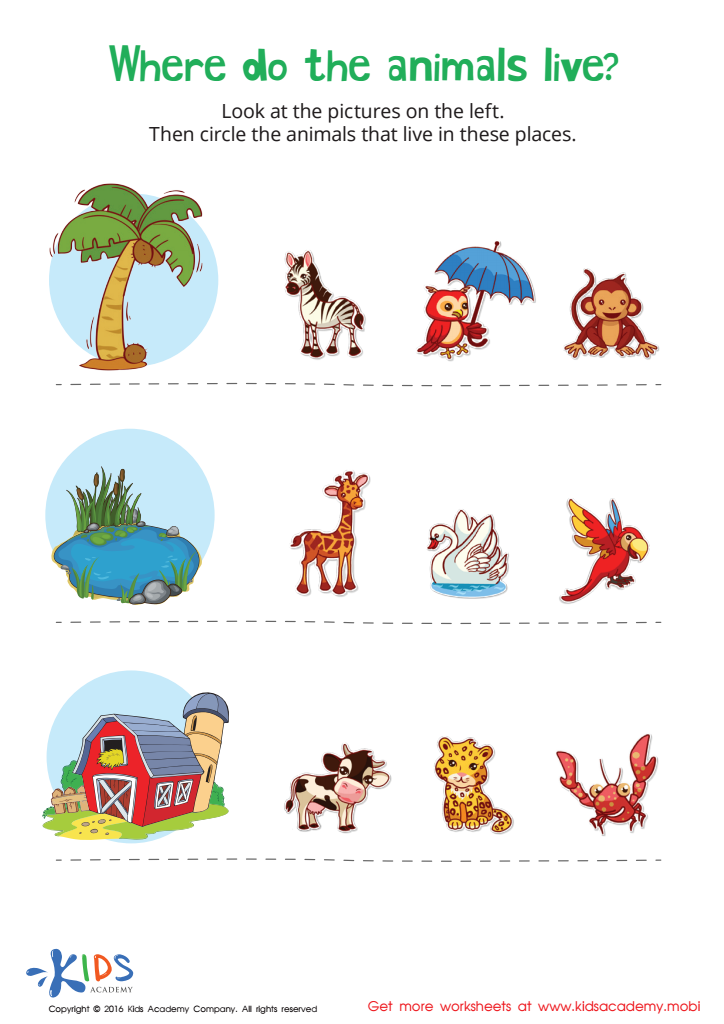
Where Animals Live Worksheet
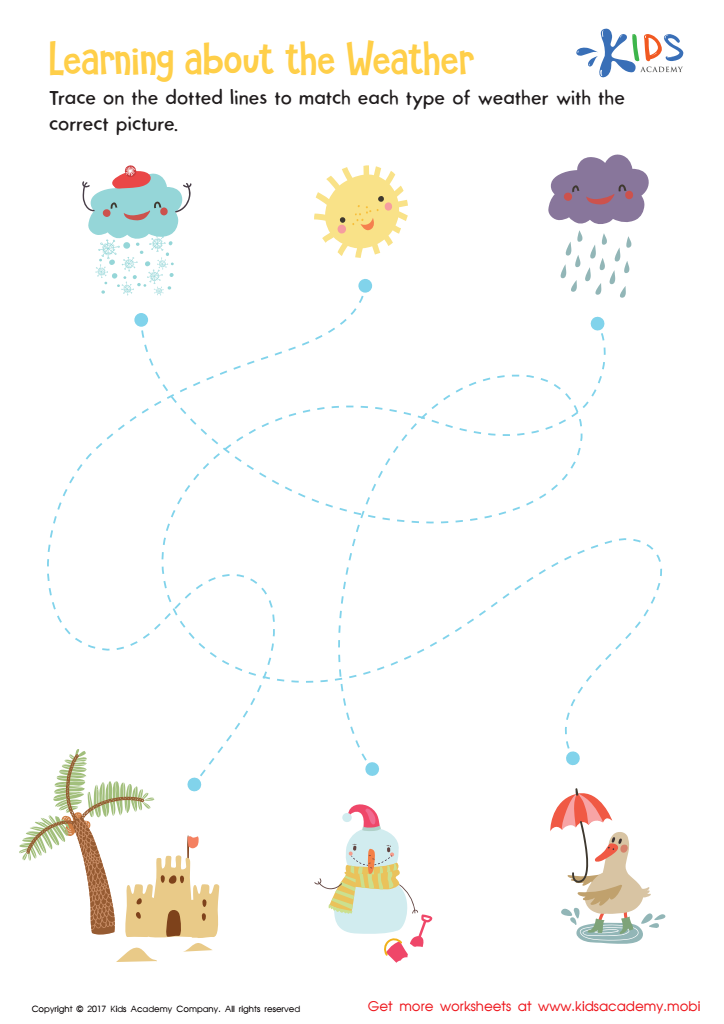







Vocabulary development in children ages 3-4 is crucial for several reasons, as it lays the foundation for literacy and overall cognitive development. At this stage, children are rapidly expanding their language skills, and a rich vocabulary helps them better express their thoughts, emotions, and desires. This, in turn, enhances their ability to communicate effectively and interact positively with others.
For parents and teachers, investing in vocabulary development means providing children with the tools they need to succeed in later academic pursuits. A strong vocabulary is associated with improved reading comprehension and writing skills. When children have a robust array of words at their disposal, they are more capable of understanding and engaging with the world around them.
Moreover, vocabulary development is linked to better social skills. Children who can articulate their thoughts clearly are more likely to be understood by peers and adults, fostering positive social interactions and reducing frustrations that might arise from miscommunication.
Early vocabulary building also supports cognitive development by encouraging curiosity, enhancing memory, and promoting critical thinking. Through learning words and their meanings, children begin to categorize information and make connections, which is fundamental for problem-solving and intellectual growth.
In essence, caring about vocabulary development for ages 3-4 ensures that children have a strong foundation for lifelong learning and social success. Whether through reading, conversation, or play, enriching a child’s vocabulary is an investment in their future.








