Fine Motor Skills Normal Numbers up to 100 Worksheets for Ages 3-4
3 filtered results
-
From - To
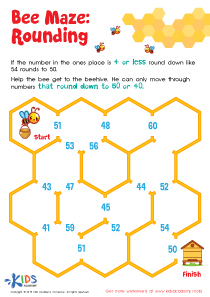
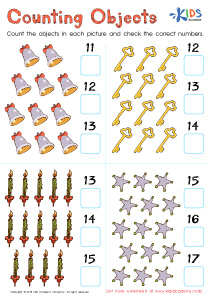
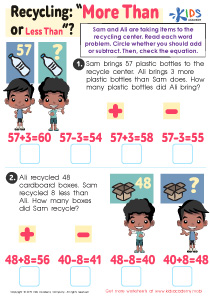
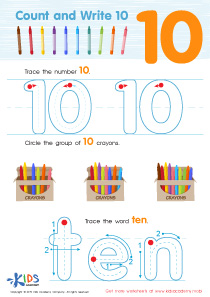
Our "Fine Motor Skills Normal Numbers up to 100 Worksheets" are specially designed for children aged 3-4, blending numeracy and motor skill development. Through engaging activities such as tracing, coloring, and matching numbers, these worksheets foster early math skills while strengthening hand-eye coordination. Kids will delight in interactive exercises that make learning numbers 1-100 enjoyable. Perfect for preschoolers, our comprehensive selection of fine motor skill worksheets supports a foundational understanding of numbers and enhances essential pre-writing abilities, offering a fun and educational experience for young learners. Prepare your child for a successful academic start with our expertly crafted resources.
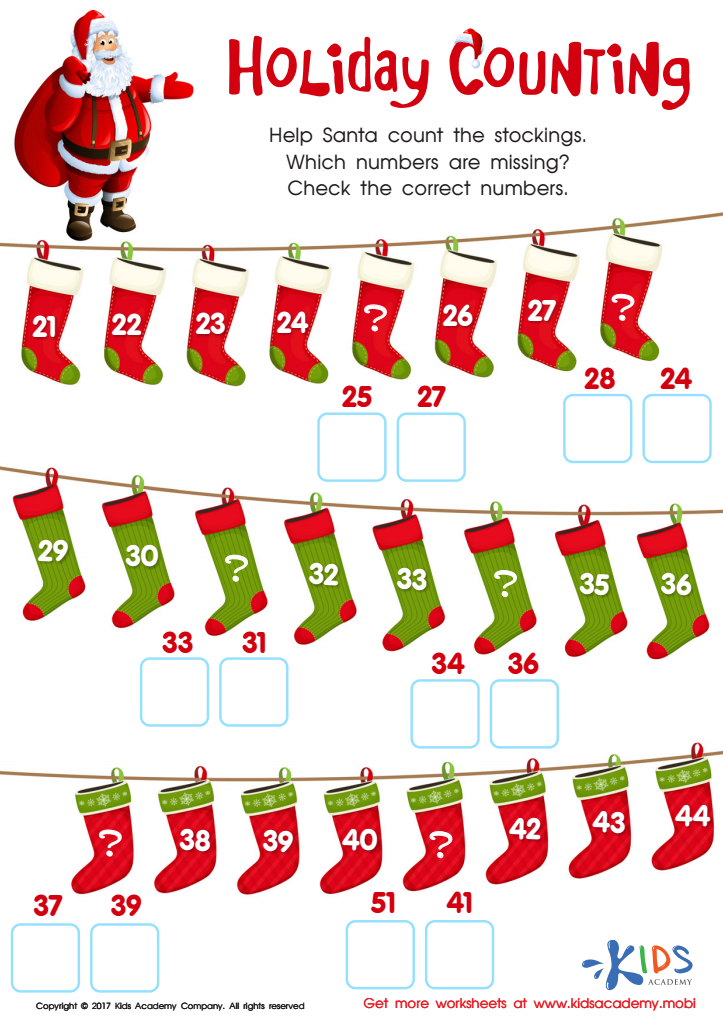
Holiday Counting Worksheet
 Assign to My Students
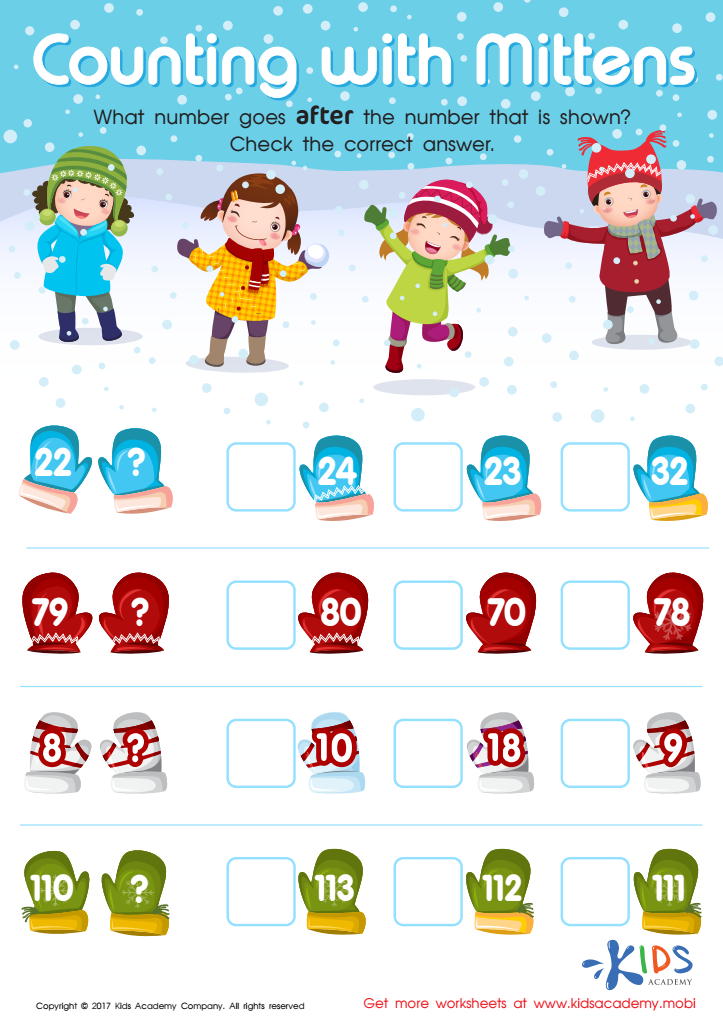
Counting with Mittens Worksheet
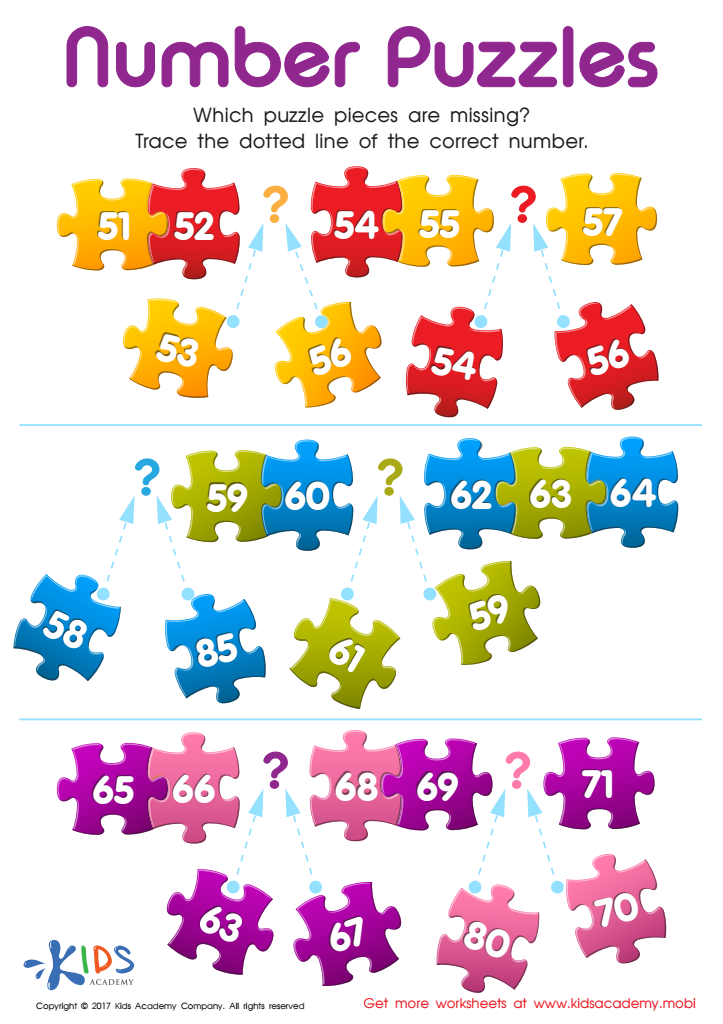
Number Puzzles Worksheet








Understanding fine motor skills is crucial for children aged 3-4, especially as they relate to recognizing numbers up to 100. Fine motor skills involve the small muscles in the hands and fingers, needed for tasks such as handwriting, buttoning clothes, and using utensils. At this developmental stage, these skills significantly influence a child's ability to perform academically and independently.
Integrating fine motor skill development with number recognition exercises up to 100 fosters foundational math and literacy competencies. Using activities like sorting objects, threading beads, and counting blocks not only enhances numerical understanding but also strengthens hand-eye coordination and muscle control. These skills are vital for functions like gripping a pencil and forming letters and numbers, directly impacting future writing abilities.
For parents and teachers, focusing on these skills encourages early academic success and boosts a child’s self-confidence. Engaging practices ensure a well-rounded developmental approach, merging physical skills with cognitive learning. By nurturing fine motor skills along with numerical recognition, adults provide children a strong educational foundation, setting them up for long-term success both in school and daily life. Prioritizing these early improvements ensures children develop the dexterity and numeracy skills critical for a successful transition into more complex learning tasks.