Vocabulary enhancement Normal Building Vocabulary Worksheets for Ages 3-4
12 filtered results
-
From - To
Enhance your child's vocabulary with our engaging Normal Building Vocabulary Worksheets designed specifically for ages 3-4. These interactive resources help young learners explore new words in a playful and exciting way, making early language development enjoyable. Each worksheet focuses on simple, age-appropriate vocabulary, encouraging comprehension through fun activities like matching, coloring, and tracing. Crafted to boost literacy skills, these worksheets also foster creativity and critical thinking, setting a solid foundation for future reading success. Perfect for homeschooling, pre-k, or supplemental learning, our vocabulary enhancement worksheets are a wonderful way to support your little one's journey to becoming a confident communicator!
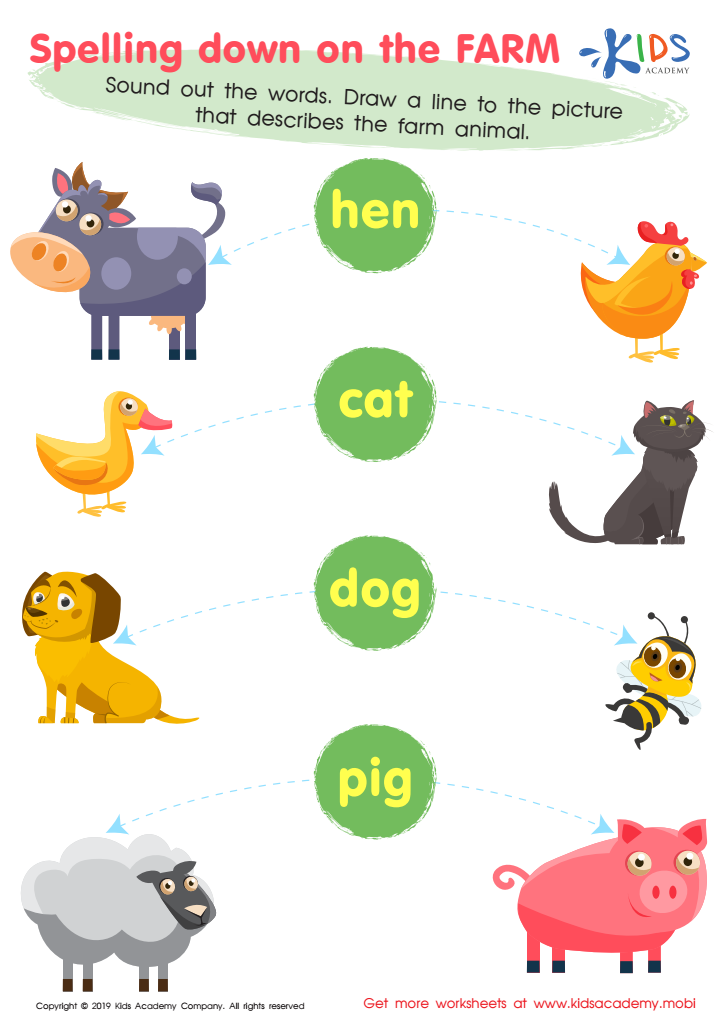
Spelling Down on the Farm Worksheet
 Assign to My Students











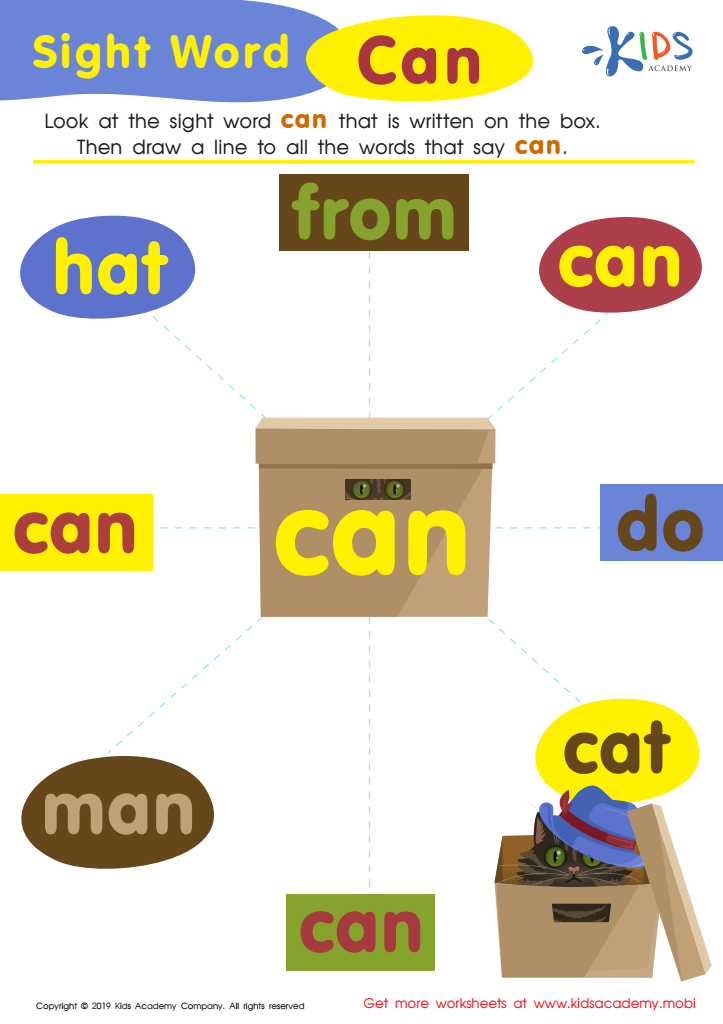
Sight Word Can Worksheet
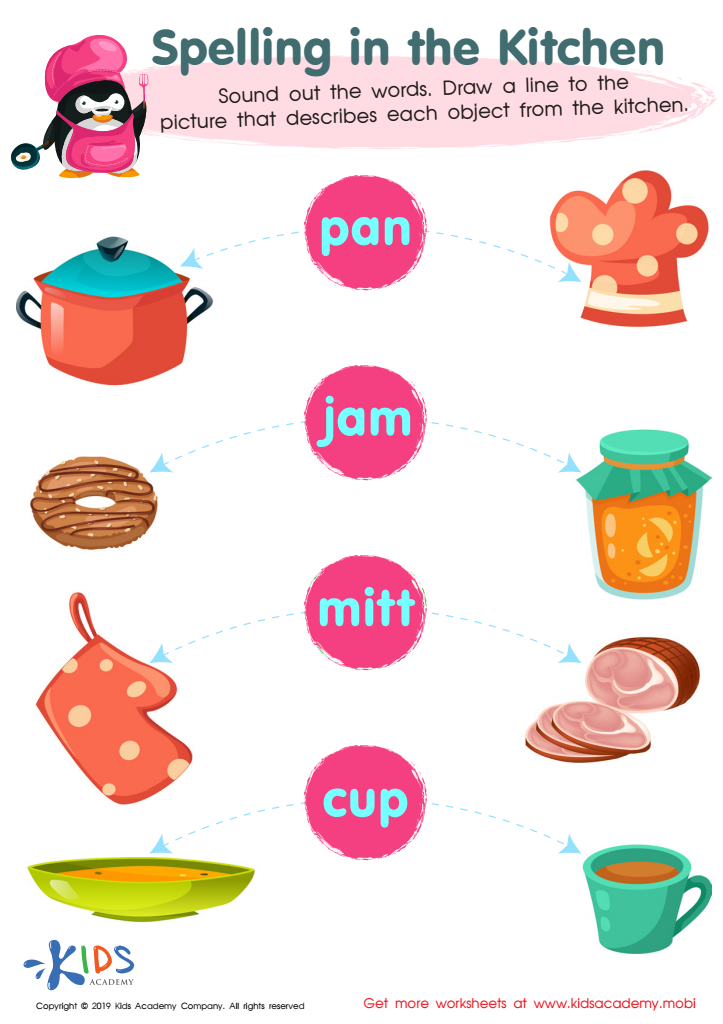
Spelling in the Kitchen Worksheet
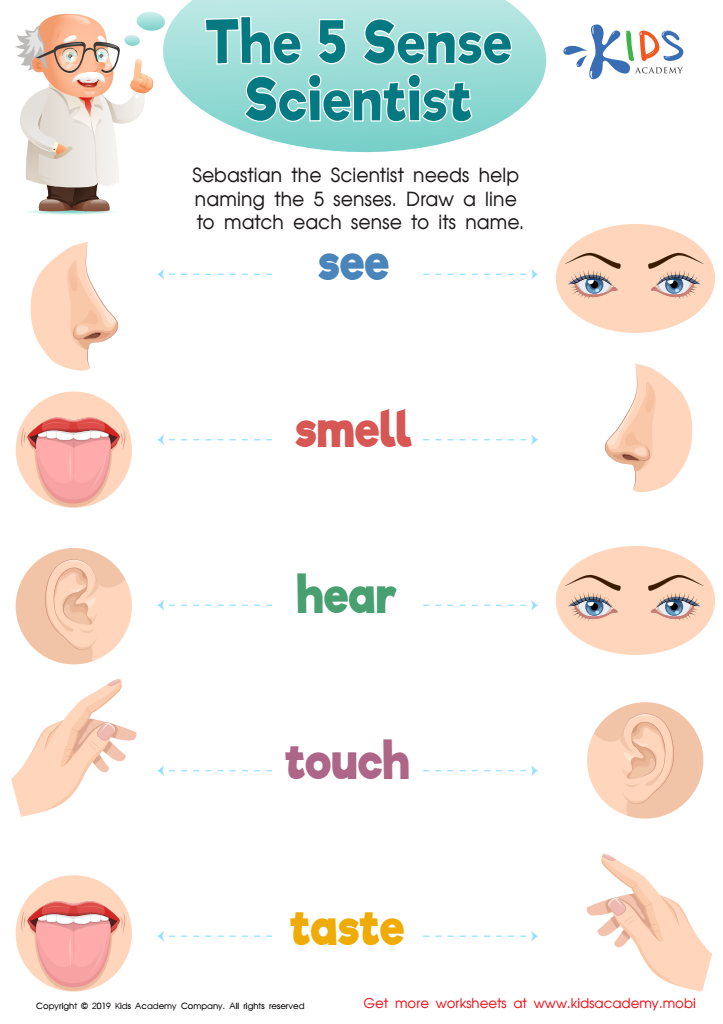
The 5 Sense Scientist Worksheet
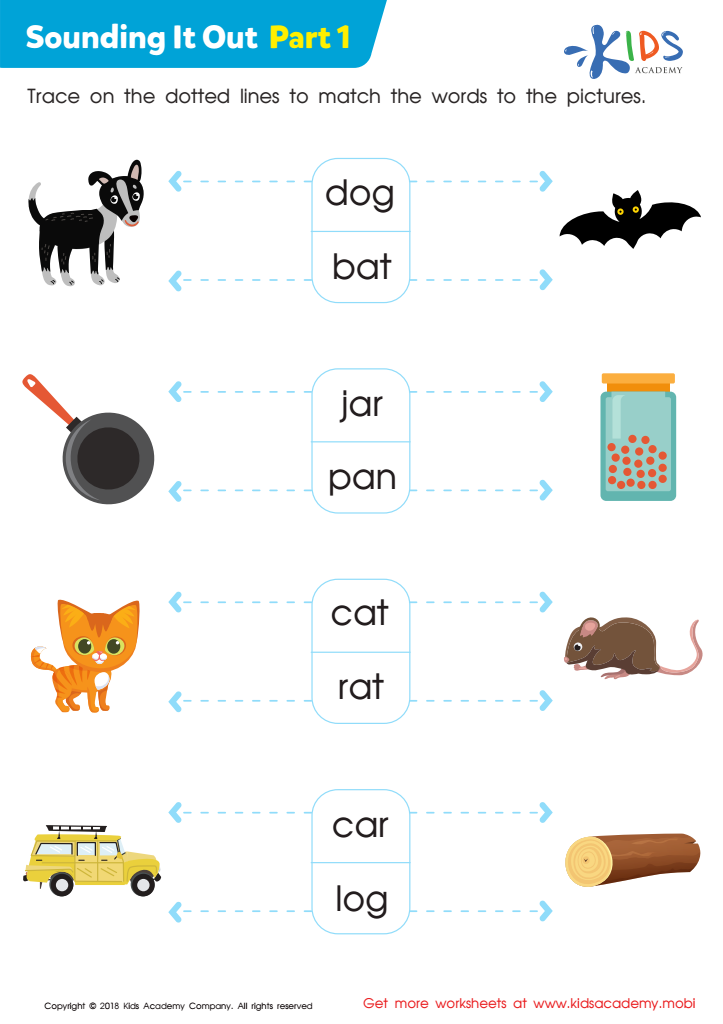
Sounding it Out: Part 1 Worksheet
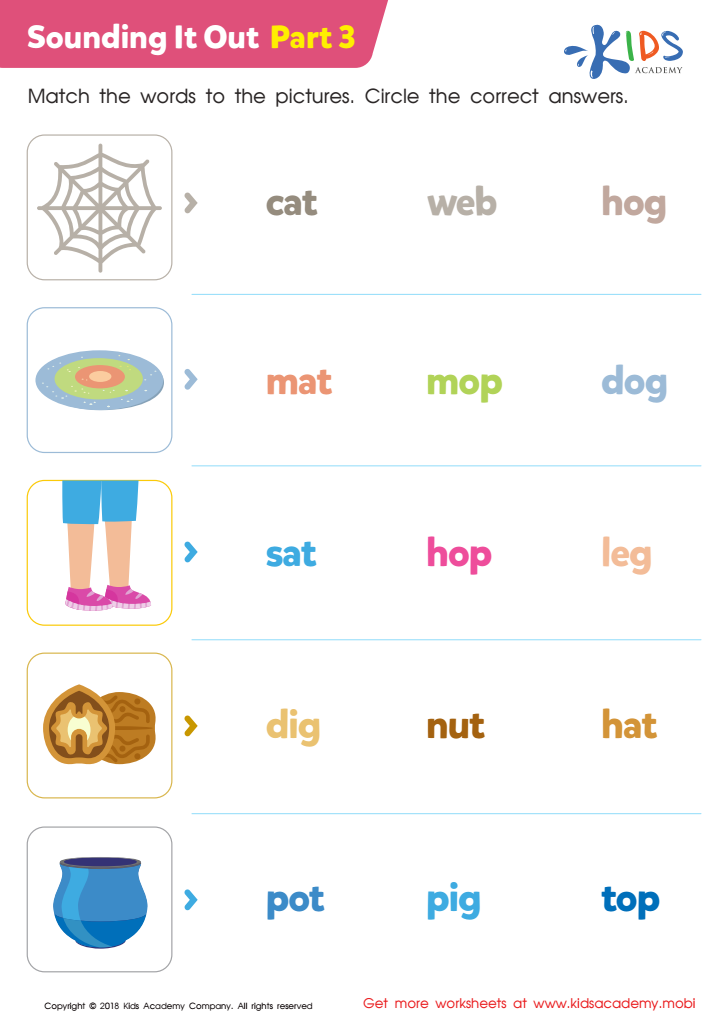
Sounding it Out: Part 3 Worksheet
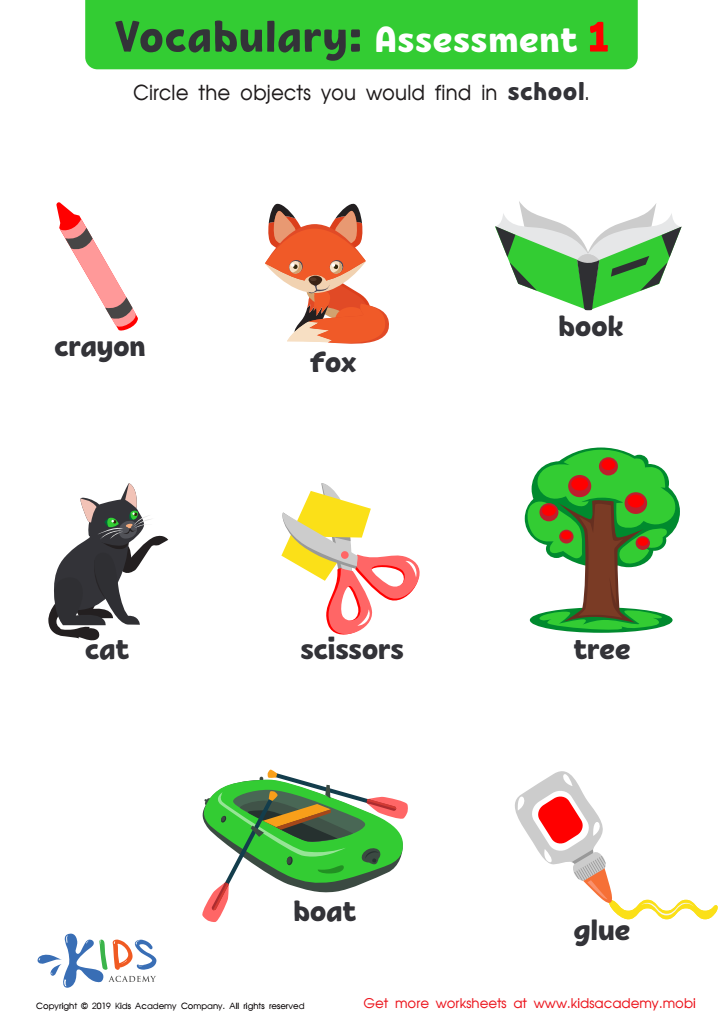
Vocabulary: Assessment 1 Worksheet
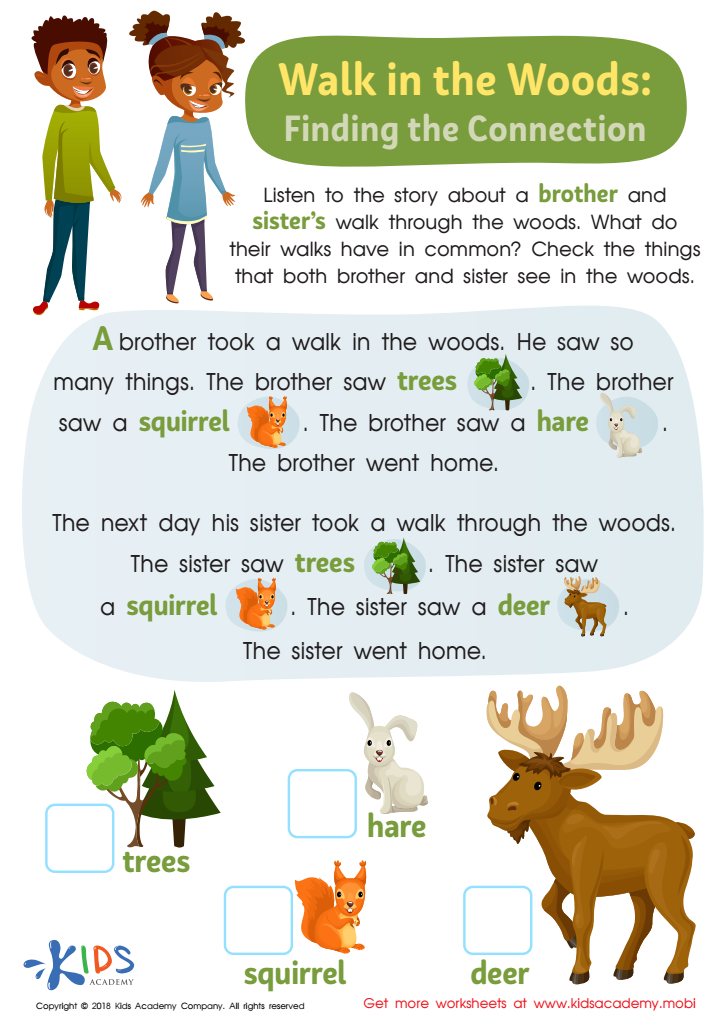
Walk In the Woods: Finding Connections Worksheet
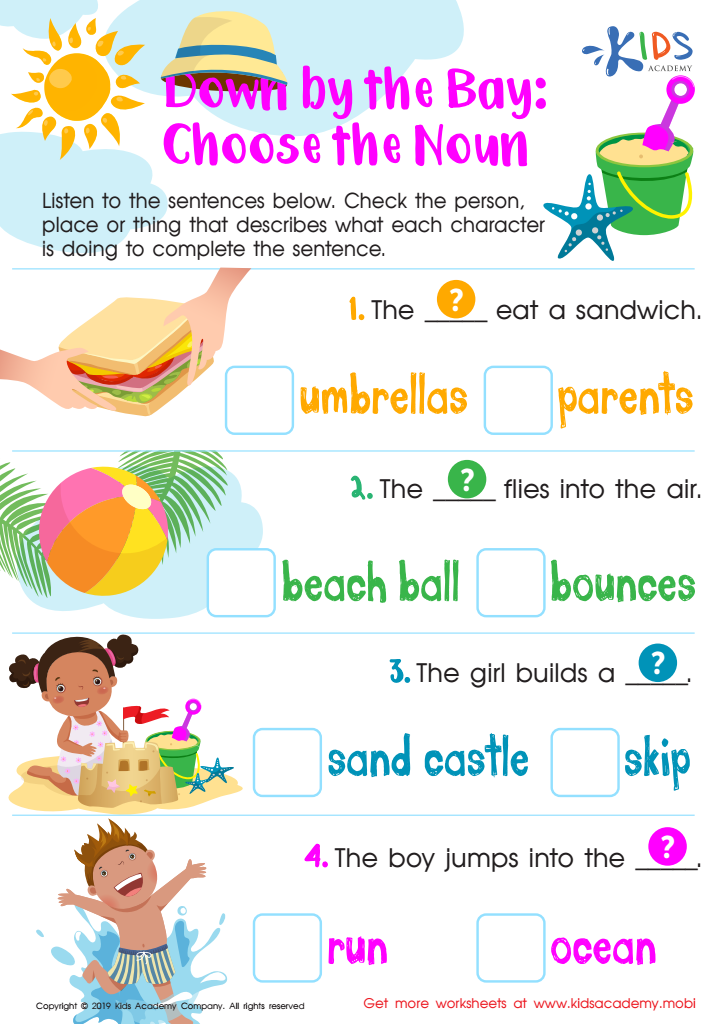
Down by the Bay: Choose the Noun Worksheet
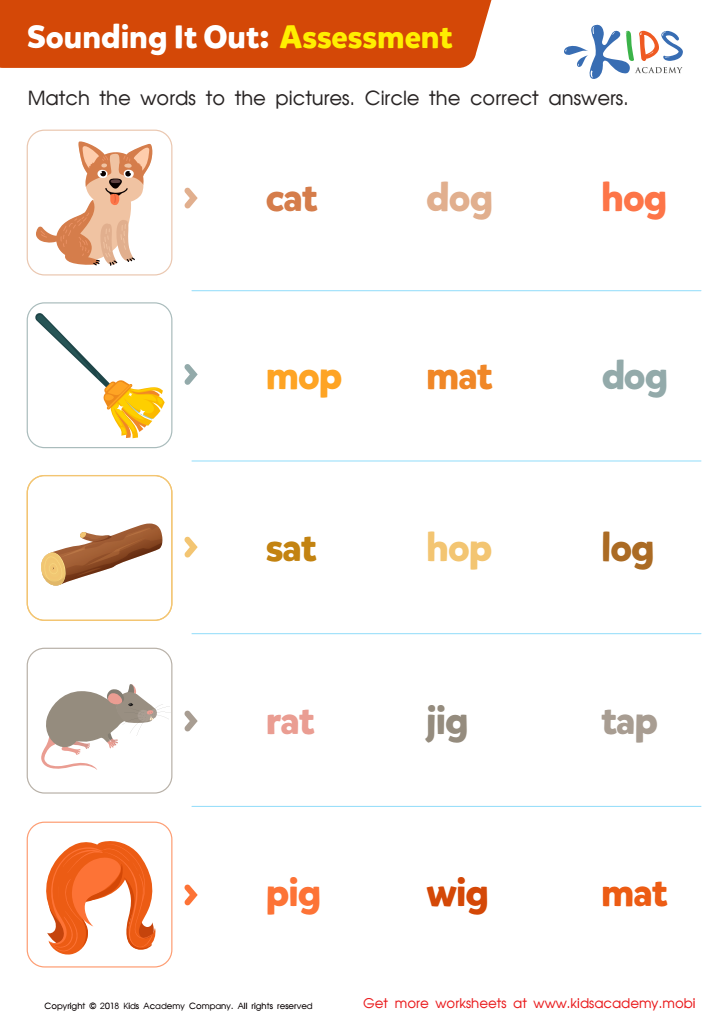
Sounding it Out: Assessment Worksheet

The Planets: Saturn Printable
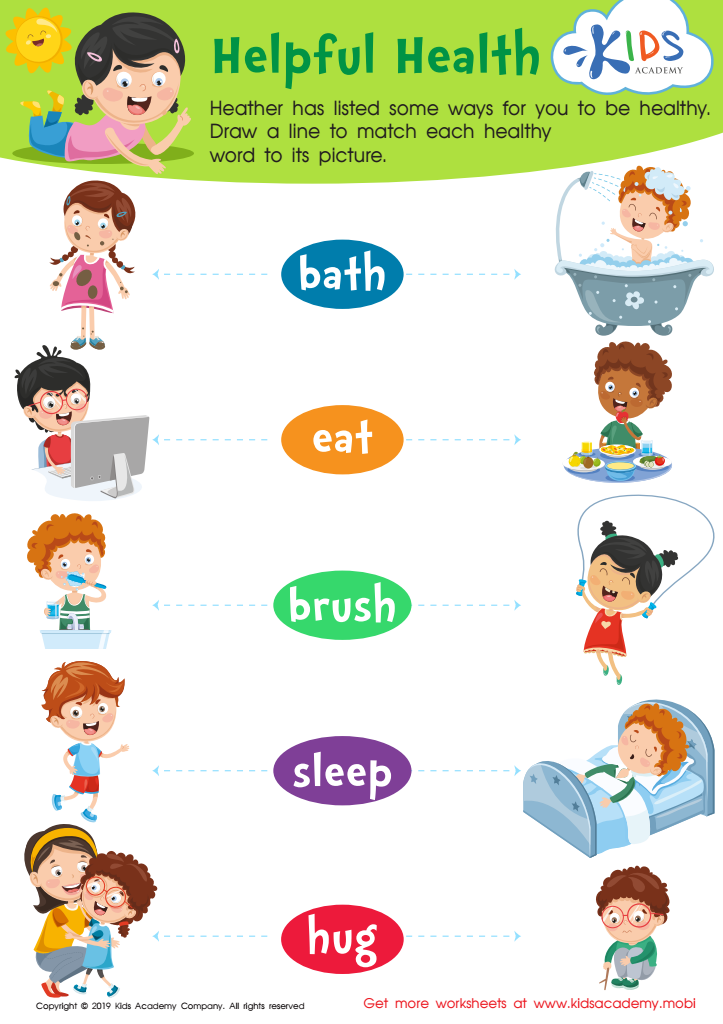
Helpful Health Worksheet








Vocabulary enhancement in children aged 3-4 is crucial for their developmental success, making it a priority for parents and teachers alike. During these formative years, a child's language skills rapidly evolve, laying the groundwork for effective communication, emotional expression, and listening comprehension. A rich vocabulary supports cognitive development and fosters critical thinking, enhancing a child’s ability to articulate ideas and understand concepts.
When parents and teachers actively build vocabulary through interactive reading, play, and conversation, they facilitate a love for language that helps children express themselves clearly. Engaging in vocabulary enrichment activities can improve literacy skills, as children become more adept at recognizing and using new words.
Furthermore, a strong vocabulary promotes social interactions, helping children develop relationships with their peers and adults. It also plays a key role in academic readiness; children with robust vocabularies are more likely to excel in school, enjoying a better transition to formal education settings.
In summary, vocabulary enhancement is not just about learning words — it’s about supporting overall growth, emotional intelligence, and lifelong learning potential. By prioritizing vocabulary building, parents and teachers are investing in a child’s future success and well-being.








