Vocabulary development Normal Reading Worksheets for Ages 3-4
4 filtered results
-
From - To
Enhance your child's vocabulary development with our engaging Reading Worksheets designed specifically for ages 3-4. These printable resources foster language skills through fun, interactive activities that capture young learners' interests. Our Normal Reading Worksheets feature vibrant illustrations, simple words, and age-appropriate exercises, allowing children to explore new vocabulary in context. Ideal for preschool and early education settings, these sheets encourage discussion and critical thinking as kids identify words, match pictures, and complete sentences. With repeated practice, your child will build a solid foundation for fluent reading and comprehension. Unlock your child’s potential today with our trusted learning tools!
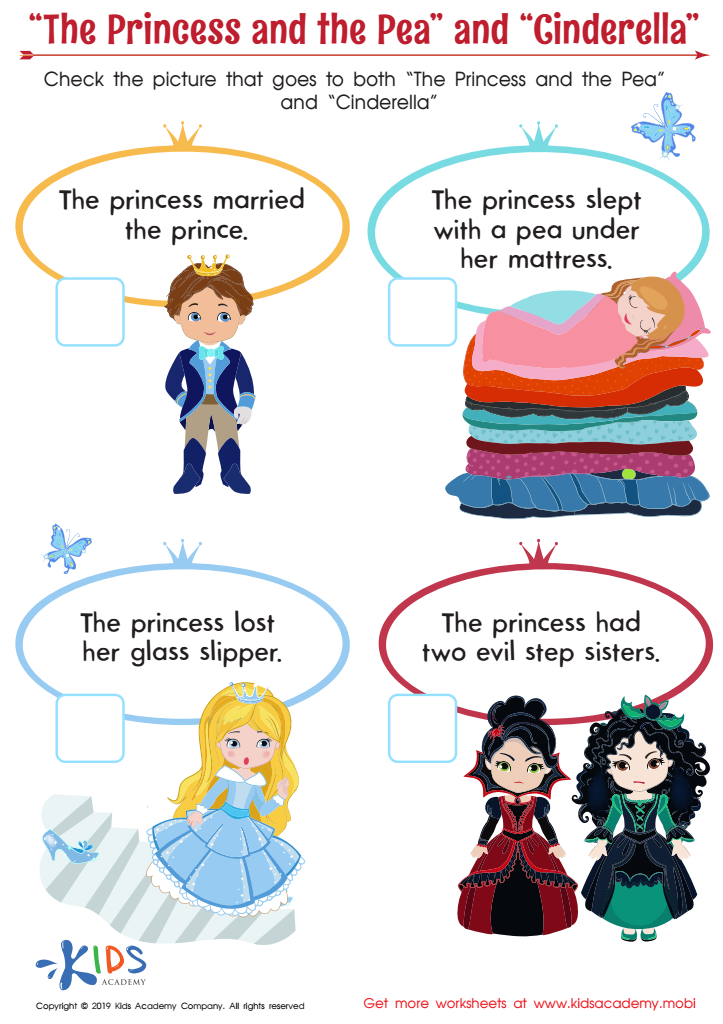
“The Princess and the Pea” and “Cinderella” Worksheet
 Assign to My Students
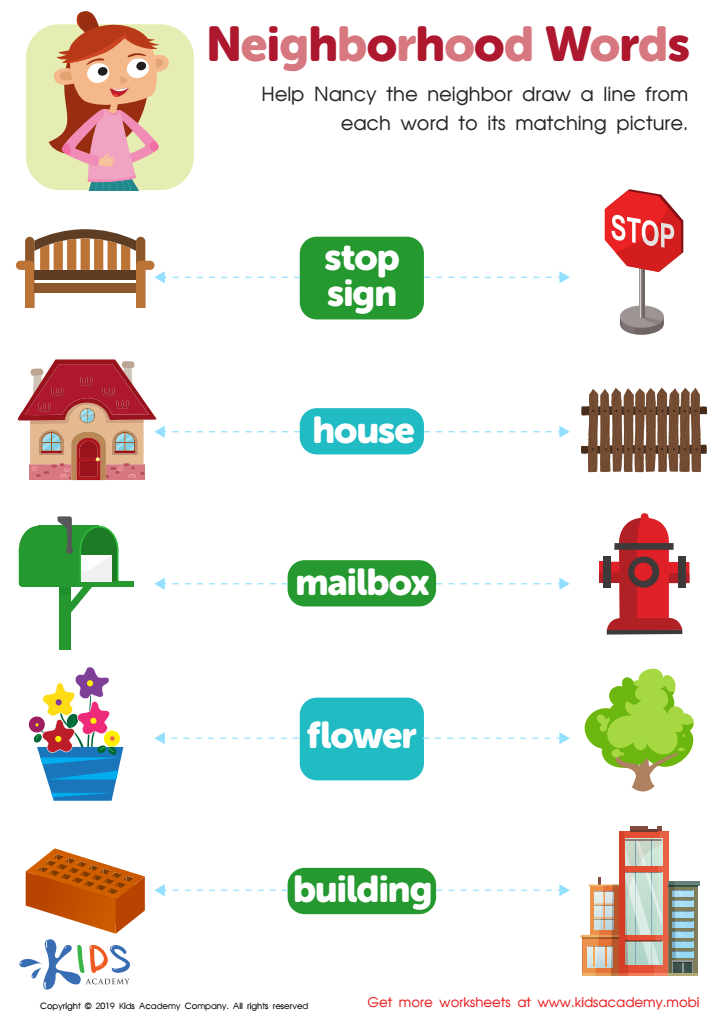
Neighborhood Words Worksheet
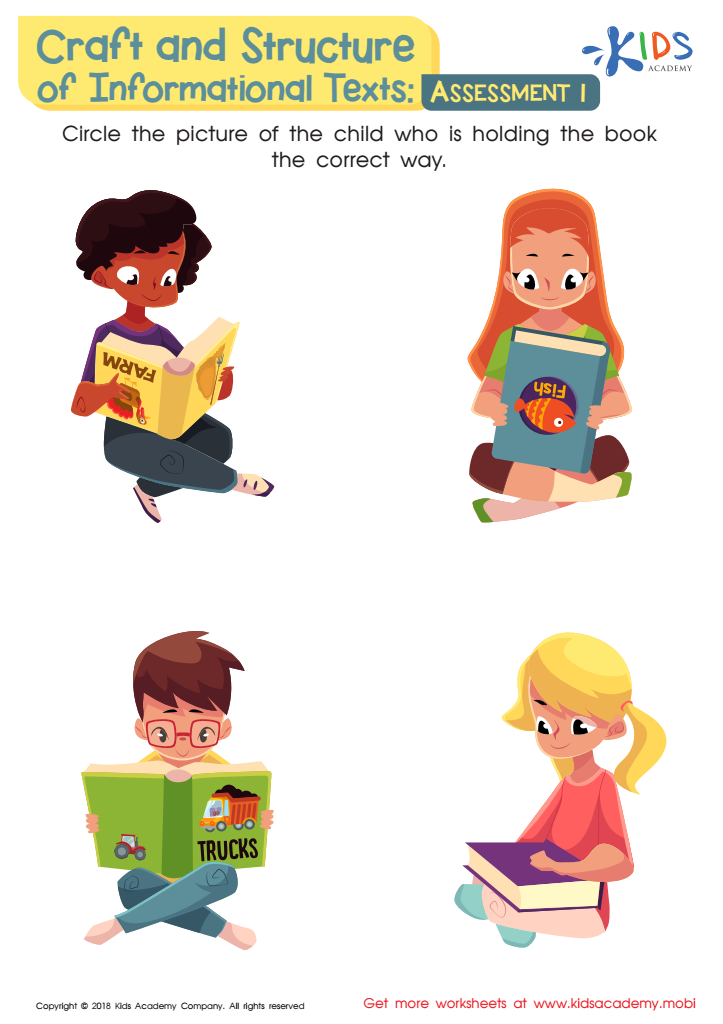
Craft and Structure of Informational Texts: Assessment 1 Worksheet
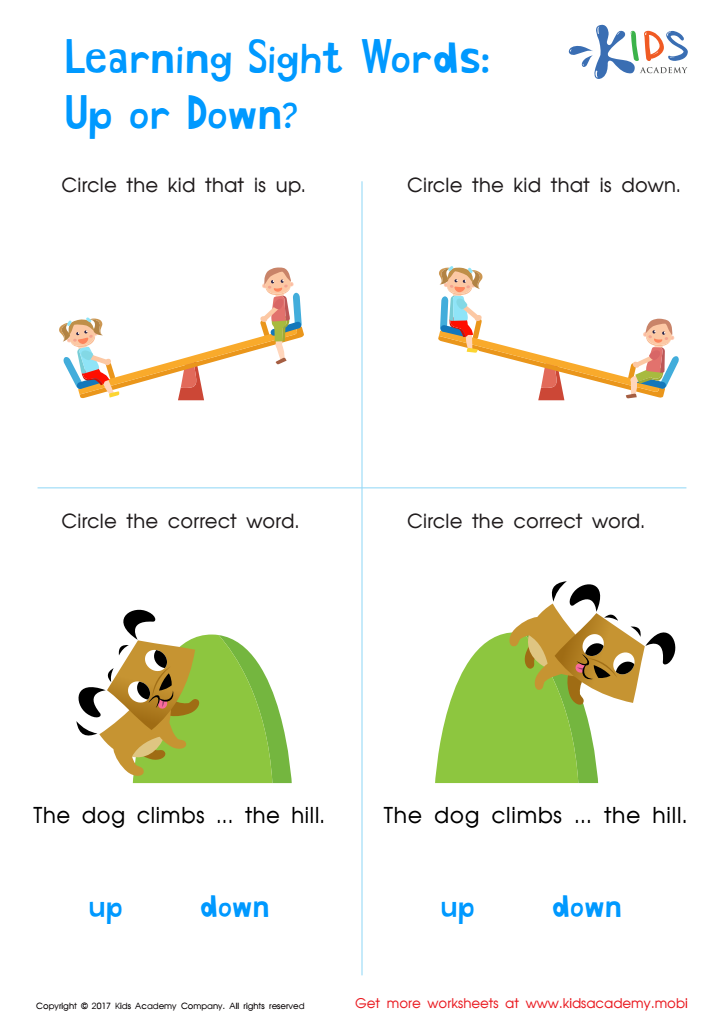
Up or Down Printable Sight Words Worksheet







Vocabulary development is crucial for children aged 3-4 as it lays the foundation for their reading, writing, and overall communication skills. During this early stage, children are rapidly absorbing language and making connections between words and their meanings. When parents and teachers prioritize vocabulary development, they not only enhance a child's ability to express themselves but also promote cognitive skills and critical thinking.
A robust vocabulary allows children to better understand stories, follow instructions, and engage in conversations, all of which are essential for successful learning. It boosts their confidence and helps them navigate social interactions more effectively. Moreover, research indicates that a strong vocabulary is linked to academic success later in life. When children enter kindergarten with a rich vocabulary, they are more likely to excel in reading comprehension and other subject areas, setting them on a positive trajectory for their education.
Engaging in activities like reading together, discussing everyday experiences, and playing word games can enrich verbal skills. By fostering vocabulary development early on, parents and teachers create an environment where children can thrive academically and socially, ensuring they are well-prepared for the journey ahead.








