Problem-Solving Skills Normal Reading Comprehension Worksheets for Ages 3-4
4 filtered results
-
From - To
Boost your child's reading comprehension with our Problem-Solving Skills Normal Reading Comprehension Worksheets, specially designed for ages 3-4. These engaging worksheets help young learners develop essential problem-solving abilities while enhancing their reading skills. Through fun and interactive activities, children will improve their critical thinking and learning strategies during their reading journey. Our carefully crafted materials cater to early learners, ensuring they build a solid foundation for future success. Explore a variety of colorful, age-appropriate worksheets that encourage exploration and creativity, making reading a delightful experience for both children and parents. Equip your little ones with the skills they need for a bright future!
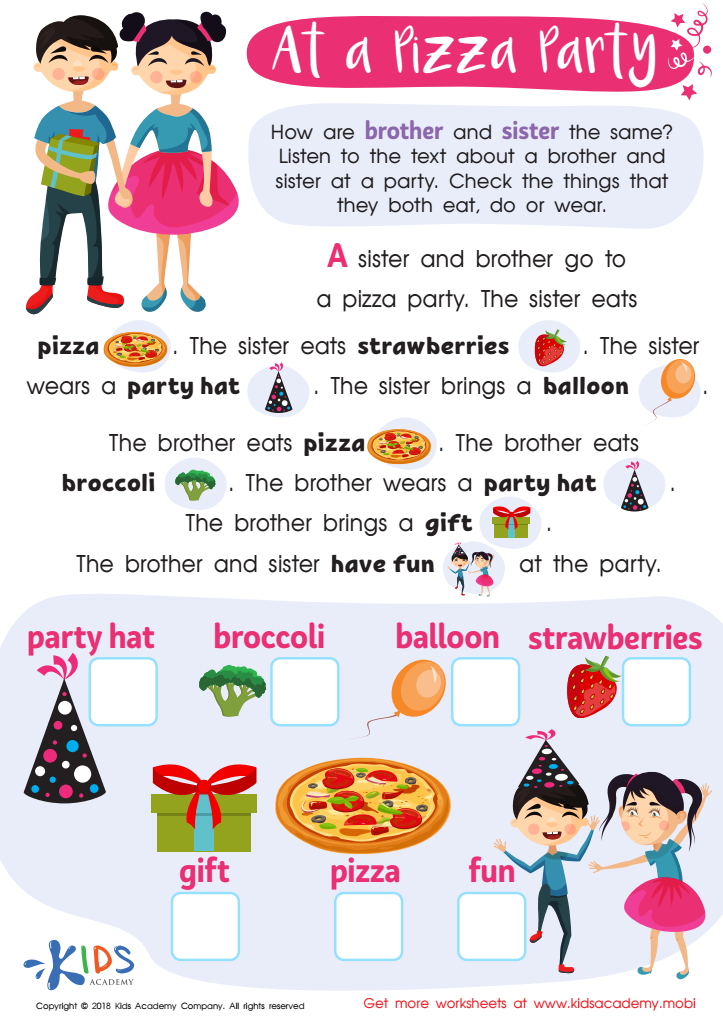
At a Pizza Party Worksheet
 Assign to My Students
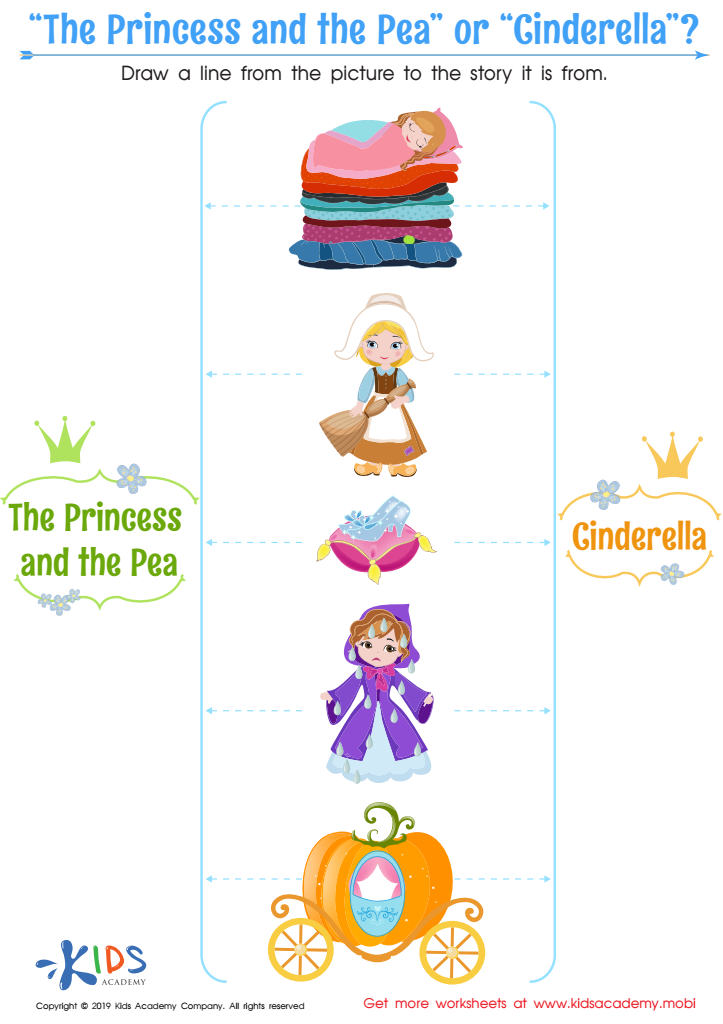
“The Princess and the Pea” or “Cinderella” Worksheet

Towns Worksheet
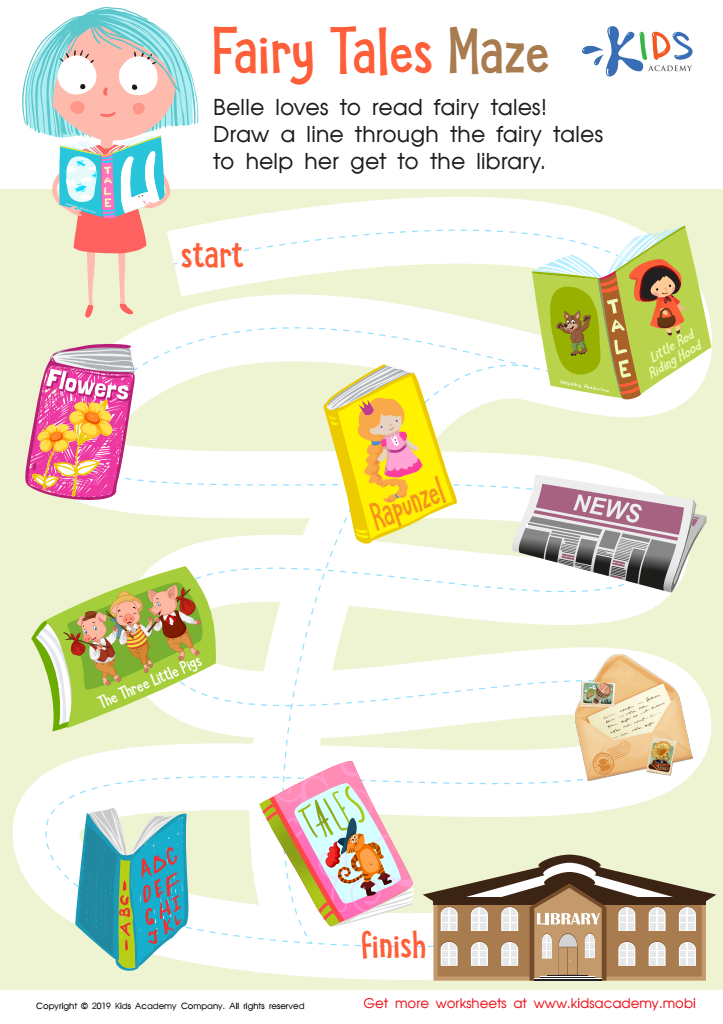
Fairy Tales Maze Worksheet








Parents and teachers should prioritize problem-solving skills in reading comprehension for children aged 3-4, as they form a foundational aspect of cognitive development and learning. During this critical age, children are rapidly developing their language abilities and cognitive processes. Engaging with stories helps enhance their understanding of narrative structures and expands their vocabulary. By focusing on problem-solving in reading, educators and parents foster critical thinking, enabling children to identify challenges within a story and think creatively about potential solutions.
This skill not only enhances comprehension but also promotes active participation in learning. Children learn to ask questions, make predictions, and draw connections between the text and their experiences, deepening their understanding. Consequently, this lays the groundwork for essential skills necessary for later academic success, such as analytical thinking and effective communication.
Additionally, incorporating problem-solving methodologies nurtures emotional intelligence, as children learn to empathize with characters and understand different perspectives. This holistic approach benefits a child's overall growth, preparing them to confront challenges both in and outside of academic settings and instilling a lifelong love for reading and learning. Hence, fostering problem-solving skills in early childhood literacy should be a key focus for caregivers and educators alike.








