Understanding context Normal Reading Comprehension Worksheets for Ages 3-4
3 filtered results
-
From - To
Explore our engaging "Understanding Context Normal Reading Comprehension Worksheets" designed specifically for children aged 3-4. These worksheets help young learners develop vital comprehension skills by focusing on contextual clues within stories and texts. By encouraging critical thinking and analysis, our resources enhance children's ability to make connections and understand the meaning of words in context. Each worksheet features colorful illustrations and age-appropriate texts that capture kids' attention and foster a love for reading. Perfect for parents and educators looking to build foundational reading skills, these worksheets offer a fun and interactive way to support early literacy development. Start your child's reading journey today!
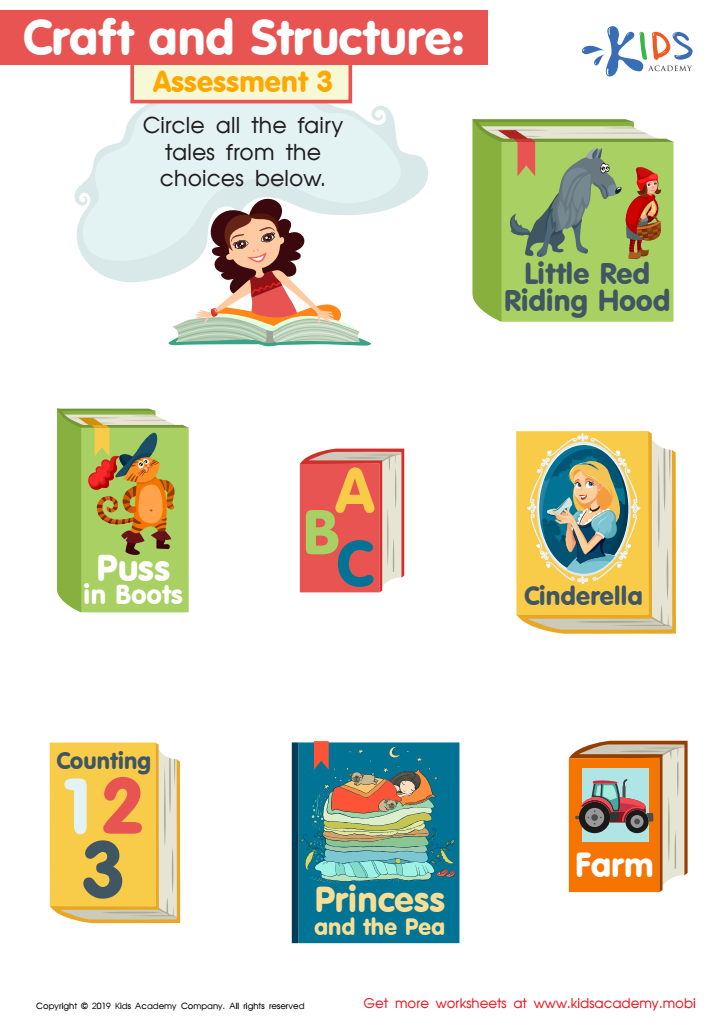
Craft and Structure: Assessment 3 Worksheet
 Assign to My Students
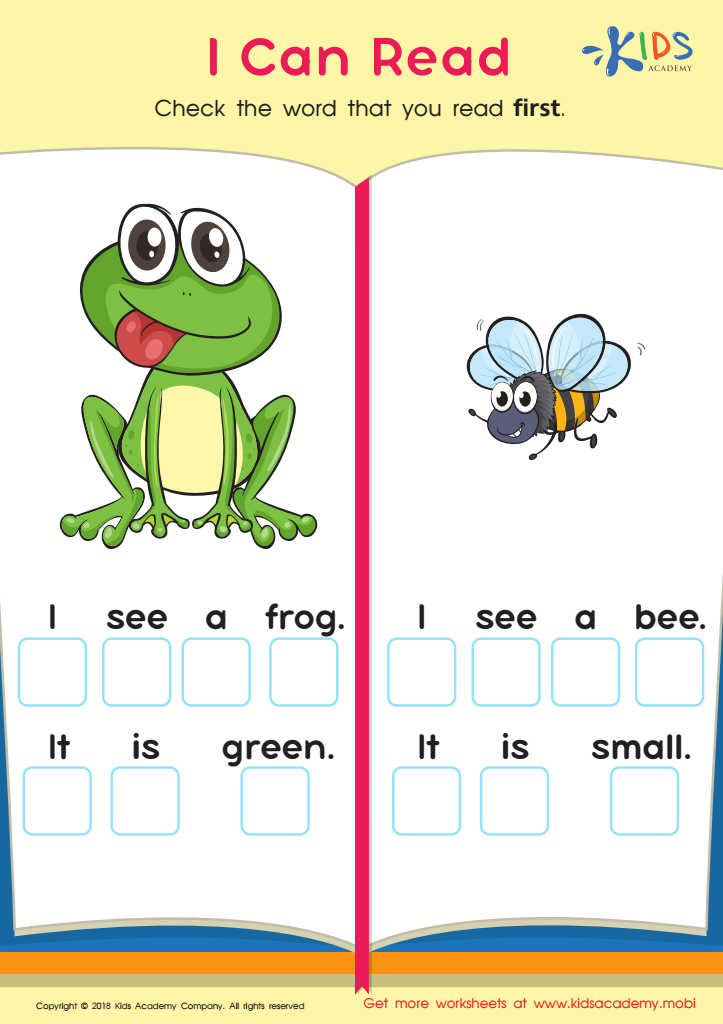
I Can Read Worksheet
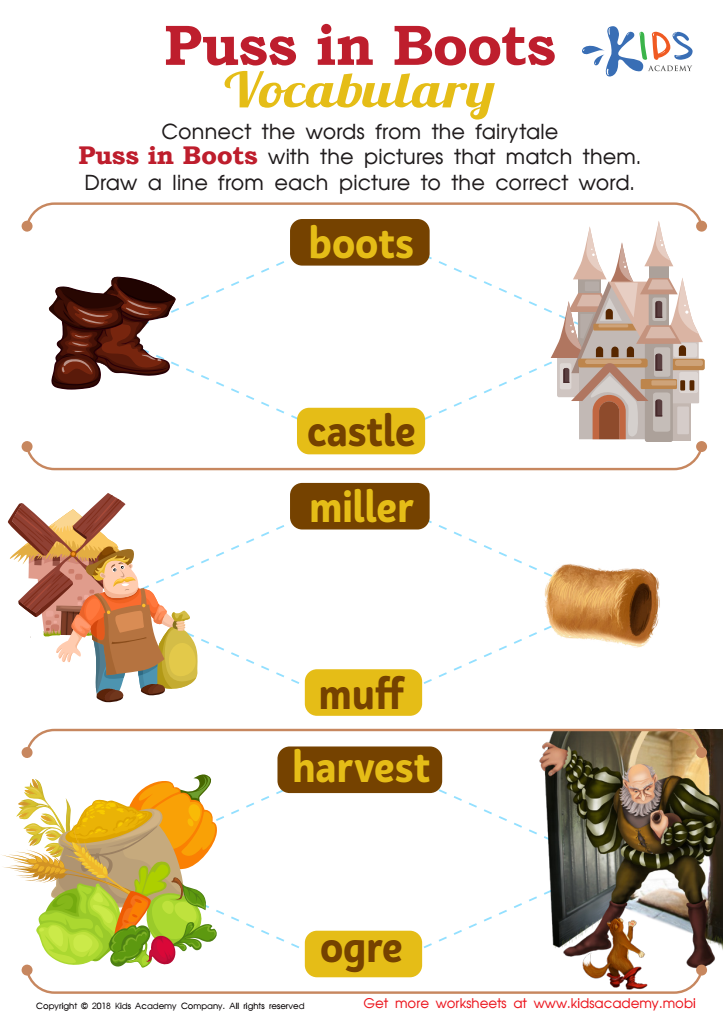
Puss in Boots Vocabulary Worksheet








Understanding context in reading comprehension for ages 3-4 is crucial for several reasons. At this young age, children's brains are rapidly developing the neural connections that form the foundation of their literacy skills. When parents and teachers emphasize contextual understanding, they help children make meaningful connections between text and their world. This includes recognizing familiar words, emotions, and scenarios, which boost vocabulary and comprehension.
Moreover, engaging with stories within context can enhance children’s critical thinking and reasoning skills. For instance, when discussing a character's feelings or the setting of a story, children learn to infer and draw conclusions, which are vital components of comprehension. It helps them recognize that words can convey different meanings based on the situation.
Furthermore, fostering a love for reading at an early age can instill a lifelong appreciation for literature. By understanding the context, children are more likely to relate to and engage with reading materials, which can lead to increased motivation and enjoyment.
Ultimately, cultivating early comprehension skills rooted in context sets children on a path to academic success, builds their confidence, and prepares them for more complex reading tasks in the future. Both parents and teachers play a pivotal role in this essential developmental phase.








