Story comprehension Normal Reading Fiction Worksheets for Ages 3-4
3 filtered results
-
From - To
Introduce your little learners to the world of fiction with our Story Comprehension Normal Reading Fiction Worksheets designed for ages 3-4! These worksheets help young readers engage with enchanting tales while developing critical comprehension skills. Each activity encourages children to recall key details, understand sequences, and answer simple questions about the story, fostering early literacy and a love for reading. Perfect for use at home or in the classroom, these resources provide a fun and effective way to support your child's journey into the magical realm of books. Empower your child's reading adventure today!
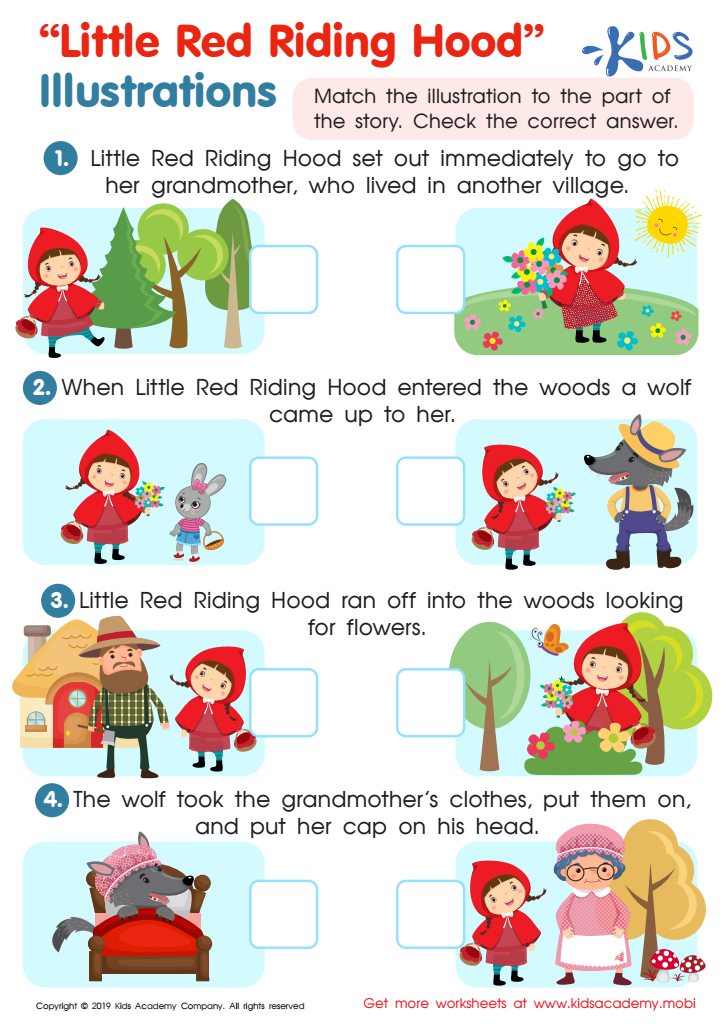
Little Red Riding Hood: Illustrations Worksheet
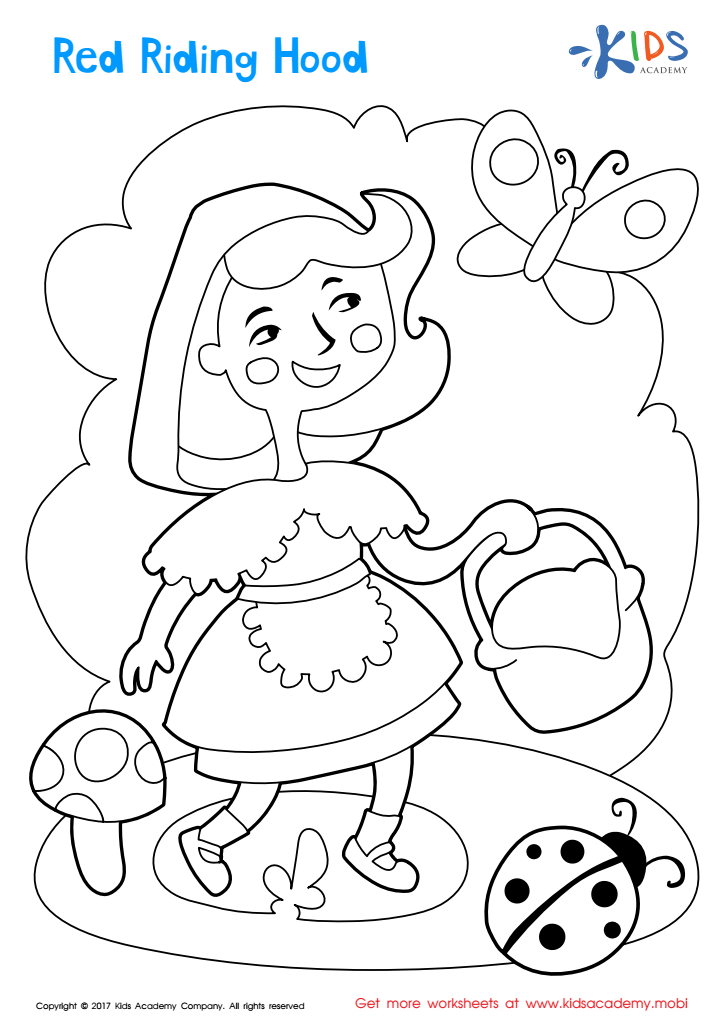
Red Riding Hood Coloring Page
 Assign to My Students
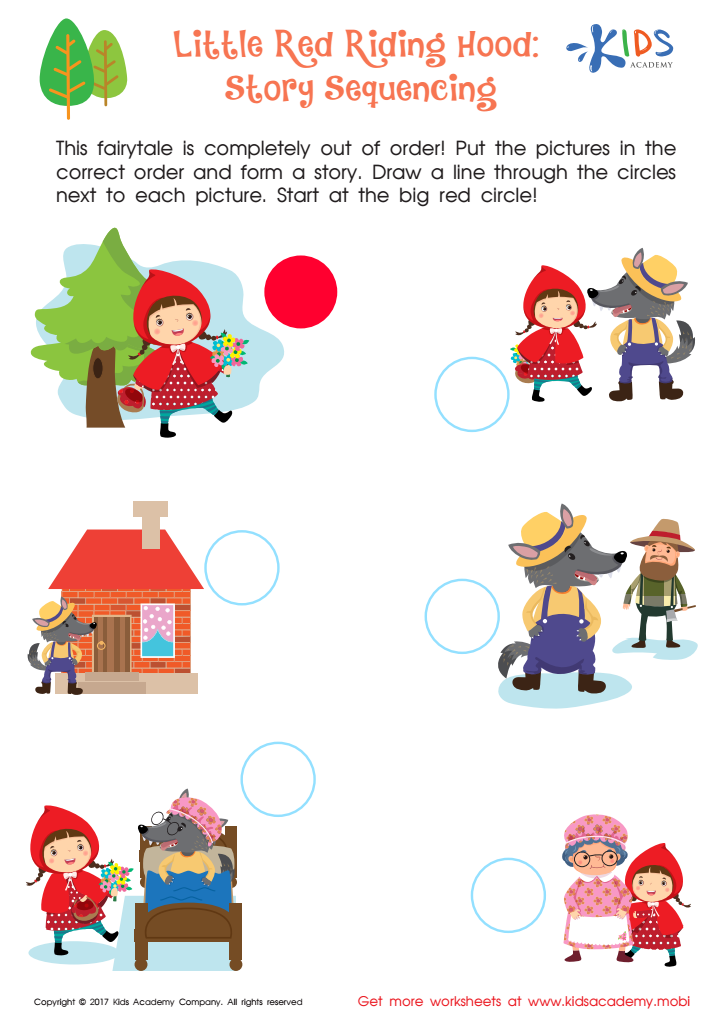
Story Sequencing Printable



.jpg)




Parents and teachers should prioritize story comprehension in normal reading fiction for children ages 3-4 for numerous important reasons. At this stage, children's cognitive and language development is rapidly progressing. Engaging with stories enhances their ability to understand and process new words, enriching their vocabulary. These early language skills serve as a foundation for later reading comprehension and more complex communication abilities.
Fiction also stimulates a child's imagination, nurturing creativity and emotional intelligence. Through stories, children can explore different scenarios, emotions, and perspectives, helping them develop empathy and problem-solving skills. When children are engaged in story comprehension, they learn to follow a sequence of events, recognize cause and effect, and predict outcomes — critical critical thinking abilities necessary in every aspect of life.
Moreover, reading with adults strengthens relational bonds. During this time, children feel valued and heard, fostering a love for reading and learning. For teachers, incorporating story comprehension into the curriculum promotes academic readiness in a manner consistent with the child’s developmental stage.
In essence, fostering story comprehension in early childhood lays down the critical cognitive, emotional, and social foundations for future learning and personal growth, ensuring children are better equipped for the complexities of their future educational journeys.







