Animal recognition Normal Plants and Animals Worksheets for Ages 3-4
3 filtered results
Difficulty Level
Grade
Age
-
From - To
Subject
Activity
Standards
Discover our engaging "Animal Recognition Normal Plants and Animals Worksheets" designed specifically for children aged 3-4! These worksheets provide a playful and interactive way for young learners to explore the fascinating world of animals and nature. Each activity combines vibrant visuals with simple, age-appropriate tasks to promote cognitive development and enhance observational skills. Children will enjoy identifying various animals, learning about their characteristics, and connecting them to their natural habitats. Our resources are perfect for both home and classroom use, fostering a love for science while supporting early learning objectives. Let your little ones embark on a journey of discovery today!
Favorites
With answer key
Interactive
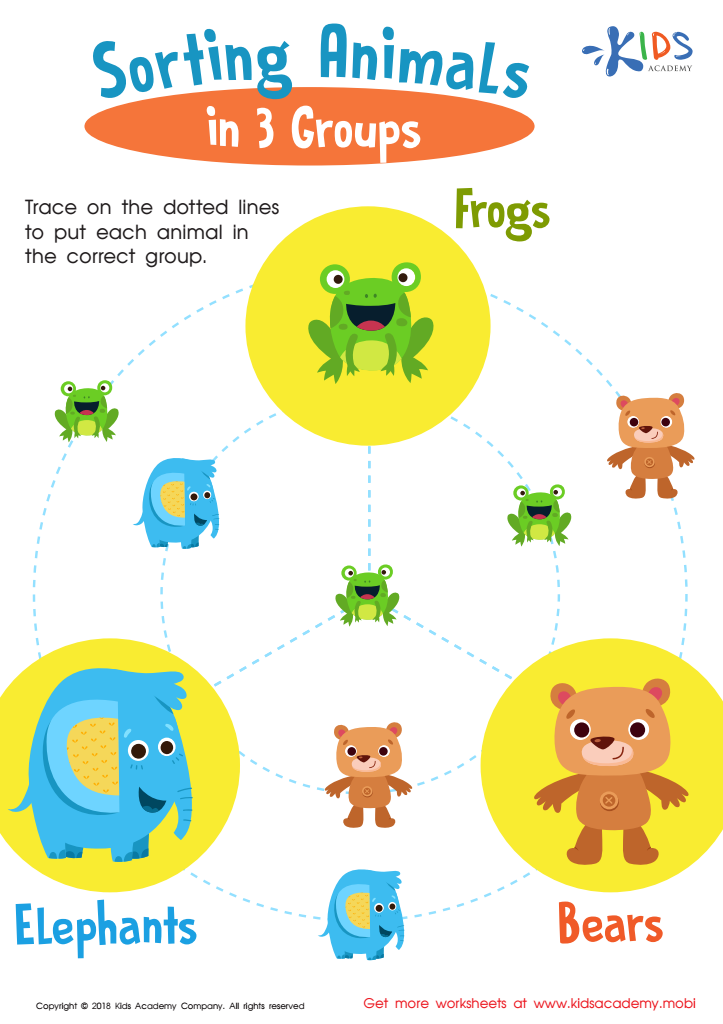
Sorting Animals in 3 Groups Worksheet
Let your kids practice and build skills for future Venn Diagrams with this PDF worksheet. They'll trace lines to match and group animals, and learn the differences and similarities of animals by categorizing with pictures and words. Plus, it's a great way to develop fine motor skills.
 Assign to My Students
Sorting Animals in 3 Groups Worksheet
Worksheet

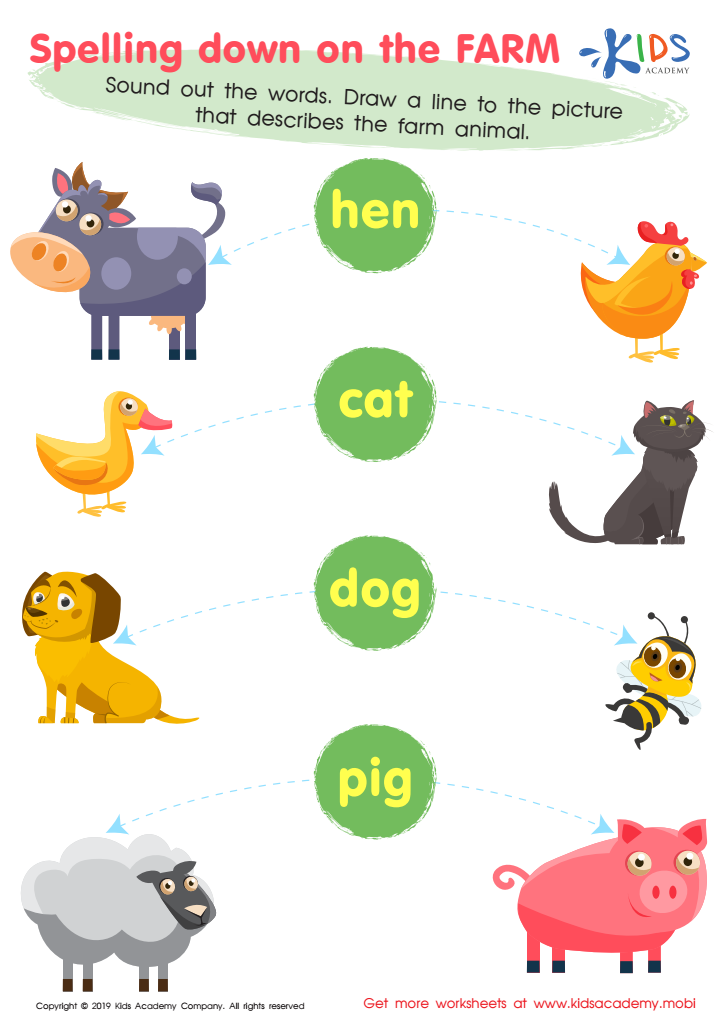
Spelling Down on the Farm Worksheet
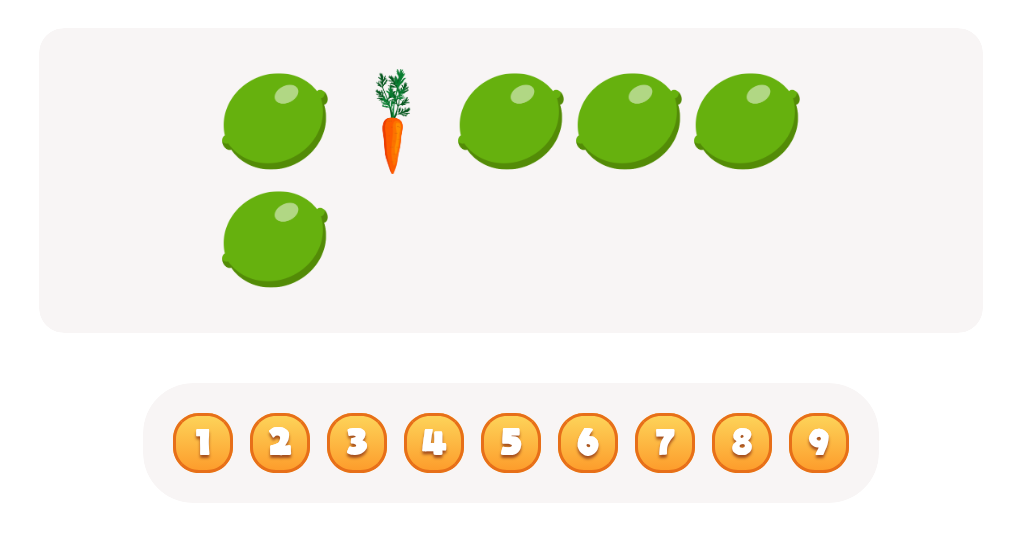
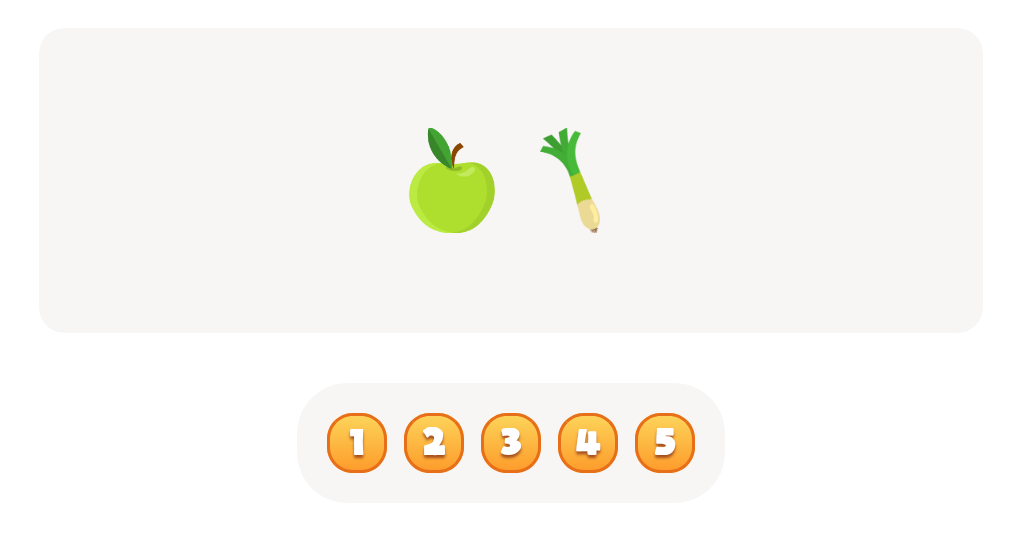
Want to help your kids nail their spelling? Introduce them to this farm animal worksheet! Get them to look at the animals in the tracing sheet, name them and then sound out the words. Have them draw a line to the picture that describes it. You'll be surprised at how quickly their skills improve.
Spelling Down on the Farm Worksheet
Worksheet
Join Kids Academy for Free
Who is primarily going to use this learning content?







Understanding animal recognition and plants is vital for children aged 3-4 as it lays the foundation for cognitive and social development. During this crucial developmental stage, children naturally express curiosity about their environment. Teaching them to identify animals and plants enhances their observational skills and vocabulary, allowing them to articulate their experiences and feelings about nature.
Engagement with natural elements fosters a sense of wonder and connection with the world, which is essential for instilling curiosity and a love for learning. Moreover, recognizing common animals and plants can promote responsibility and empathy in young children, as they learn to value and respect living things. For parents and teachers, facilitating this recognition helps create meaningful discussions around topics like habitat, nutrition, and even conservation, linking everyday experiences to broader ecological concepts.
Additionally, outdoor exploration can facilitate physical activity, creativity, and critical thinking as children interact with their surroundings. Understanding animals and plants enriches playtime experiences and boosts imaginative experiences, essential components in early childhood education. In conclusion, prioritizing animal and plant recognition is crucial for a holistic learning journey that supports children's intellectual, emotional, and social facets.