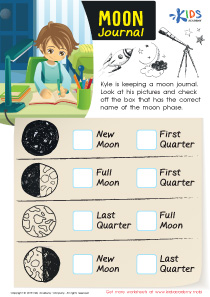
Enhancing observation skills Normal Plants and Animals Worksheets for Ages 3-4
4 filtered results
-
From - To
Discover our fun and engaging "Enhancing Observation Skills: Normal Plants and Animals Worksheets" designed for children aged 3-4. These interactive worksheets are tailored to develop young learners' observation abilities, fostering a love for nature and curiosity about the world around them. Each worksheet features vibrant illustrations and simple, age-appropriate activities that encourage kids to identify, compare, and classify various plants and animals. With a focus on hands-on learning, these resources are perfect for parents and educators aiming to enhance critical thinking and observational skills in early childhood. Explore our worksheets and help your child grow into a keen observer of their environment!
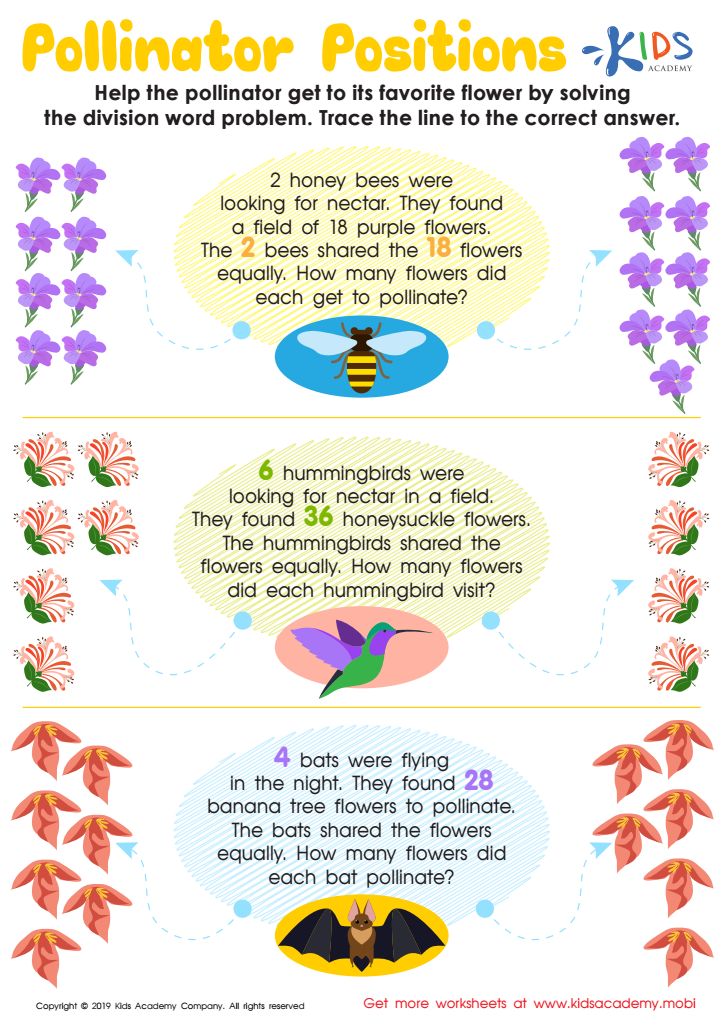
Pollinator Positions Worksheet
 Assign to My Students
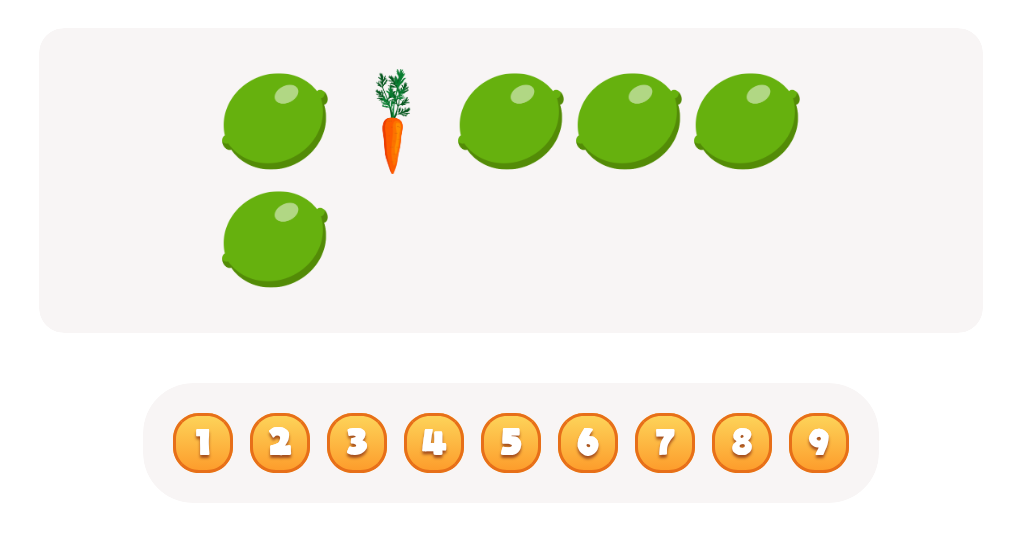


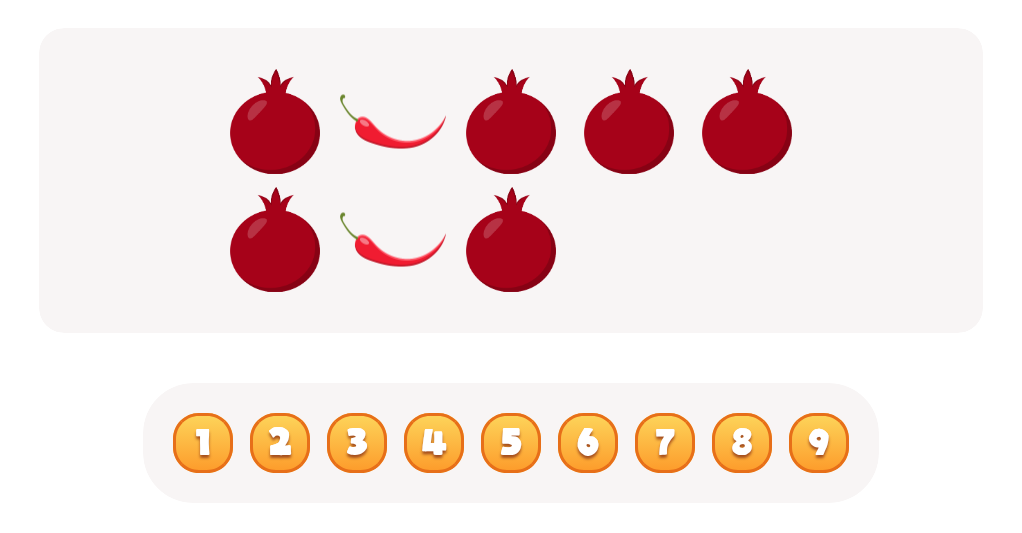
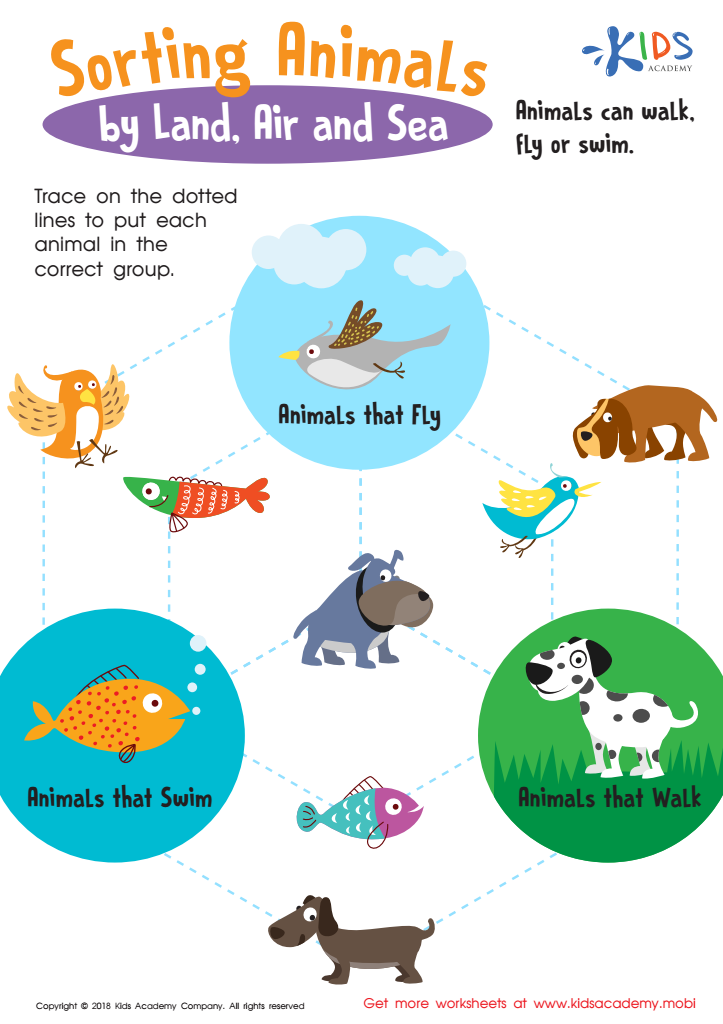
Sorting Animals by Land, Air and Sea Worksheet
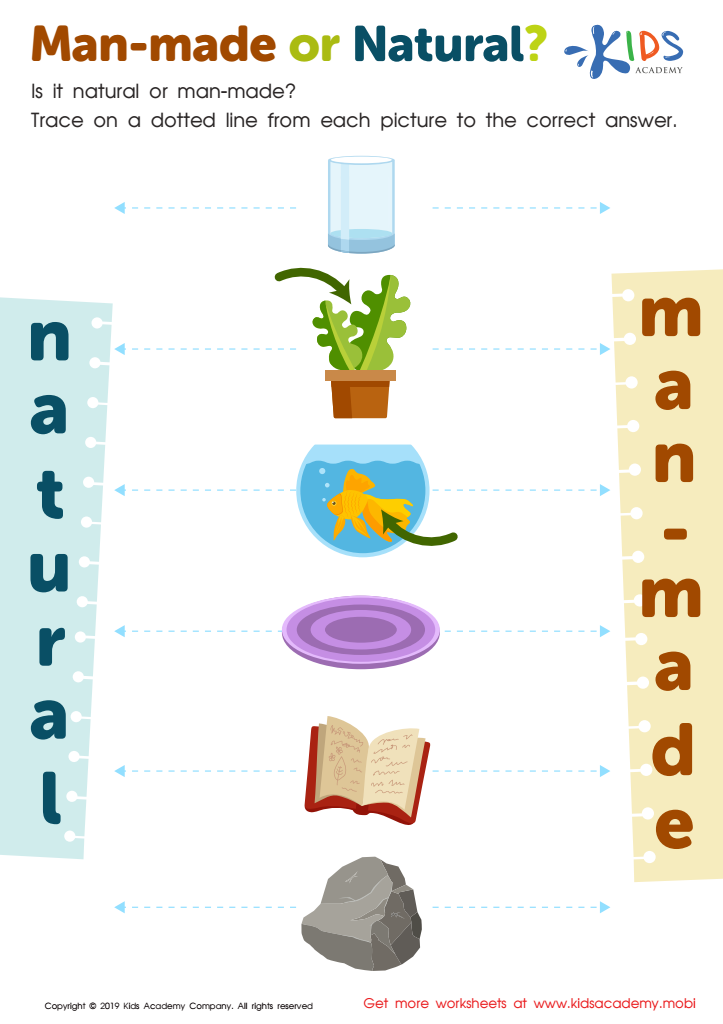
Man-Made or Natural? Worksheet
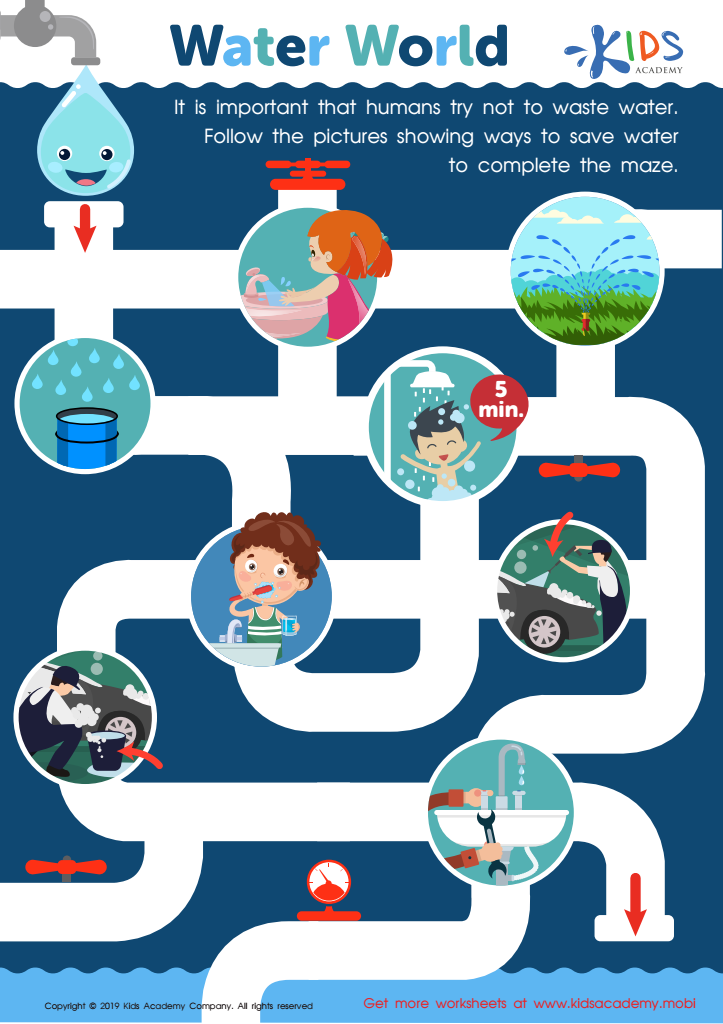
Water World Worksheet


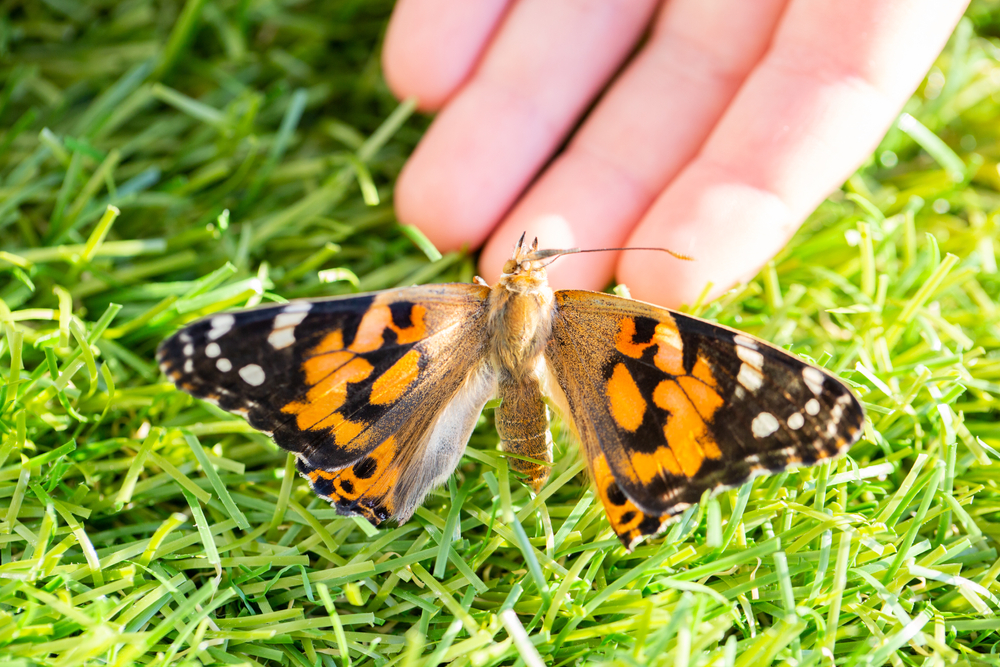



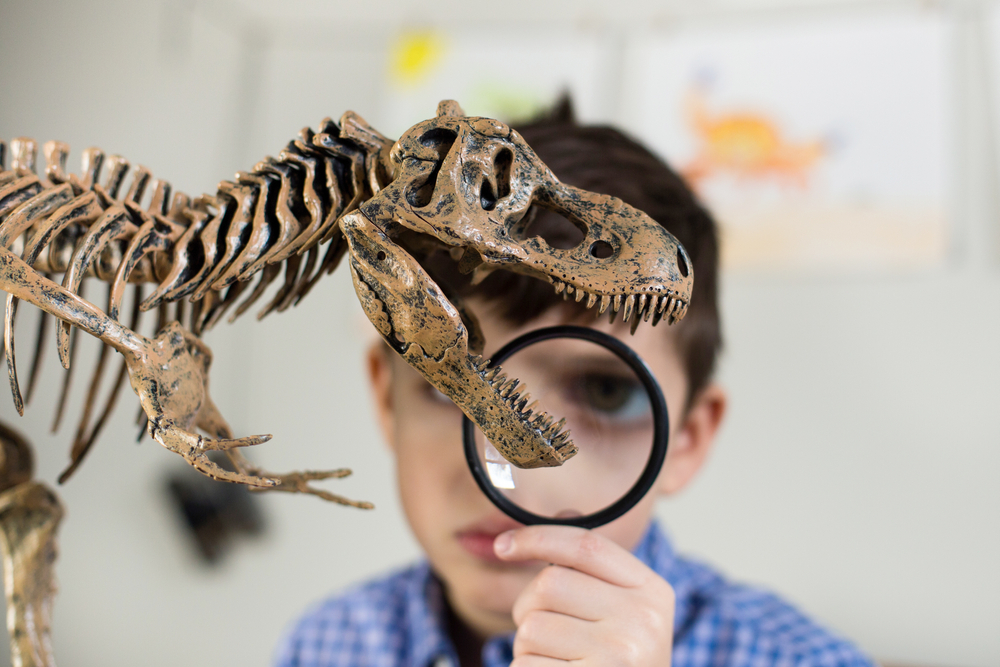

Enhancing observation skills in young children, particularly regarding normal plants and animals, is crucial for their developmental growth and education. For ages 3-4, children are naturally curious about their environment, and fostering this curiosity can lead to a lifetime love of learning. Observing plants and animals encourages children to engage with the world around them, helping them develop critical thinking skills as they notice differences, similarities, and changes in their observations.
By honing their observation skills, children also develop language and communication abilities as they describe their findings and share experiences. This skill set enhances cognitive development, enabling them to make connections between concepts and understand their surroundings more deeply. Moreover, observing nature can instill an appreciation for biodiversity and encourage empathy for living creatures, fostering a sense of responsibility toward the environment.
Teachers and parents play a vital role by providing opportunities for hands-on exploration and discussion, enriching a child’s learning experience. Engaging in this practice not only promotes scientific literacy from an early age but also nurtures emotional and social growth as children learn to work collaboratively in discovery and exploration. Overall, focusing on enhancing observation skills is foundational for holistic child development.