Cognitive Development Normal Social Studies Worksheets for Ages 3-4
4 filtered results
-
From - To
Discover engaged learning with our Cognitive Development Normal Social Studies Worksheets, designed specifically for children aged 3-4. These thoughtfully crafted worksheets focus on enhancing cognitive skills through hands-on activities that promote critical thinking, problem-solving, and understanding of social concepts. From identifying emotions to exploring community roles, our resources encourage curiosity and interaction with the world around them. Ideal for homeschooling and classroom settings, these worksheets support early learners in developing vital cognitive abilities in a fun and engaging manner. Empower your child's learning journey with our expertly designed resources, and watch them thrive socially and intellectually!

Let's Look! Assessment Worksheet
 Assign to My Students
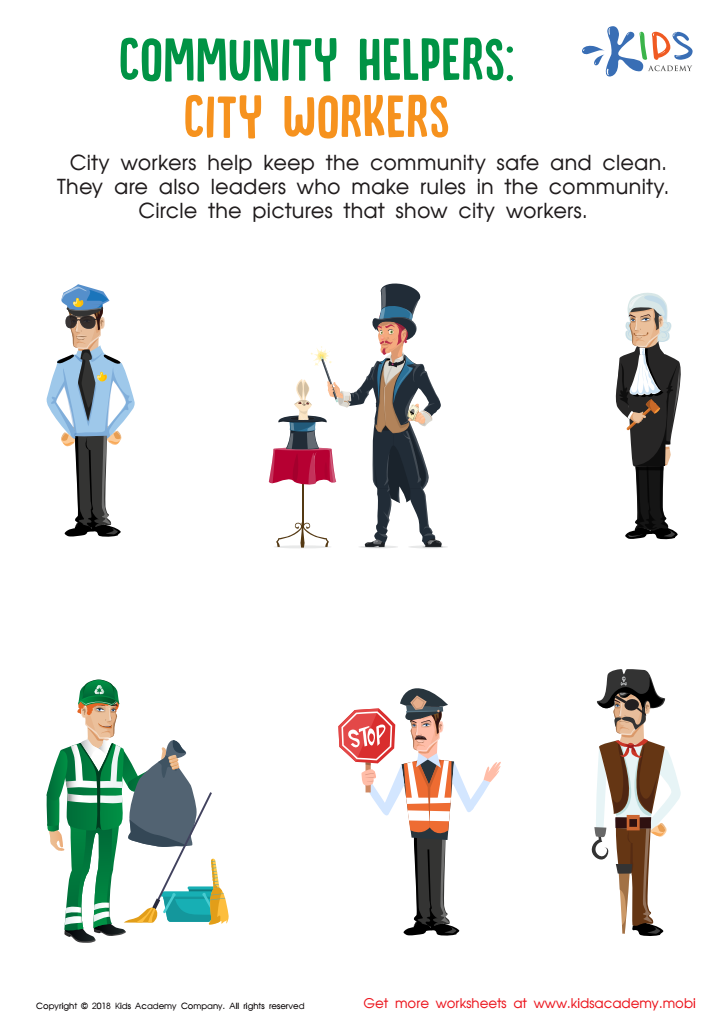
City Workers Community Helpers Worksheet

Traditional Dance Printable
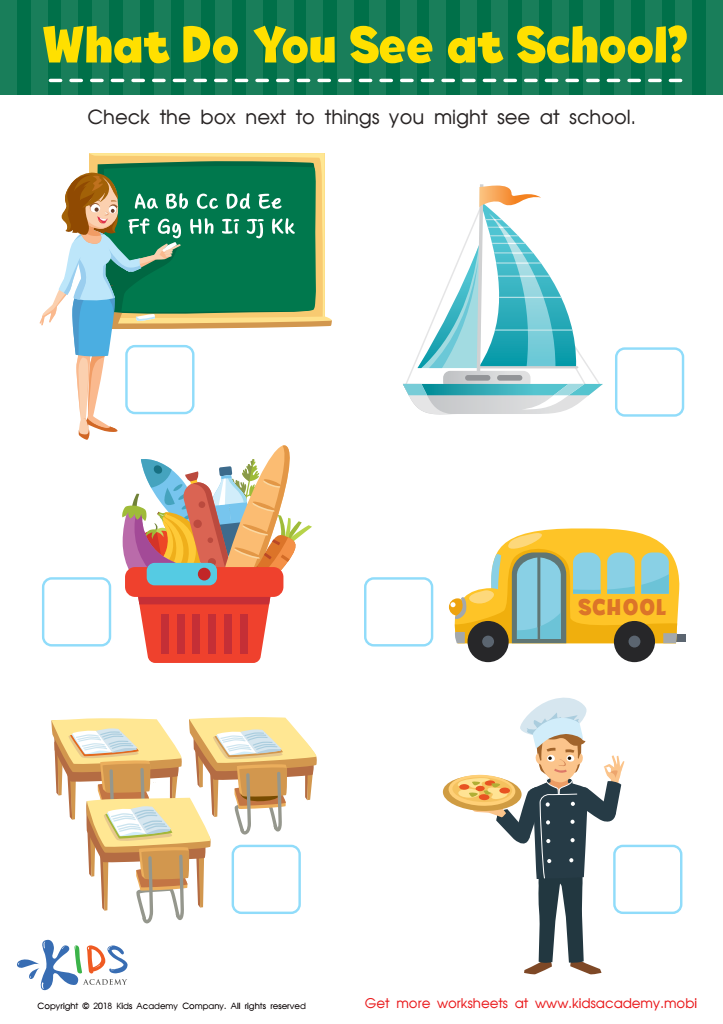
What Do you See at School? Worksheet








Cognitive development is a crucial aspect of early childhood education, particularly for children aged 3-4, as it lays the foundation for lifelong learning and social interaction. Parents and teachers should care about this developmental stage because it significantly influences children's ability to think critically, solve problems, and understand the world around them. During this period, children are naturally curious and eager to learn, making it an ideal time to introduce essential social studies concepts.
Engaging young learners with age-appropriate social studies helps them develop an awareness of themselves, their families, communities, and the environment. This understanding fosters empathy, cooperation, and respect for diversity, which are essential skills for social interaction. Activities that encourage exploration of different cultures, historical events, and community roles can stimulate cognitive growth by enhancing memory, language skills, and reasoning abilities.
Moreover, nurturing cognitive development through social studies is vital for academic success. It promotes critical thinking, encouraging children to ask questions and seek answers. By prioritizing this developmental area, parents and teachers can help children build the social and cognitive skills necessary for future learning, ultimately fostering well-rounded individuals who contribute positively to society.