Cognitive Development Normal Alphabet Worksheets for Ages 3-5
4 filtered results
-
From - To
Unlock your child's potential with our Cognitive Development Normal Alphabet Worksheets designed specifically for ages 3-5! These engaging worksheets promote early literacy skills while fostering essential cognitive growth. Packed with fun activities, your little learners will enhance letter recognition, phonemic awareness, and critical thinking skills. Perfect for home or classroom use, our worksheets encourage creativity and independent learning, making the process of mastering the alphabet enjoyable. With a variety of exercises that cater to different learning styles, children will develop a strong foundation for future academic success. Explore our collection today and watch your child's confidence soar as they discover the world of letters!
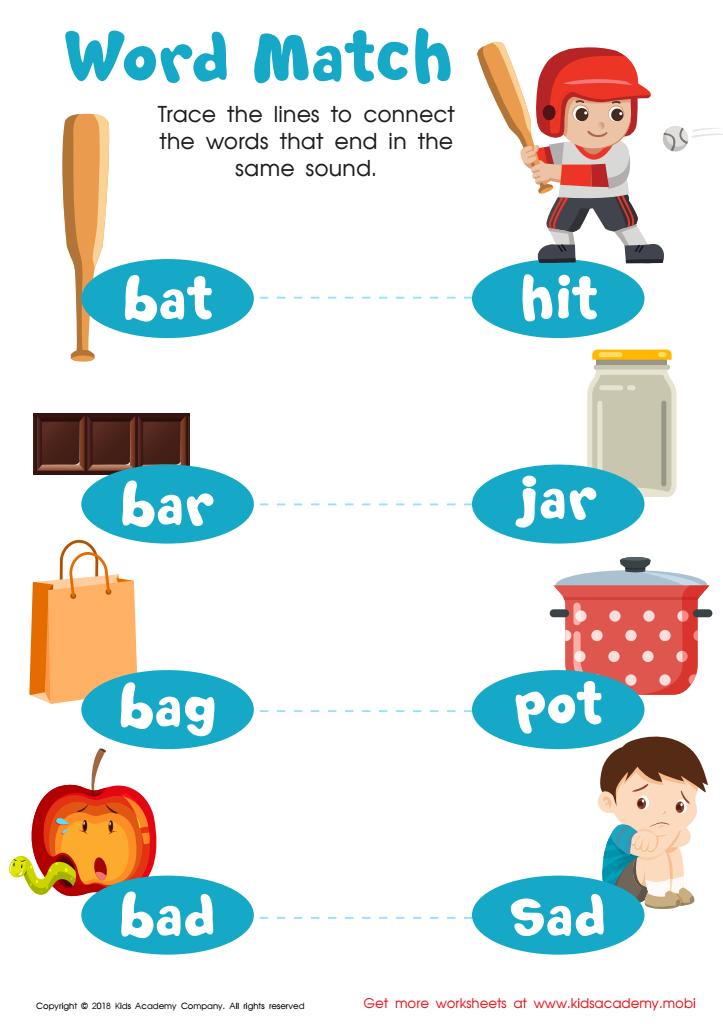
Word Match Reading Worksheet
 Assign to My Students
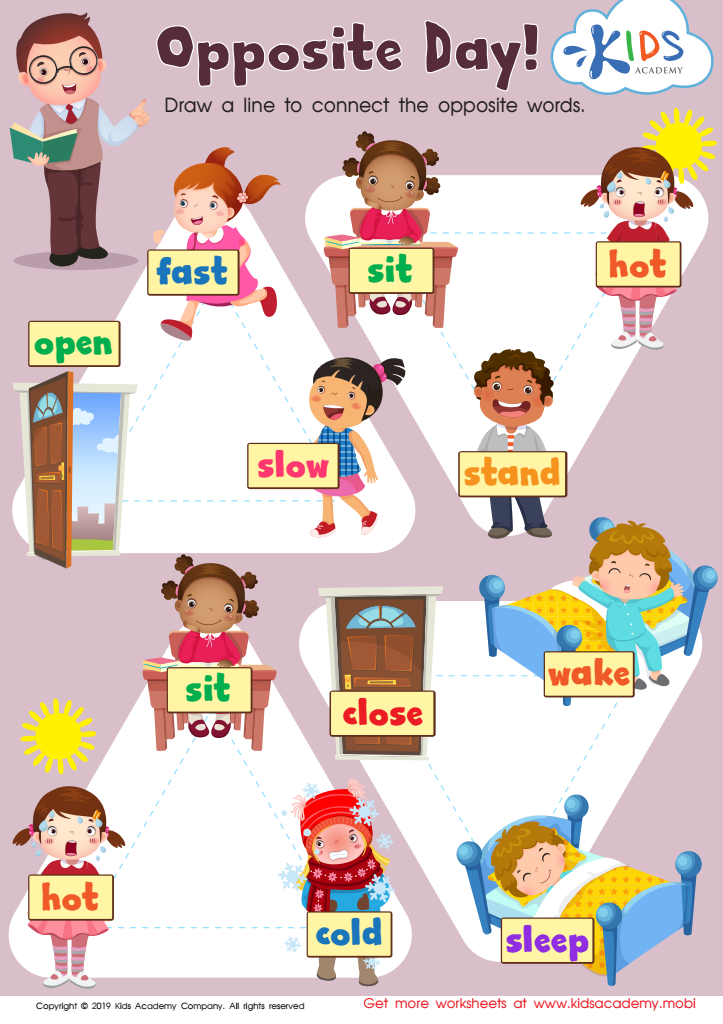
Opposite Day Worksheet
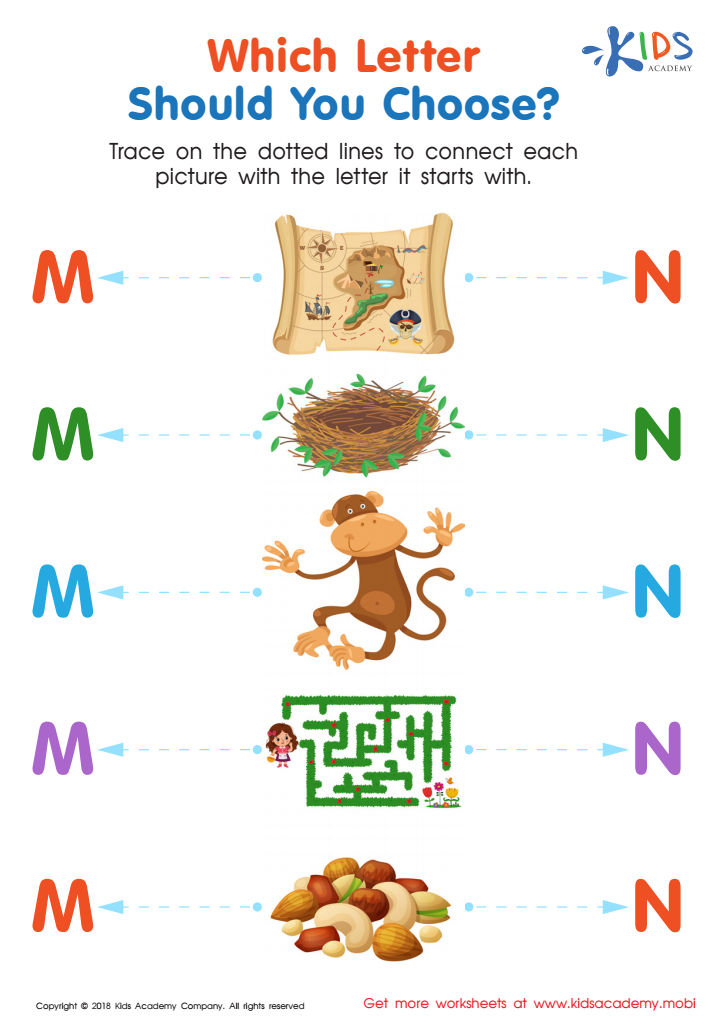
Which Letter Should you Choose? Worksheet
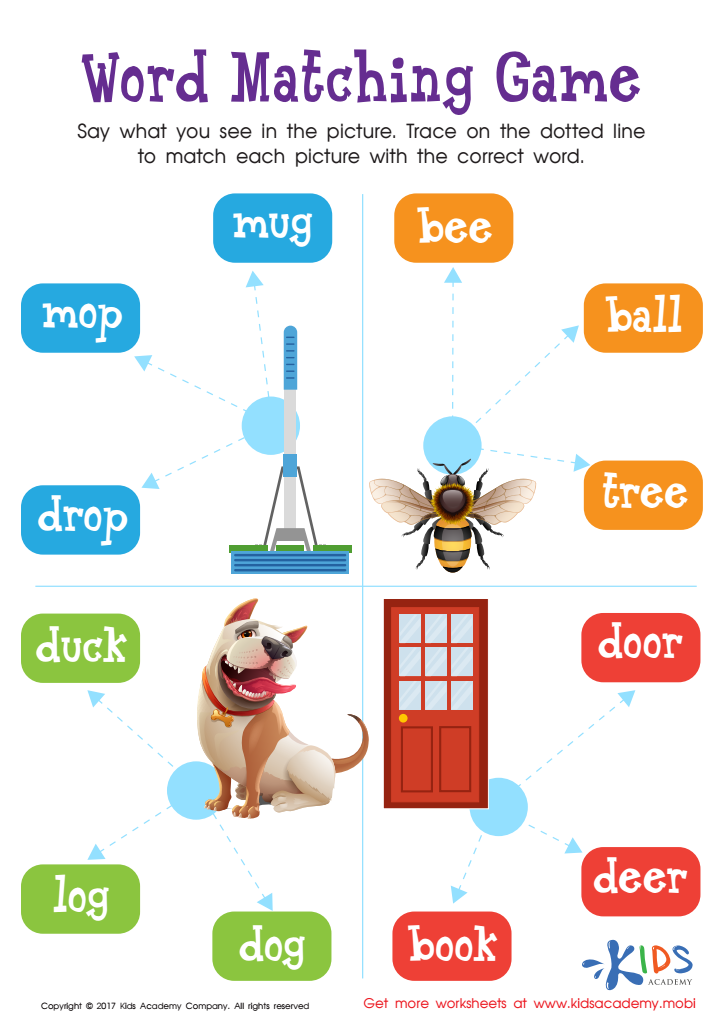
Word Matching Game Worksheet








Cognitive development in early childhood, particularly for children aged 3 to 5, lays the foundation for lifelong learning. Understanding the normal development of the alphabet is crucial for parents and teachers because it impacts various aspects of a child's growth. At this age, children are not only learning to recognize letters but also developing critical thinking, problem-solving, and language skills.
Caring about cognitive development in alphabet recognition fosters children's communication abilities, enhancing their vocabulary and comprehension. When children can identify letters and sounds, they are better equipped to begin reading, which is vital for academic success in later years. Those early interactions with letters through activities like reading, singing, and play pave the way for future literacy skills.
Furthermore, monitoring cognitive milestones, such as recognizing the alphabet, helps identify children who may need additional support. Early intervention can effectively address challenges and ensure that children remain on track with their development. For educators and parents alike, understanding and nurturing cognitive development during these formative years is essential not just for literacy, but also for instilling a love of learning and encouraging overall intellectual growth. By prioritizing these early stages, we invest in a child's future potential and success.







