Letter recognition Normal Alphabet Worksheets for Ages 3-5 - Page 2
57 filtered results
-
From - To
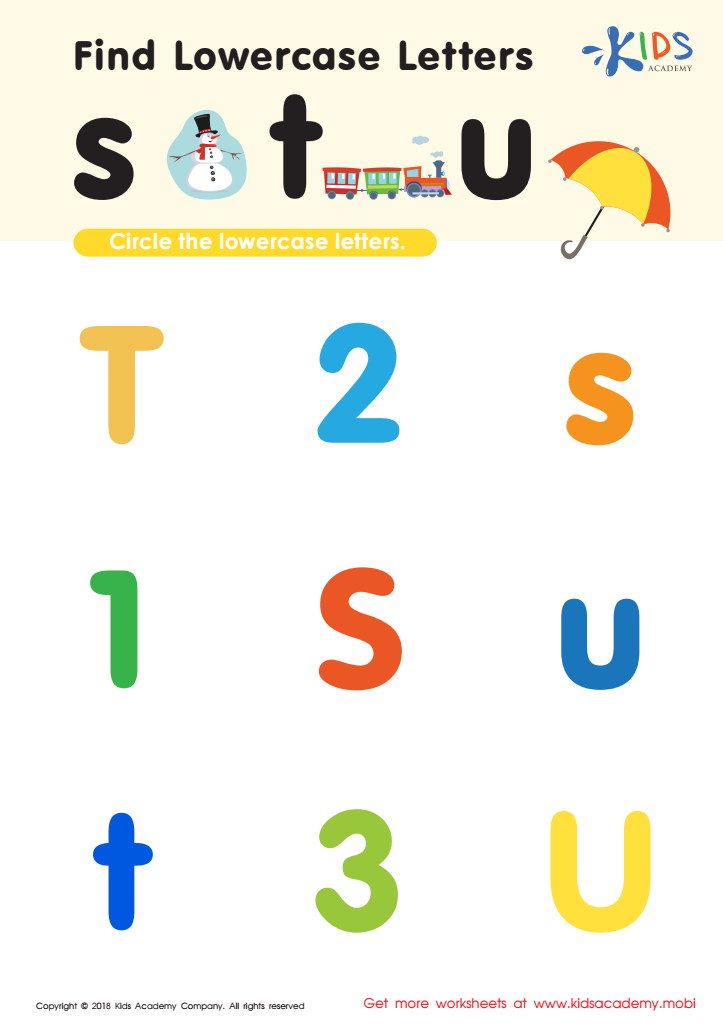
Find lowercase Letters s t u Worksheet
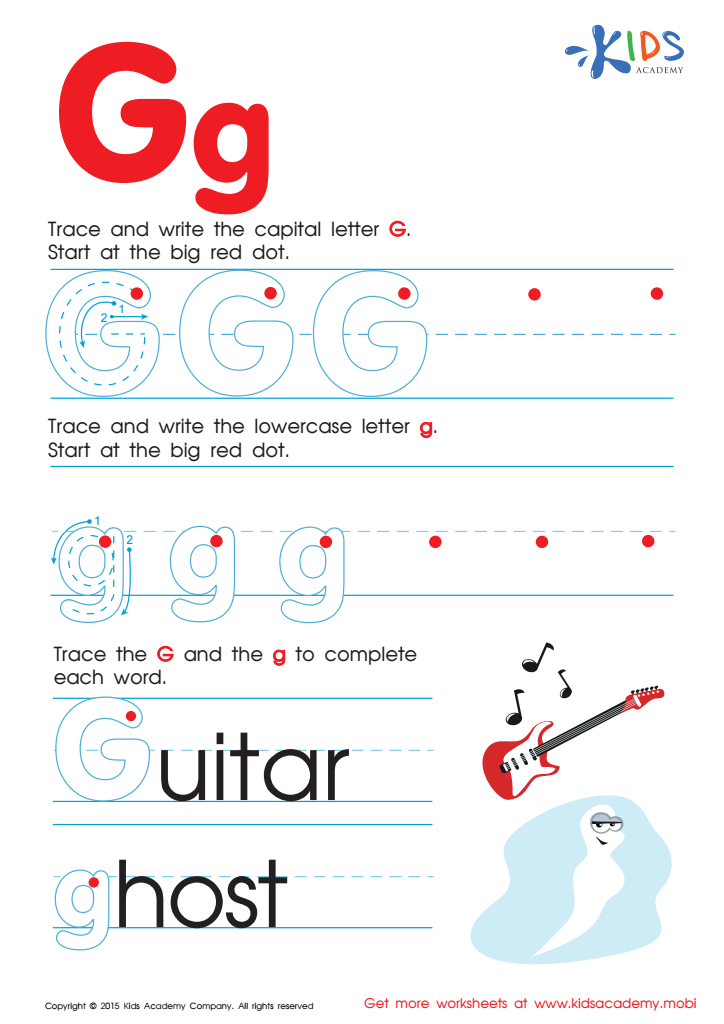
Letter G Tracing Page
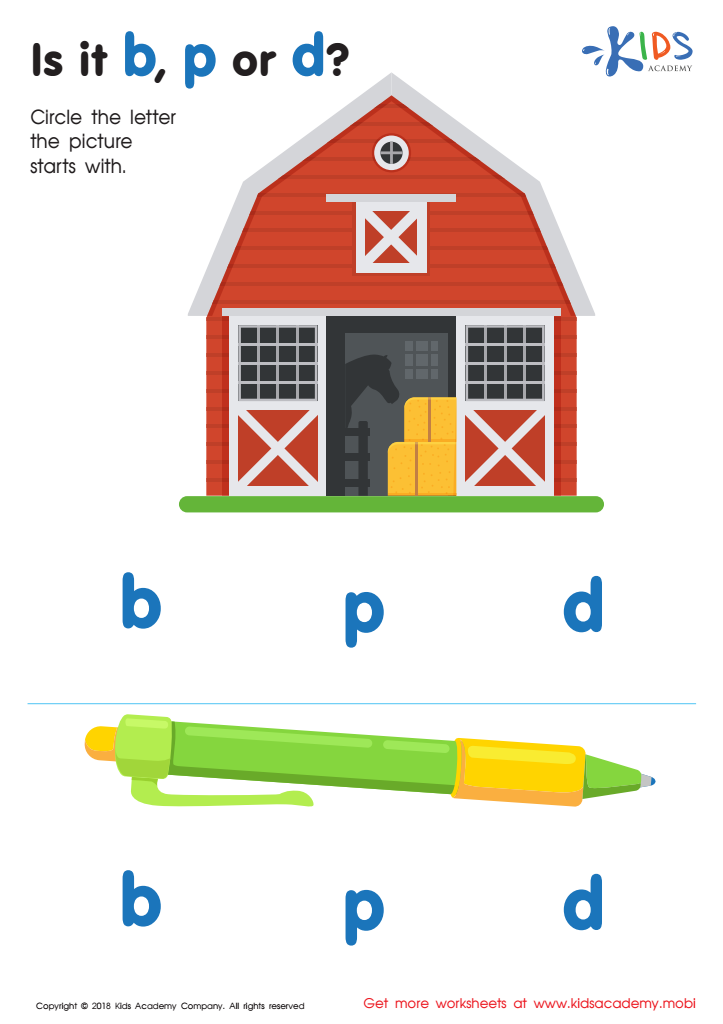
Is it b, p or d? Worksheet
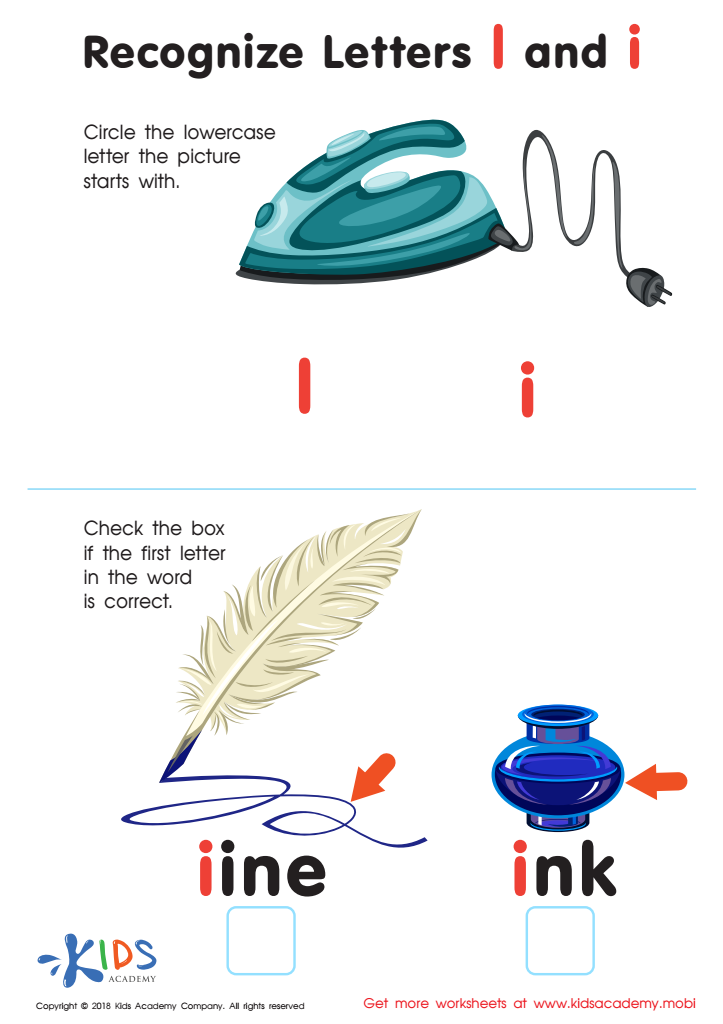
Recognize Letters l and i Worksheet
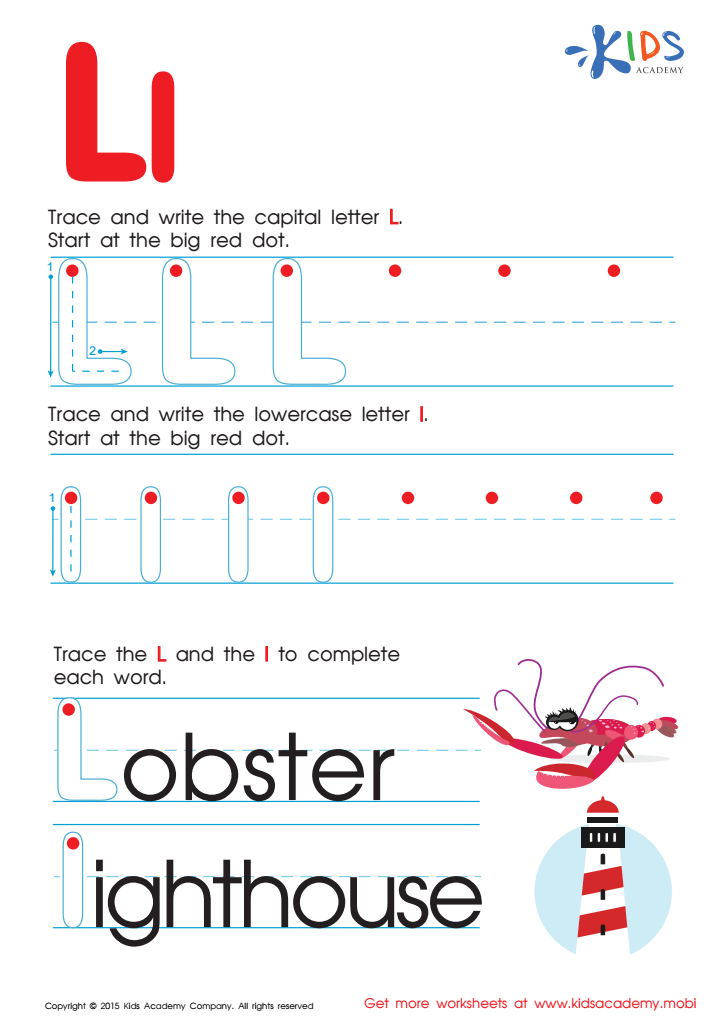
Letter L Tracing Page
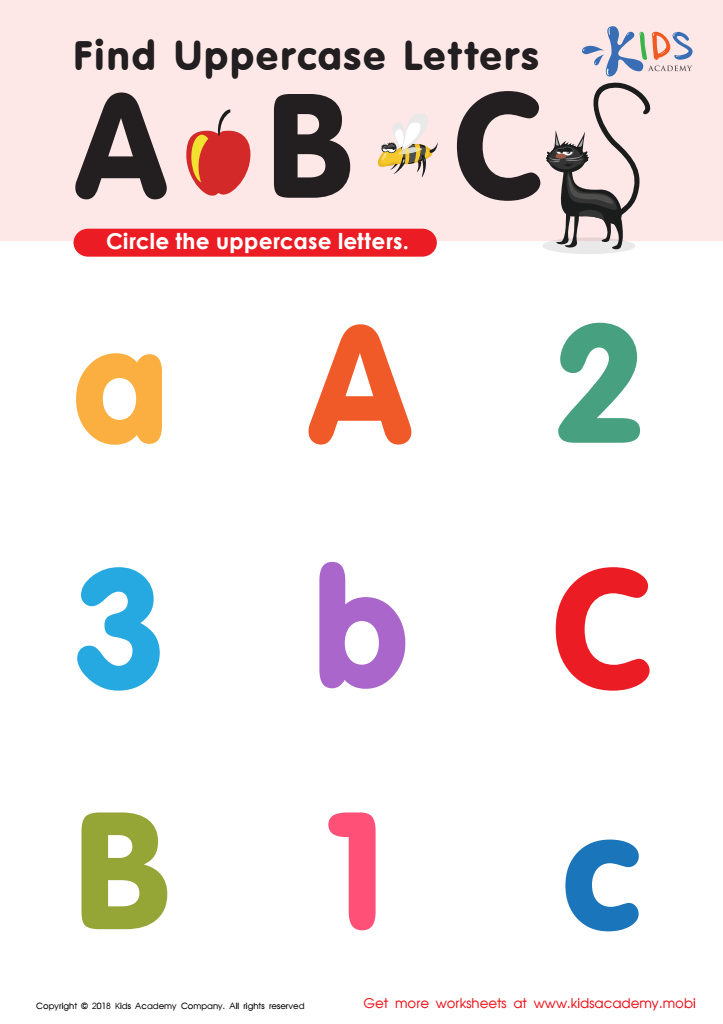
Find Uppercase Letters A, B, and C Worksheet
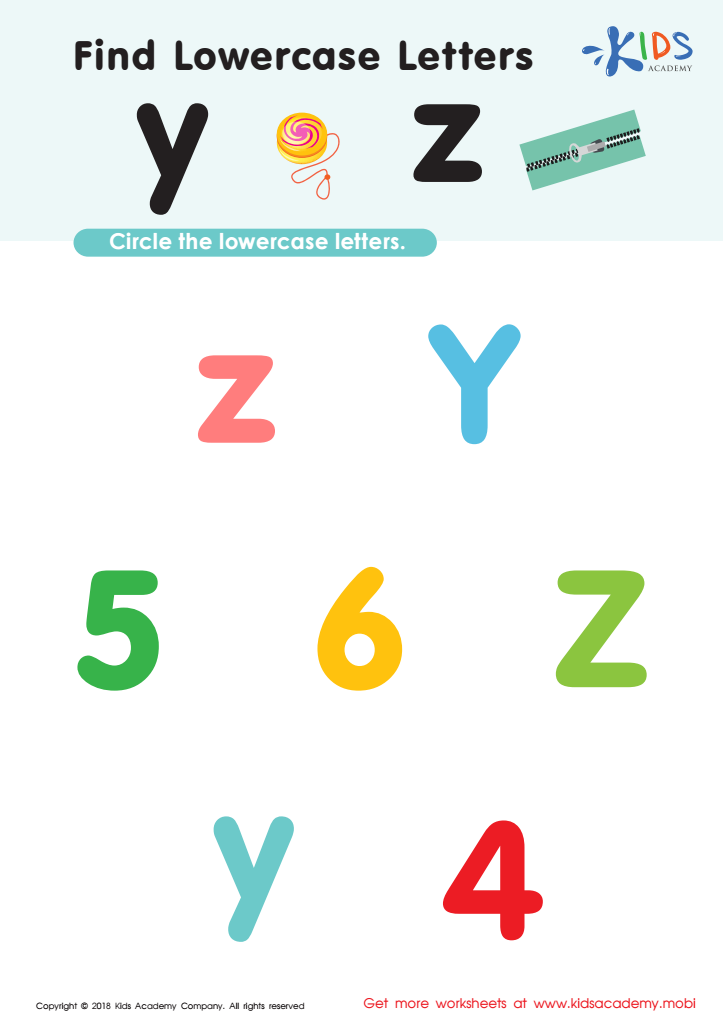
Find Lowercase Letters y z Worksheet
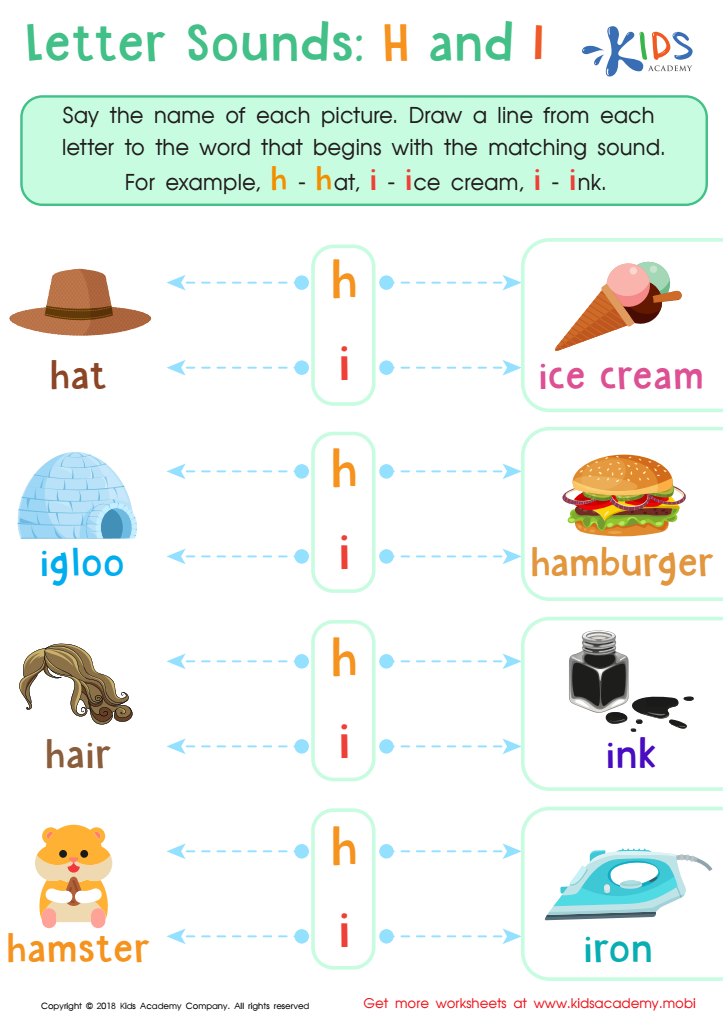
Letter H and I Sounds Worksheet
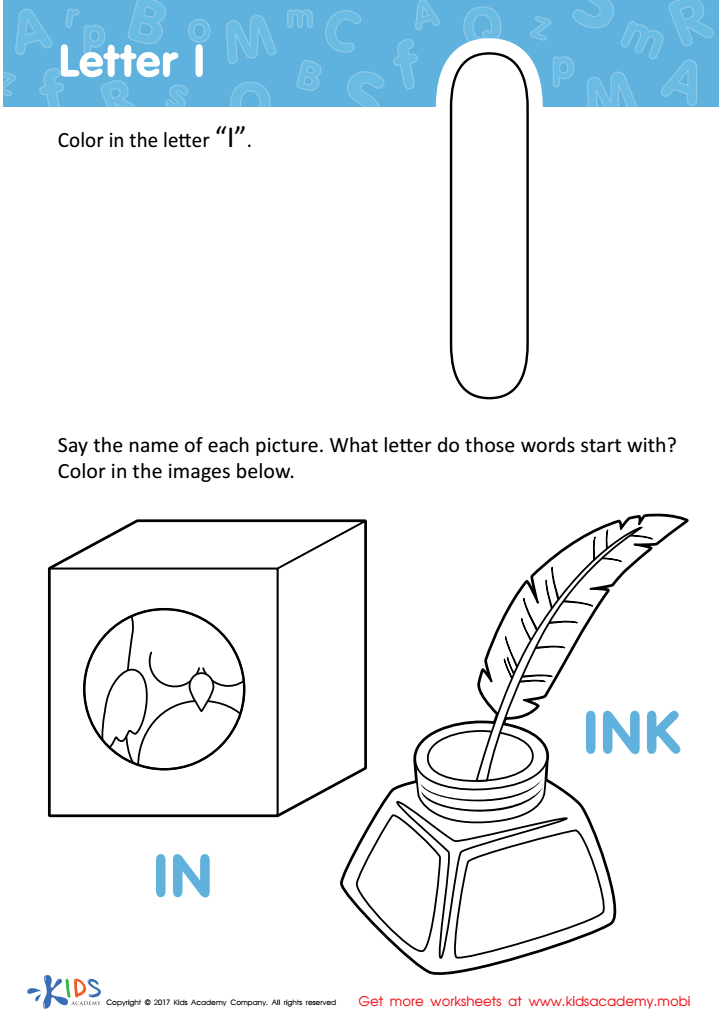
Letter I Coloring Sheet
 Assign to My Students

Long and Short U Worksheet
Assign to My Students
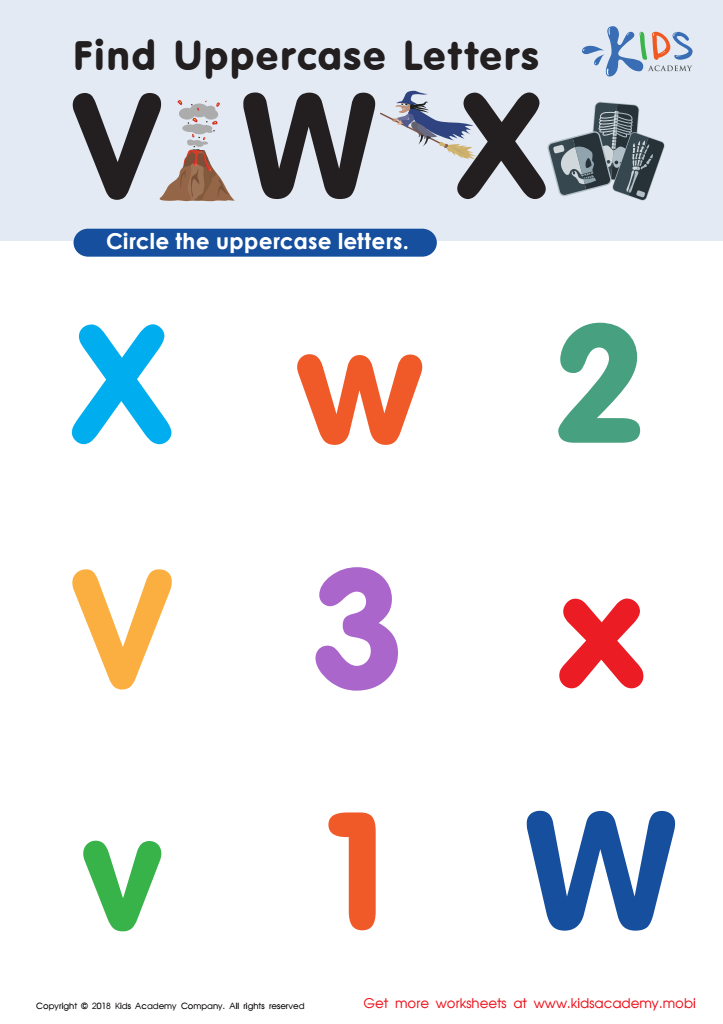
Find Uppercase Letters V, W, X Worksheet
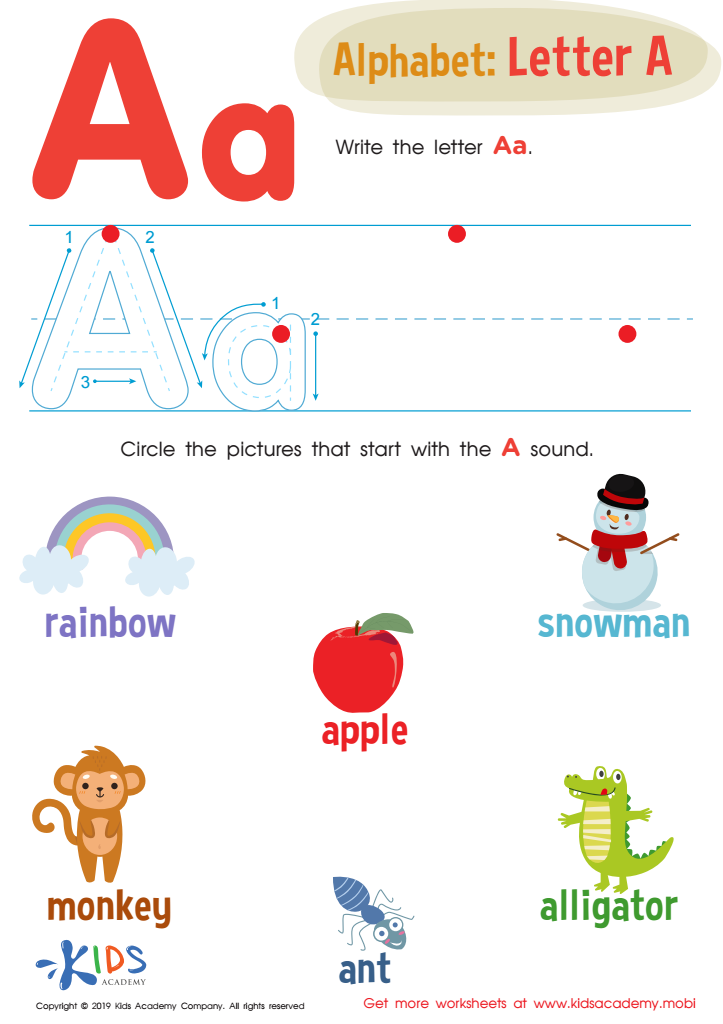
Letter A Tracing Worksheet
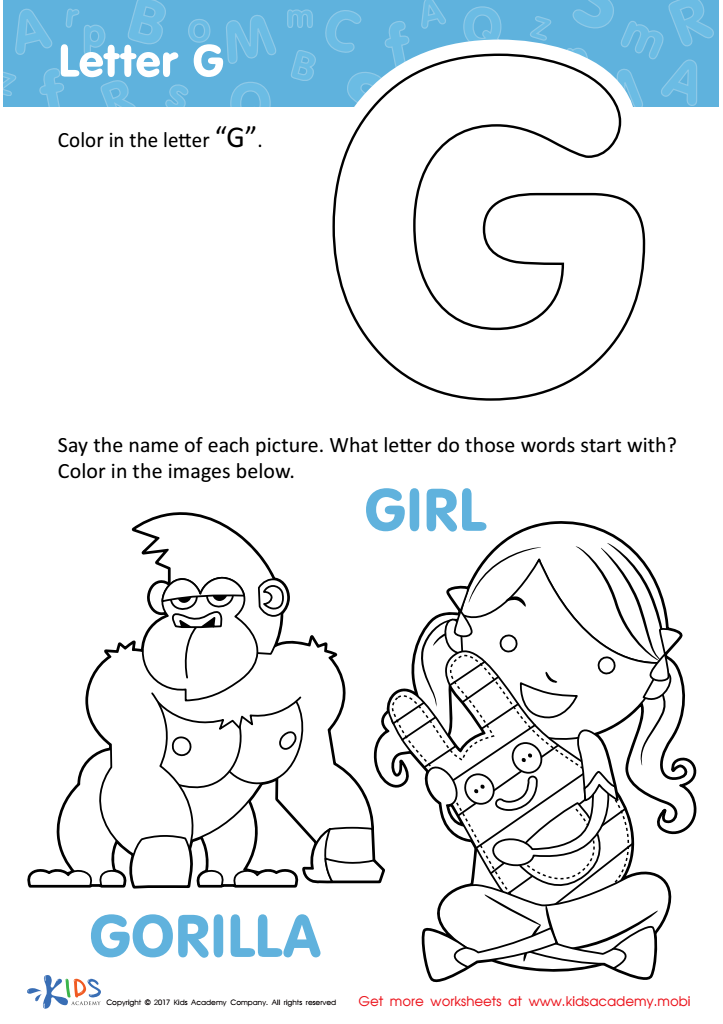
Letter G Coloring Sheet
Assign to My Students
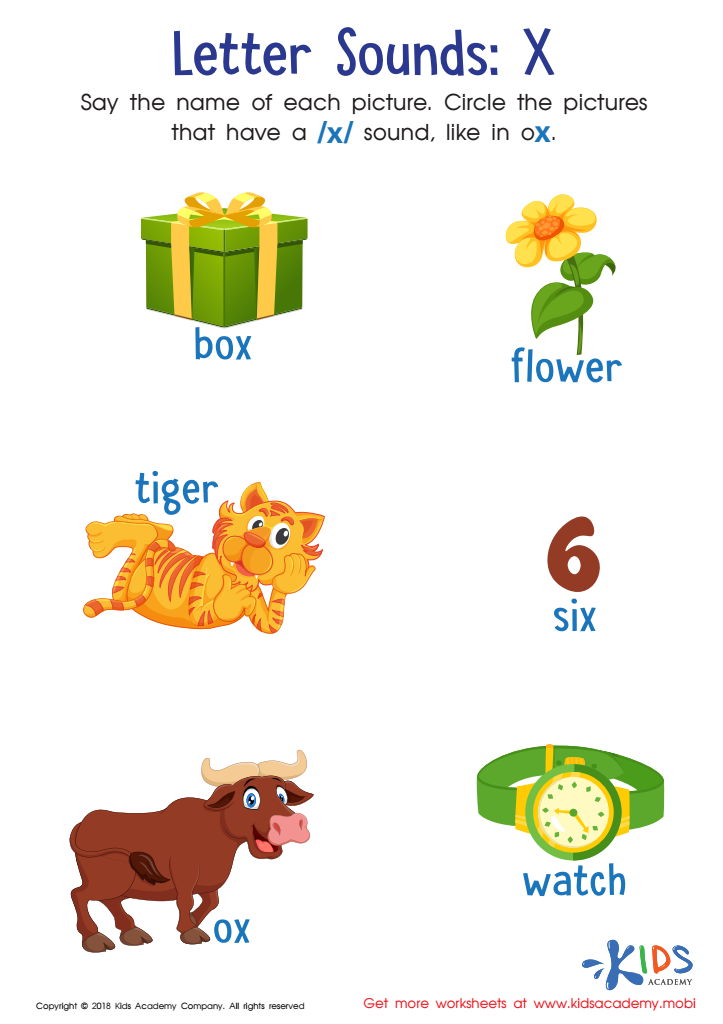
Letter X Sounds Worksheet
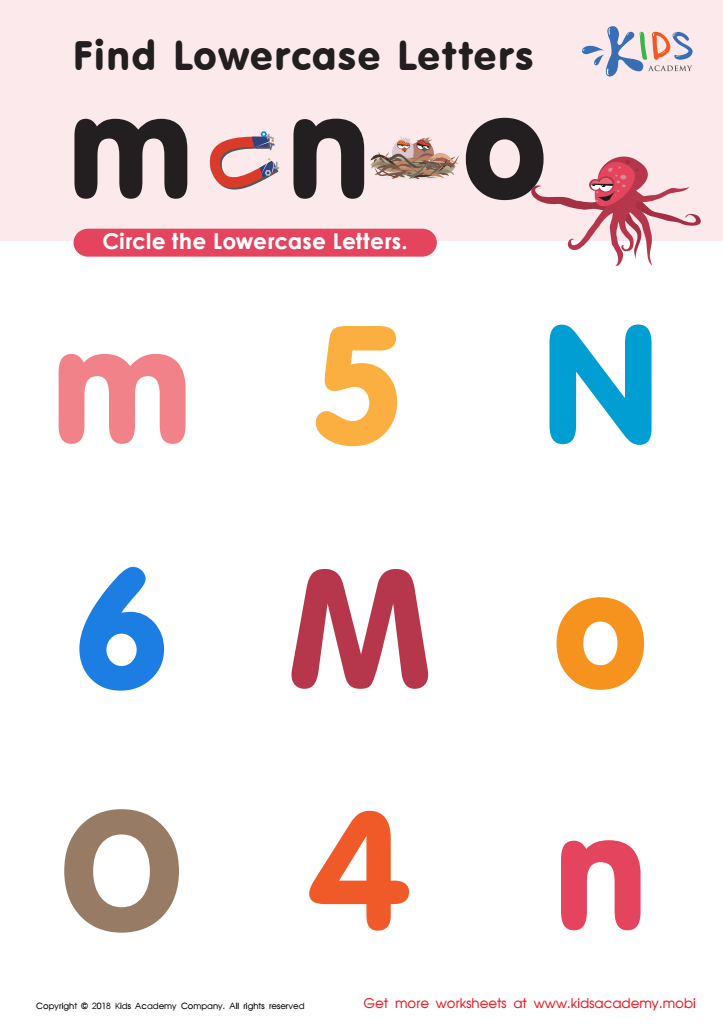
Find Lowercase Letters m n o Worksheet
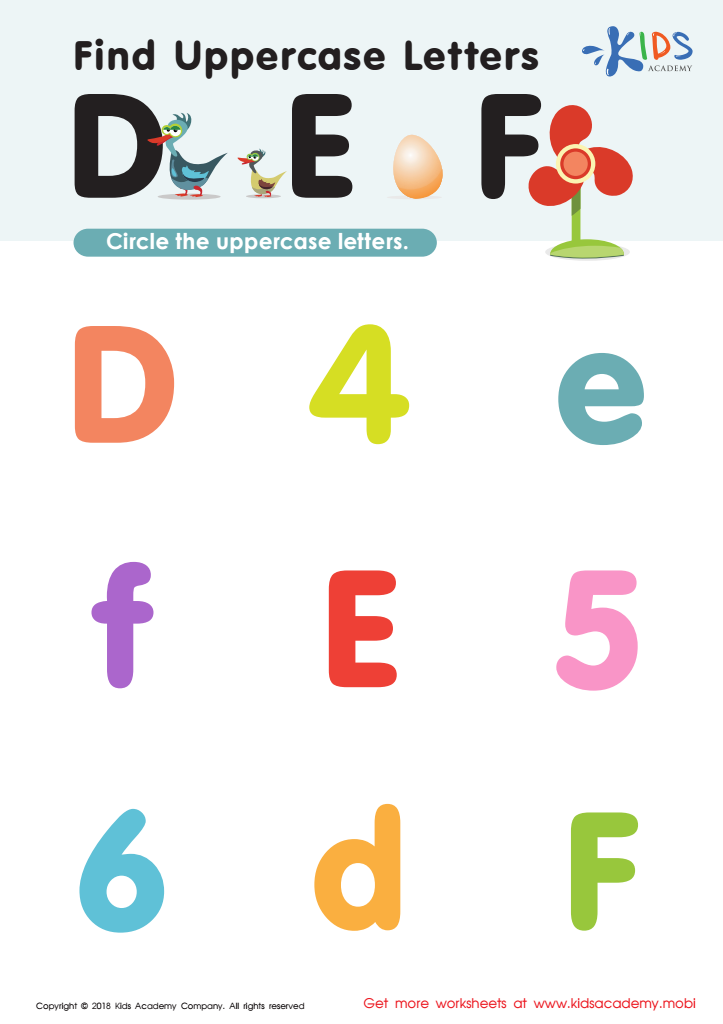
Find Uppercase Letters D, E, and F Worksheet
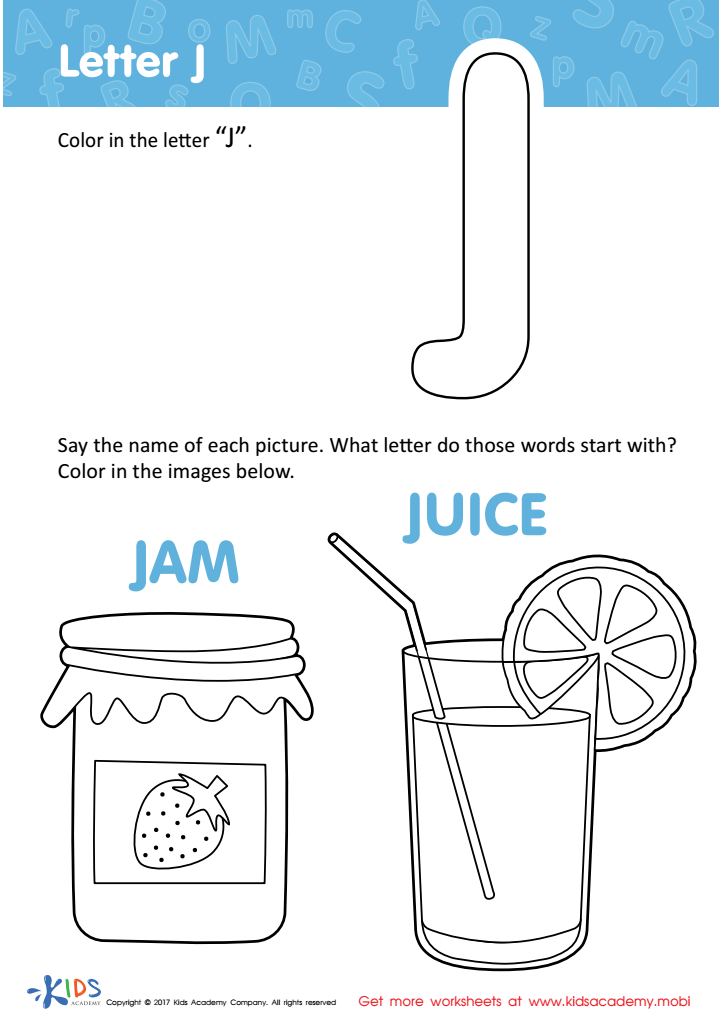
Letter J Coloring Sheet
Assign to My Students
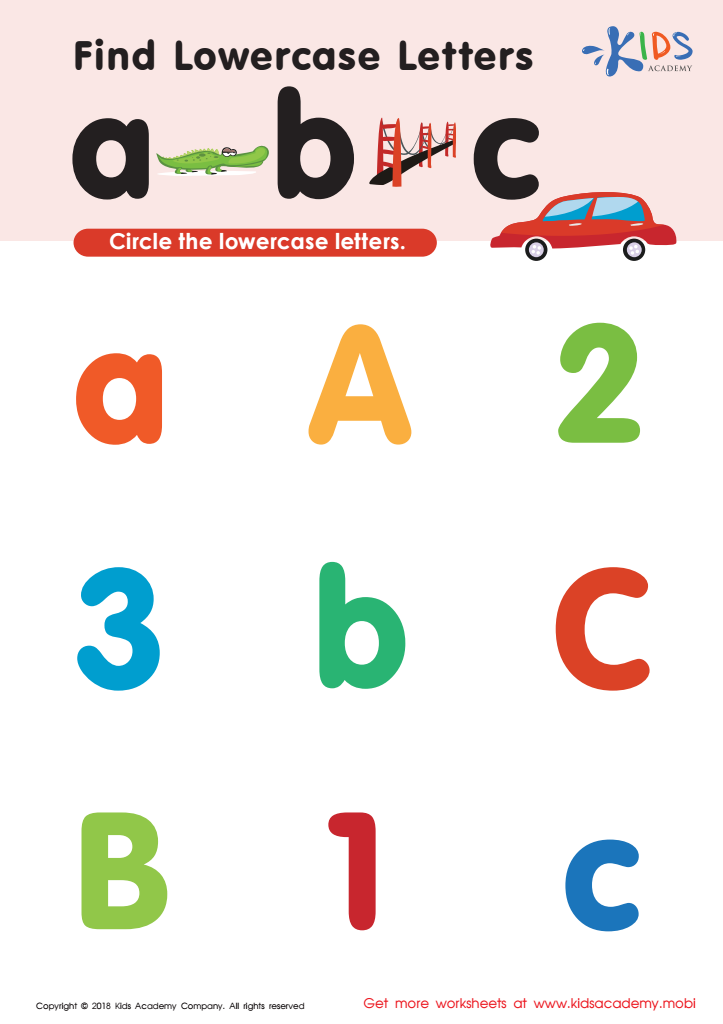
Find lowercase letters a b c Worksheet
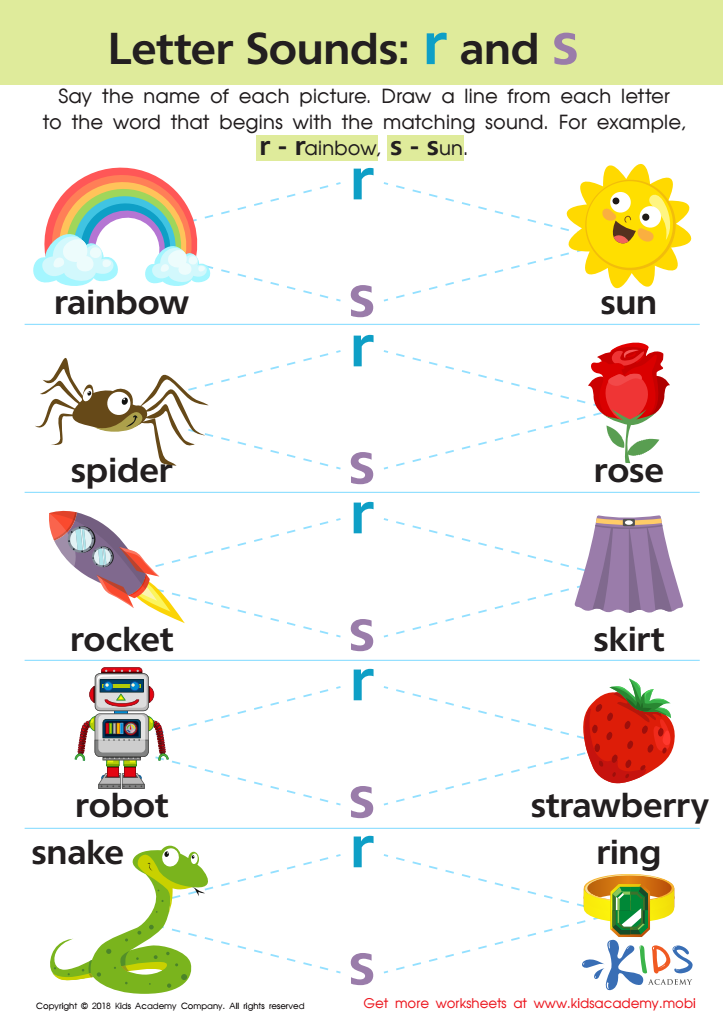
Letter R and S Sounds Worksheet
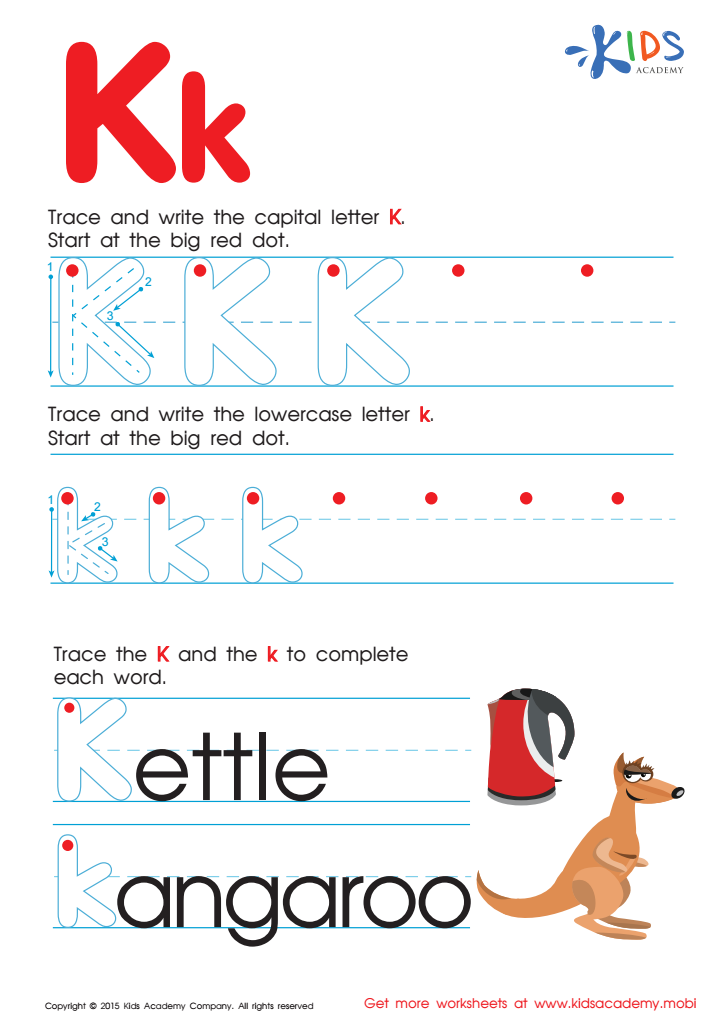
Letter K Tracing Page
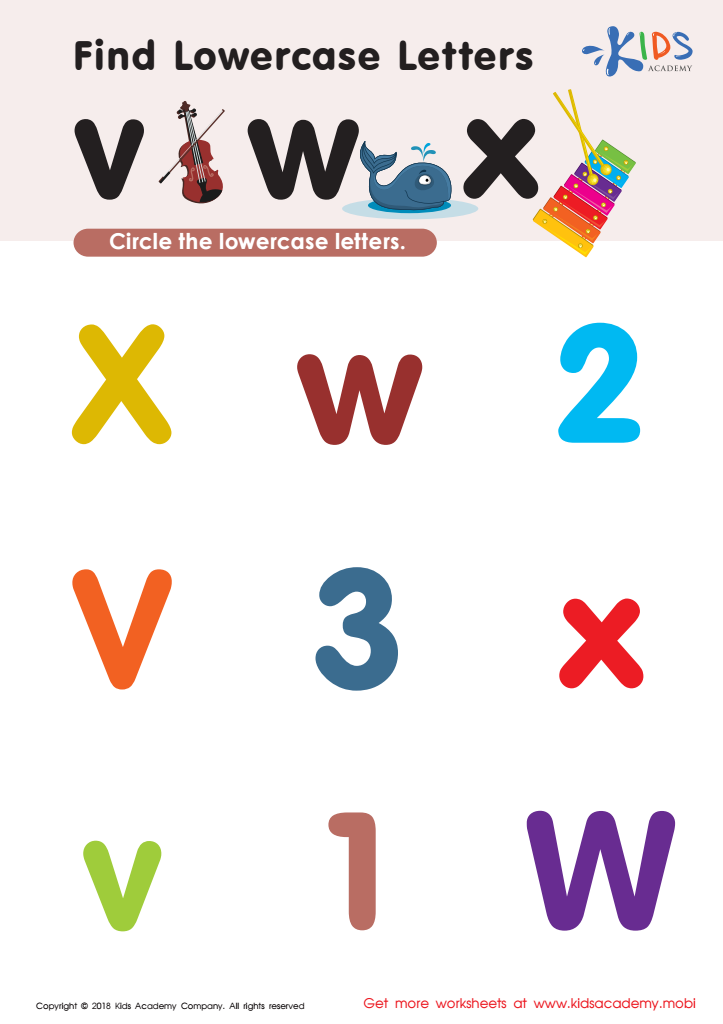
Find Lowercase Letters v w x Worksheet
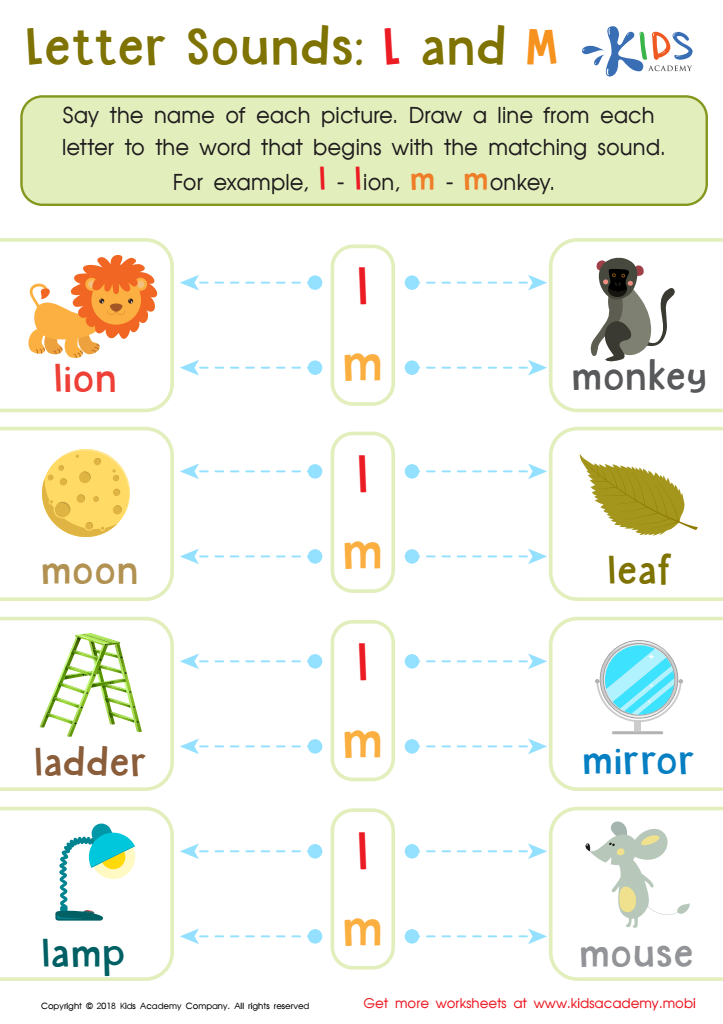
Letter l and M Sounds Worksheet
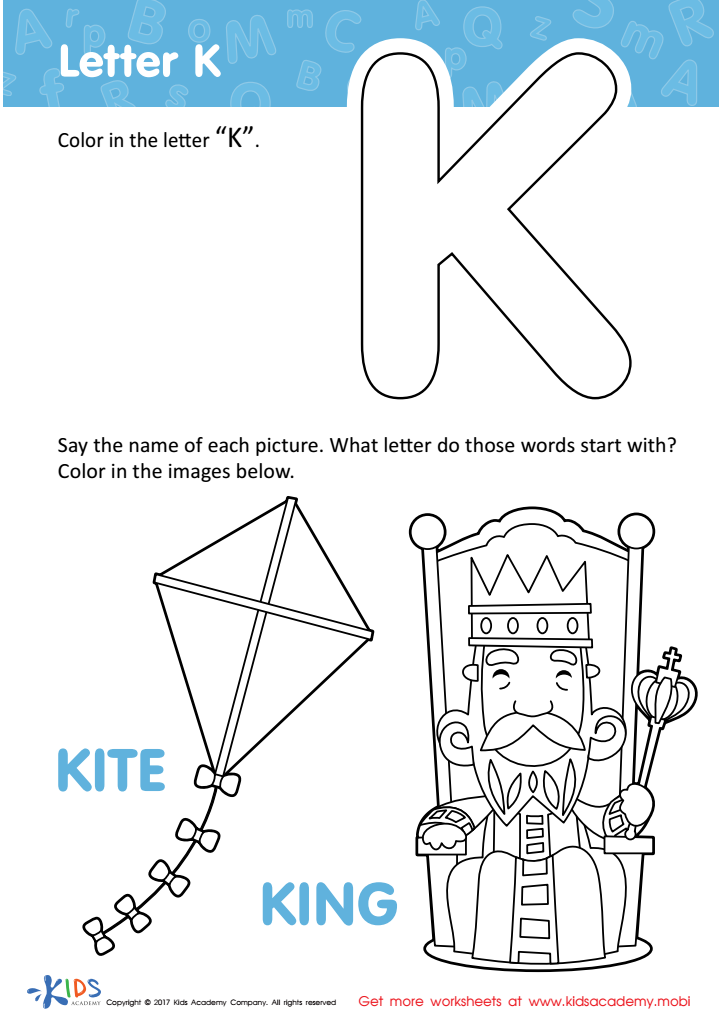
Letter K Coloring Sheet
Assign to My Students
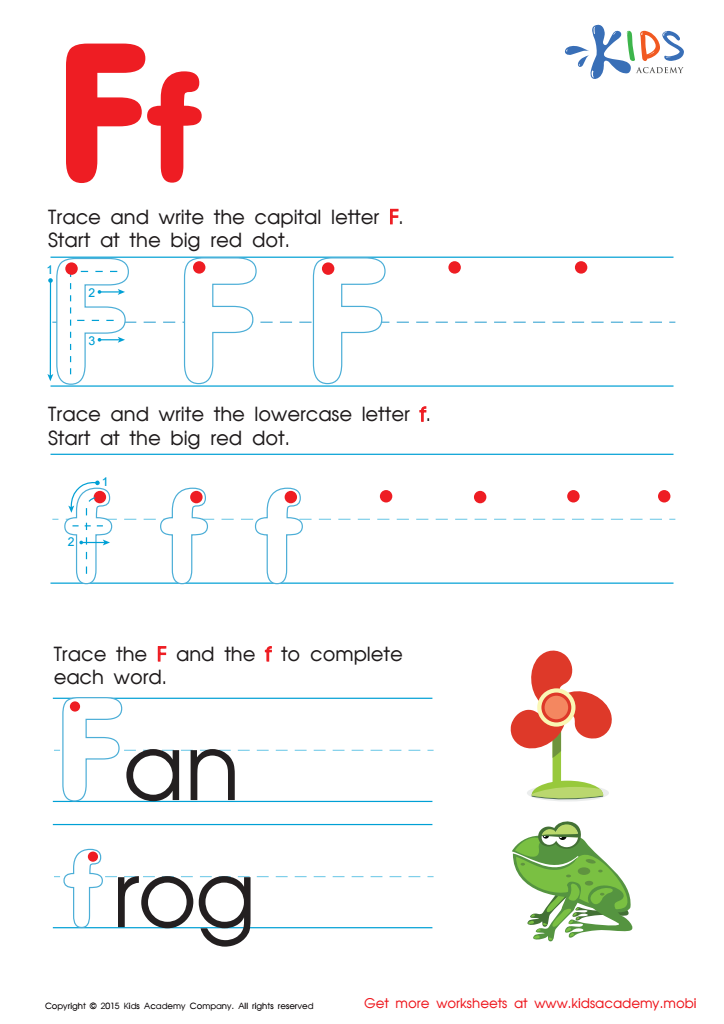
Letter F Tracing Page








Letter recognition is a critical milestone in the early education of children aged 3-5, and both parents and teachers should take active interest in nurturing this skill. At this developmental stage, children’s brains are rapidly growing and are especially receptive to learning foundational concepts that will aid their future academic success.
Developing letter recognition not only helps children in identifying individual letters visually but also builds the foundation for reading and writing. When a child can recognize letters, they can begin to understand that each letter has a corresponding sound. This phonemic awareness is crucial for decoding words, an essential skill for reading proficiency. Early mastery of the alphabet also helps children feel confident in their abilities, fostering a love for learning and a positive attitude toward school.
By age 3-5, children encounter letters in everyday contexts, such as storybooks, signs, and labels, offering teachable moments for parents and teachers. Using playful methods, like alphabet puzzles, songs, and interactive reading, young learners can associate letters with fun, encouraging engagement and retention.
Therefore, focusing on letter recognition supports a child’s cognitive and language development while laying the groundwork for literacy. By caring about this fundamental learning milestone, parents and teachers foster not only educational success but also a lifelong passion for reading and knowledge.







