Sound recognition Normal Alphabet Worksheets for Ages 3-5
4 filtered results
-
From - To
Introduce your little learners to the world of sound recognition with our engaging Normal Alphabet Worksheets, specifically designed for ages 3-5. These worksheets provide playful activities that help children connect letters with their corresponding sounds, fostering early reading skills. Incorporating fun illustrations and interactive tasks, our resources ensure a captivating learning experience. Each worksheet promotes phonemic awareness, encouraging kids to identify letter sounds through vibrant images and engaging exercises. Perfect for homeschooling or in-class activities, these sound recognition worksheets lay a strong foundation for literacy development. Download your printable worksheets today and watch your child's confidence grow as they master the alphabet!
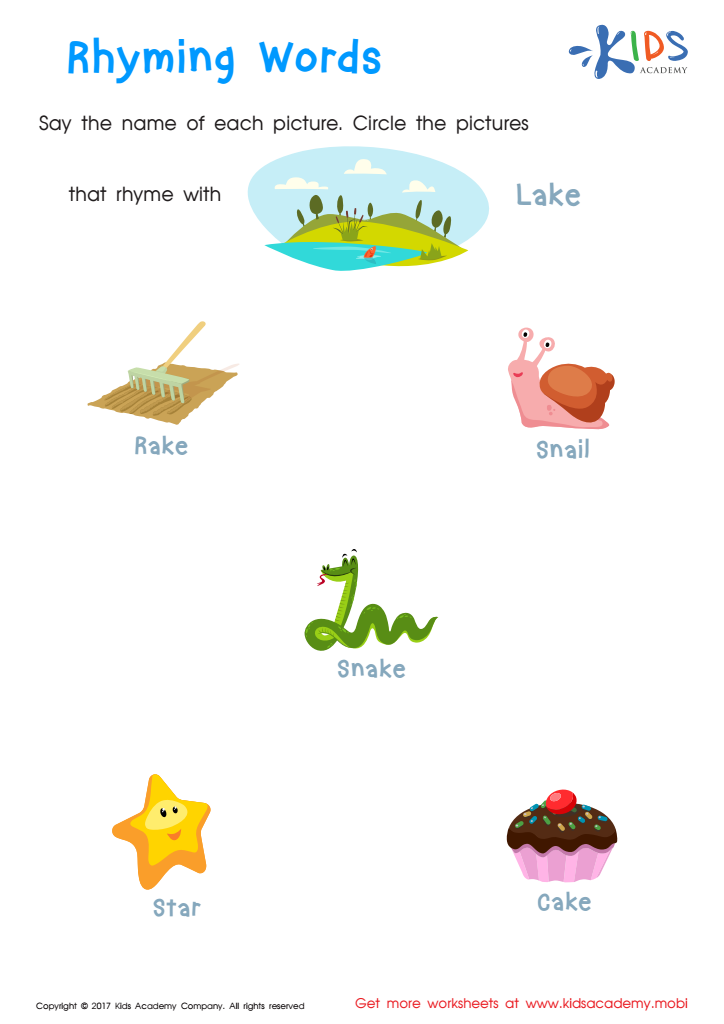
Rhyming Words Rhyming Worksheet

Long and Short U Worksheet
 Assign to My Students
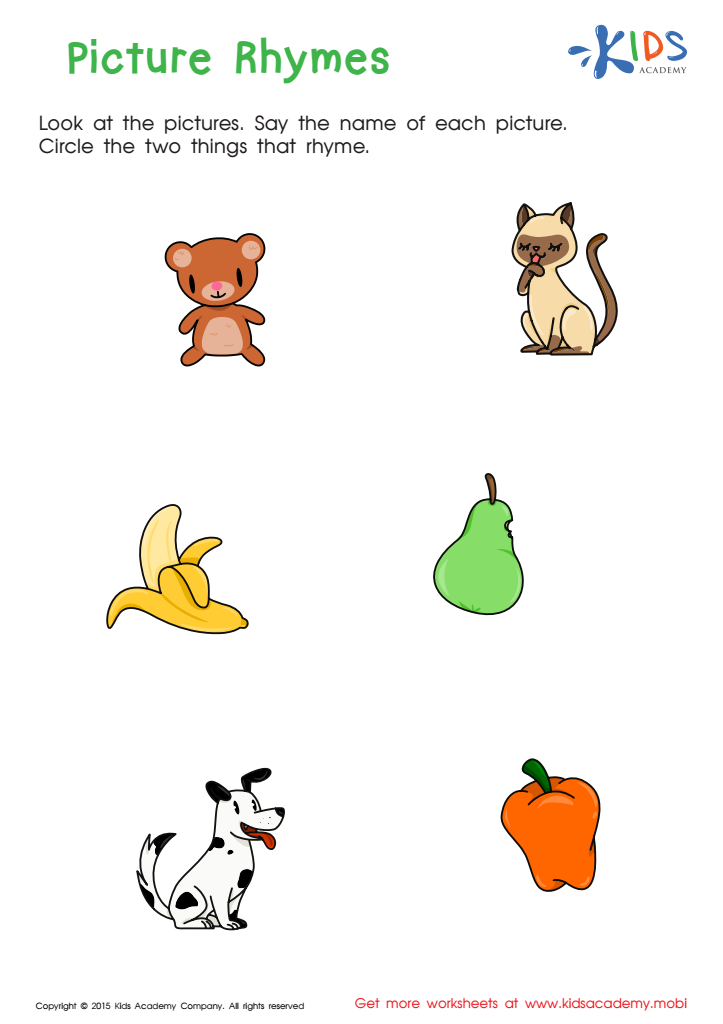
First Words: Picture Rhymes Worksheet
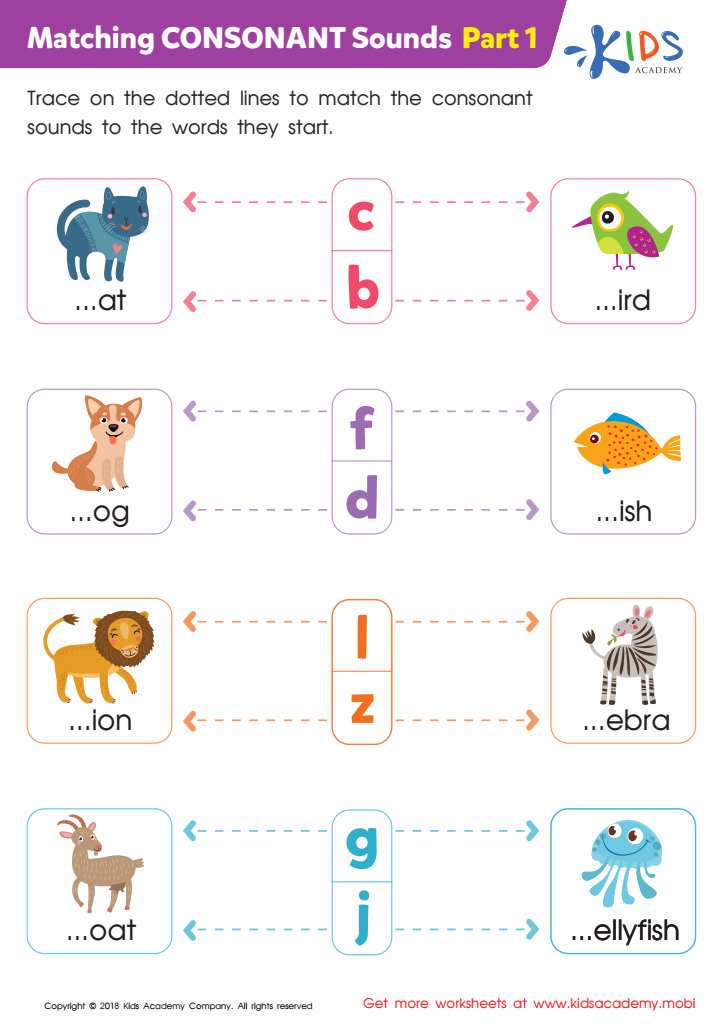
Matching Consonant Sounds: Part 1 Worksheet








Sound recognition of the normal alphabet is a critical developmental milestone for children aged 3 to 5. During these formative years, toddlers and preschoolers begin to explore language and literacy concepts. Engaging them in sound recognition helps to establish a strong foundation for reading and writing skills. Recognizing sounds associated with each letter not only promotes phonemic awareness but also enhances cognitive skills, including memory and auditory processing.
Parents and teachers play a vital role in fostering this ability through interactive and playful activities. By integrating sound recognition into everyday learning, such as through songs, rhymes, and games, children not only enjoy the process but begin to make connections between spoken language and written form. This early exposure is crucial, as studies show that children who develop strong phonemic awareness by age five are more likely to succeed in reading later on.
Additionally, sound recognition contributes to broader communication skills, boosting confidence in verbal expression. When children learn to identify and manipulate sounds within words, they become better equipped to decode unfamiliar words as they encounter them. Thus, prioritizing sound recognition in young learners sets the stage for a lifetime of literacy and learning, making it imperative for parents and educators to prioritize.







