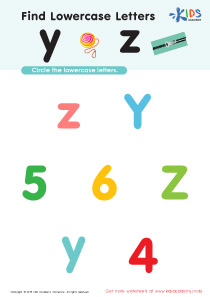
Handwriting practice Normal Uppercase Letters Worksheets for Ages 3-5
6 filtered results
-
From - To
Discover our engaging "Handwriting Practice Normal Uppercase Letters Worksheets" designed specifically for children aged 3-5. These worksheets provide a fun and interactive way for young learners to develop their handwriting skills while mastering the uppercase alphabet. Each worksheet features clear letter examples and ample space for practice, promoting fine motor skills and letter recognition. Perfect for home or classroom use, these resources encourage creativity and confidence as children learn to write neatly. Help your early learners establish a solid foundation in writing with our thoughtfully crafted worksheets, ensuring an enjoyable learning experience that paves the way for literacy success!
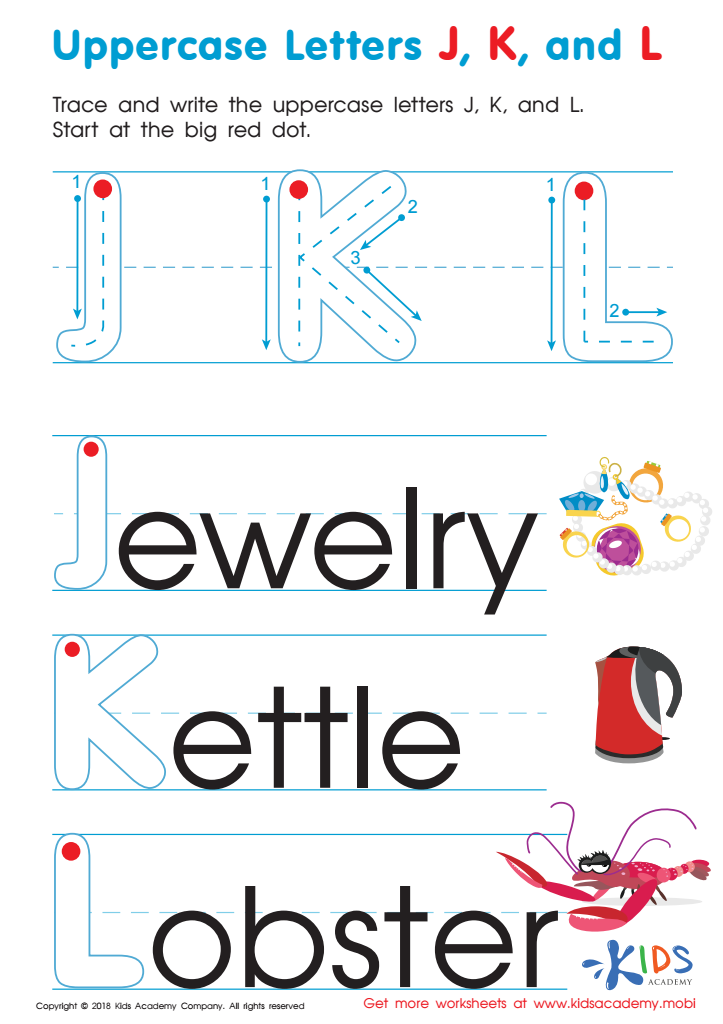
Uppercase Letters J, K, and L Worksheet
 Assign to My Students
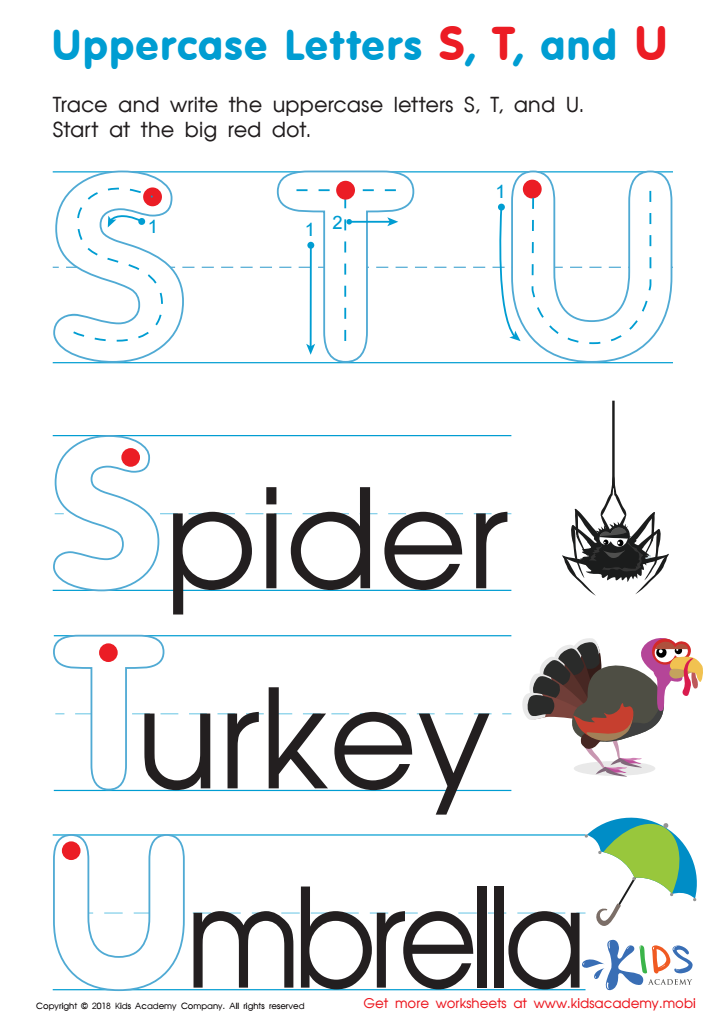
Uppercase Letters S, T, and U Worksheet
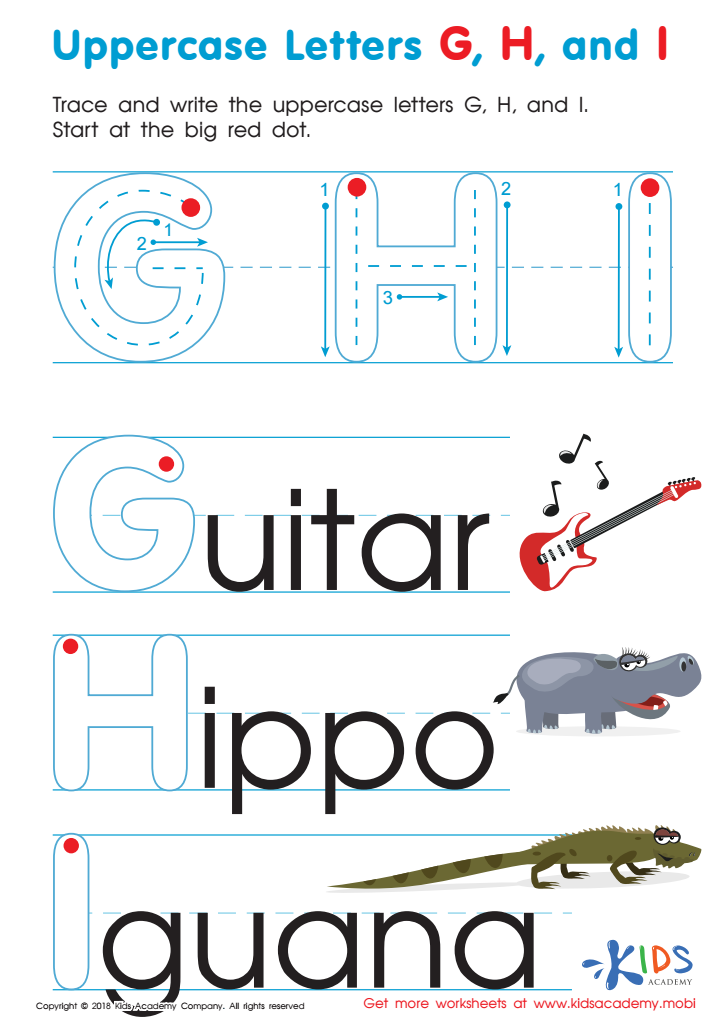
Uppercase Letters G, H, and I Worksheet
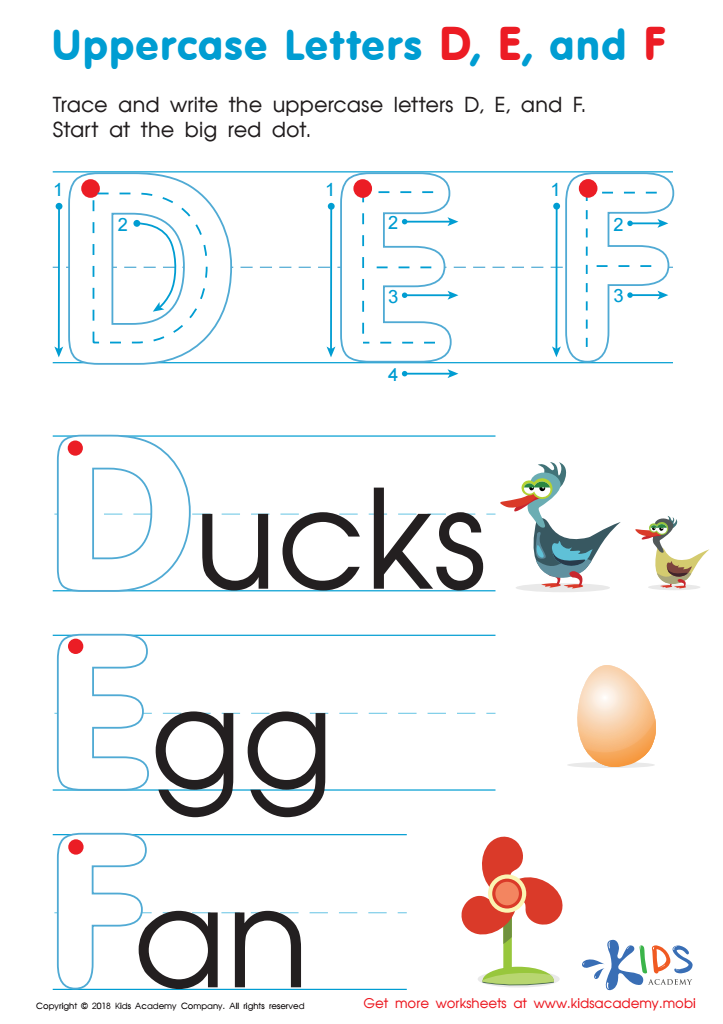
Uppercase Letters D, E, and F Worksheet
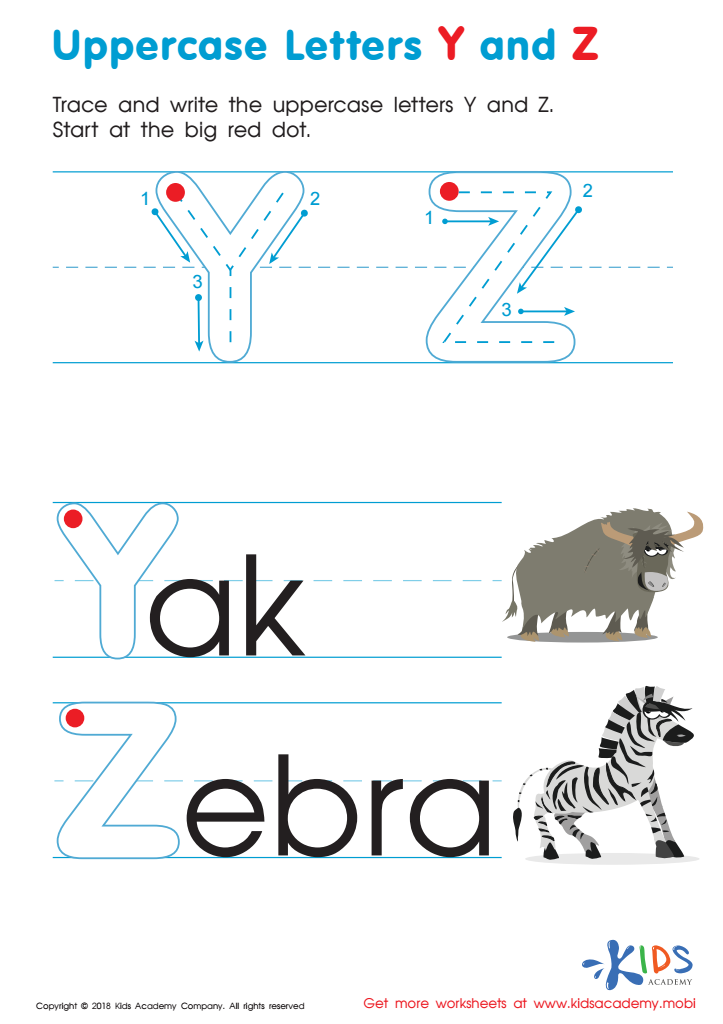
Uppercase Letters Y Z Worksheet
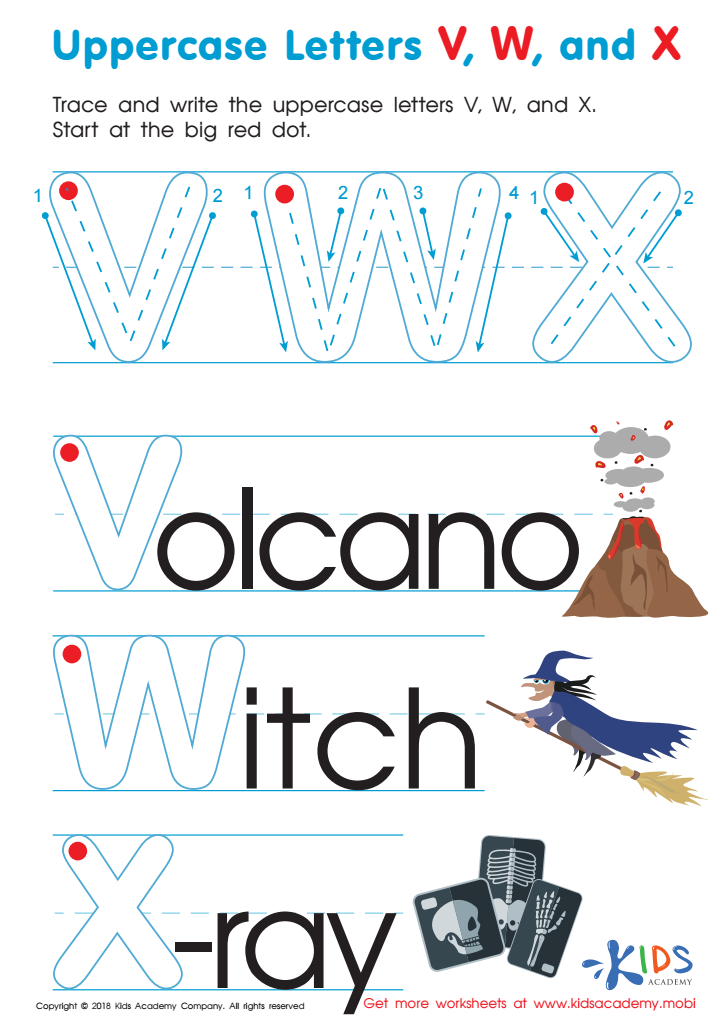
Uppercase Letters V, W, and X Worksheet








Handwriting practice for normal uppercase letters is essential for children aged 3-5 for several reasons. Firstly, it helps develop fine motor skills, which are crucial for many tasks in life, such as using scissors, buttoning shirts, and typing on a keyboard. By controlling a writing instrument, young children strengthen the small muscles in their fingers and hands, laying the groundwork for future writing and coordination skills.
Secondly, practicing uppercase letters fosters early literacy development. Recognizing, forming, and writing letters enhances children’s understanding of the alphabet, increases their phonemic awareness, and contributes to building strong reading and writing foundations. During this stage, children are often keen observers and learners; regular exposure to letter formation can solidify their knowledge and understanding.
Additionally, mastering uppercase letters can boost children's confidence. As they successfully write each letter, they experience a sense of accomplishment that encourages them to express themselves through writing.
Finally, handwriting practice encourages cognitive development by improving focus, memory, and hand-eye coordination. Teachers and parents play a crucial role in engaging children in these activities, making handwriting enjoyable through interactive games and creative projects. Altogether, these benefits underscore the importance of early handwriting practice in shaping future learning successes.