Alphabet Recognition Normal Worksheets for Ages 3-5
42 filtered results
-
From - To
Discover our Alphabet Recognition Normal Worksheets designed specifically for children aged 3-5! These engaging resources help young learners identify letters and start their journey into reading and writing. Featuring vibrant illustrations and fun activities, our worksheets make learning the alphabet enjoyable and interactive. Kids will practice letter recognition through tracing, matching games, and color-by-letter exercises, fostering essential skills in early literacy. Whether at home or in the classroom, these worksheets provide a structured yet playful approach to mastering the alphabet. Download and start your child’s learning adventure today with our printable worksheets, perfect for nurturing early educational growth!
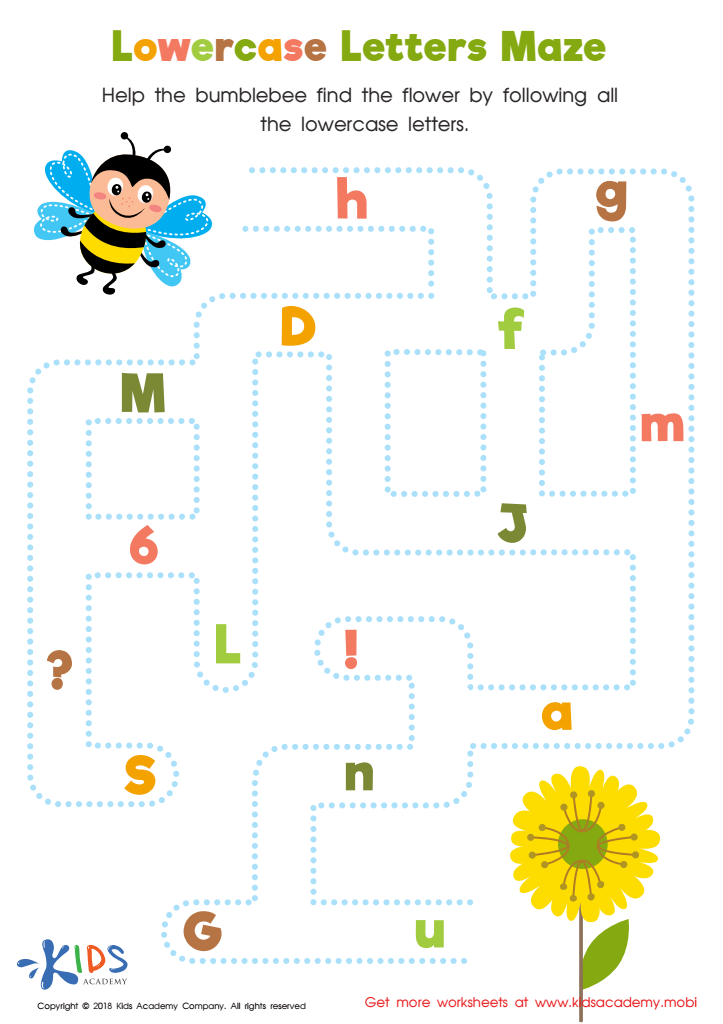
Lowercase Letters Maze Worksheet
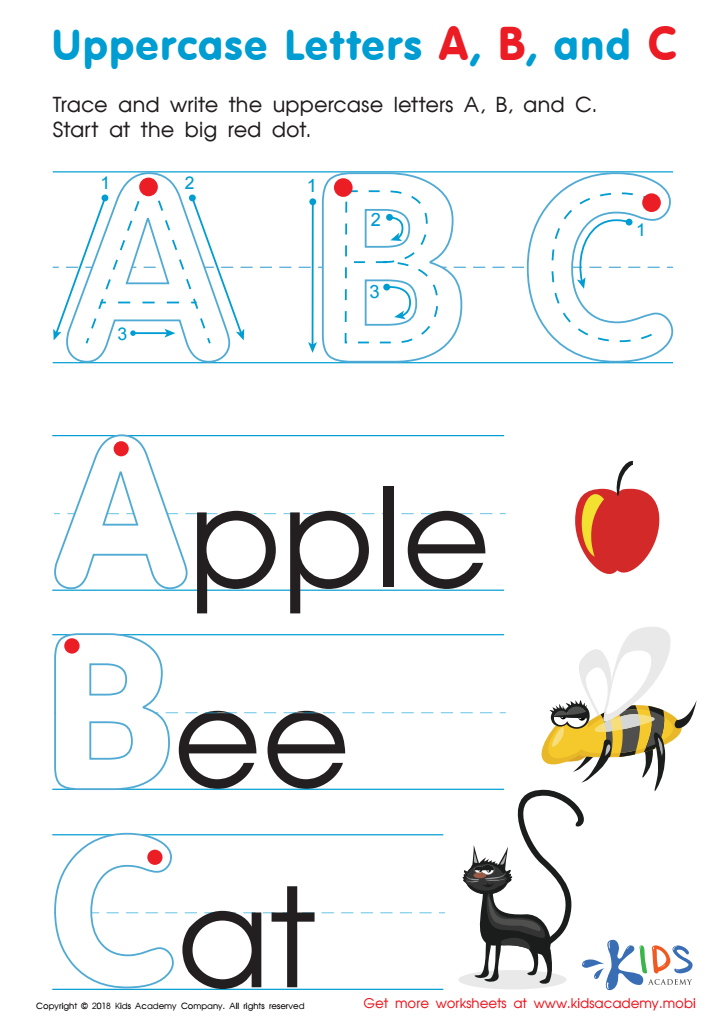
Uppercase Letters A, B, and C Worksheet
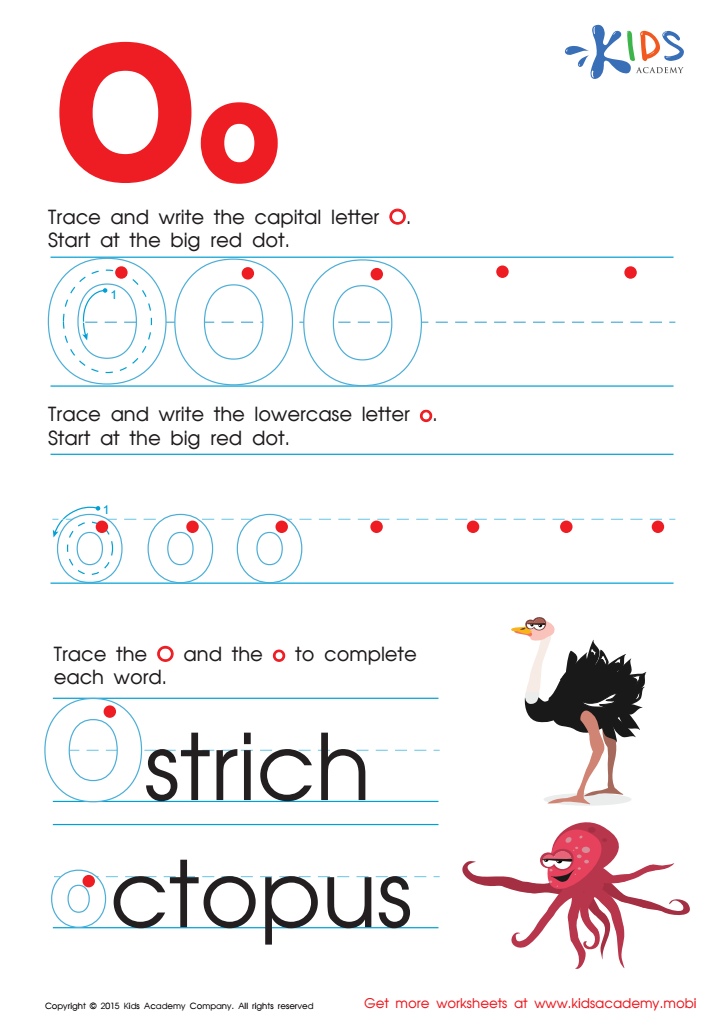
Letter O Tracing Page
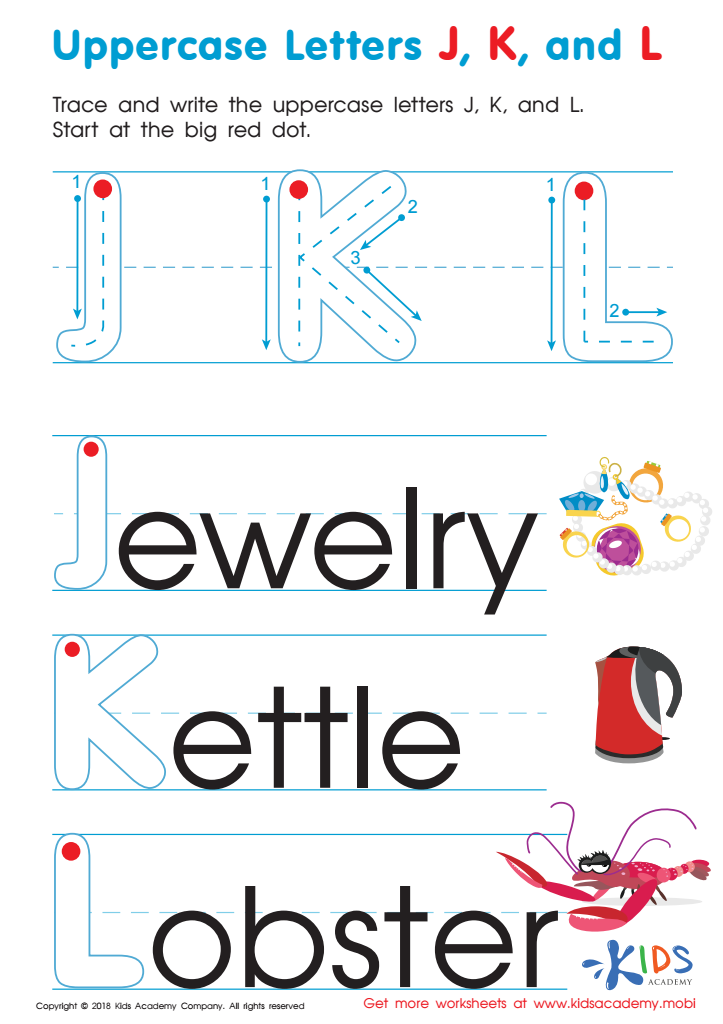
Uppercase Letters J, K, and L Worksheet
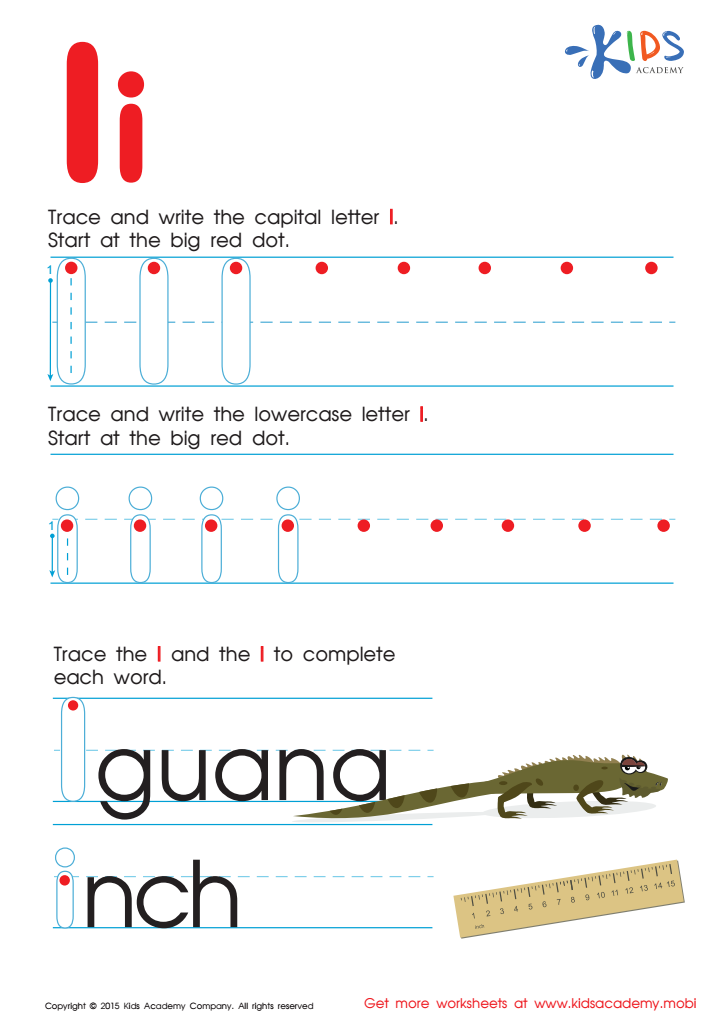
Letter I Tracing Page
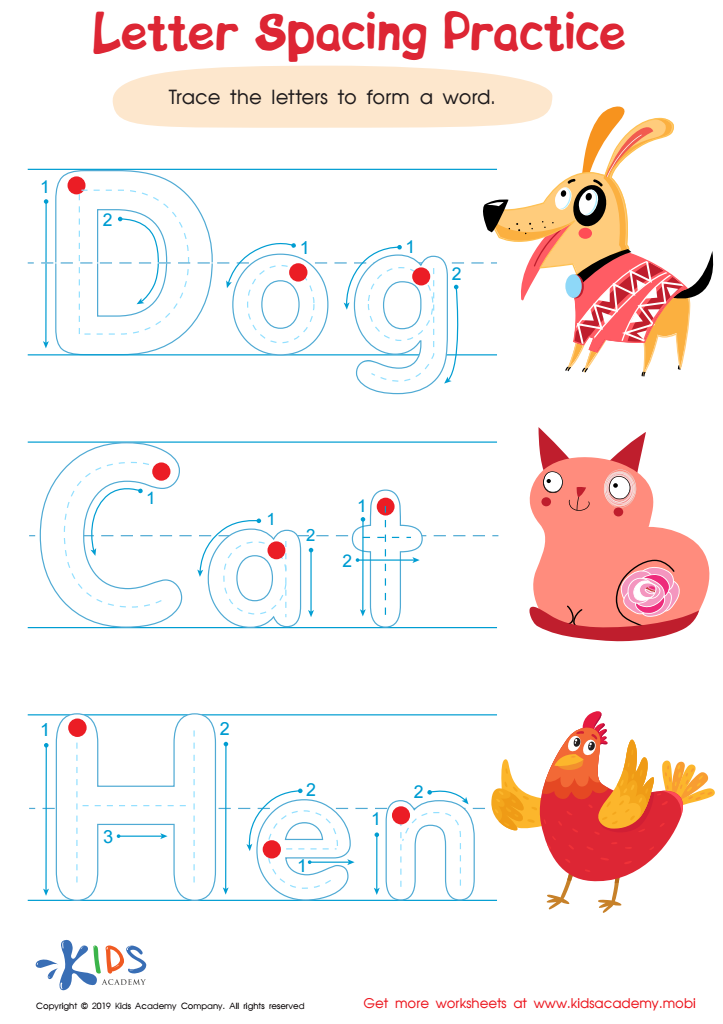
Letter Spacing Practice Worksheet
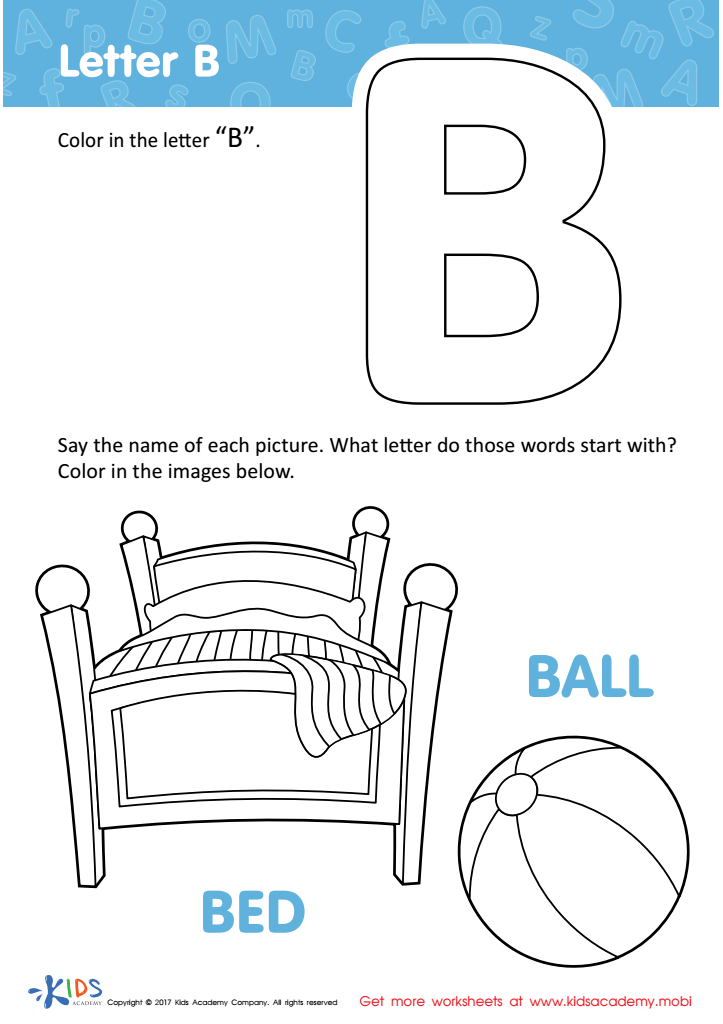
Letter B Coloring Sheet
 Assign to My Students
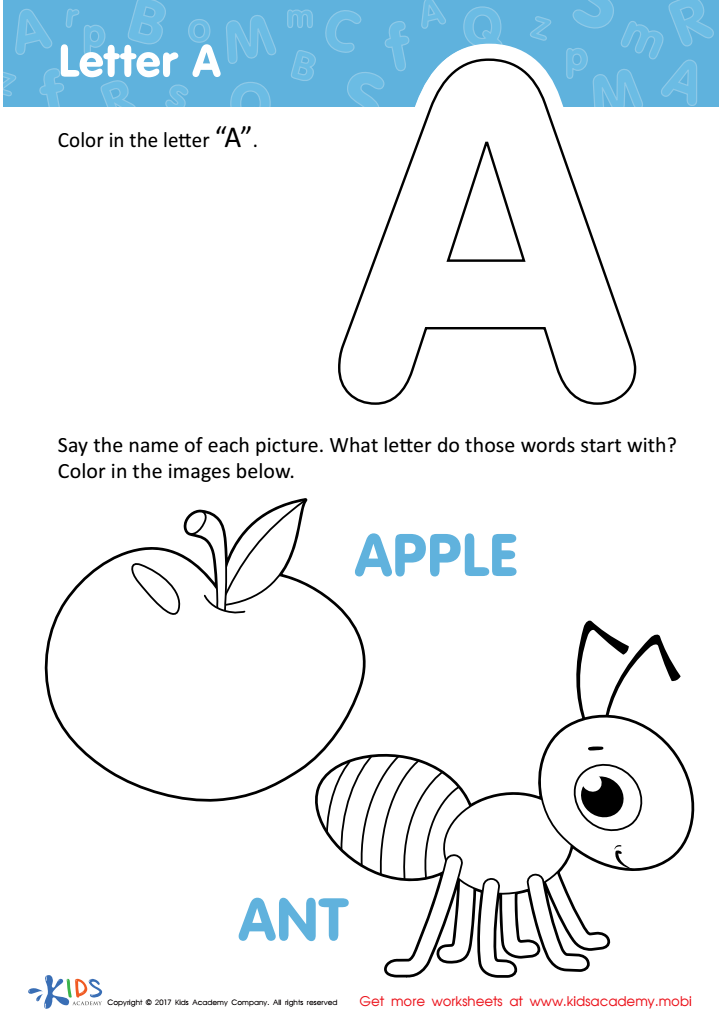
Letter A Coloring Sheet
Assign to My Students
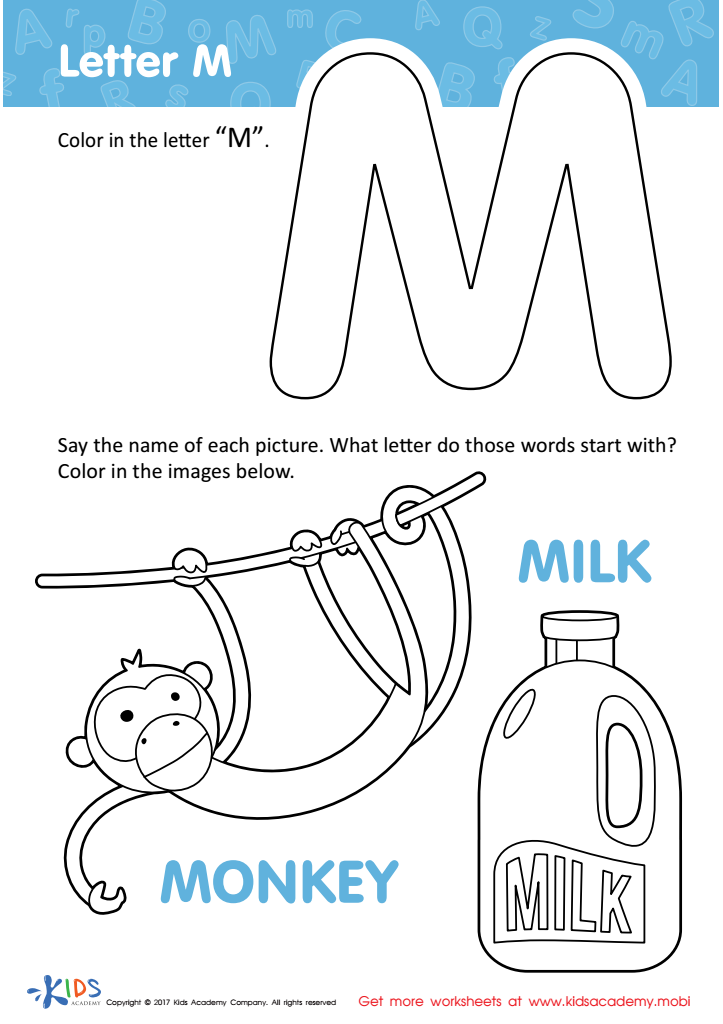
Letter M Coloring Sheet
Assign to My Students
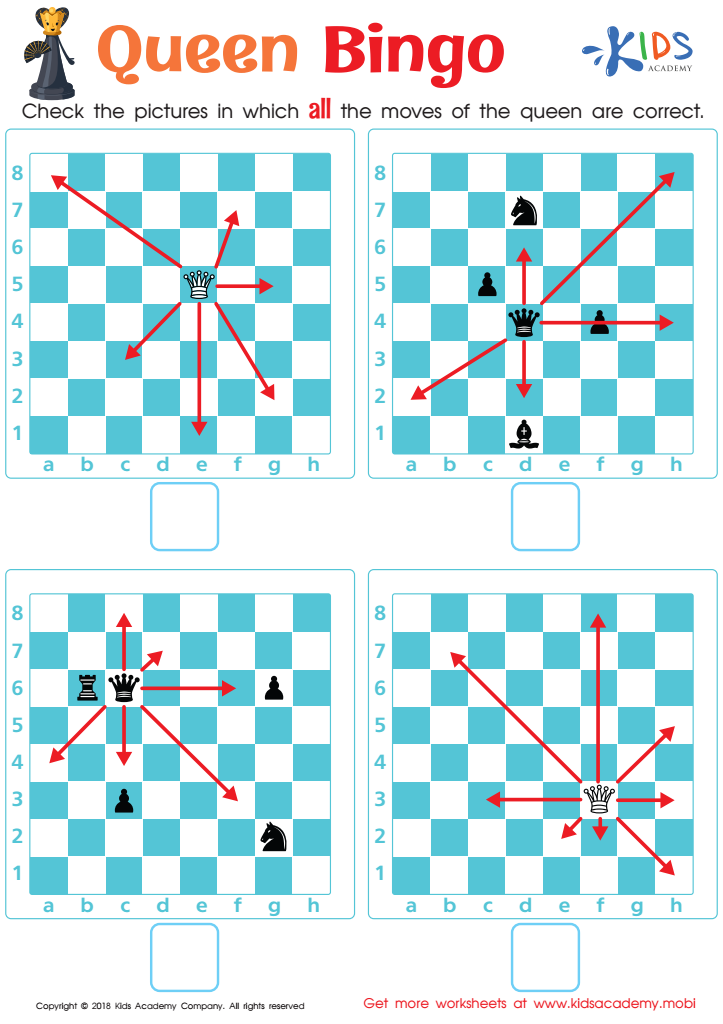
Queen Bingo Worksheet
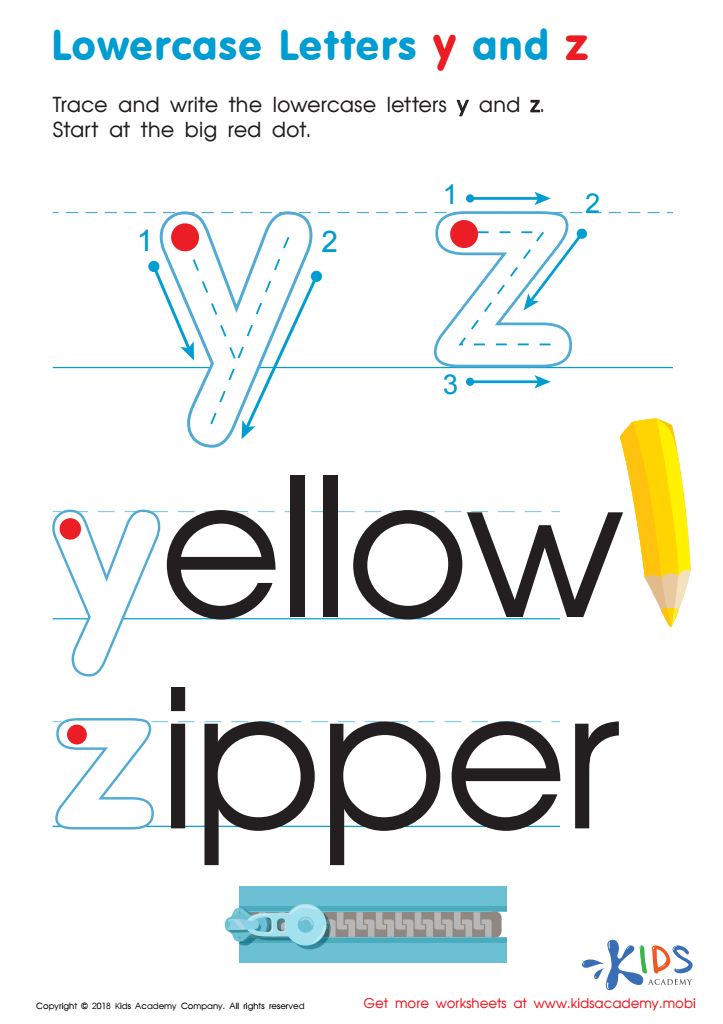
Lowercase Letters y z Worksheet
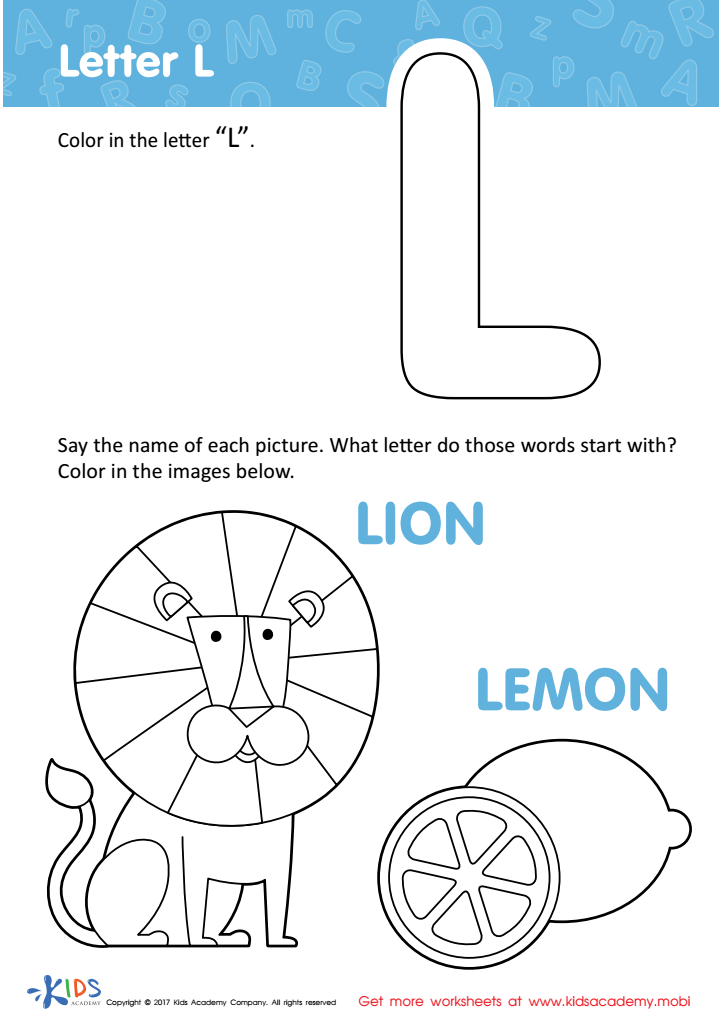
Letter L Coloring Sheet
Assign to My Students
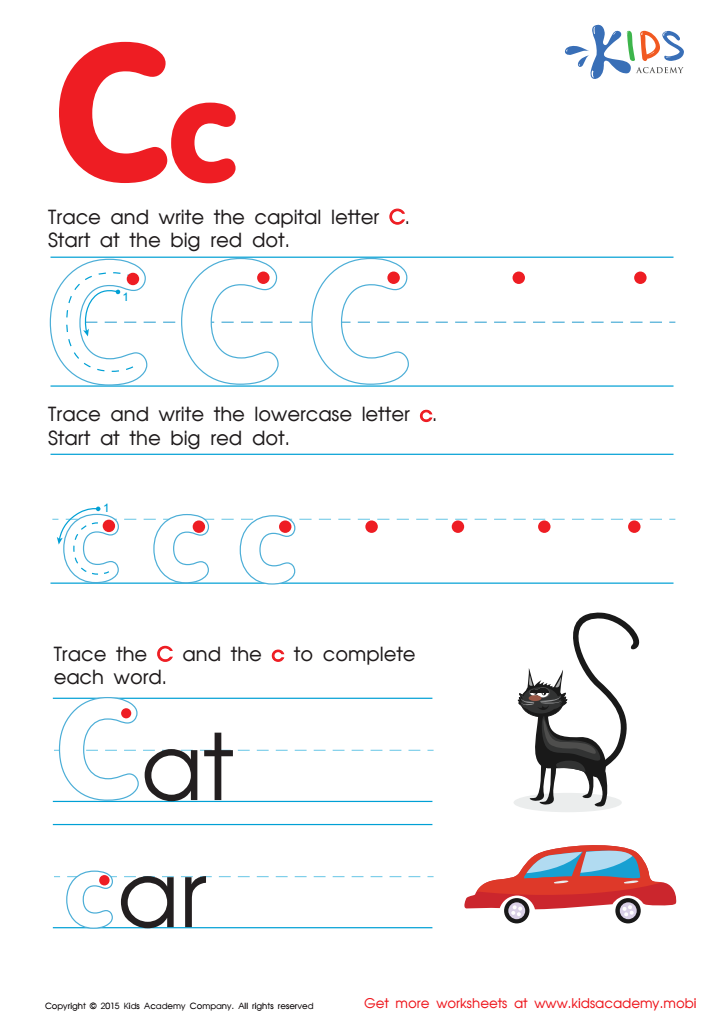
Letter C Tracing Page
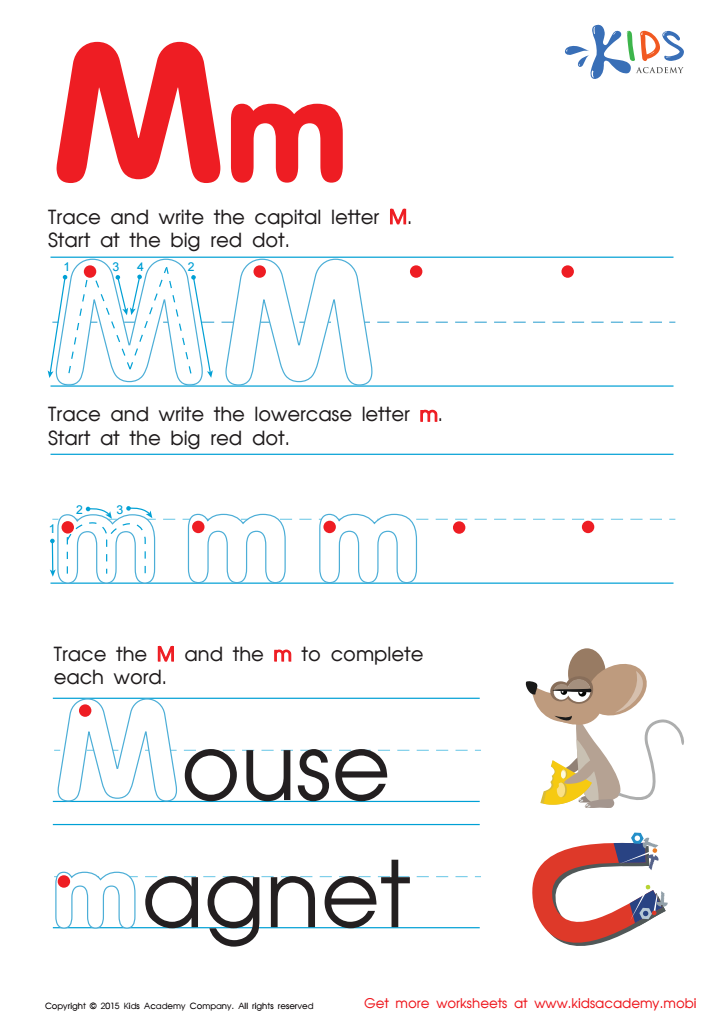
Letter M Tracing Page
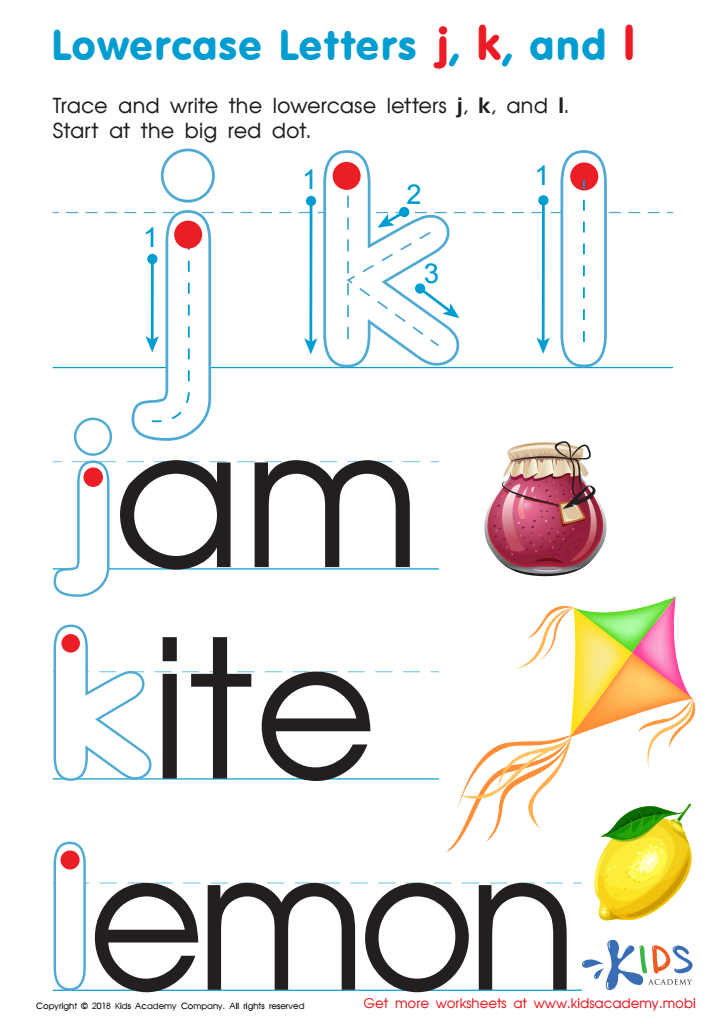
Lowercase Letters j k l Worksheet
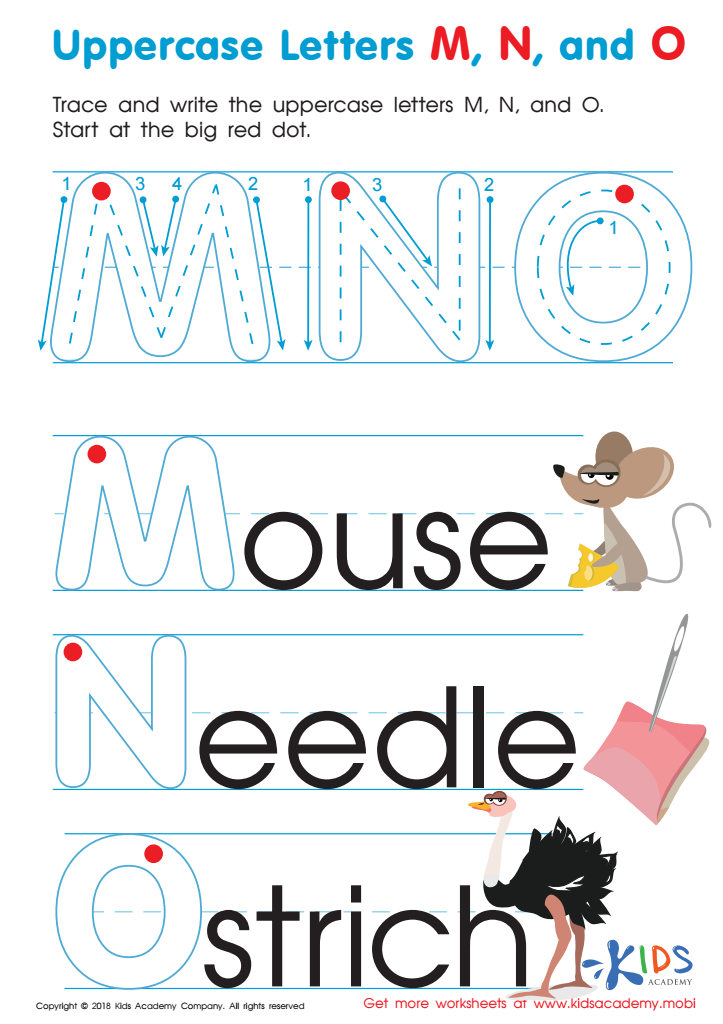
Uppercase Letters M, N, and O Worksheet
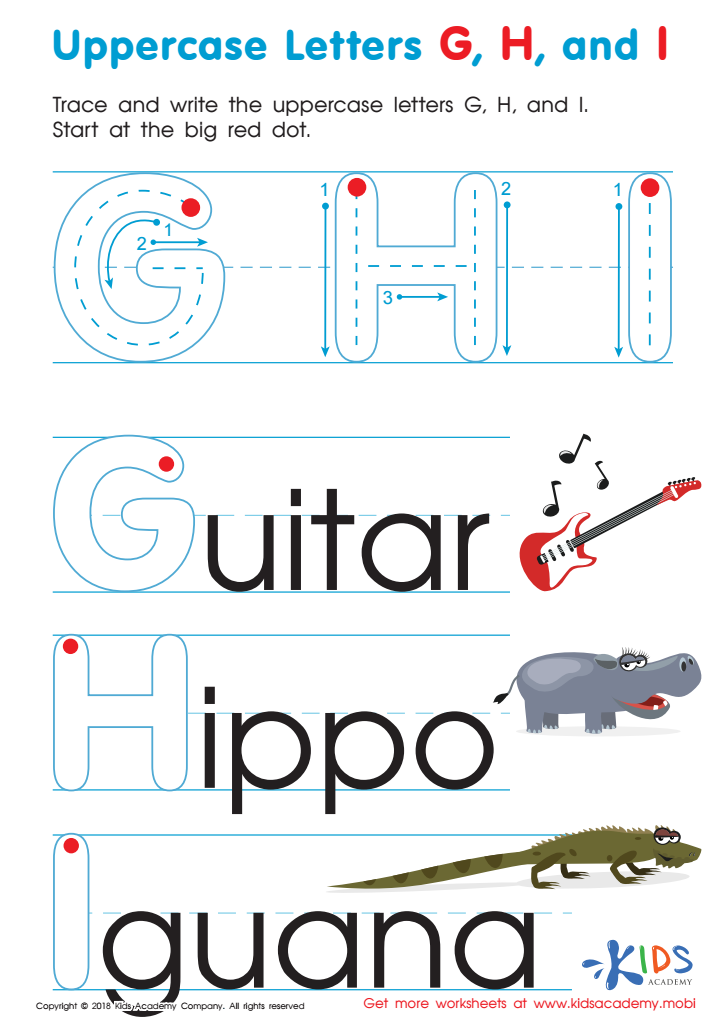
Uppercase Letters G, H, and I Worksheet
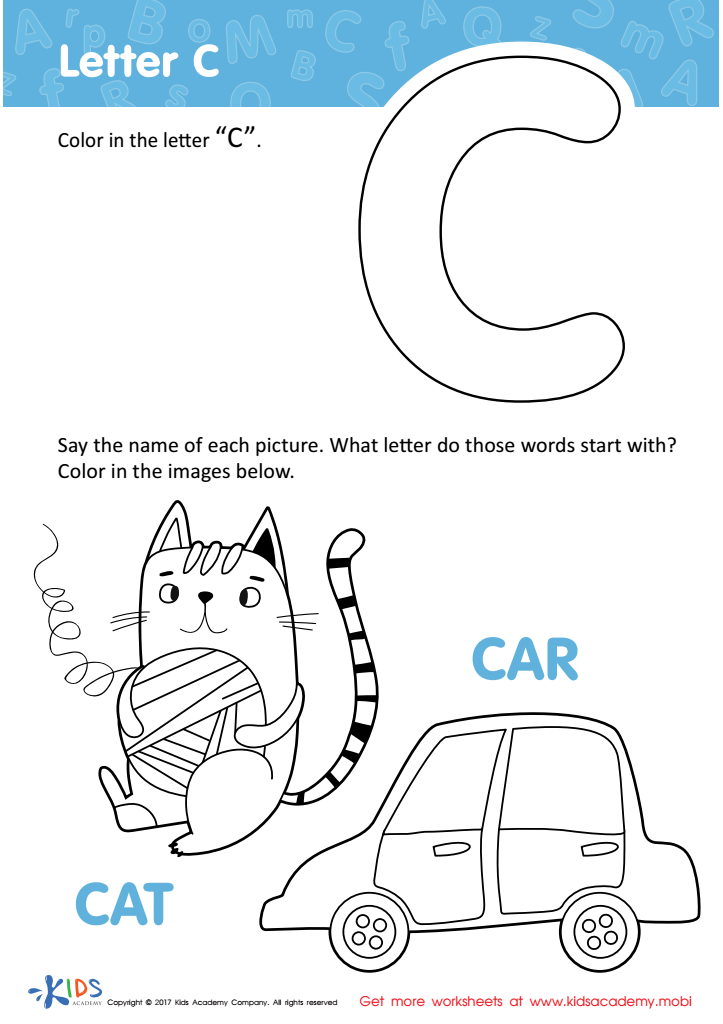
Letter C Coloring Sheet
Assign to My Students

Letter J Tracing Page
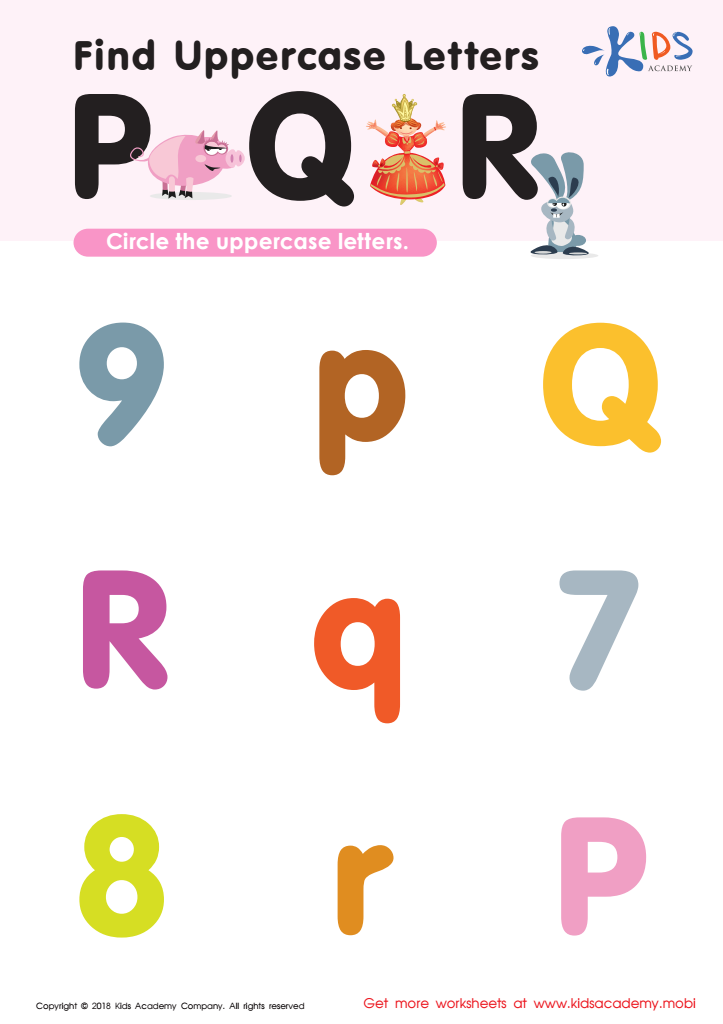
Find Uppercase Letters P, Q, and R Worksheet
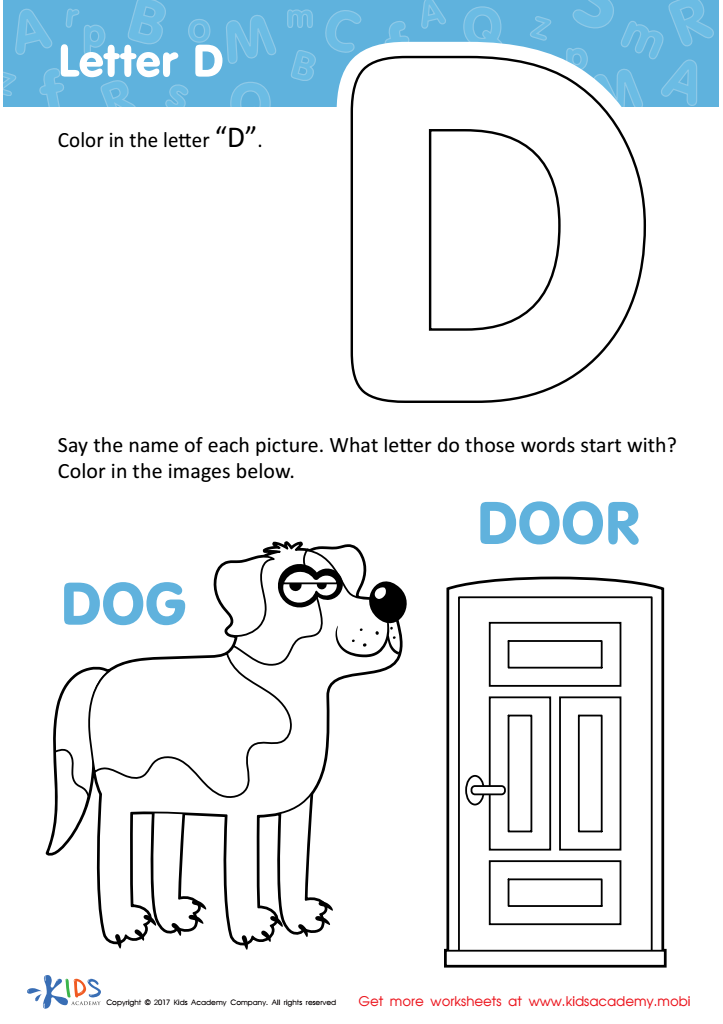
Letter D Coloring Sheet
Assign to My Students
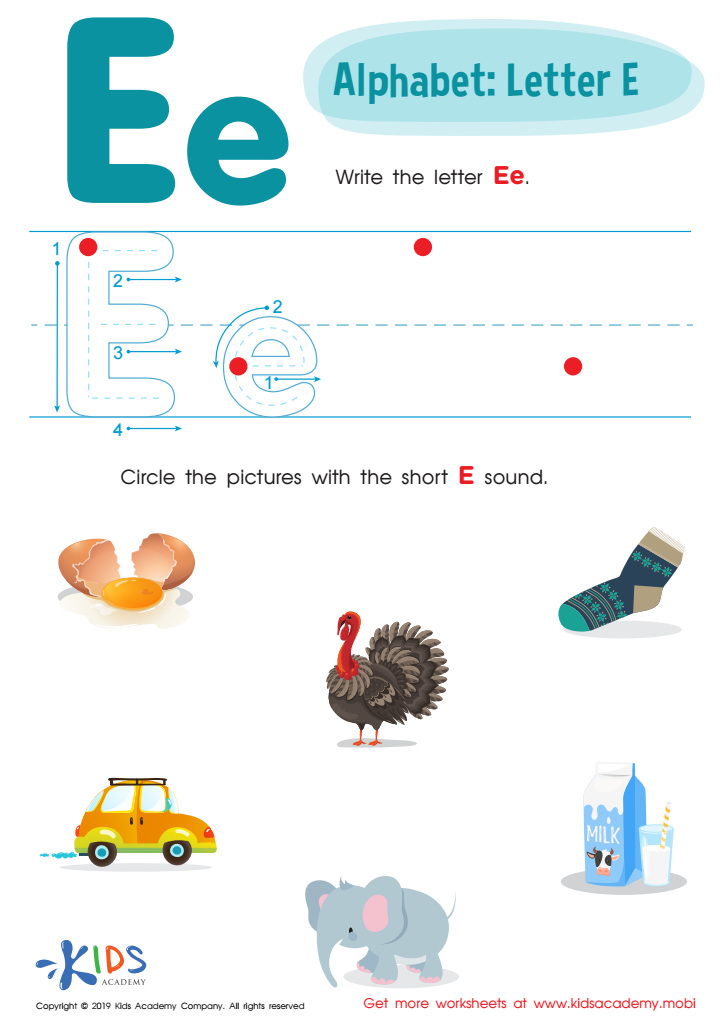
Letter E Tracing Worksheet
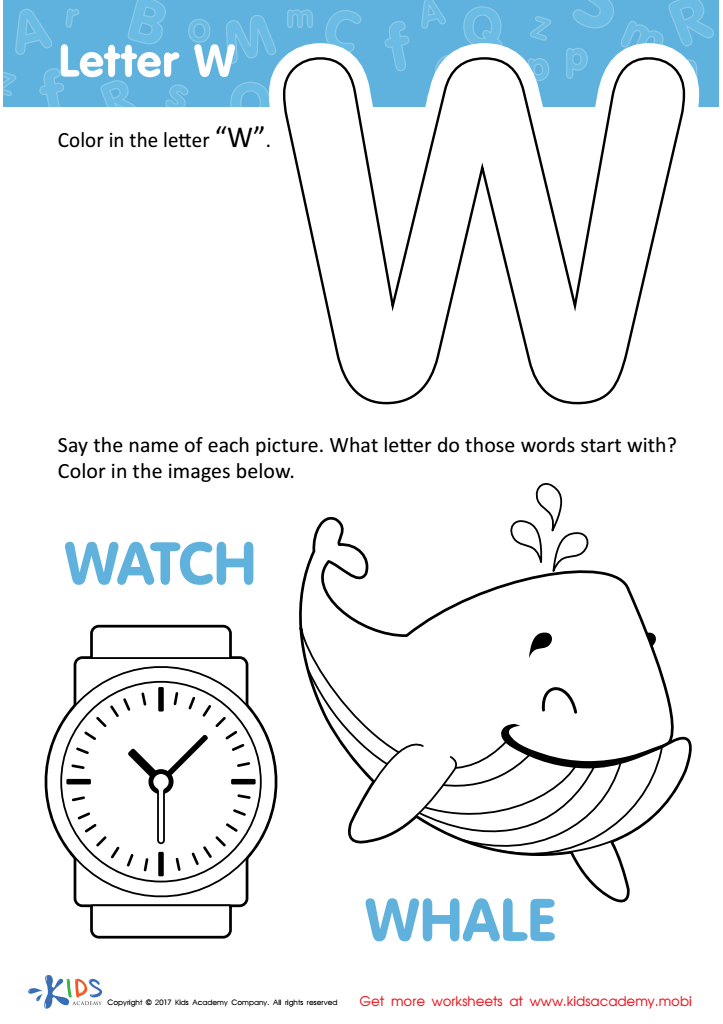
Letter W Coloring Sheet
Assign to My Students

Letter O Coloring Sheet
Assign to My Students








Alphabet recognition is a critical skill for children aged 3-5, forming the foundation for literacy and academic success. Understanding letters allows young learners to connect sounds to symbols, which is essential for reading and writing. When parents and teachers prioritize alphabet recognition, they support a child's early language development and cognitive skills.
By fostering alphabet recognition, caregivers also nurture children’s confidence and curiosity. Engaging with letters through games, songs, and stories can make learning enjoyable, encouraging children to explore language further. This foundational knowledge enhances their ability to express thoughts and ideas, paving the way for future literacy skills.
Moreover, early recognition of the alphabet is linked to improved performance in school. When children enter kindergarten with strong letter knowledge, they are better prepared to tackle reading instruction and literacy activities.
Finally, recognizing the significance of alphabet recognition can empower parents and teachers to create a more enriching home and school environment. Activities focused on letters, such as reading together or incorporating alphabet-themed toys, can seamlessly integrate literacy into daily life, supporting children’s learning journeys and fostering a love for reading that lasts a lifetime. Investing in this vital skill during early childhood sets the stage for continued academic growth.








