
Animal identification Normal Worksheets for Ages 3-5
6 filtered results
Difficulty Level
Grade
Age
-
From - To
Subject
Activity
Standards
Introducing our engaging "Animal Identification Normal Worksheets for Ages 3-5," designed to spark curiosity and enhance learning in young children. These printable worksheets are perfect for preschoolers, offering fun activities that help them recognize and name various animals. Each worksheet features vibrant illustrations and simple exercises that encourage critical thinking and verbal skills. Through coloring, matching, and identification tasks, children develop cognitive abilities while exploring the fascinating world of animals. Ideal for parents and educators, these worksheets provide a delightful way to introduce early learners to animal names and characteristics, setting a solid foundation for future learning. Explore the fun today!
Favorites
With answer key
Interactive
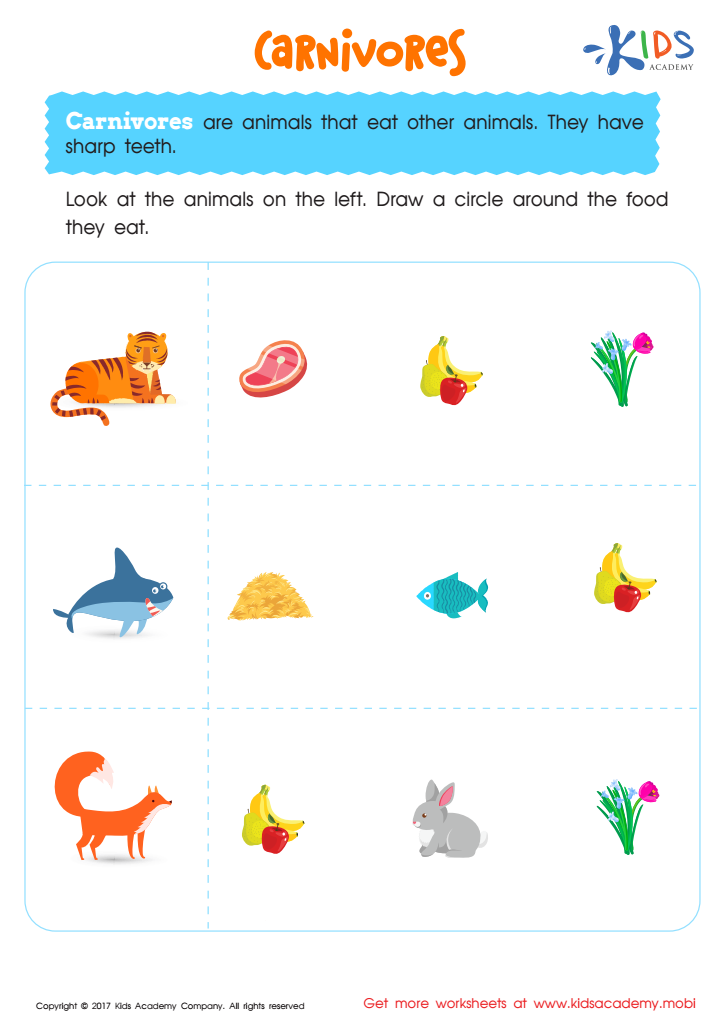
Carnivores Worksheet
Boost their vocabulary and help them explore the incredible world of carnivores.
Carnivores Worksheet
Worksheet
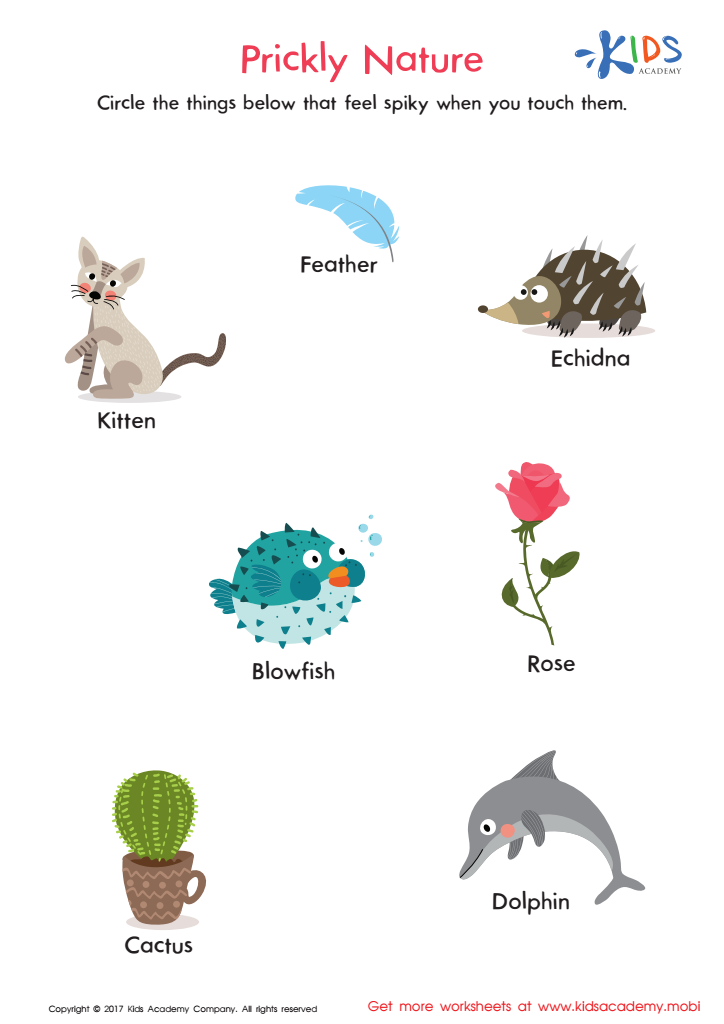
Prickly Nature Worksheet
Help your child stay safe and enhance critical thinking skills with this prickly nature worksheet. It can help them recognize spiky objects in their environment by teaching them to differentiate between prickly and soft textures. Plus, your kid will learn how to admire and avoid them. Get started today!
Prickly Nature Worksheet
Worksheet
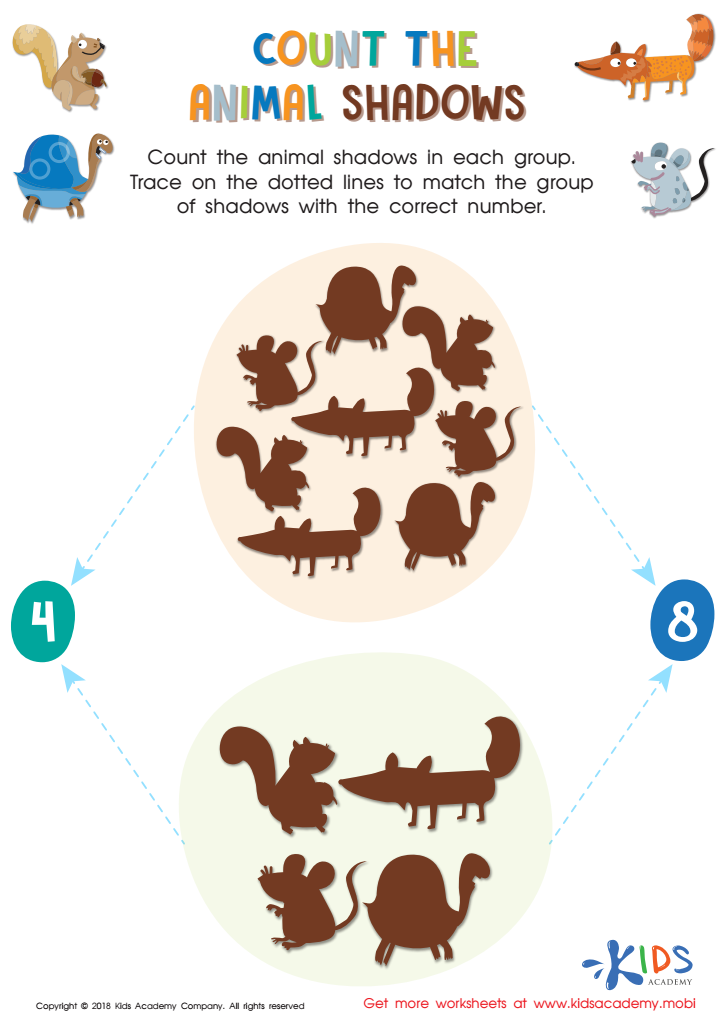
Count the Animal Shadows Worksheet
Our shadows accompany us wherever we go. Even your kids have seen theirs! Did they know that animals have shadows too? Count the animal shadows in each group with this worksheet. Ask your child to identify the animals pictured, then help them trace the dotted lines to match with the right number.
Count the Animal Shadows Worksheet
Worksheet
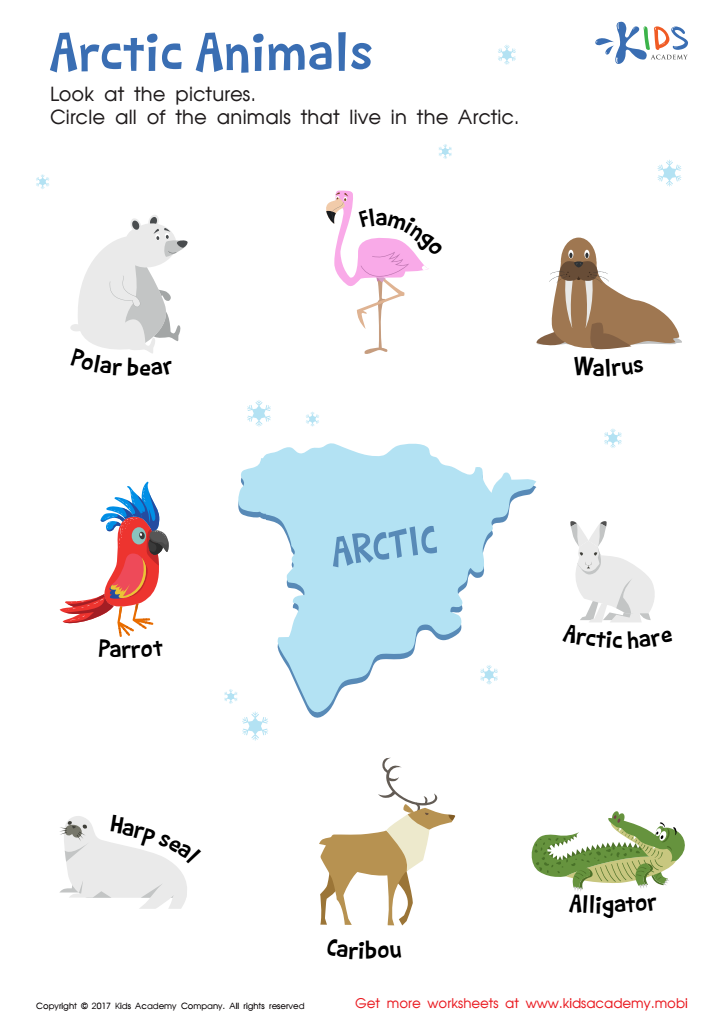
Arctic Animals Worksheet
Kids love animals and this worksheet is a great way to teach them where they live. It reinforces classification skills and introduces new animals, like the Arctic hare. Use it to discuss the Arctic climate and how these animals live, then ask your child where other animals live to keep the conversation going.
Arctic Animals Worksheet
Worksheet

Turkey Thanksgiving Day Worksheet
Keep them occupied with a turkey-themed coloring page. Give them the opportunity to show off their creativity with colors related to the season. Make the car ride more enjoyable by letting them color as you travel. Let their imaginations soar!
Download (PDF)
 Assign to My Students
Assign to My Students
Turkey Thanksgiving Day Worksheet
Worksheet
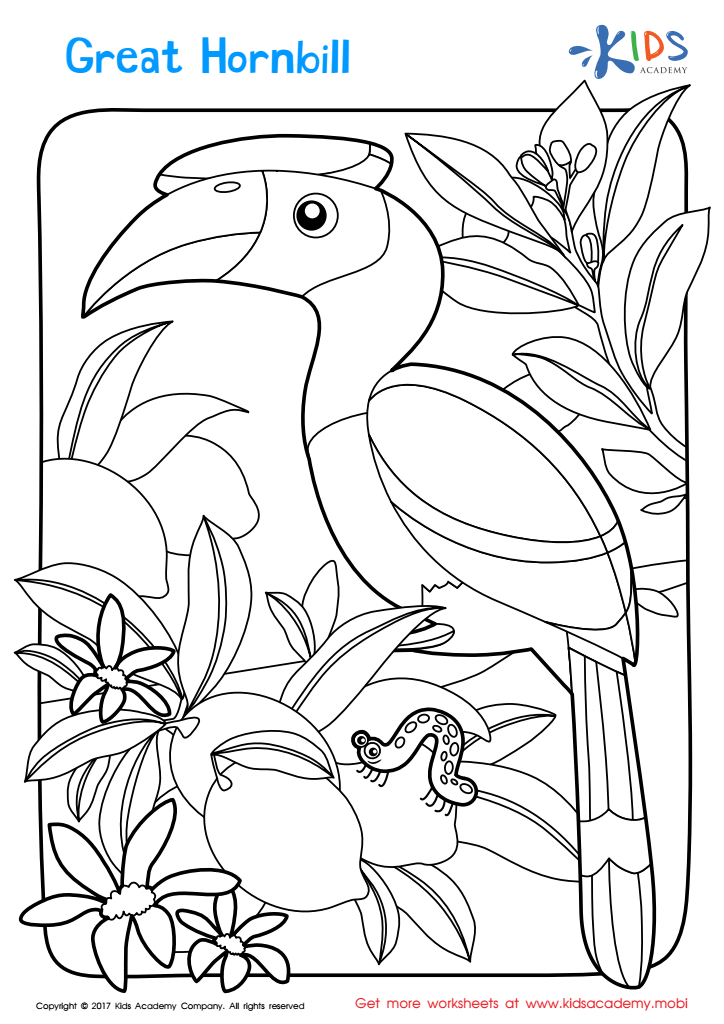
Great Hornbill Worksheet
Expand your child's knowledge with our exotic animal printable: the great hornbill coloring page. It’s a fun and easy way to explore this beautiful bird's stunning array of colors without leaving home. Look up pics online to get a better understanding of this incredible creature.
Download (PDF)
Assign to My Students
Assign to My Students
Great Hornbill Worksheet
Worksheet
Join Kids Academy for Free
Who is primarily going to use this learning content?








Animal identification is a crucial aspect of early childhood education that can significantly benefit children aged 3-5. Parents and teachers should care about this topic for several reasons. Firstly, it enhances children’s observational skills and environmental awareness. Recognizing different animals fosters curiosity and encourages young learners to explore their surroundings, sparking a lifelong interest in nature.
Moreover, understanding animal identification cultivates essential vocabulary and language skills. As children learn the names of various creatures, they also develop communication abilities, which are vital in their overall literacy development. Additionally, introducing animals and their habitats helps instill a sense of empathy and responsibility toward living beings, promoting kindness from a young age.
Engaging children in animal identification can also support social development. Group activities, such as identifying animals through games or storytelling, facilitate teamwork and sharing, essential social skills in early development.
Lastly, aligning lessons with real-world experiences—like visits to the zoo or nature parks—makes learning enjoyable and meaningful. Therefore, with ample educational benefits, fostering an interest in animal identification not only enriches cognitive and emotional growth but also instills a sense of wonder and appreciation for the natural world.








