Mathematical reasoning Normal Worksheets for Ages 3-5
10 filtered results
-
From - To
Introduce your little learner to the engaging world of mathematics with our "Mathematical Reasoning Normal Worksheets for Ages 3-5." These worksheets are specially designed to develop foundational math skills and logical thinking in young children. Each printable activity focuses on age-appropriate tasks such as pattern recognition, basic counting, and simple problem-solving, all crafted to make learning fun and interactive. Ideal for preschoolers and kindergarteners, our worksheets use colorful visuals and exciting concepts to keep kids interested and eager to explore mathematical ideas. Jumpstart your child's educational journey with our captivating and effective learning tools today!
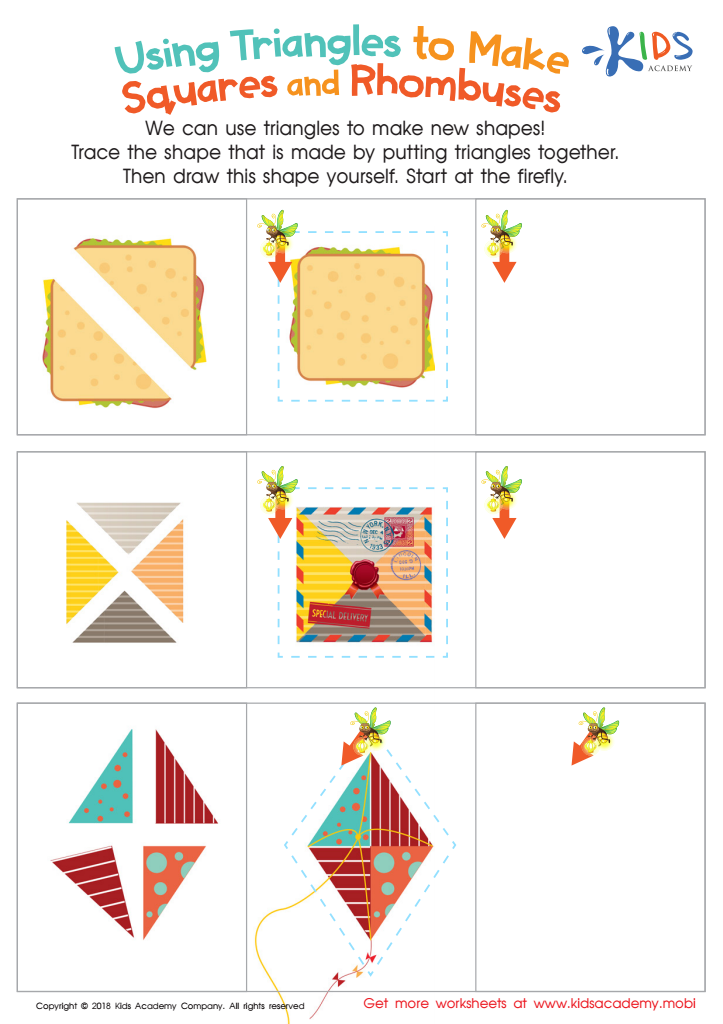
Using Triangles to Make Squares and Rhombuses Worksheet
 Assign to My Students
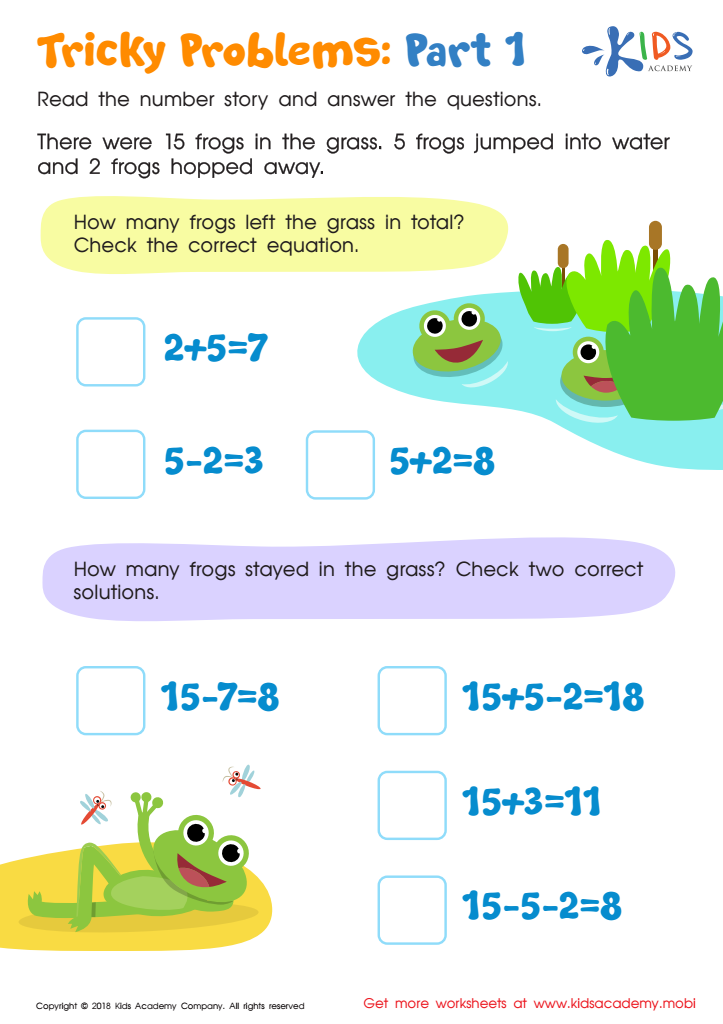
Tricky Problems Worksheet: Part 1
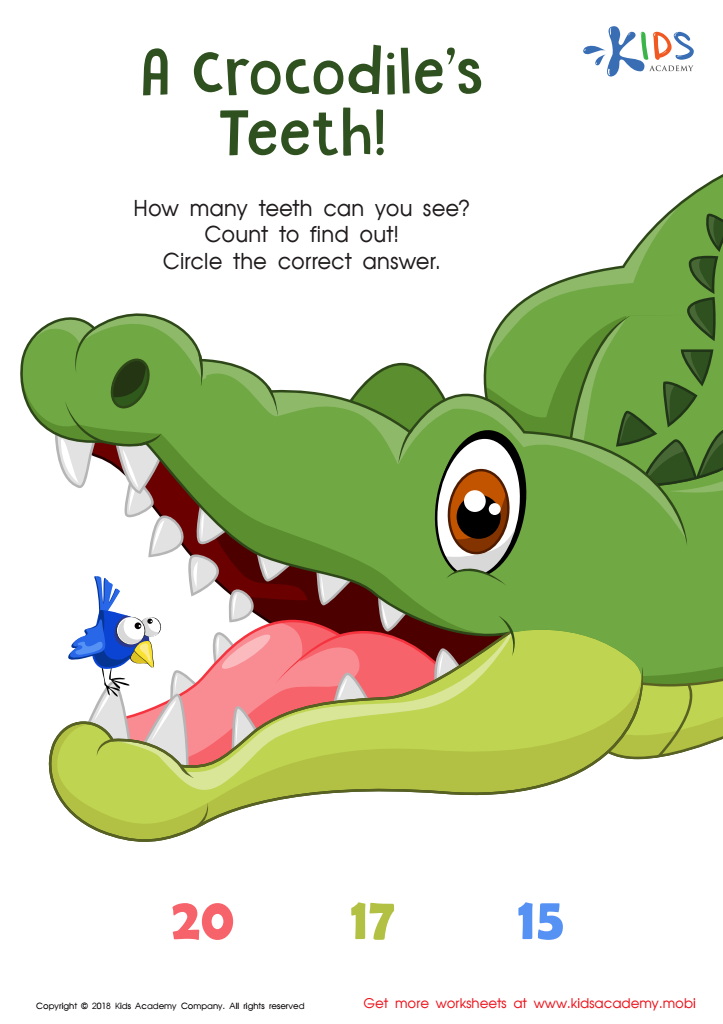
A Crocodile's Teeth Worksheet
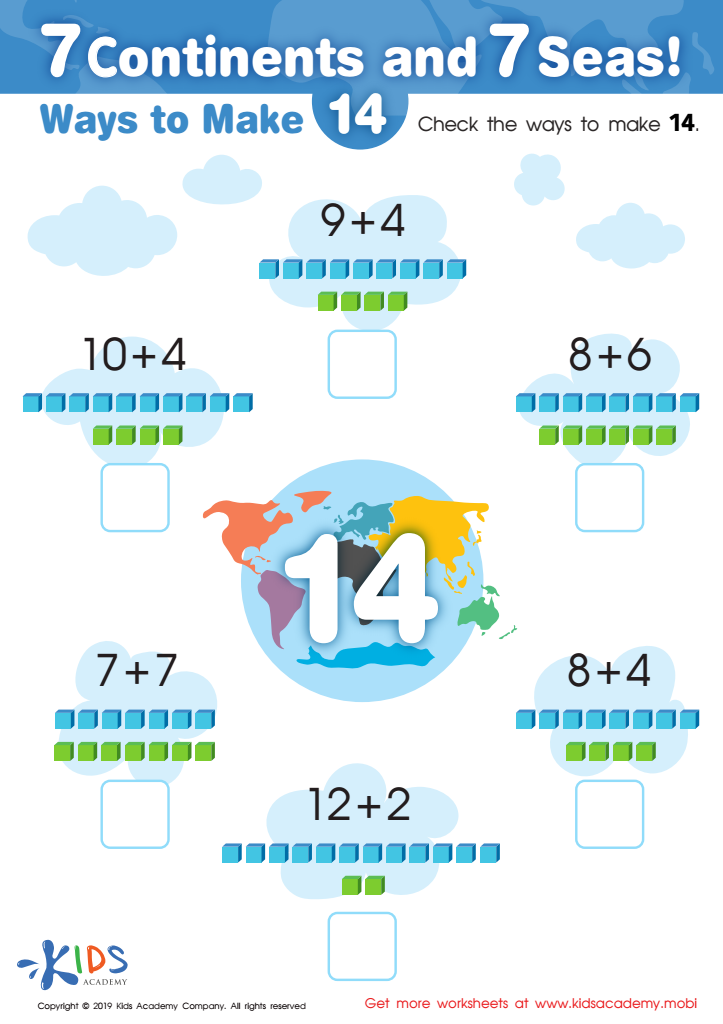
7 Continents and 7 Seas Worksheet
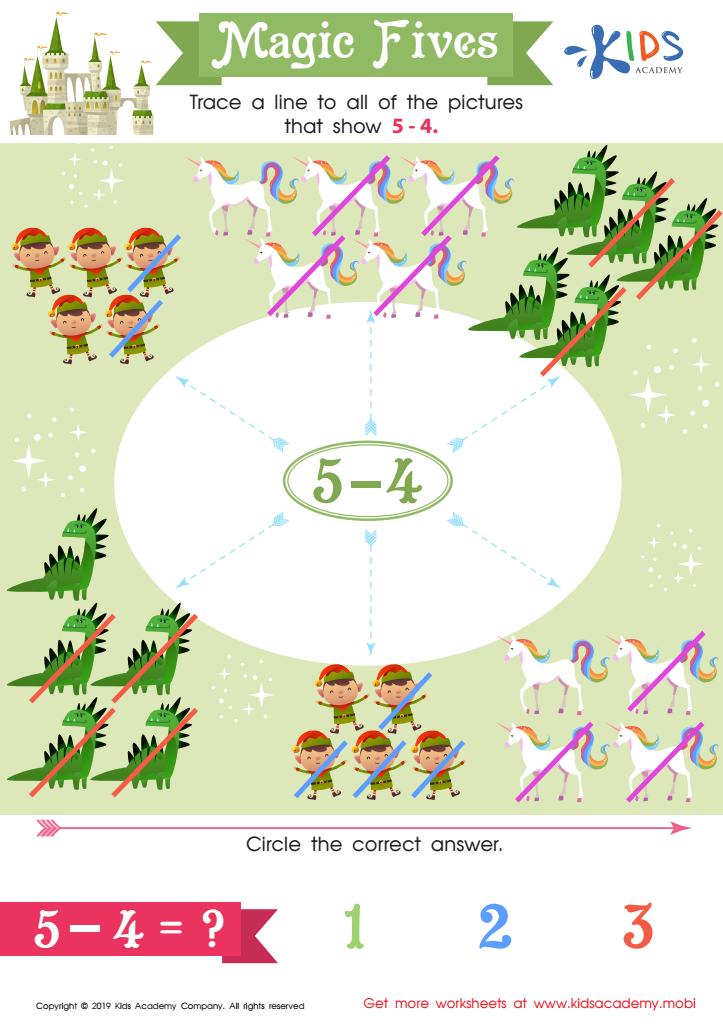
Magic Fives Worksheet
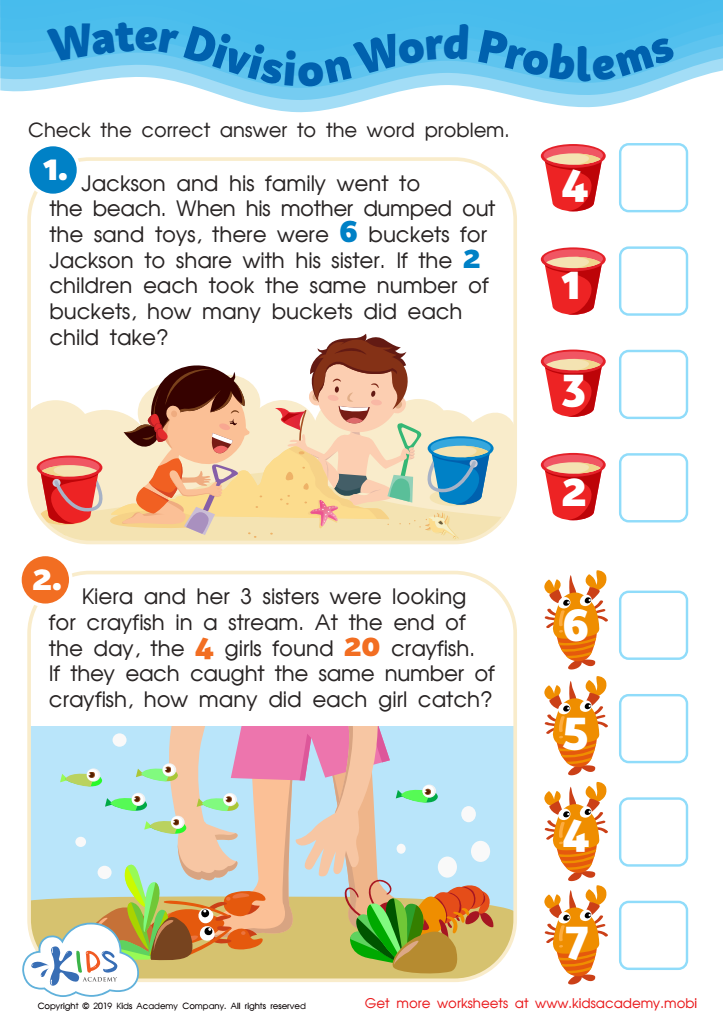
Water Division Word Problems Worksheet
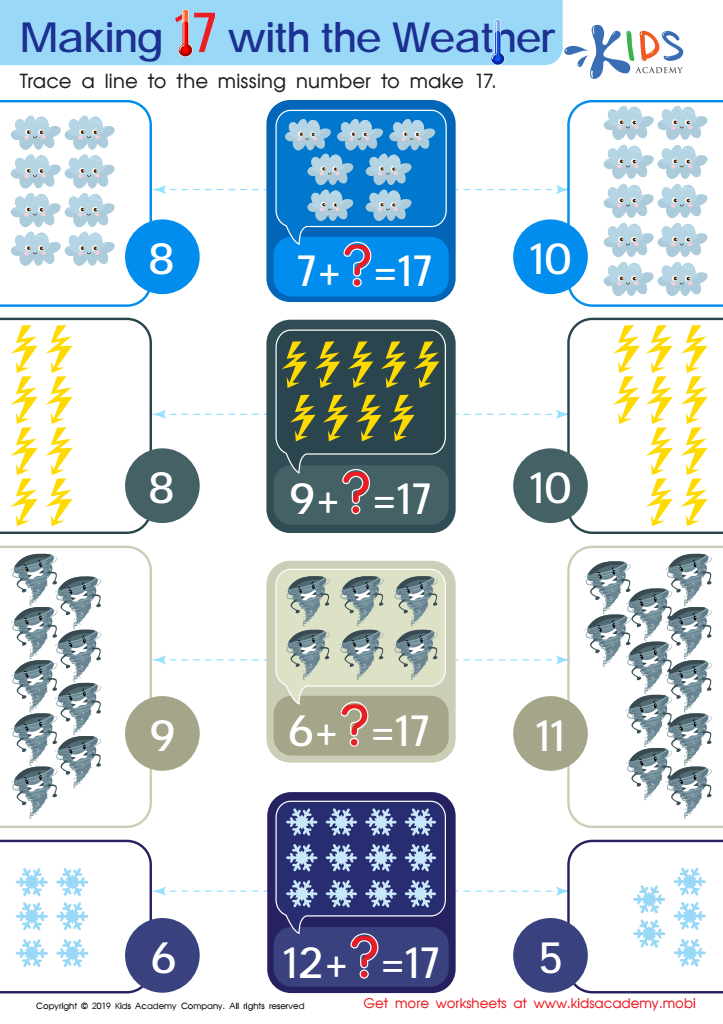
Making 17 with the Weather Worksheet
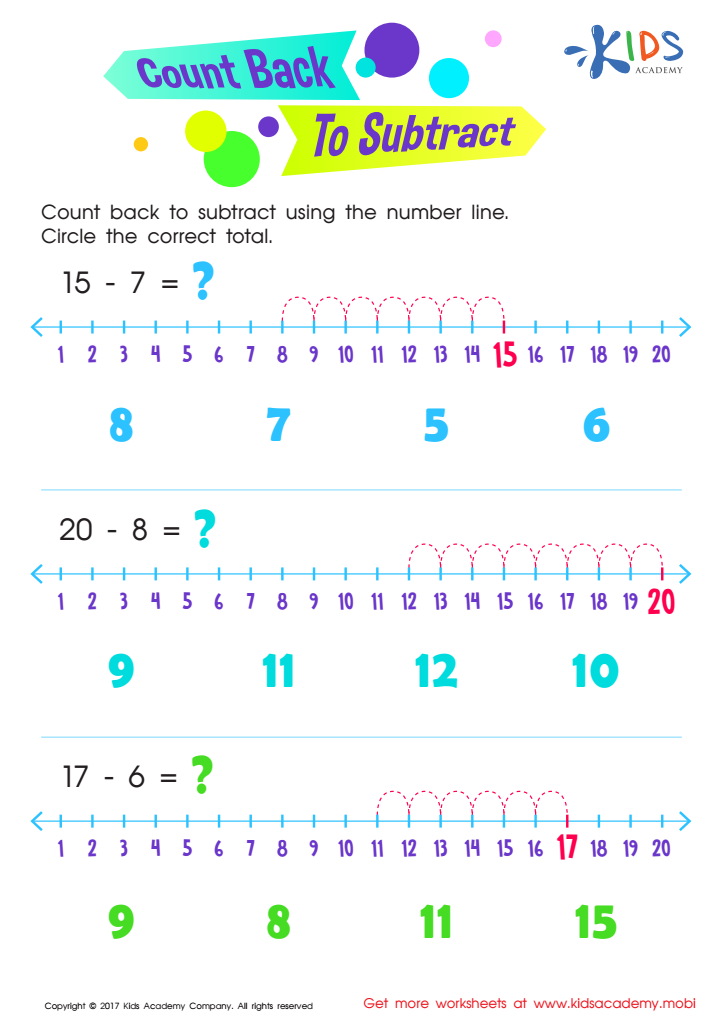
Count Back to Subtract Substraction Worksheet
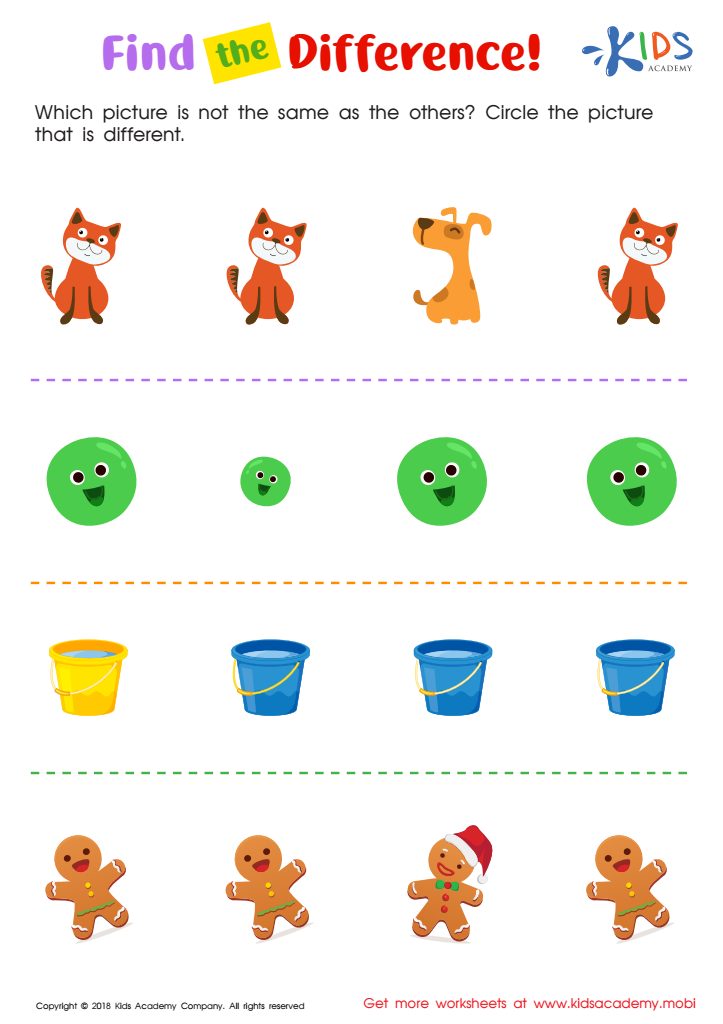
Find the Difference Worksheet
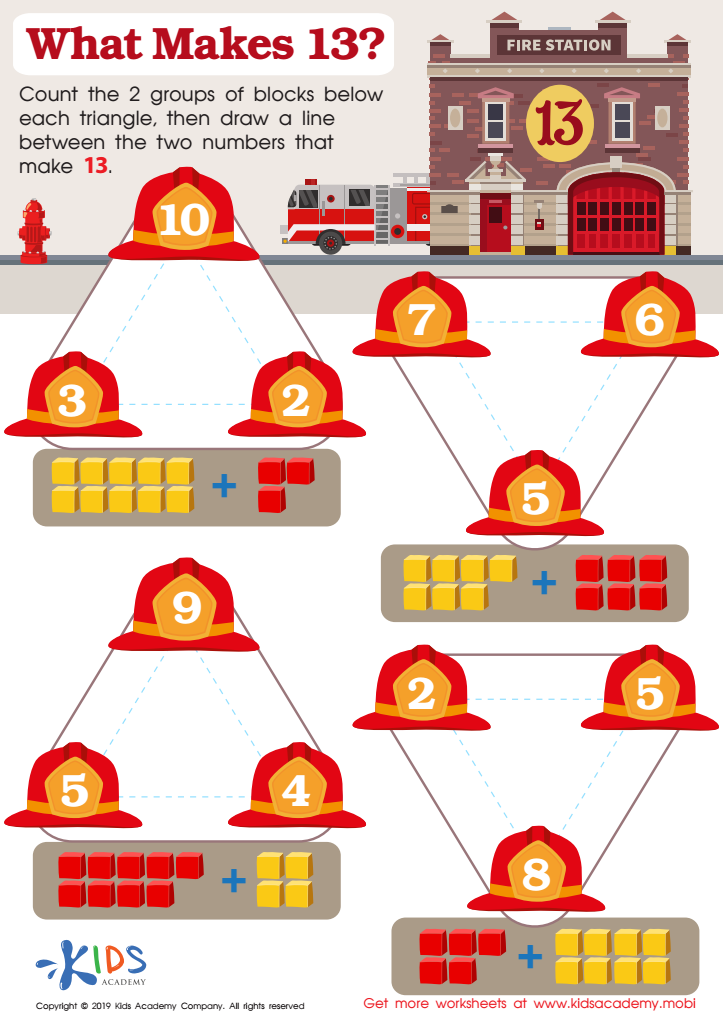
What Makes 13 Worksheet







Mathematical reasoning in early childhood sets the foundation for later success in math and other intellectual pursuits. For ages 3-5, this doesn't involve complex equations, but rather the basic skills such as recognizing patterns, understanding shapes, sorting objects, and grasping simple concepts of quantity and order. Parents and teachers should care about developing these skills because they are closely linked to problem-solving abilities and critical thinking, which are essential competencies for lifelong learning.
Early exposure to mathematical reasoning helps young children develop necessary cognitive abilities such as attention, memory, and logical thinking. Activities like counting objects, comparing sizes, or identifying geometric shapes also enhance vocabulary and language skills, leading to an overall better understanding of both math and language.
Moreover, a positive early experience with math fosters a child's self-confidence and interest in STEM (Science, Technology, Engineering, and Mathematics) fields. Research indicates that children whose parents and teachers engage them in mathematical activities tend to perform better academically later on. It's a misconception that math is too advanced for preschoolers; with age-appropriate methods, children in this age group can enjoy and grasp basic mathematical concepts. When parents and teachers start nurturing these skills early, they are essentially giving children a head start that can significantly impact their academic trajectory and life outcomes.








