Number Sequencing Normal Worksheets for Ages 3-5
6 filtered results
-
From - To
Jumpstart your child’s math skills with our Number Sequencing Normal Worksheets designed for ages 3-5. These engaging resources from Kids Academy help young learners master the basics of number sequences in a structured and enjoyable manner. With colorful and age-appropriate activities, children will practice identifying patterns, counting forwards and backwards, and understanding numerical order. Ideal for preschool and kindergarten, these worksheets not only boost number recognition but also enhance problem-solving and critical thinking skills. Perfect for both classroom use and at-home learning, they'll set a strong foundation for future math success.
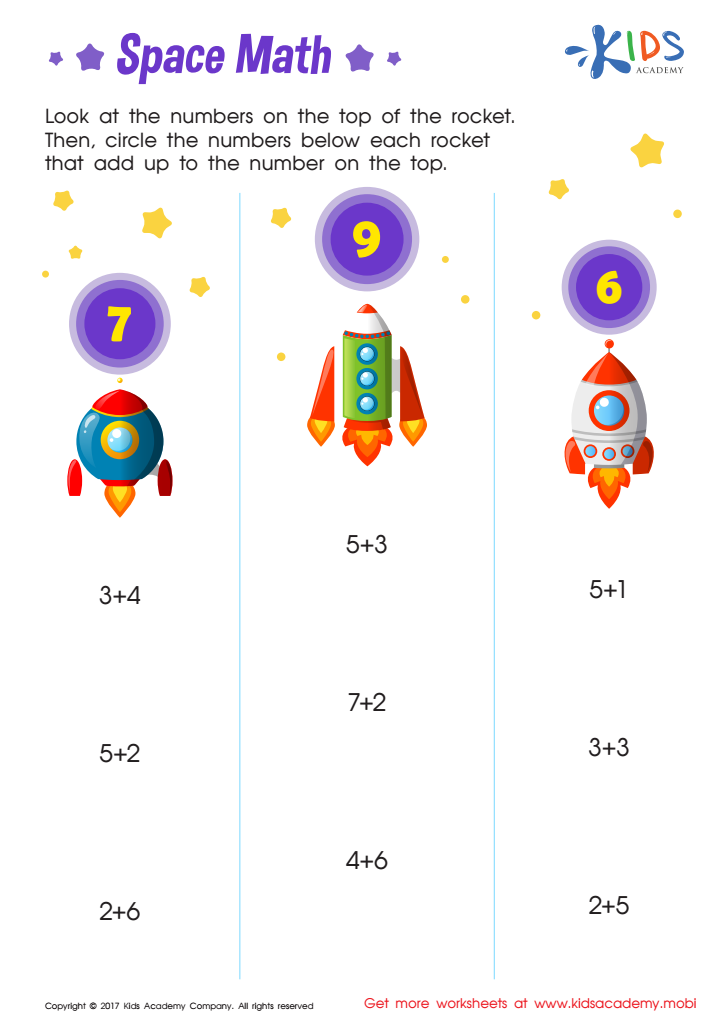
Addition: Space Math Worksheet
 Assign to My Students
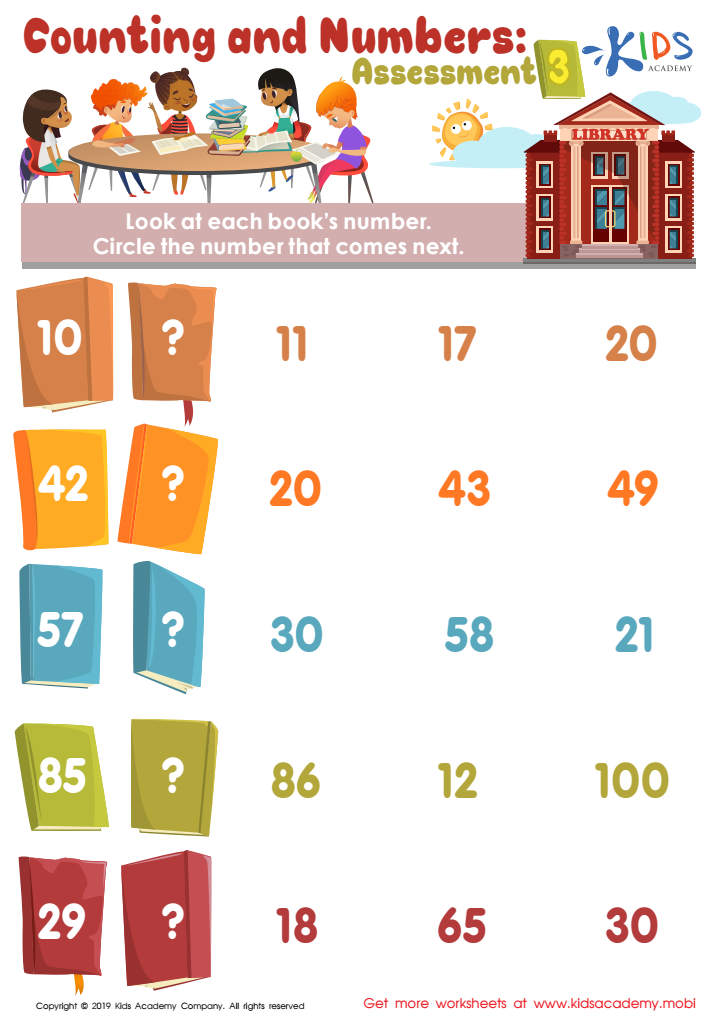
Counting and Numbers: Assessment Worksheet
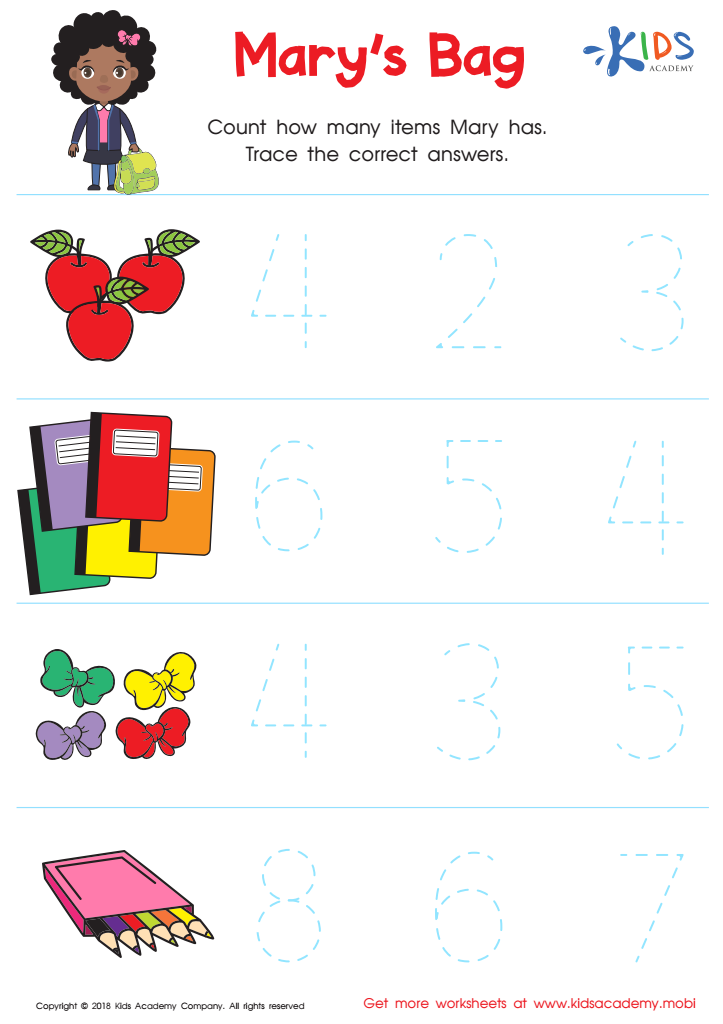
Kindergarten Number Tracing: Mary's Bag Worksheet
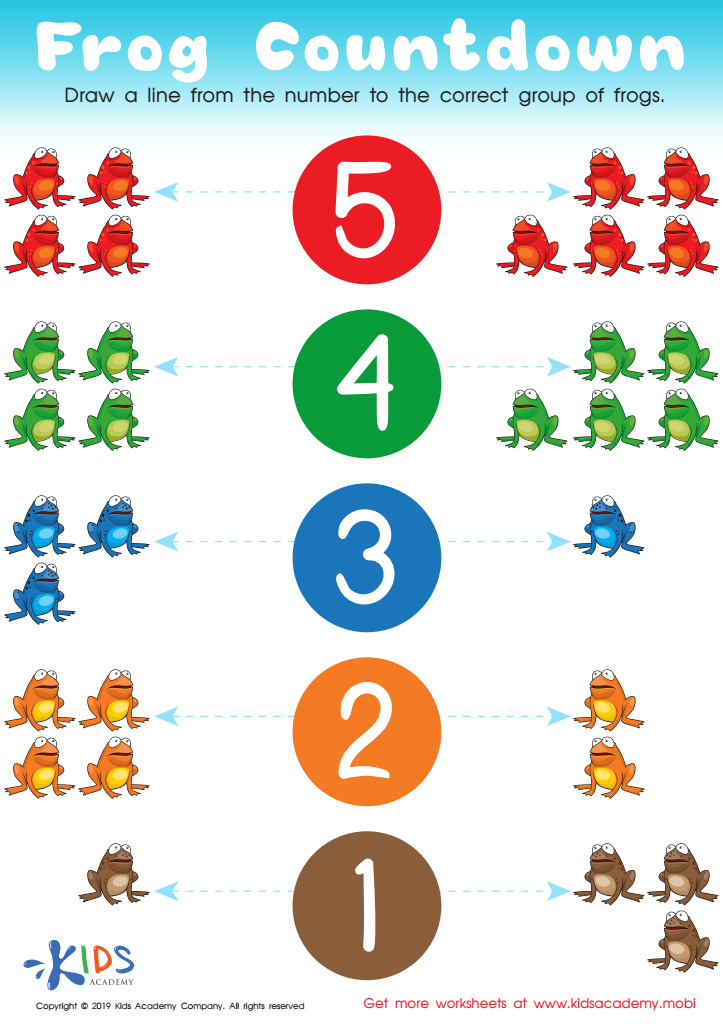
Frog Countdown Worksheet
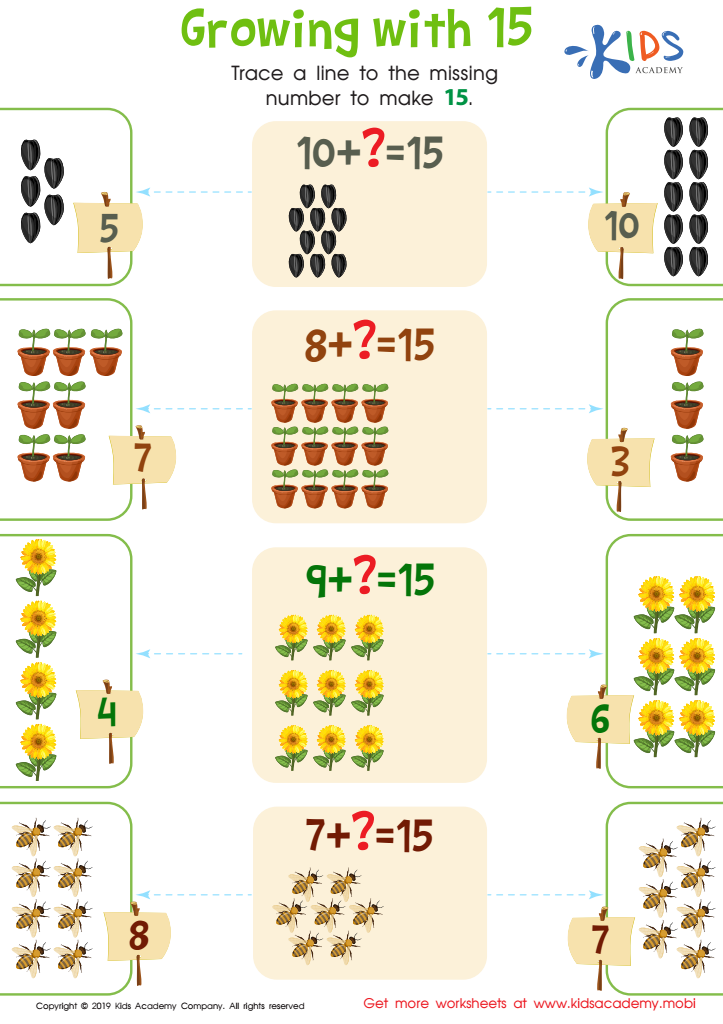
Growing with 15 Worksheet
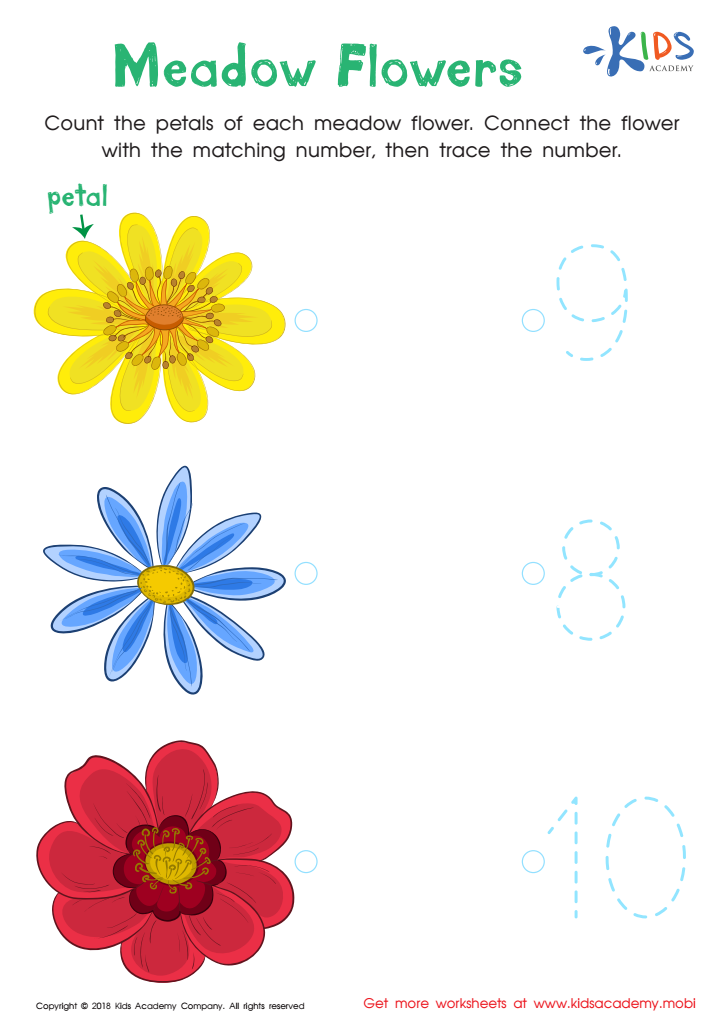
Kindergarten Number Tracing: Medow Flowers Worksheet







Number sequencing is crucial for children aged 3-5, providing foundational skills that support their overall mathematical development. At this young age, kids are at a pivotal stage of cognitive growth. Event sequencing helps children grasp order and predictability, linking directly to counting forward and backward, which is vital for problem-solving and arithmetic.
Parents and teachers who prioritize number sequencing facilitate better memory retention and recognition of patterns. For example, understanding a numerical order helps when tackling simple tasks like following steps to complete puzzles or understanding routines. This early exposure builds a strong mental framework, making grasping more complex mathematical concepts easier as they grow.
Moreover, early mastering of number sequences enhances a child's confidence and reduces math anxiety. When children can easily count and recognize patterns, they are more likely to engage enthusiastically in learning activities. This positive attitude is key to lifelong learning.
Additionally, these skills aren't just confined to math; they improve logical thinking and planning abilities useful in other subjects and daily life. Thus, parents and teachers fostering number sequencing provide their children with essential tools for future academic success and practical problem-solving skills.
Essentially, number sequencing offers a strong beginning for educational and life skills, underscoring its significance in early child development.








