Phonics development Normal Worksheets for Ages 3-5
3 filtered results
-
From - To
Discover fun and engaging "Phonics Development Normal Worksheets for Ages 3-5" on Kids Academy! These expertly designed worksheets provide young learners with a solid foundation in phonics through interactive activities that make learning enjoyable. Children will practice identifying letters, associating sounds with pictures, and developing early reading skills. Each worksheet simplifies complex concepts into bite-sized, entertaining practice sessions perfectly tailored for preschoolers. Let your child embark on a phonics adventure that enhances their literacy and communication abilities. Prepare your child for reading success with our creative and easy-to-use phonics worksheets. Explore and start learning today!
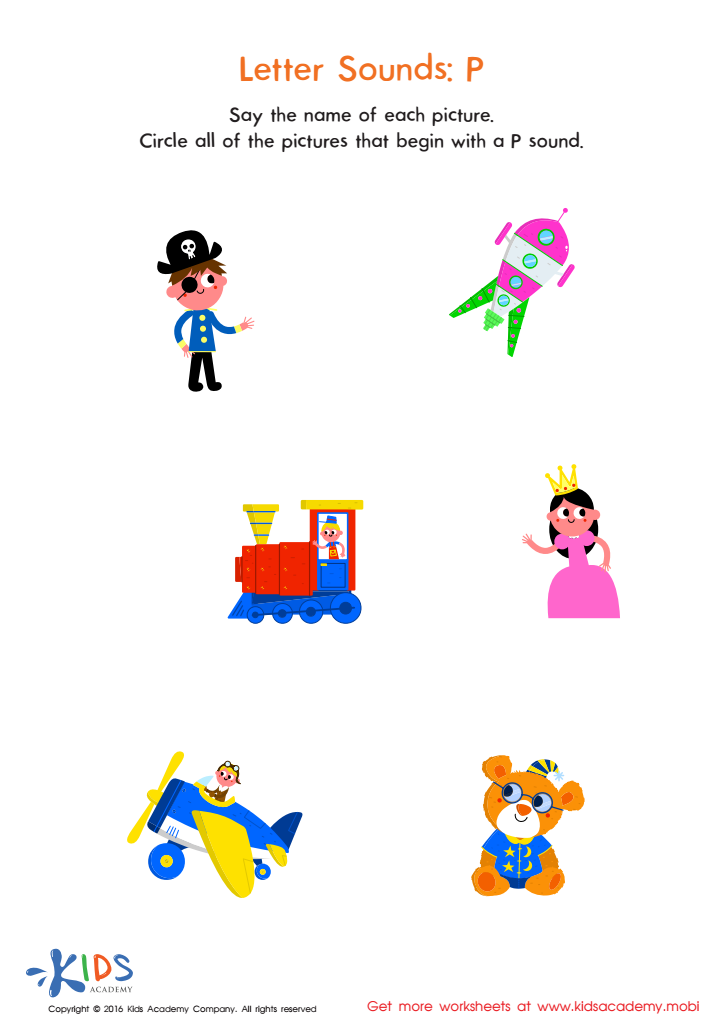
Letter P Sound Worksheet
 Assign to My Students
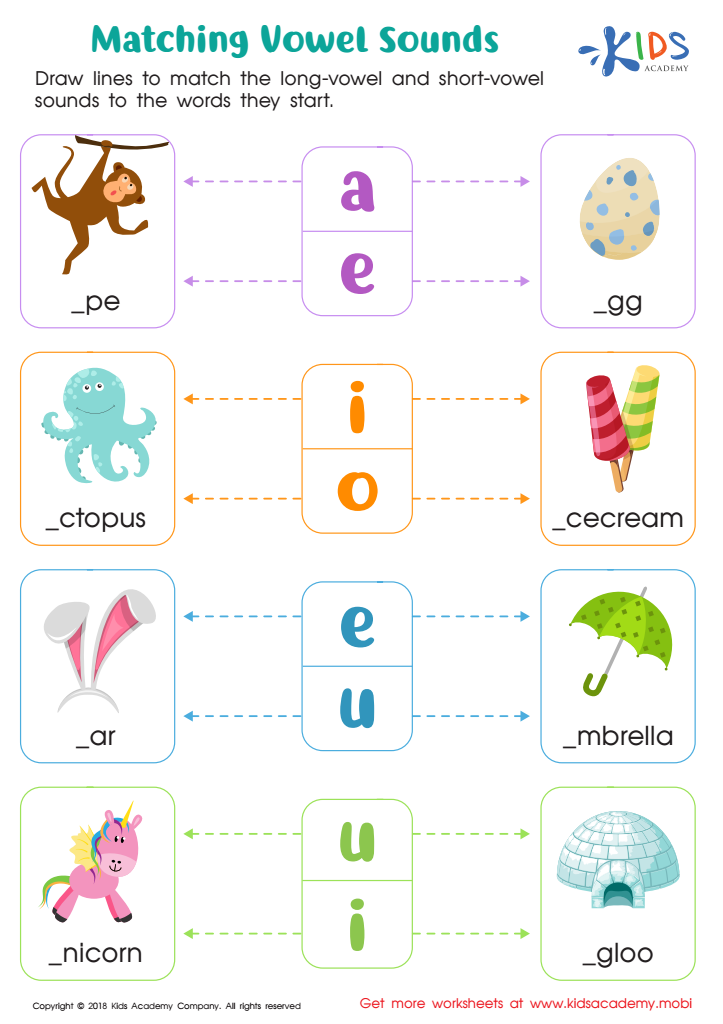
Matching Vowel Sounds Worksheet
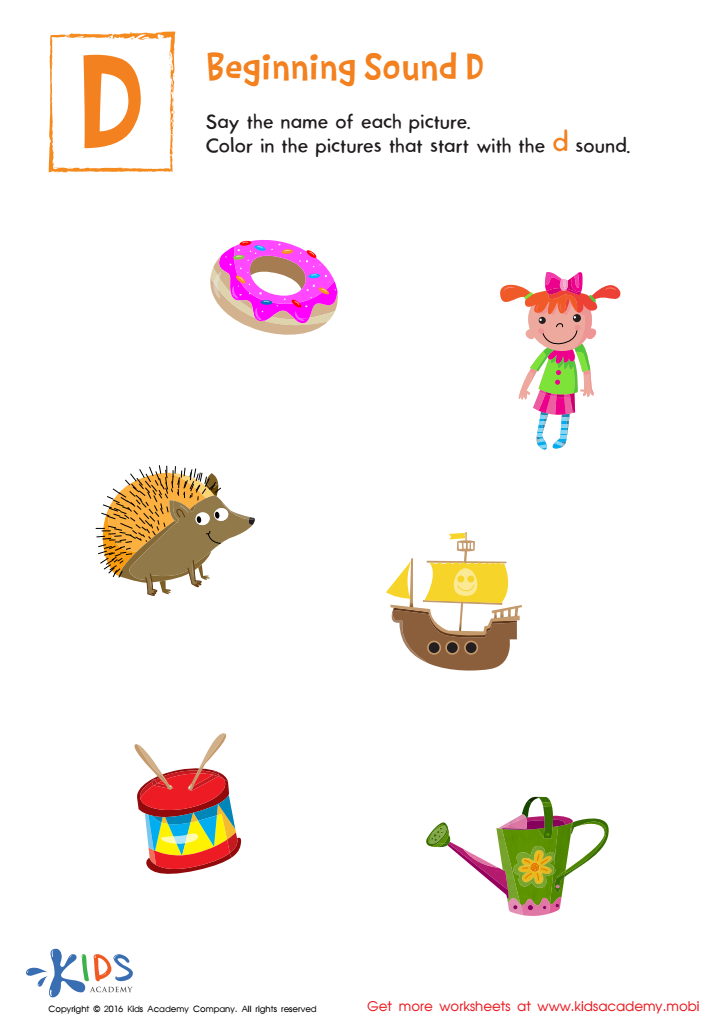
Beginning Sound D Worksheet





.jpg)


Phonics development is crucial for young children between the ages of 3-5, serving as the foundation for future reading and writing skills. Parents and teachers should prioritize phonics because it helps children understand the relationships between letters and sounds, a fundamental skill for decoding words and building reading fluency. During these formative years, a child's brain is highly receptive to language learning, making it the optimal time to introduce phonics.
Early phonics instruction improves children’s abilities to recognize and pronounce new words, fostering self-confidence in their reading skills. It also enhances their listening abilities, as they learn to differentiate distinct sounds that comprise spoken language. This, in turn, aids in vocabulary development and comprehension.
Without a strong phonics foundation, children may struggle with literacy skills later in their educational journey, potentially leading to academic difficulties and a lack of interest in reading. Engaging and age-appropriate phonics activities not only make learning enjoyable but also encourage a lifelong love of reading.
Teachers and parents play a crucial role in this journey by providing the right resources, practice opportunities, and a supportive environment that celebrates effort and progress. Therefore, dedicating time and attention to phonics development during ages 3-5 is essential for setting children up for future academic success.








