Shape identification Normal Worksheets for Ages 3-5
7 filtered results
-
From - To
Explore our engaging Shape Identification Worksheets designed specifically for ages 3-5, perfect for early learners. These worksheets focus on enhancing children's understanding of basic shapes through fun and interactive activities. Children will enjoy identifying, tracing, and coloring a variety of shapes, promoting not only shape recognition but also fine motor skills development. Our carefully crafted resources support early math education and cognitive growth, making learning enjoyable. Ideal for at-home practice or classroom settings, these worksheets foster a strong foundation in shape identification. Begin your child’s learning journey today and watch their confidence grow as they master essential shape concepts!
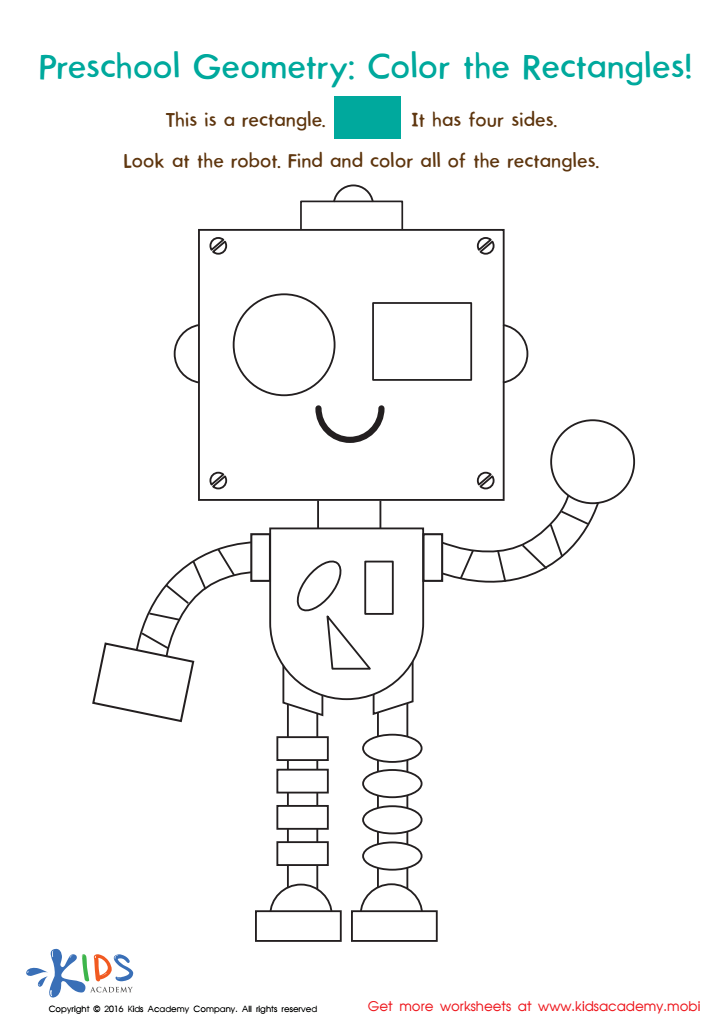
Geometry Worksheet
 Assign to My Students
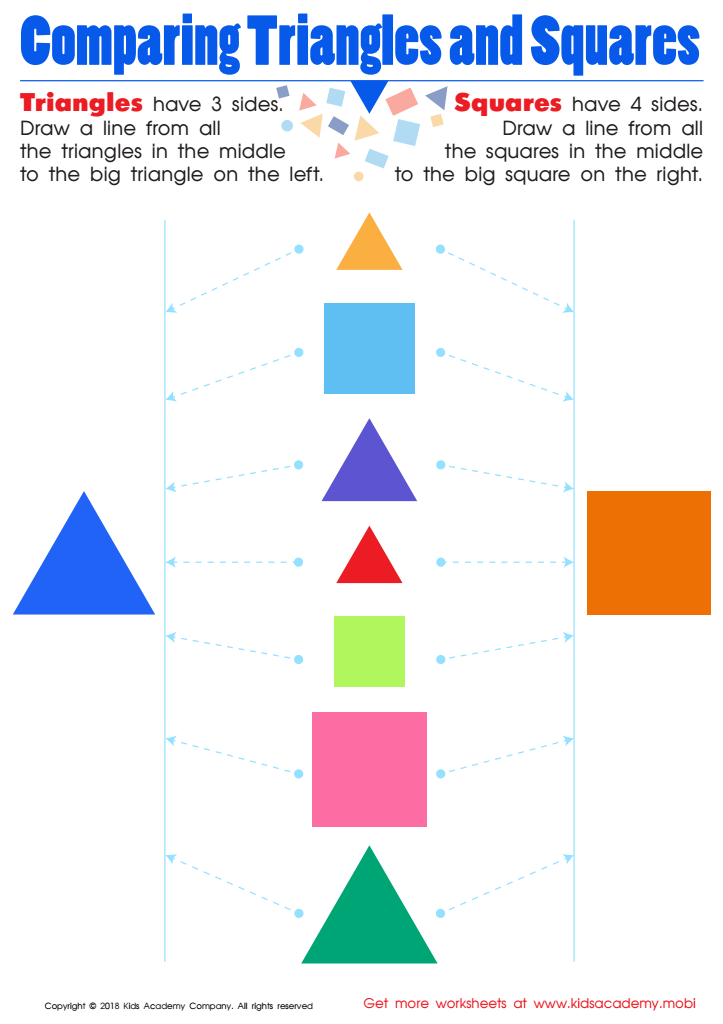
Comparing Triangles Squares Worksheet
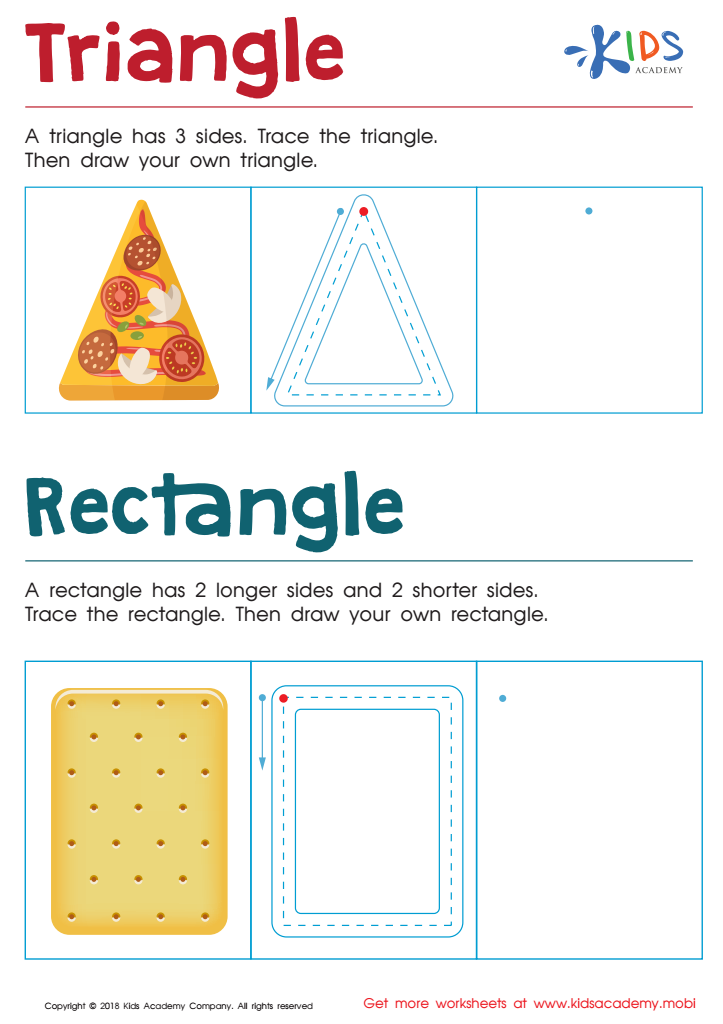
Triangle Rectangle Worksheet
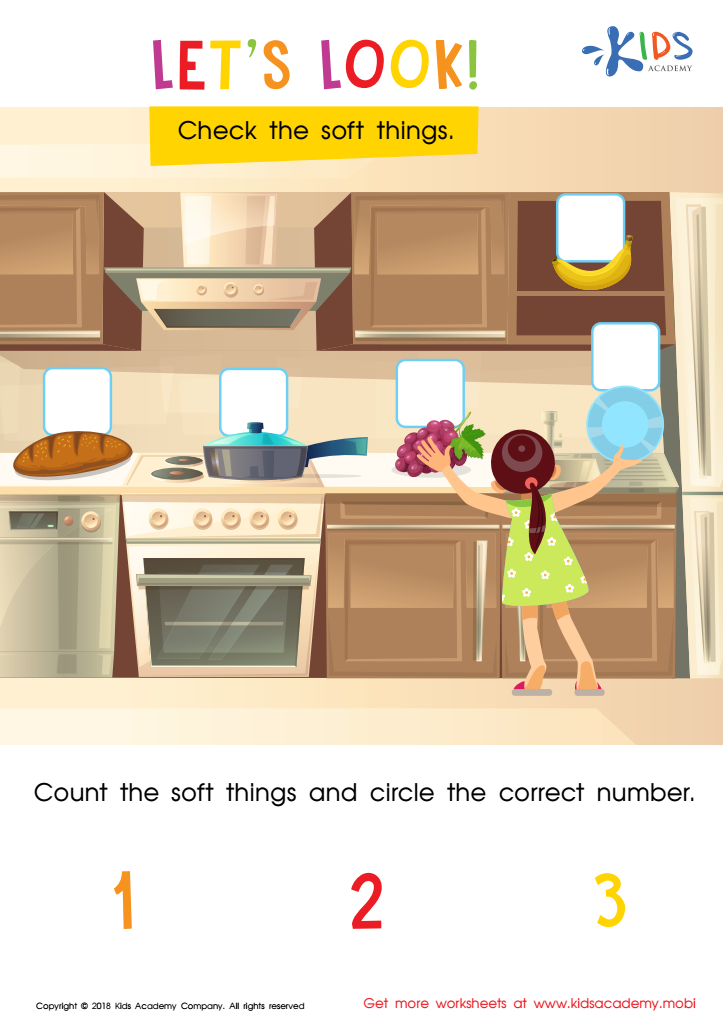
Let's Look! Assessment Worksheet
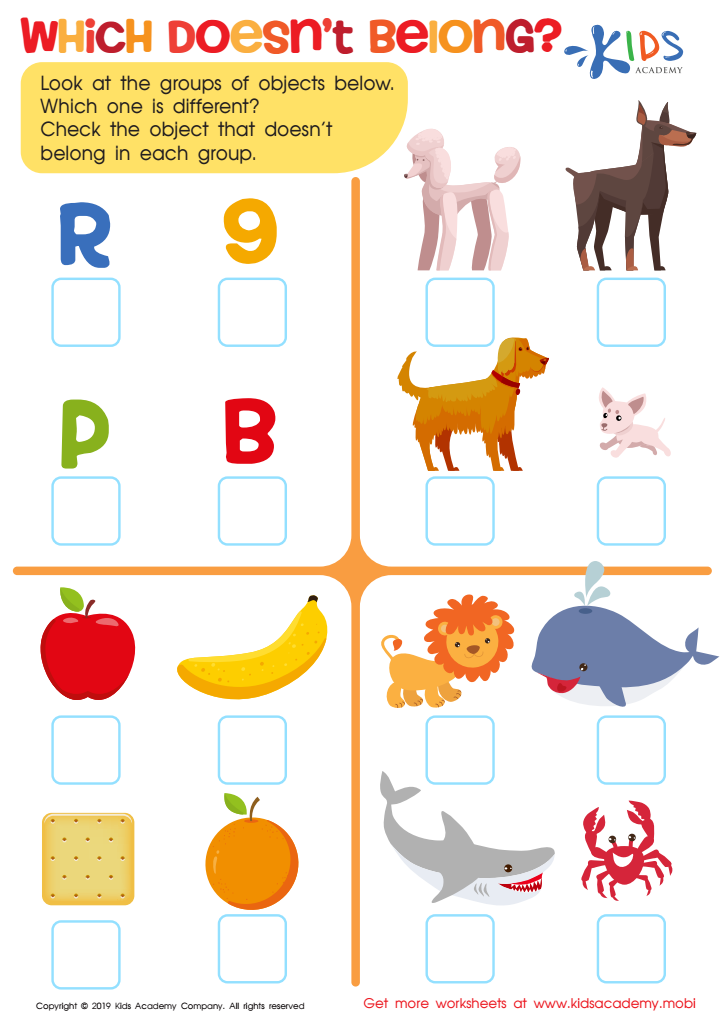
Which Doesn't Belong? Worksheet
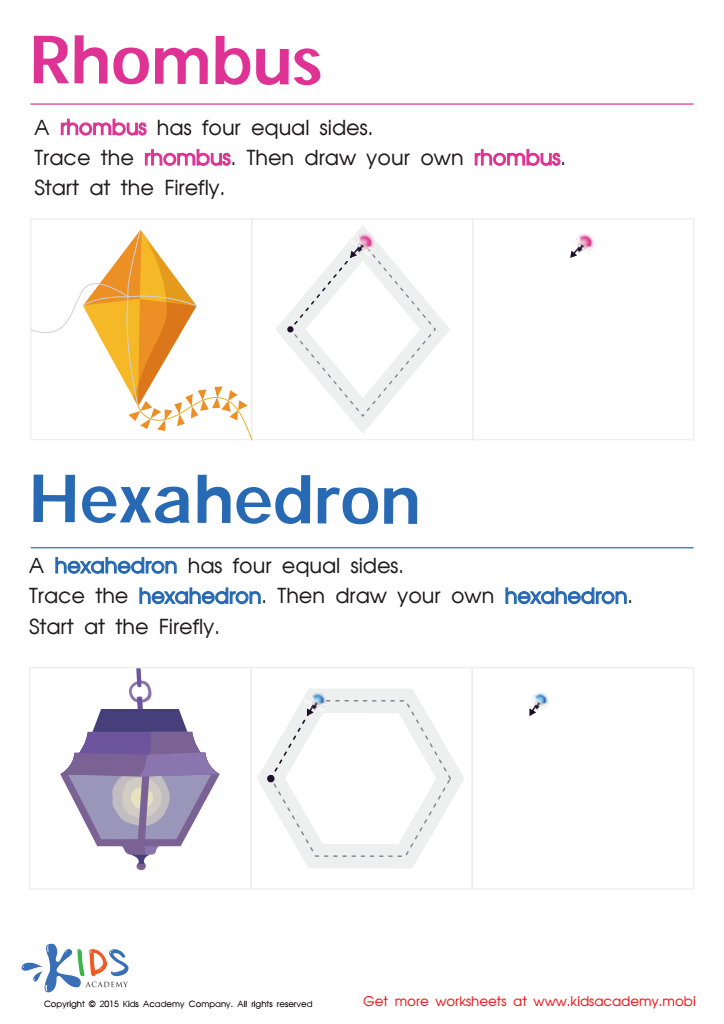
Draw a Rhombus And a Hexahedron Printable
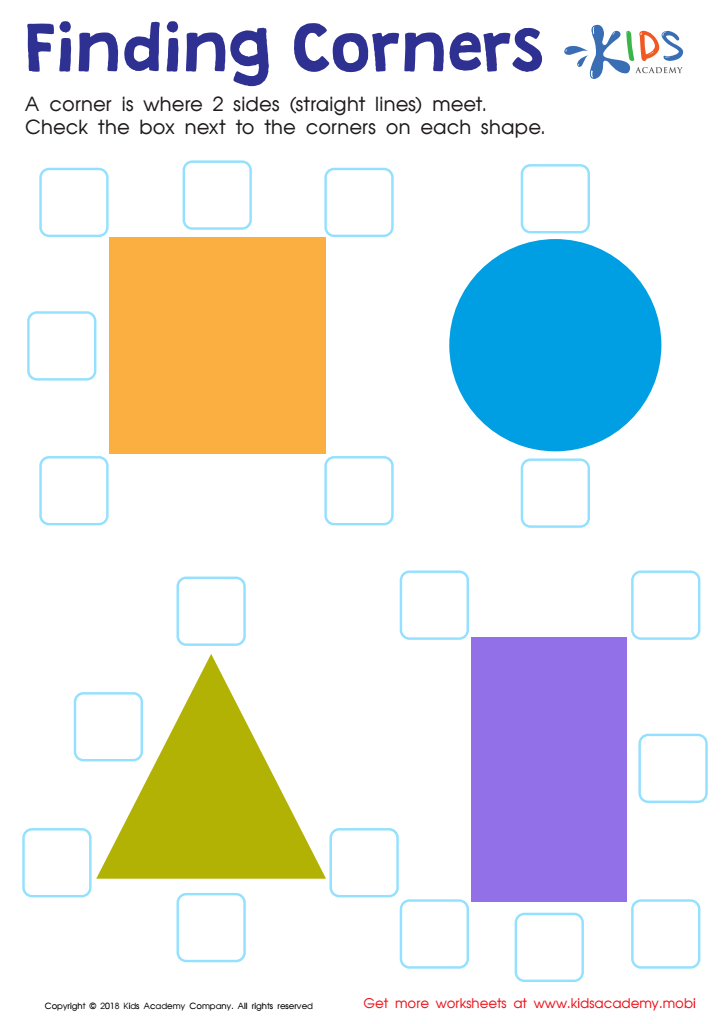
Finding Corners Worksheet







Shape identification is a fundamental skill for children ages 3–5 and serves as a building block for more complex concepts in mathematics, art, and spatial reasoning. Parents and teachers should care about this developmental milestone for several reasons.
First, shape identification enhances cognitive development. Recognizing different shapes helps children categorize objects, boosting their analytical skills and laying the groundwork for future problem-solving abilities. As they learn to distinguish between circles, squares, triangles, and other shapes, they also begin to understand concepts like similarity, differences, and symmetry.
Second, mastering shape identification supports language development. As children encounter shapes, they learn vocabulary related to geometry and descriptions, such as "round," "flat," or "pointed." This enrichment fosters communication skills, improving their ability to express ideas and understand instructions.
Third, engaging with shapes encourages fine motor skills and creativity. Activities like drawing, tracing, or crafting shapes allow children to practice hand-eye coordination and manipulate materials in fun and hands-on ways.
Finally, early shape recognition builds a foundation for later mathematical learning, including geometry and measurement. It promotes numerical literacy and critical thinking, ultimately preparing children for a successful transition into formal education. Therefore, supporting shape identification is crucial for holistic development during these formative years.








