Spatial reasoning Normal Worksheets for Ages 3-5
5 filtered results
-
From - To
Unlock your child's potential with our "Spatial Reasoning Normal Worksheets for Ages 3-5." Specifically designed to develop critical thinking and problem-solving skills, these engaging activities focus on concepts like shape recognition, pattern identification, and spatial relationships. Perfect for preschoolers, our worksheets offer fun and interactive ways to boost cognitive development and prepare kids for future academic success. Created by educational experts, they ensure your child builds a strong foundation in a supportive and playful environment. Start your little one's learning adventure today with Kids Academy's printable worksheets for early spatial reasoning.
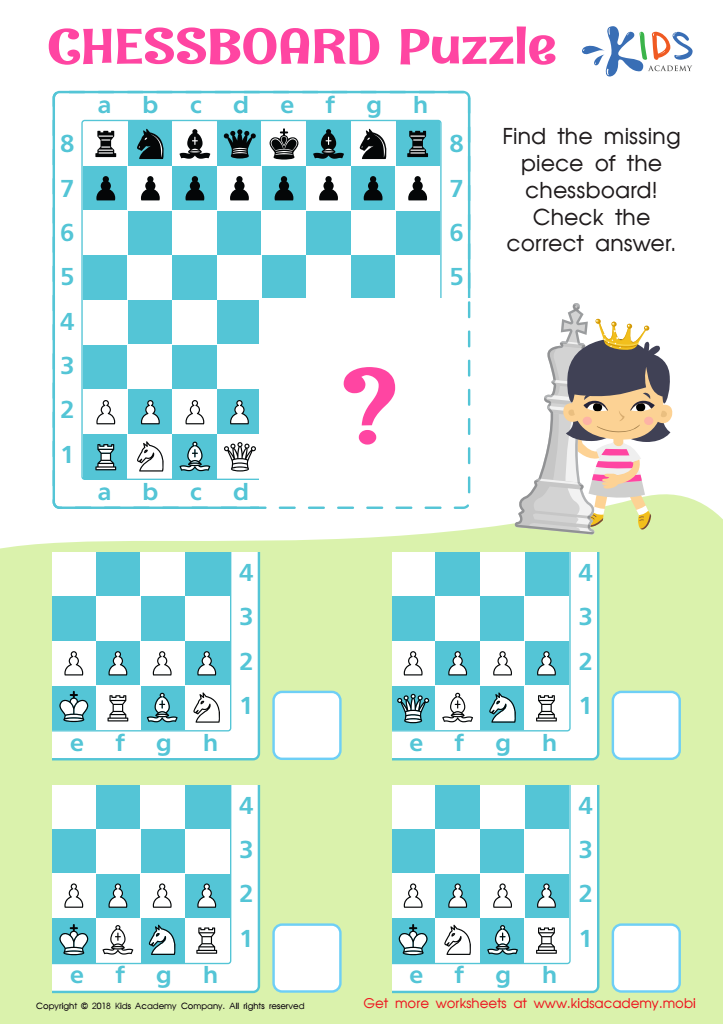
Chessboard Puzzle Worksheet
 Assign to My Students
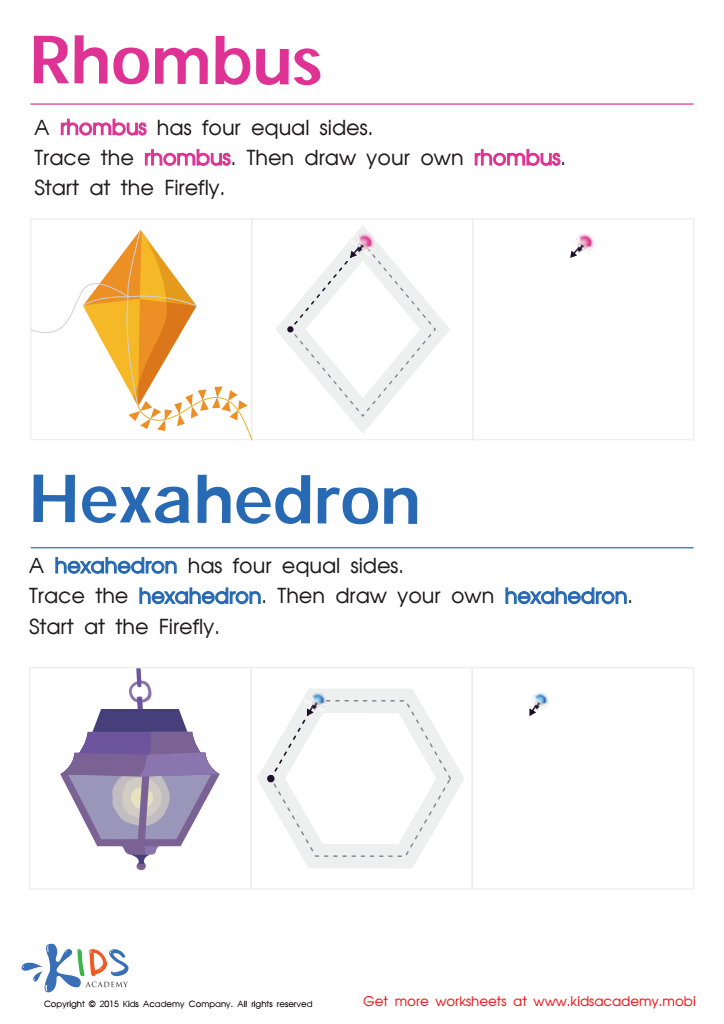
Draw a Rhombus And a Hexahedron Printable
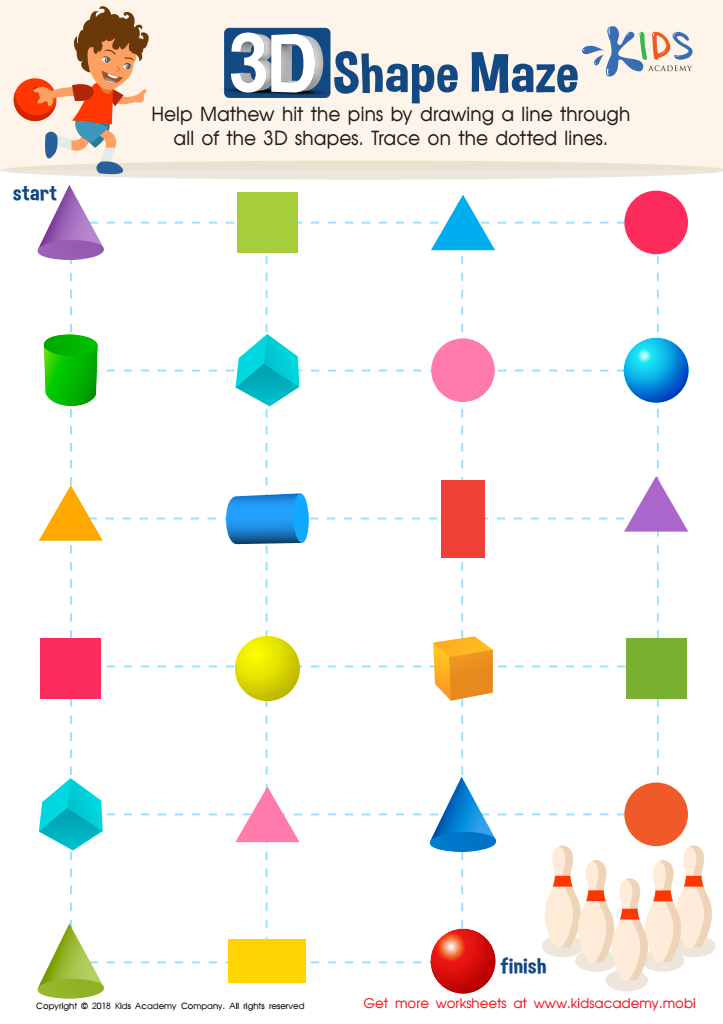
Shapes Maze Geometry Worksheet
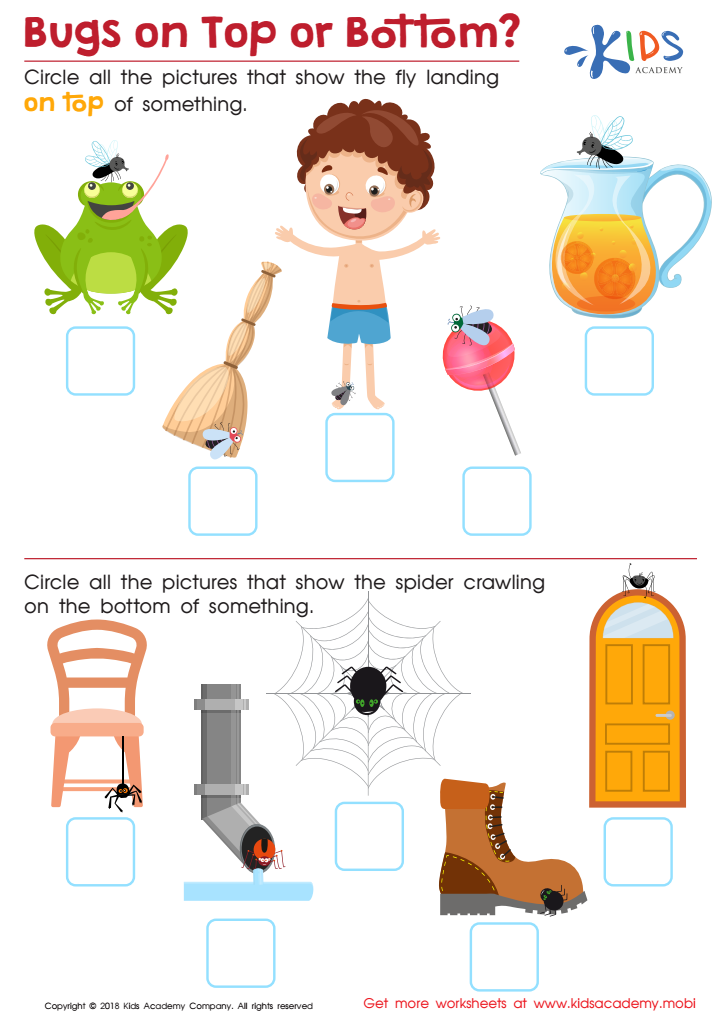
Bugs on Top or Bottom? Worksheet
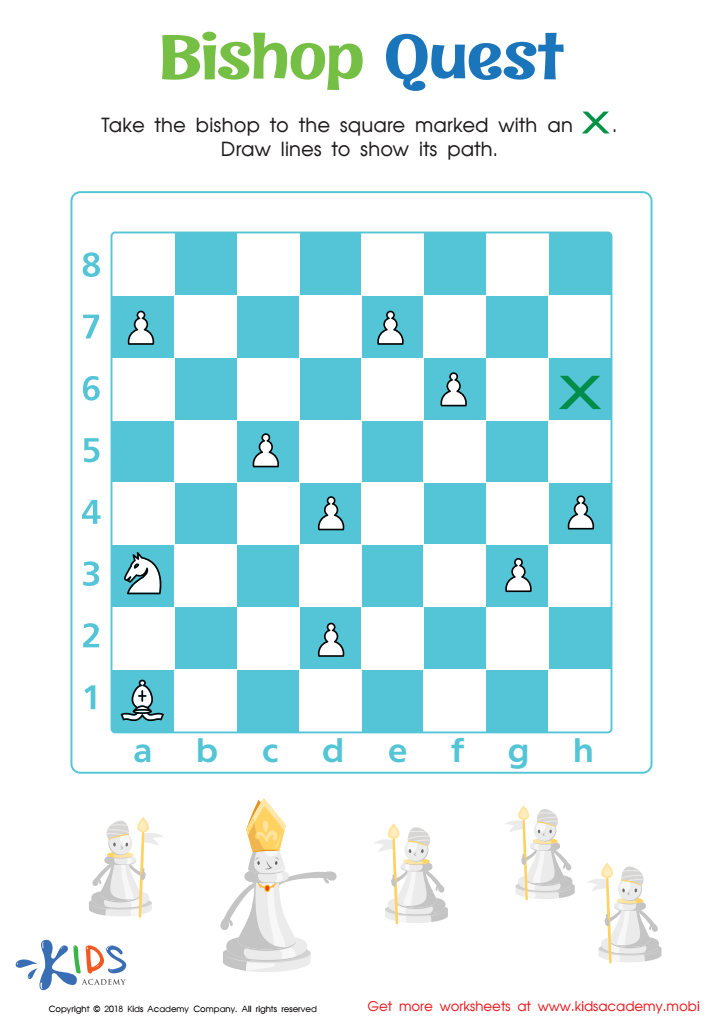
Bishop Quest Worksheet



.jpg)



Spatial reasoning is a crucial cognitive skill that enables children to understand and manipulate the shapes, positions, and properties of objects in their environment. For children aged 3-5, developing strong spatial reasoning is foundational for later success in various essential academic and everyday activities.
For parents and teachers, fostering this skill is important as it directly impacts early math learning. Spatial reasoning underpins concepts like geometry and measurement, aiding children in visualizing shapes and understanding their attributes. Research also links strong spatial skills at a young age to better performance in STEM (Science, Technology, Engineering, and Mathematics) fields later on.
Beyond academics, spatial reasoning supports essential daily activities and problem-solving. It helps children navigate their surroundings, from fitting objects into spaces during play to following directions or assembling puzzles, which can boost their confidence and independence.
Activities like playing with building blocks, engaging in art, or utilizing spatial language ("under," "over," "beside") during conversations can naturally enhance a child's spatial abilities. When parents and teachers prioritize this development, they provide children with the tools to understand and interact with their world more effectively, laying a robust foundation for future learning and exploration.








