Understanding habitats Normal Worksheets for Ages 3-5
4 filtered results
-
From - To
Discover our "Understanding Habitats Normal Worksheets" designed specifically for young learners aged 3-5. These engaging, age-appropriate worksheets help children explore different habitats and the unique plants and animals that inhabit them. Through vibrant illustrations and interactive activities, kids will enhance their understanding of ecosystems while developing essential skills like matching, coloring, and sorting. Our worksheets promote hands-on learning and encourage curiosity about nature, making them perfect for home or classroom use. With varying difficulty levels, educators and parents can easily adapt these resources to suit each child's developmental needs, fostering a love for learning about the world around them.
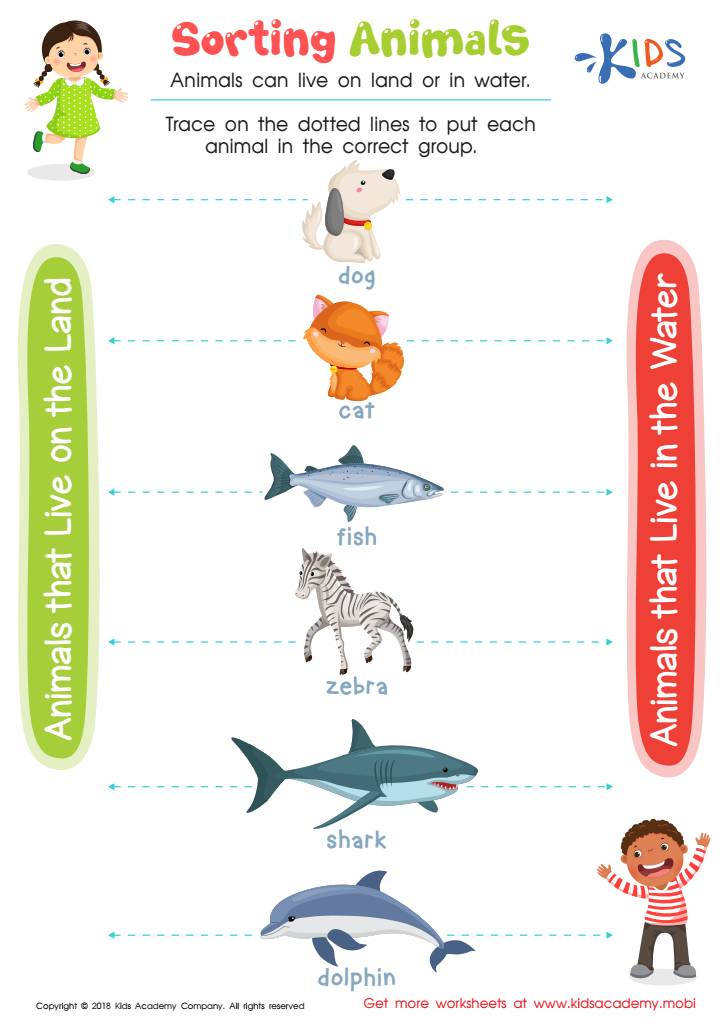
Sorting Animals Worksheet
 Assign to My Students
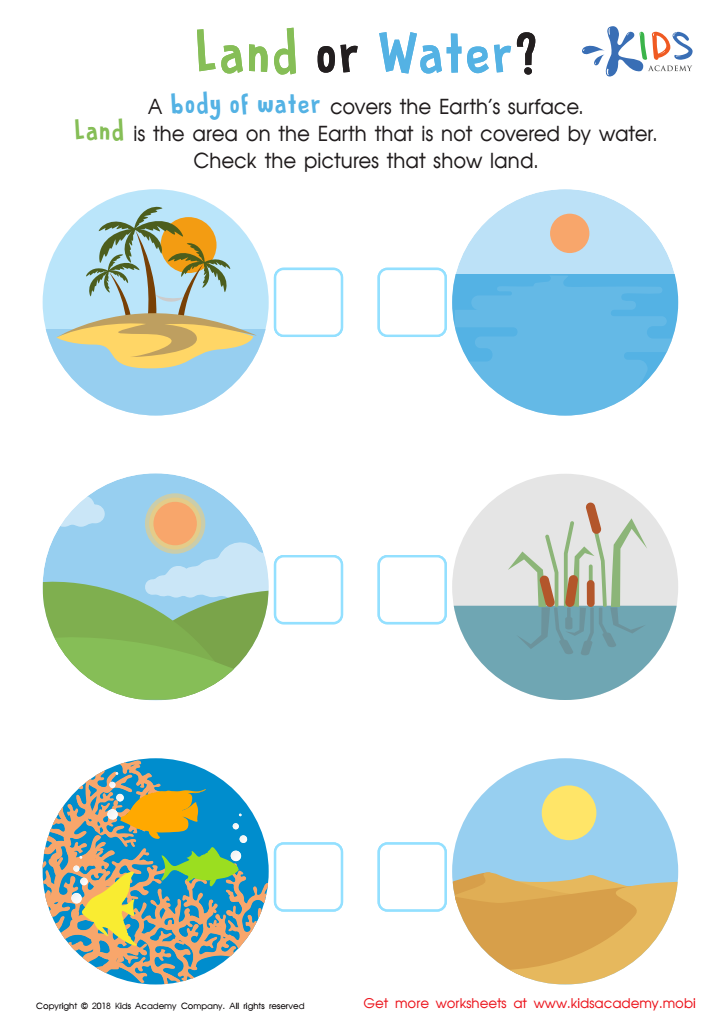
Land or Water Worksheet
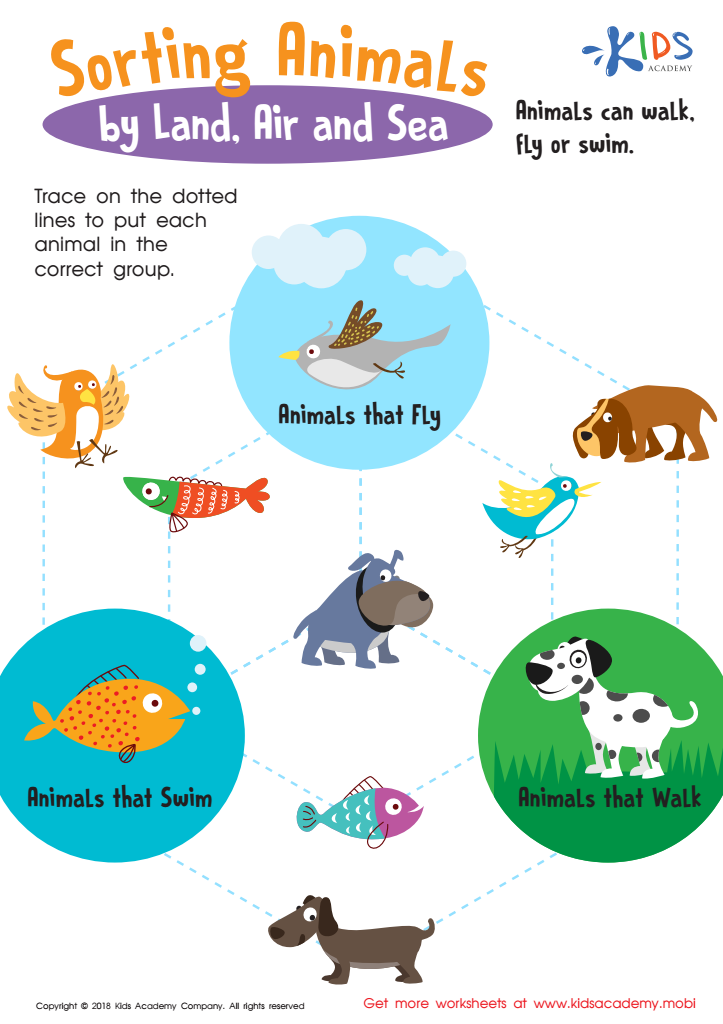
Sorting Animals by Land, Air and Sea Worksheet
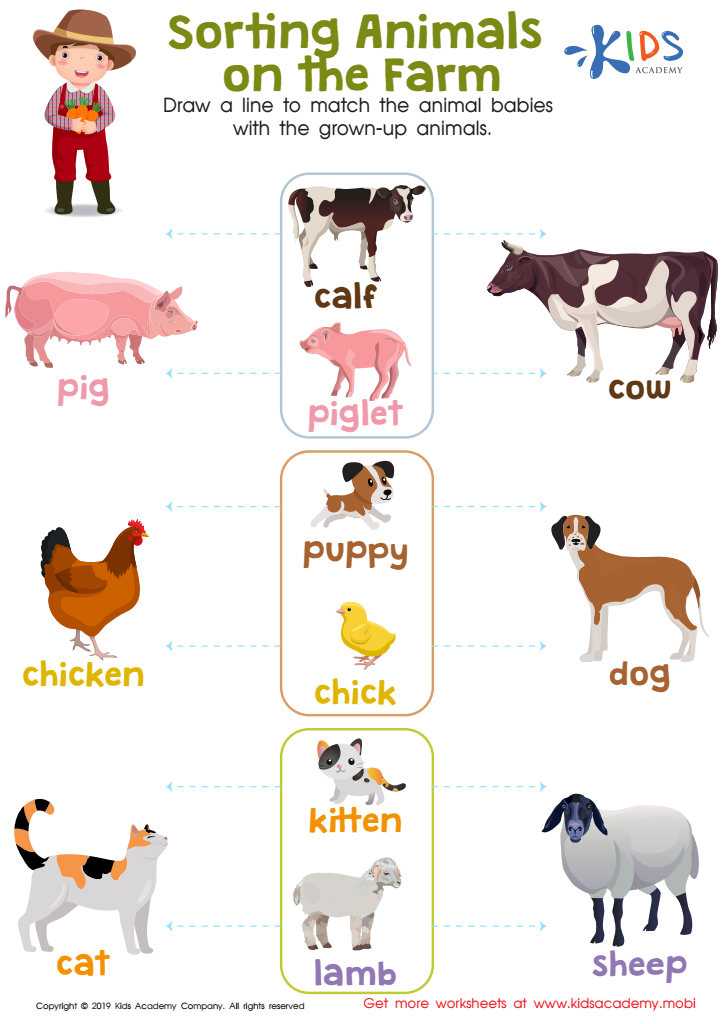
Sorting Animals on the Farm Worksheet








Understanding habitats is vital for children aged 3-5, as it lays the foundation for their appreciation of nature and the environment. At this age, children are naturally curious and eager to explore the world around them. Teaching them about habitats—from forests and oceans to wetlands and grasslands—opens up a universe of learning opportunities.
Firstly, it enhances their understanding of life sciences, introducing key concepts about where animals and plants live and how they interact. This early education fosters curiosity and ignites a passion for exploration, which is essential for cognitive development.
Secondly, learning about habitats encourages empathy toward living beings. As children discover that every organism has a role in its habitat, they begin to understand the importance of protecting ecosystems, fostering a sense of responsibility for the environment.
Moreover, activities related to habitats promote social skills. Children often engage in group projects or discussions about different environments, enhancing their communication and collaboration abilities.
Ultimately, nurturing an understanding of habitats not only enriches the educational experience but also cultivates environmentally conscious individuals who are more likely to become stewards of the planet in the future. Teachers and parents play pivotal roles in guiding this early learning journey.








