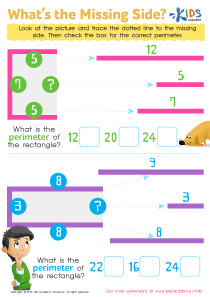
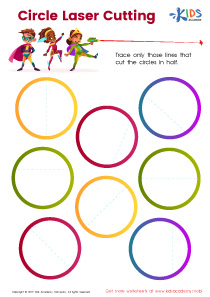
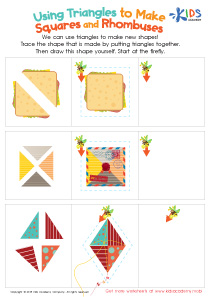
Pattern recognition Normal 2D Shapes Worksheets for Ages 3-5
3 filtered results
-
From - To
Discover our engaging Normal 2D Shapes Worksheets designed for children ages 3-5, focusing on pattern recognition! These worksheets provide young learners with fun and interactive activities to identify and create patterns using basic 2D shapes. As kids discover how triangles, circles, squares, and rectangles interact in various arrangements, they develop essential pre-math skills while enhancing their cognitive abilities. Perfect for home or classroom use, these resources cultivate creativity and critical thinking in an entertaining way. Join us in helping little ones explore the world of shapes and patterns, laying a strong foundation for future learning in mathematics!
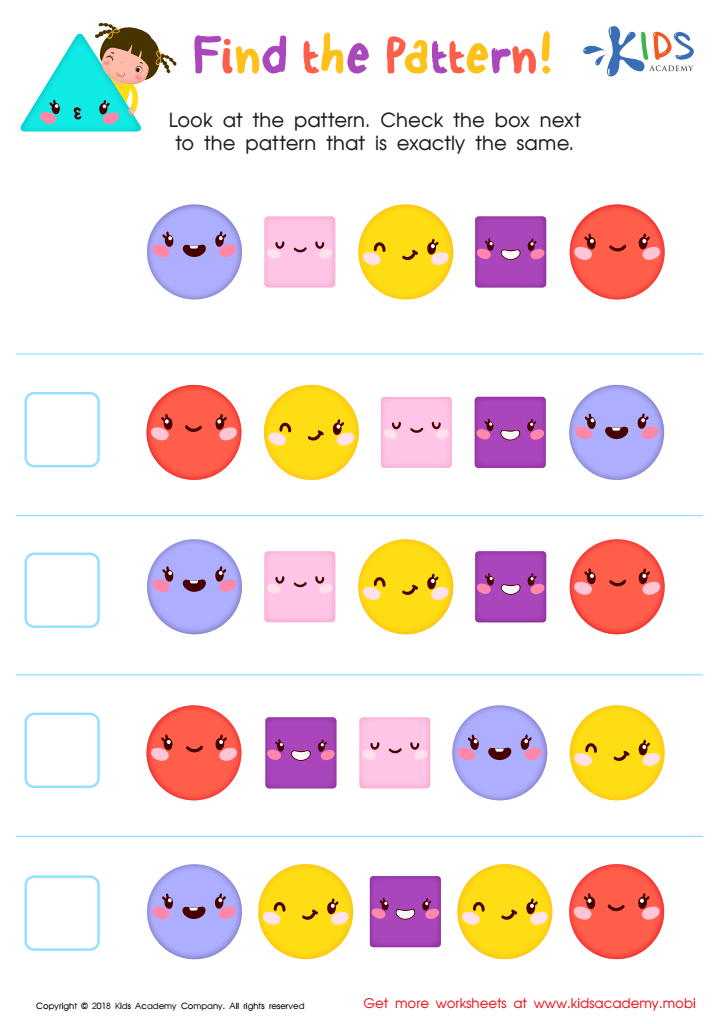
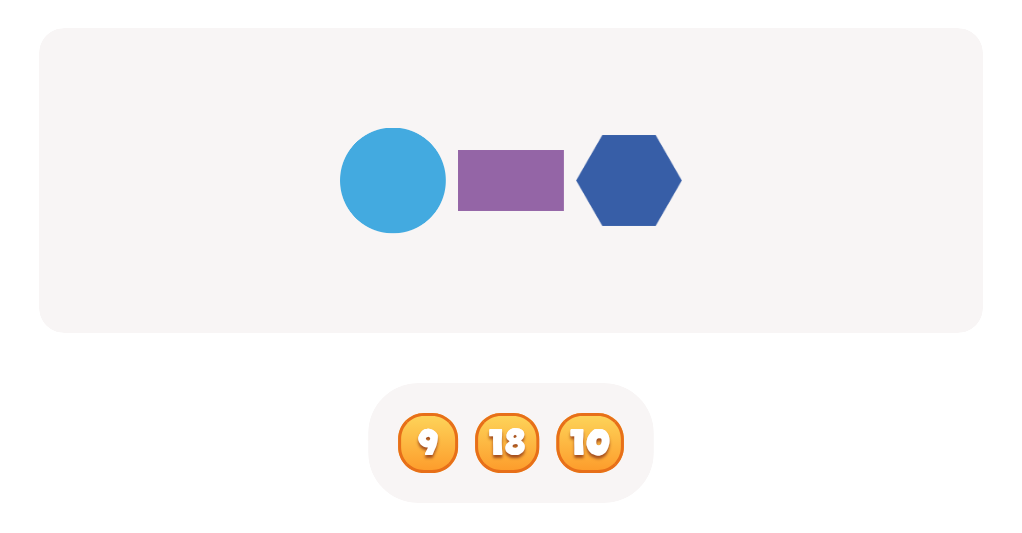
Find the Pattern Worksheet
 Assign to My Students


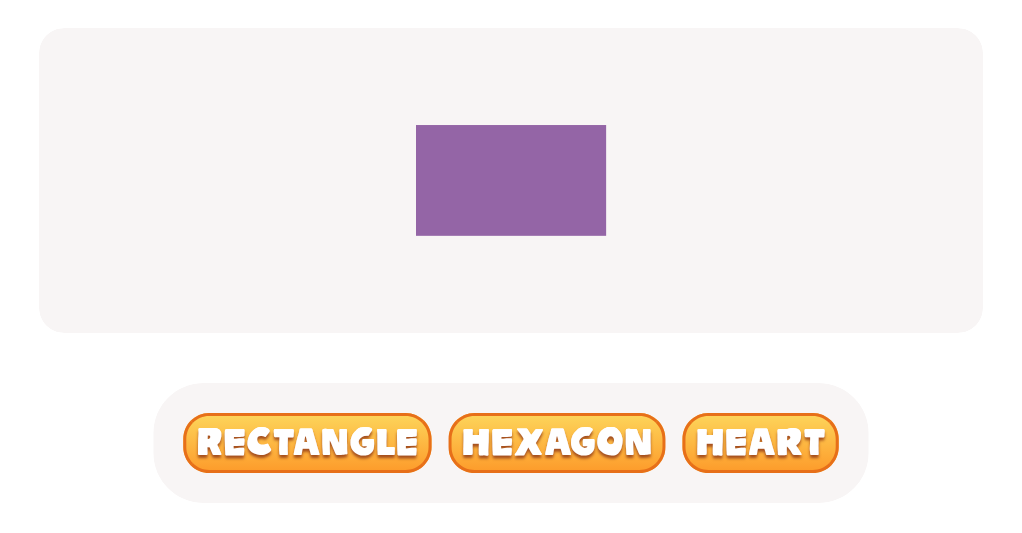
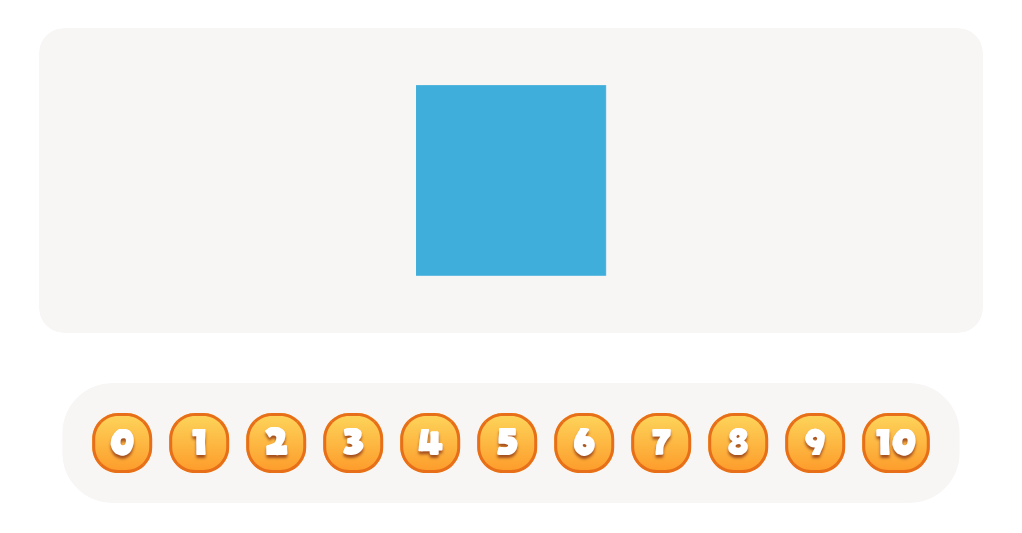


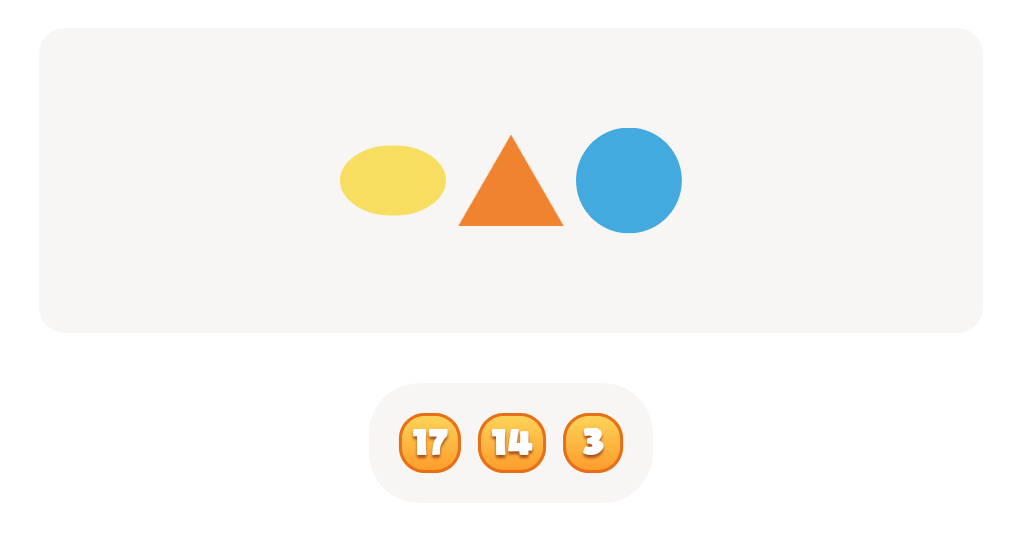
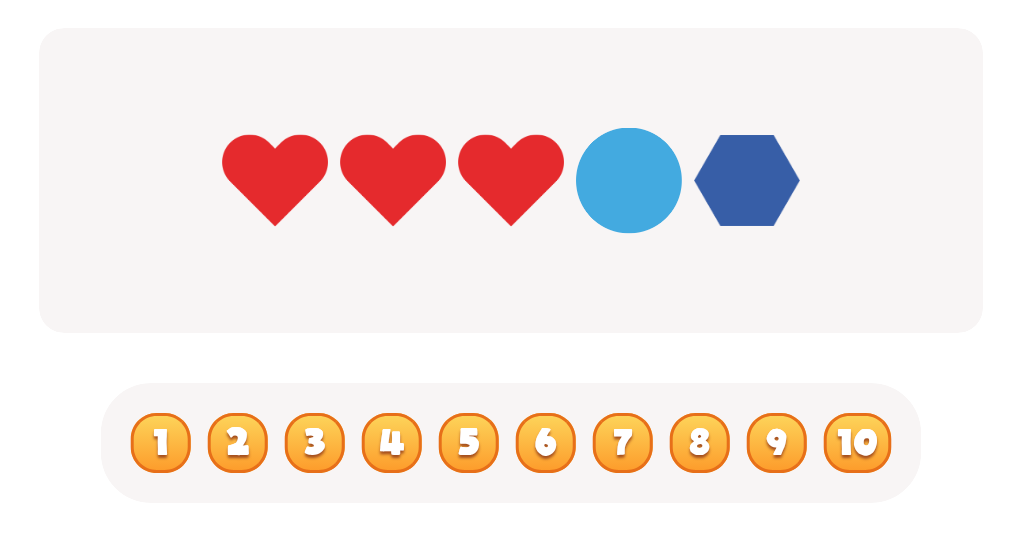


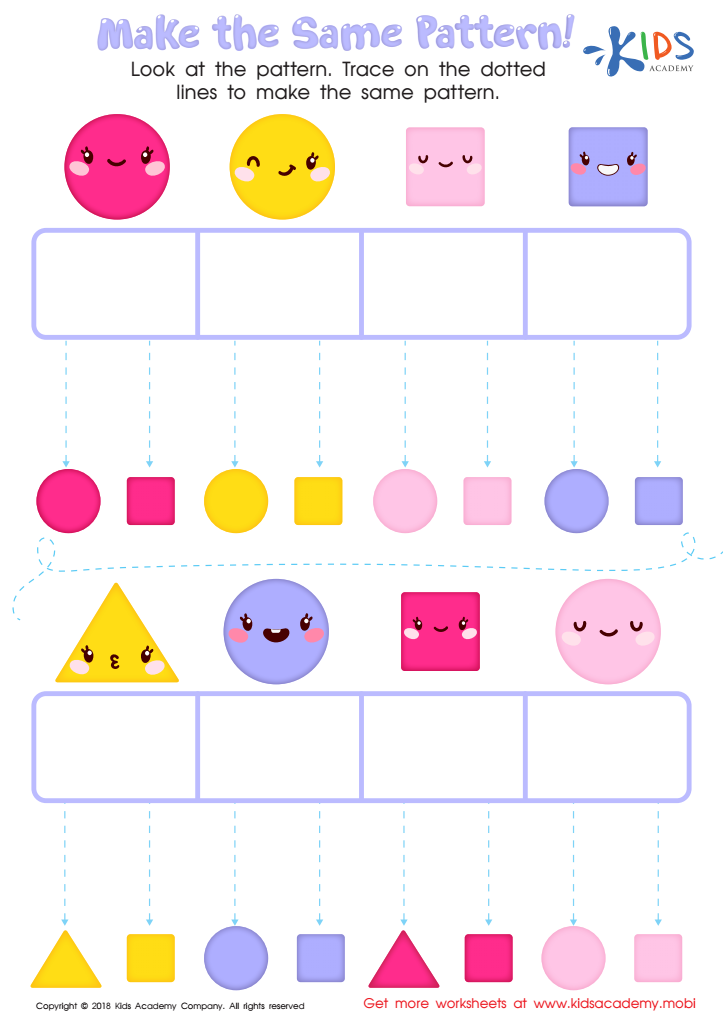
Make the Same Pattern Worksheet
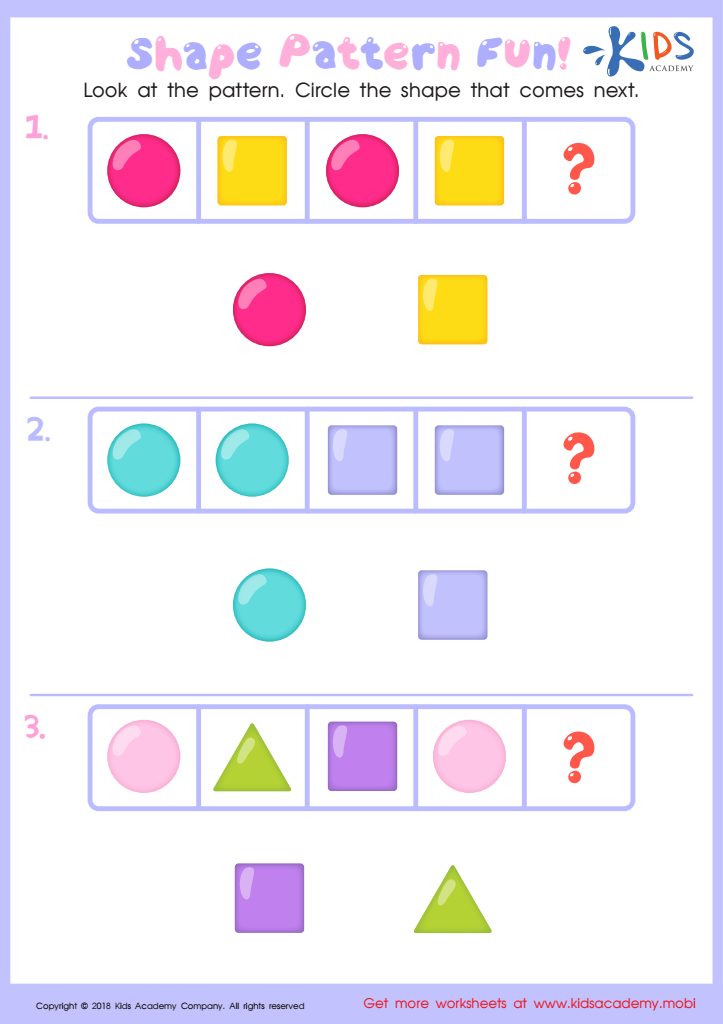
Shape Pattern Fun Worksheet








Pattern recognition and understanding normal 2D shapes are fundamental skills for children aged 3-5 that lay the groundwork for future learning. At this early age, children are naturally curious and eager to explore their surroundings, making it an ideal time to introduce concepts of patterns and shapes. Recognizing patterns helps develop their cognitive skills, including critical thinking and problem-solving. This early exposure supports their ability to make connections, predict outcomes, and enhances their overall mathematical reasoning.
Moreover, shapes are present in everyday life, and being able to identify and name them boosts children’s spatial awareness and fine motor skills. Activities that involve sorting, matching, and arranging shapes not only engage children but also promote social skills as they interact with peers or adults during play.
Teachers and parents play a crucial role in this developmental stage, as engaging in shape and pattern activities can enhance communication skills and vocabulary. By caring about pattern recognition and 2D shapes, adults ensure that children are equipped with foundational knowledge that not only benefits their academic growth but also enriches their ability to observe and navigate the world around them, fostering a lifelong love for learning.