Reading comprehension Normal 2D Shapes Worksheets for Ages 3-5
4 filtered results
-
From - To
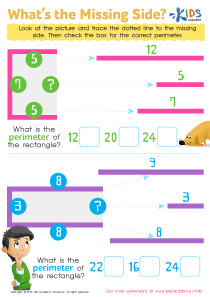
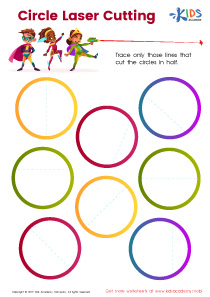
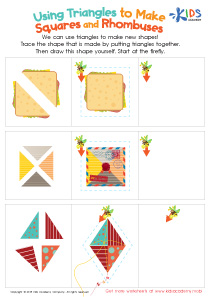
Discover engaging "Reading Comprehension Normal 2D Shapes Worksheets" designed for children ages 3 to 5. These interactive worksheets combine reading practice with fundamental geometry by introducing young learners to basic 2D shapes like circles, squares, and triangles. Each activity not only enhances shape recognition and reading comprehension but also boosts fine motor skills through coloring and tracing. Perfect for preschool and kindergarten, these worksheets are an enjoyable way to develop early literacy and math skills. Encourage your child's learning and curiosity with these expertly crafted educational tools designed to make early education both informative and fun.
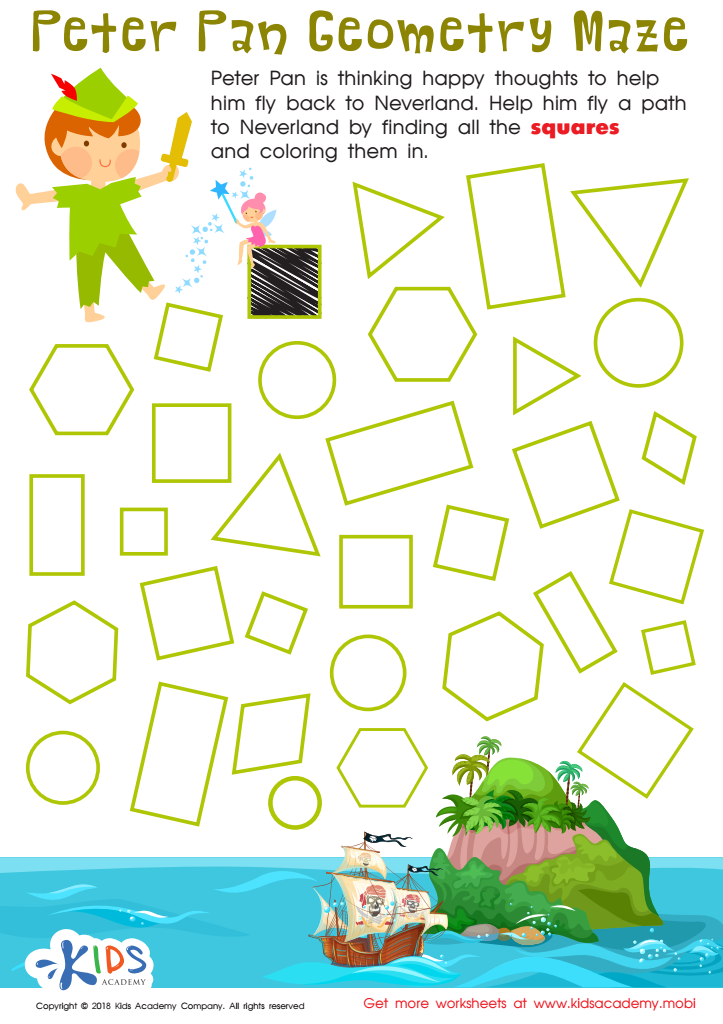
Peter Pan Worksheet
 Assign to My Students











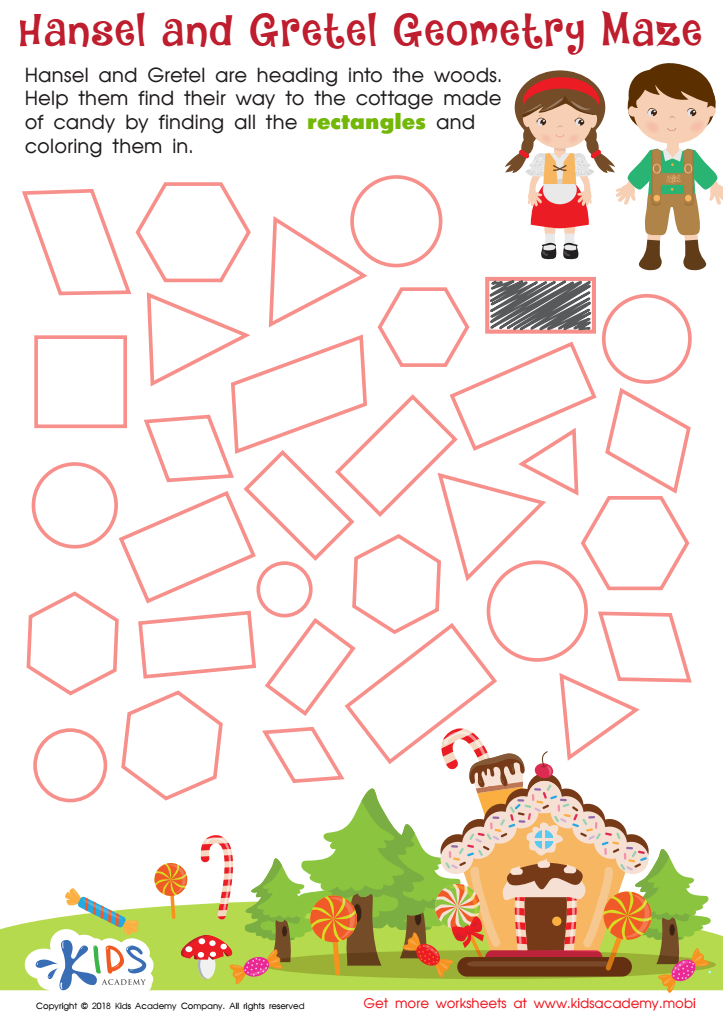
Hansel and Gretel Geometry Maze Worksheet
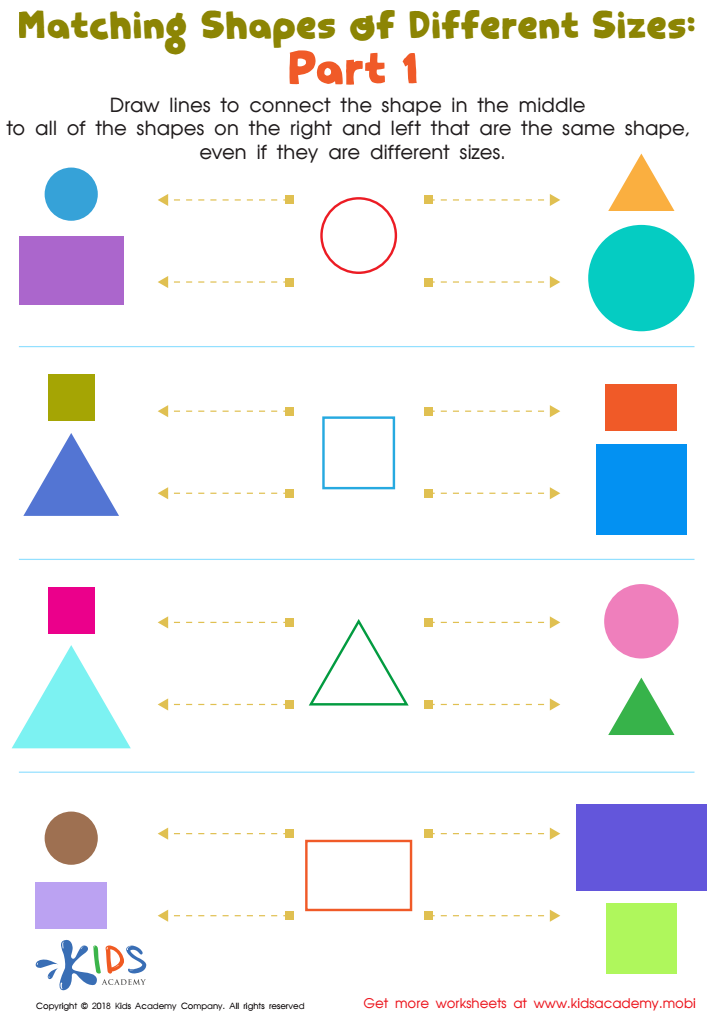
Geometry: part 1 Worksheet
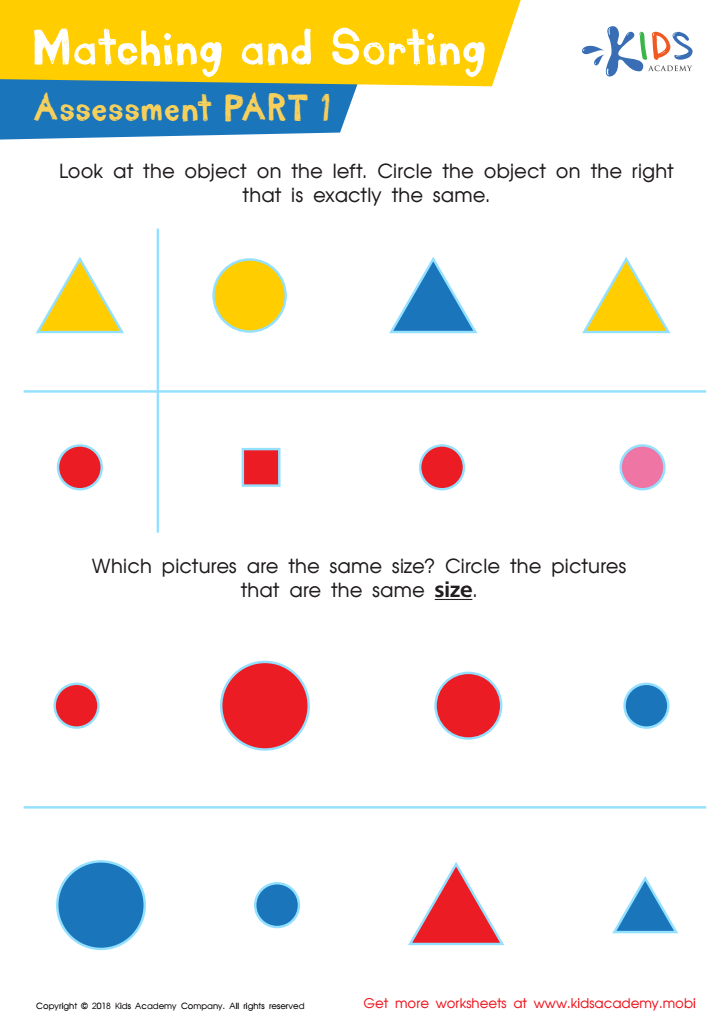
Matching and Sorting for Kindergarten: Assessment 1 Worksheet








Reading comprehension and familiarity with normal 2D shapes are foundational skills for young children aged 3-5, and parents and teachers should prioritize them for several compelling reasons.
Firstly, reading comprehension at an early age sets the stage for overall academic success. When children understand what they read, they engage more deeply with the material, fostering a love for learning that transcends beyond books. Early comprehension skills also build cognitive abilities, such as attention and memory, which are essential for future learning and problem-solving.
Simultaneously, recognizing and comprehending 2D shapes lays the groundwork for future mathematical skills. Children need to identify shapes like circles, squares, and triangles to grasp more complex geometric concepts later on. This knowledge enhances their spatial awareness and reasoning, abilities critical for subjects like math, art, and science.
Moreover, integrating 2D shapes with reading activities can significantly enrich vocabulary and verbal skills. Books that incorporate shapes can help children make connections between words and visual representations, which is vital for language development.
In essence, focusing on reading comprehension and 2D shapes equips young children with the necessary tools for academic success and cognitive development. It encourages curiosity, enhances critical thinking, and provides a holistic foundation that parents and teachers should be eager to build upon.