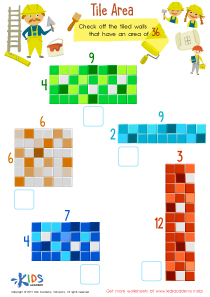
Counting skills Normal Numbers Worksheets for Ages 3-5 - Page 3
51 filtered results
-
From - To
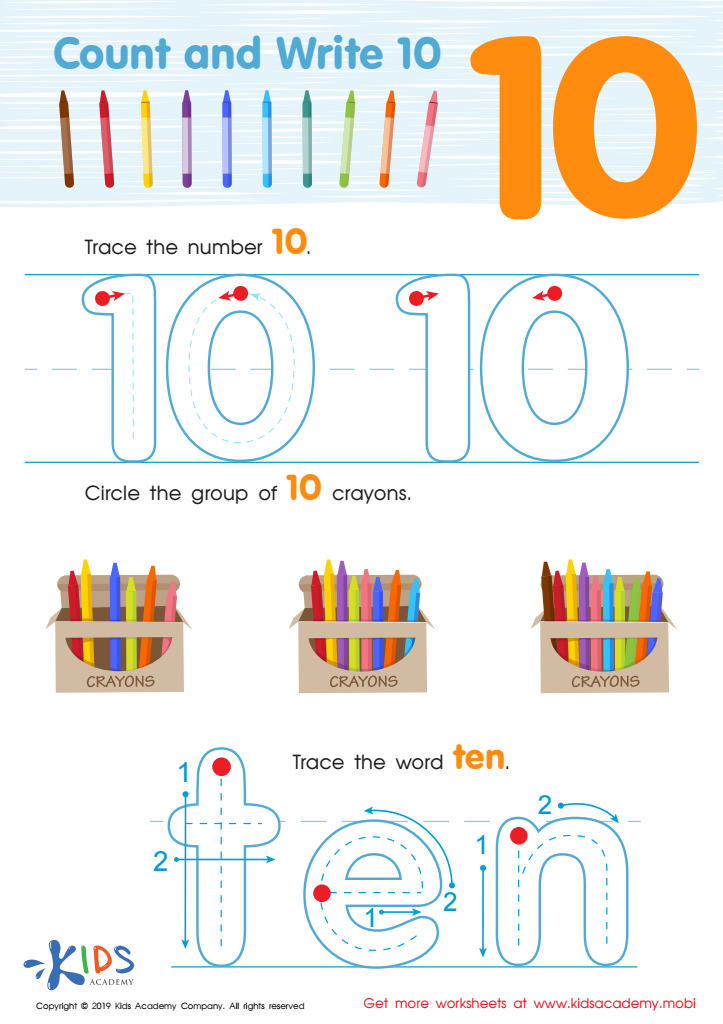
Count and Write 10 Worksheet
 Assign to My Students
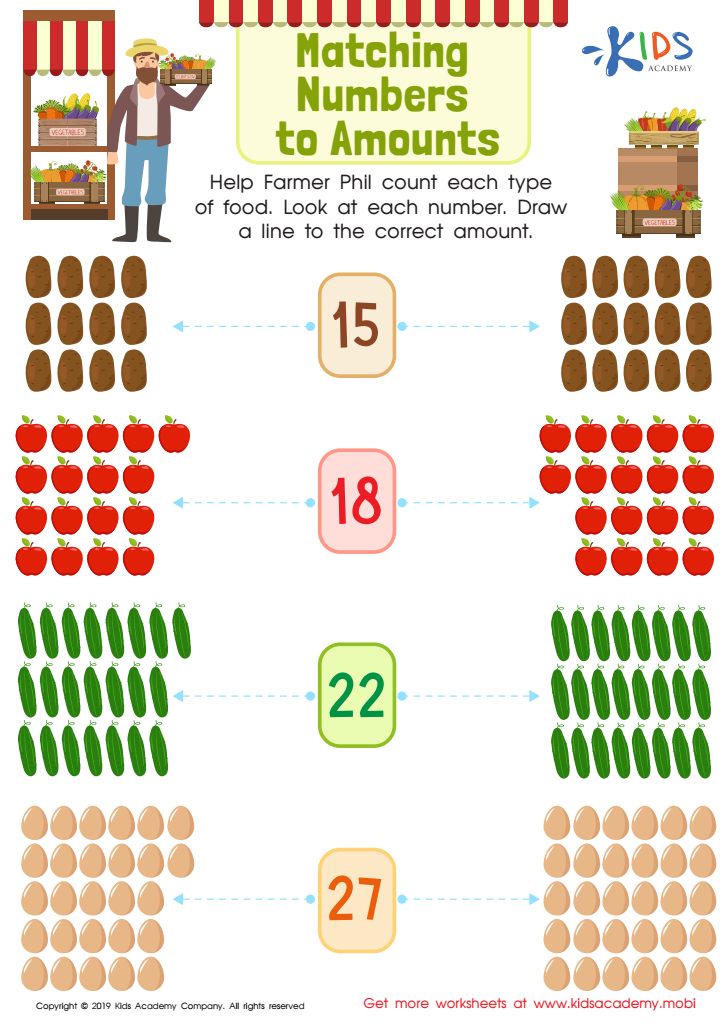
Matching Numbers to Amounts Worksheet
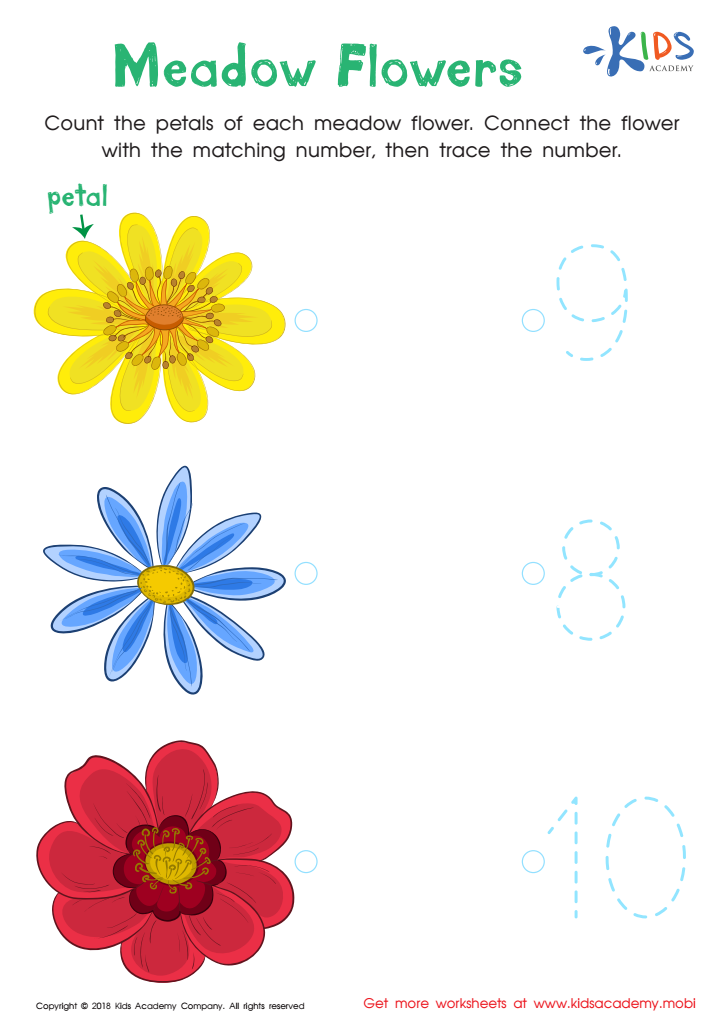
Kindergarten Number Tracing: Medow Flowers Worksheet




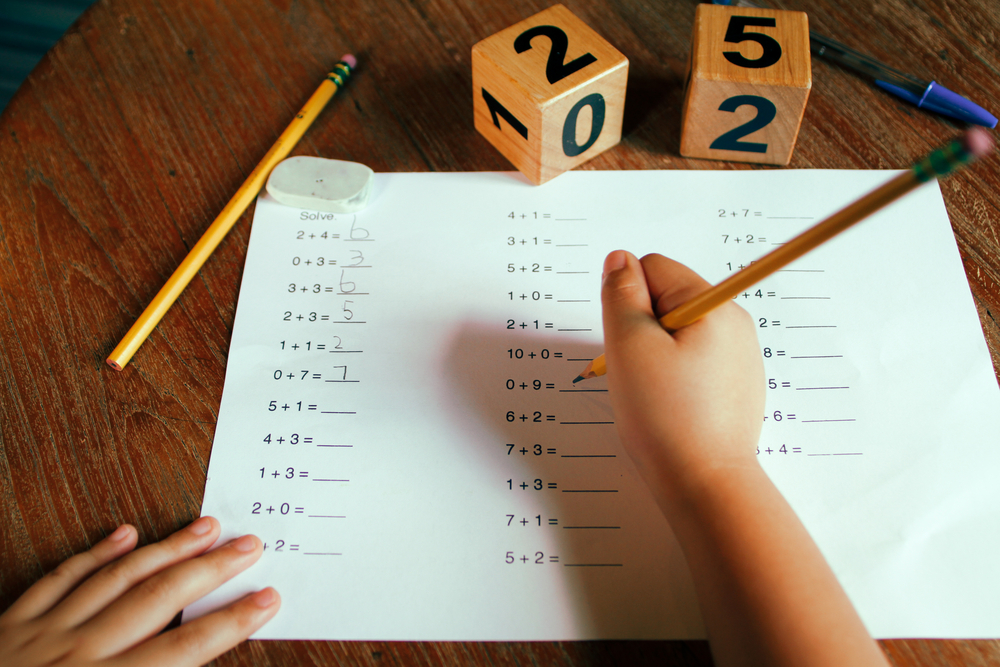



Counting skills with normal numbers are foundational for young children aged 3-5, serving as building blocks for future mathematical understanding and everyday functioning. At this developmental stage, children are like sponges, rapidly absorbing new information. Here are important reasons why parents and teachers should prioritize these skills:
-
Cognitive Development: Counting teaches children basic number concepts and nurtures thinking patterns important for problem solving. Understanding the sequence of numbers enhances memory and recall abilities.
-
Mathematical Foundation: Proficiency in counting is crucial for grasping more complex mathematical concepts, such as addition, subtraction, and place value. These skills are essential for academic success in the years to come.
-
Language Development: Learning numbers involves verbalizing, listening, and comprehending which naturally supports language growth. It expands their vocabulary with terms like 'more', 'less', 'equal', which also integrates into daily conversation.
-
Practical Life Skills: Counting is a practical daily skill used in tasks such as sorting objects, understanding time (days, weeks), and handling money. Practical use cases instill a sense of autonomy and confidence.
-
Precision and Attention: It's also an excellent way to improve focus and carefulness, necessitating attention to detail while reinforcing patience and persistence through repetitive practice.
In conclusion, these developing counting skills create a strong foundation, providing a springboard for academic achievement, and necessary life skills. Supporting the acquisition and refinement of counting at this age is crucial in setting children up for future success.