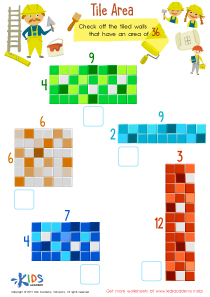
Visual perception Normal Numbers Worksheets for Ages 3-5
7 filtered results
Difficulty Level
Grade
Age
-
From - To
Subject
Activity
Standards
Enhance your child’s learning experience with our engaging Visual Perception Normal Numbers Worksheets designed for ages 3-5. These worksheets are crafted to support early childhood education by helping young learners develop essential visual skills while recognizing and connecting with numbers. Through fun activities and colorful illustrations, your little ones will practice identifying, comparing, and organizing numbers, building a solid foundation for future math skills. Our carefully structured worksheets make learning enjoyable, ensuring that kids stay motivated and excited about numbers. Explore our collection today and watch your child's confidence in math grow as they develop vital visual perception skills!
Favorites
With answer key
Interactive
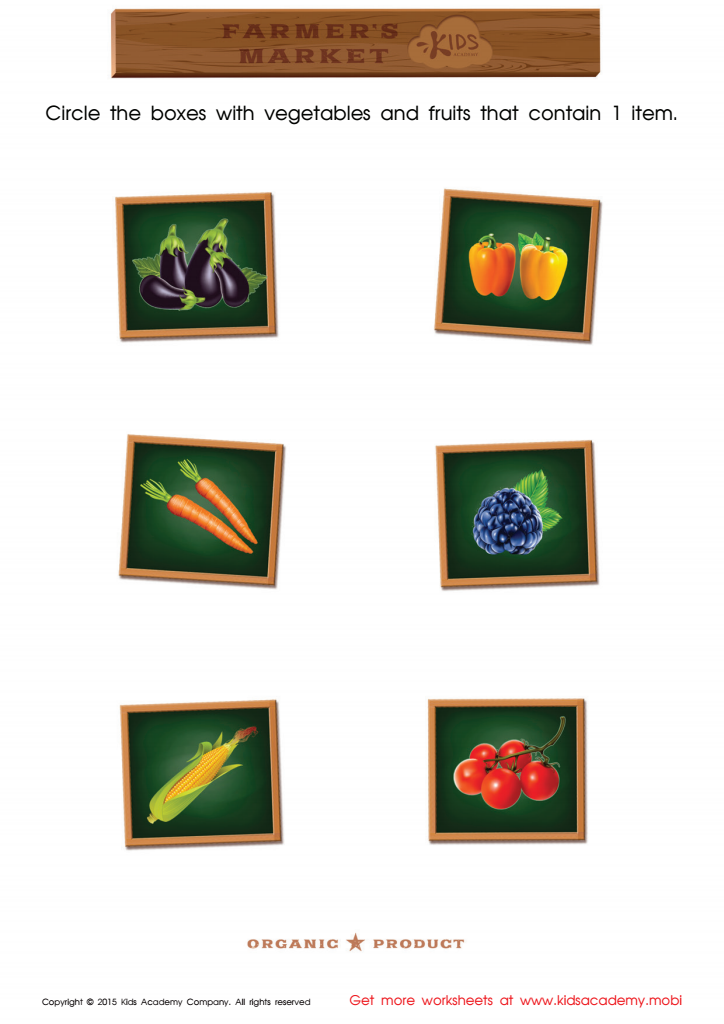
Count and Match Boxes with Vegetables
Print one and help your kid sharp his counting skills. With a variety of veggies to count, such as raspberries and eggplants, your little mathematician will have lots of fun.
 Assign to My Students
Count and Match Boxes with Vegetables
Worksheet
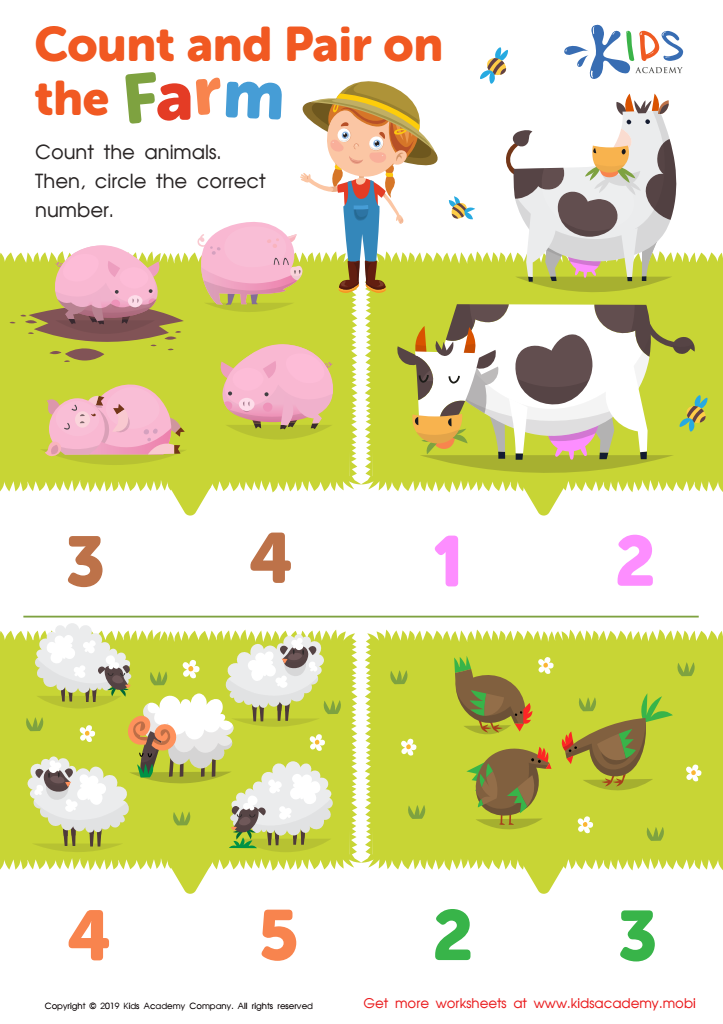
Count and Pair on the Farm Worksheet
Farms are essential to our society: they grow food and crops, and raise animals for us to use. Kids can have a great time at a farm, engaging in activities like identifying animals, counting them, and circling the correct number. On this worksheet, ask your kids to try all three!
Count and Pair on the Farm Worksheet
Worksheet
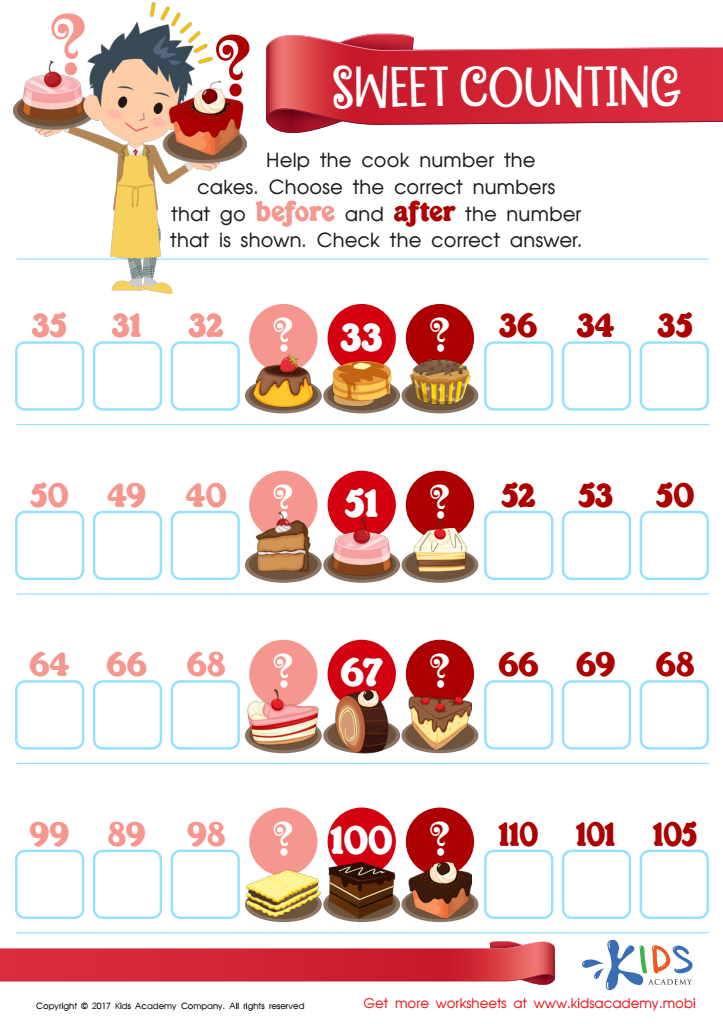
Sweet Counting - Part 1 Worksheet
Help your child learn numbers by counting cakes! Download this fun worksheet and have them fill in the numbers missing in the line of cakes. They'll have fun helping the cook and be learning at the same time!
Sweet Counting - Part 1 Worksheet
Worksheet
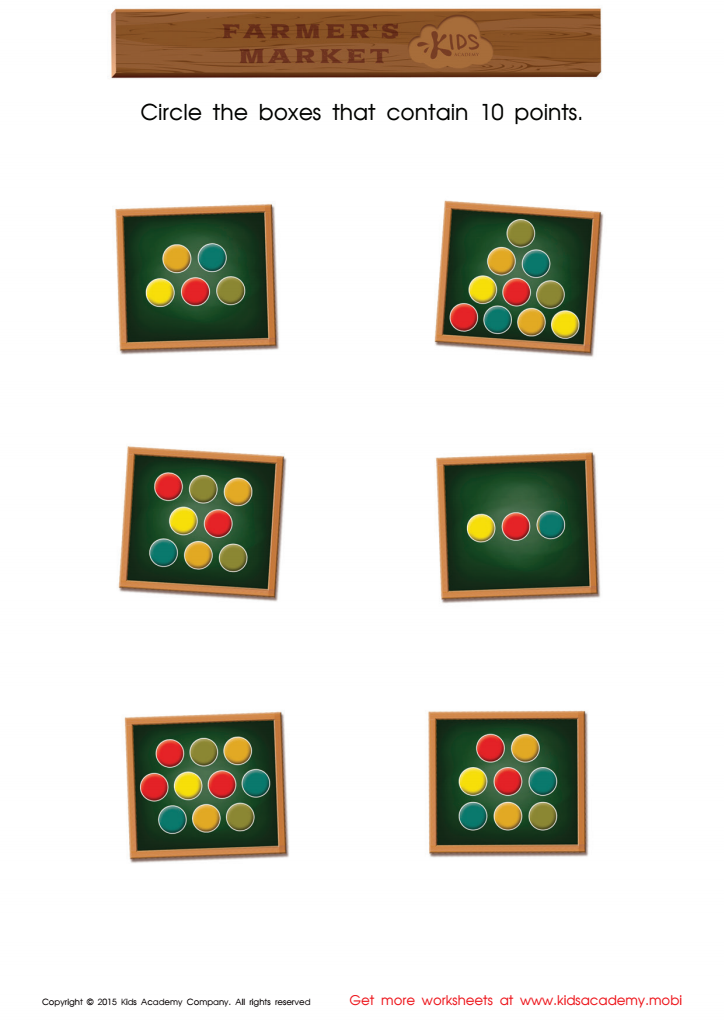
Count and Match Points 10 Math Worksheet
Help your youngster practice counting with this worksheet. Count the points in each box and circle any with up to 10 points. It will improve their counting and matching ability. Forget about addition and subtraction; it's time for a fun exercise for you both!
Count and Match Points 10 Math Worksheet
Worksheet
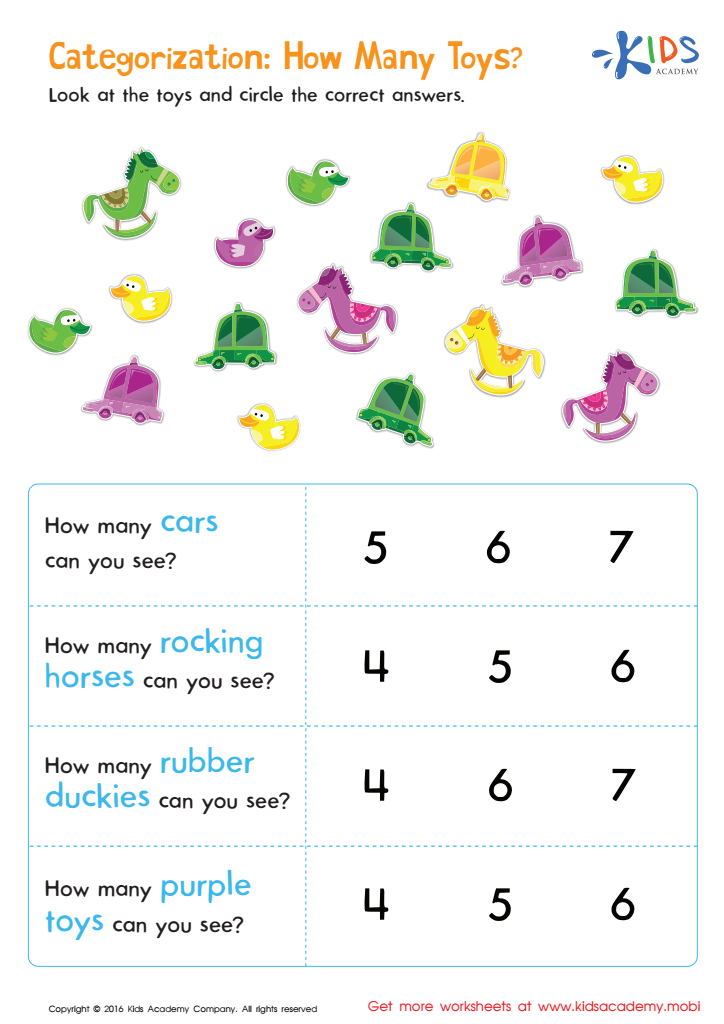
Classifying Toys by Type and Color Sorting Worksheet
Kids Academy offers free math worksheets to help practice counting, categorization & recognition skills. Kids will enjoy counting by color & type while strengthening problem-solving & literacy skills.
Classifying Toys by Type and Color Sorting Worksheet
Worksheet
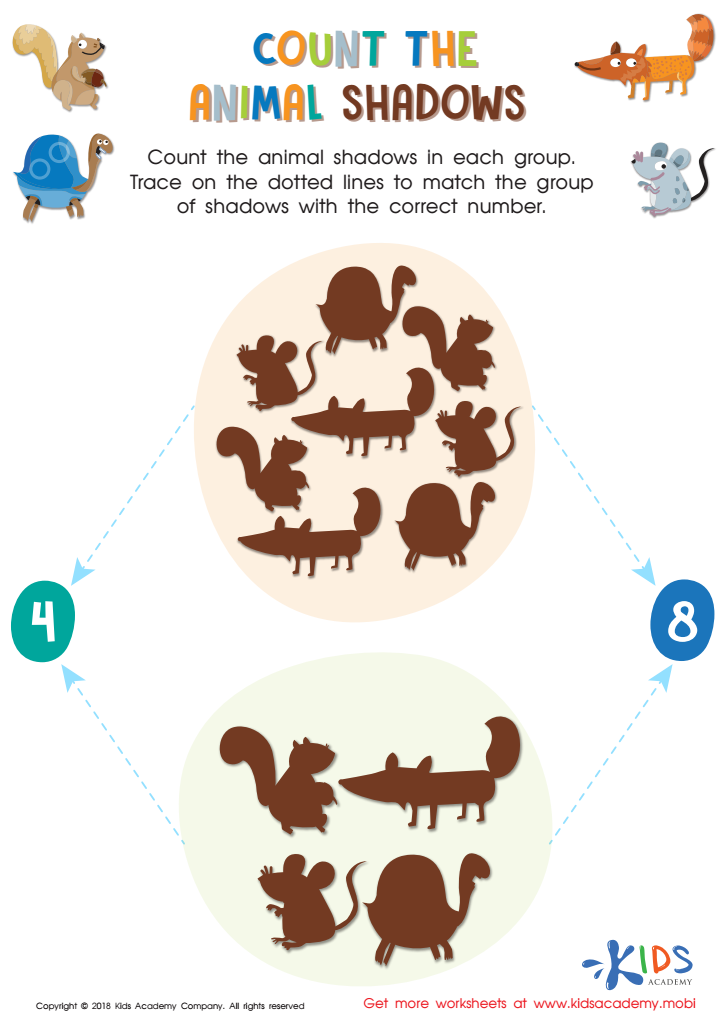
Count the Animal Shadows Worksheet
Our shadows accompany us wherever we go. Even your kids have seen theirs! Did they know that animals have shadows too? Count the animal shadows in each group with this worksheet. Ask your child to identify the animals pictured, then help them trace the dotted lines to match with the right number.
Count the Animal Shadows Worksheet
Worksheet
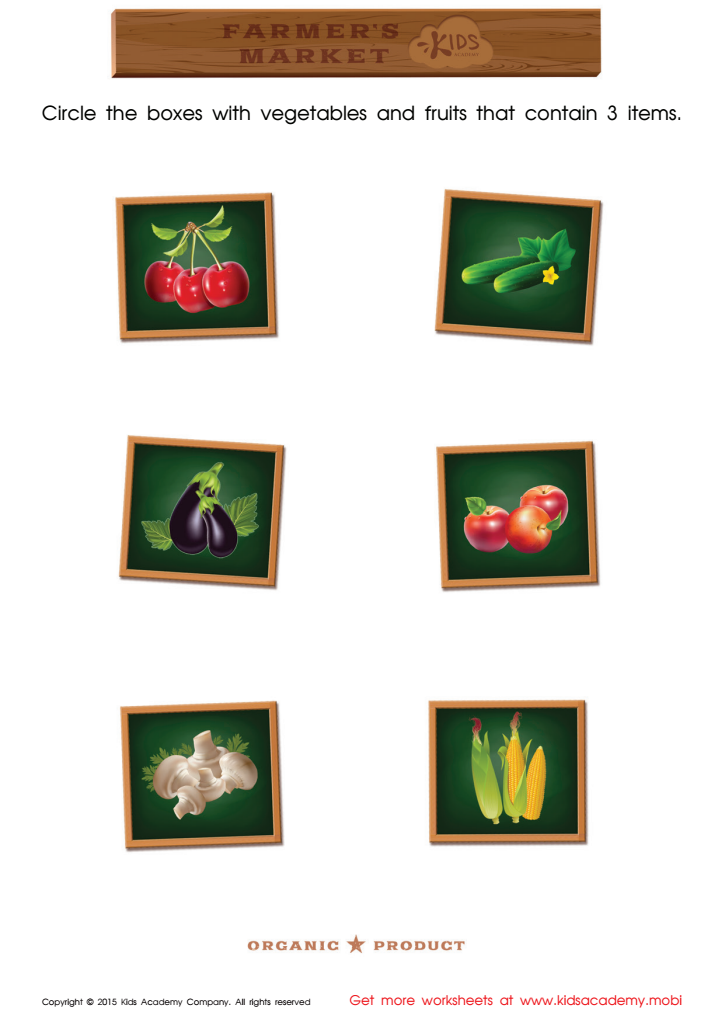
Count and Match Vegetables 1 – 5 Math Worksheet
Get your kindergartener to match the same number of vegetables with the boxes using this fantastic math worksheet. Using the Singapore approach, this printable worksheet makes math problems easy and fun for kids. Want more free worksheets? Click here for Kids Academy's selection!
Count and Match Vegetables 1 – 5 Math Worksheet
Worksheet
Join Kids Academy for Free
Who is primarily going to use this learning content?






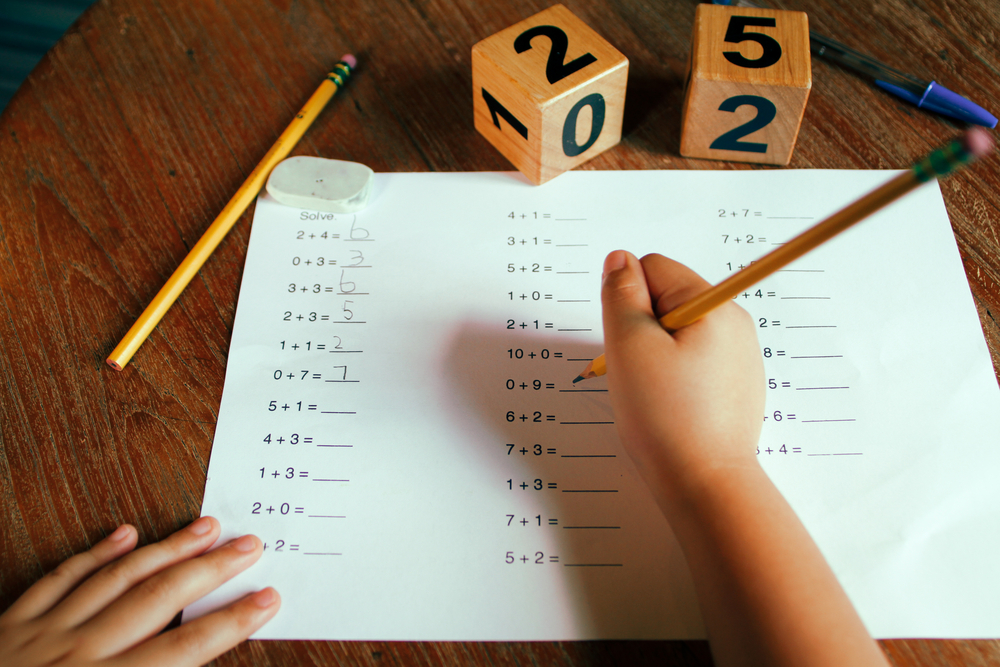

Visual perception is a critical skill for children aged 3-5, as it underlie their ability to interpret and interact with the world around them. Normal visual perception in young learners includes the ability to recognize shapes, differentiate colors, and understand spatial relationships. These competencies are essential for foundational skills such as reading, writing, and math. Supporting visual perception development helps nurture skills like hand-eye coordination, which are vital for tasks ranging from drawing to catching a ball.
Parents and teachers should care about fostering visual perception because strong visual processing can enhance a child’s confidence, independence, and academic success. Children with well-developed visual skills are typically more adept at learning through play and engaging in group activities. Additionally, an emphasis on visual perception early on can prevent potential learning difficulties later.
Incorporating games, puzzles, and creative activities that focus on visual perception in both home and school environments encourages exploration and cognitive development. Paying attention to these skills ensures that children are prepared for the more complex visual tasks they will encounter in formal education, ultimately setting them up for a long-term love of learning.