Sorting skills Normal Math Worksheets for Ages 3-5
7 filtered results
-
From - To
Sorting skills are fundamental for young learners aged 3-5, providing a strong foundation in mathematical thinking and organization. "Sorting Skills Normal Math Worksheets" by Kids Academy offer engaging activities that help children categorize objects based on size, color, shape, and more. These worksheets are carefully designed to enhance cognitive development and problem-solving abilities while making learning fun and interactive. By practicing sorting, children improve their attention to detail and analytical skills, setting the stage for future math success. Perfect for parents and educators, these printable resources support early childhood education with enjoyable and effective exercises.
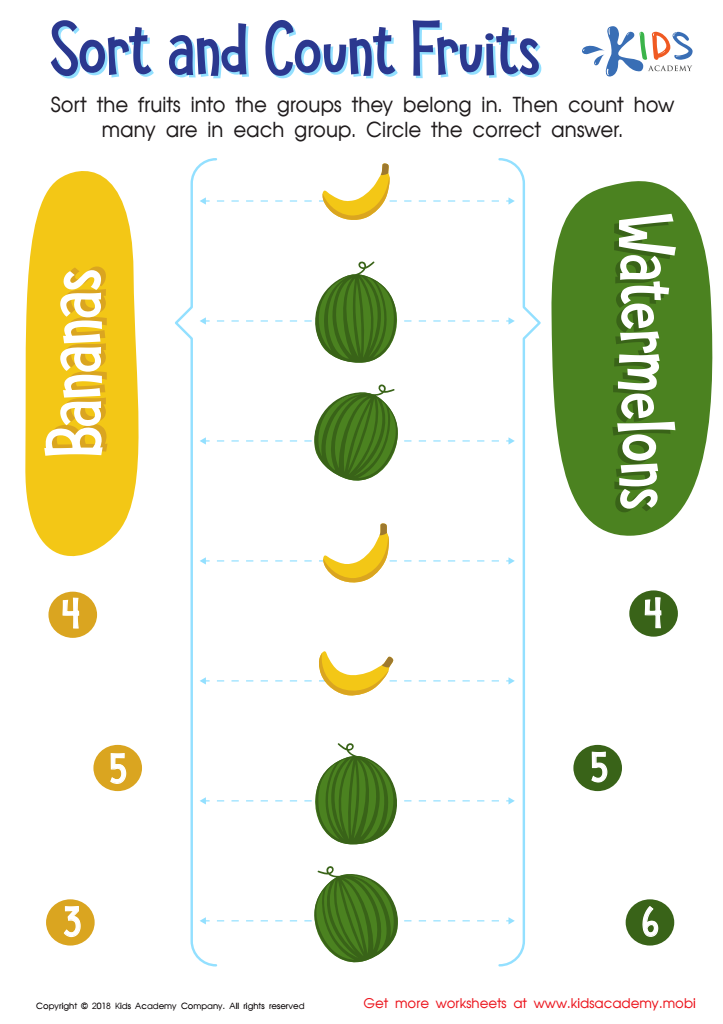
Sort and Count Fruits Worksheet
 Assign to My Students
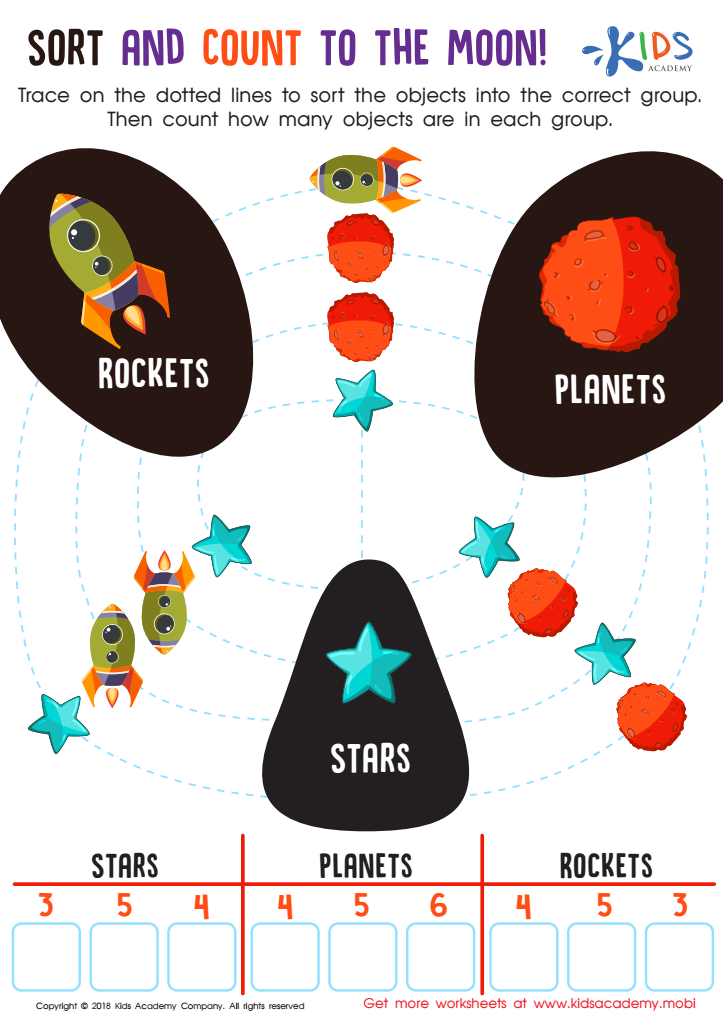
Sort and Count to the Moon Worksheet
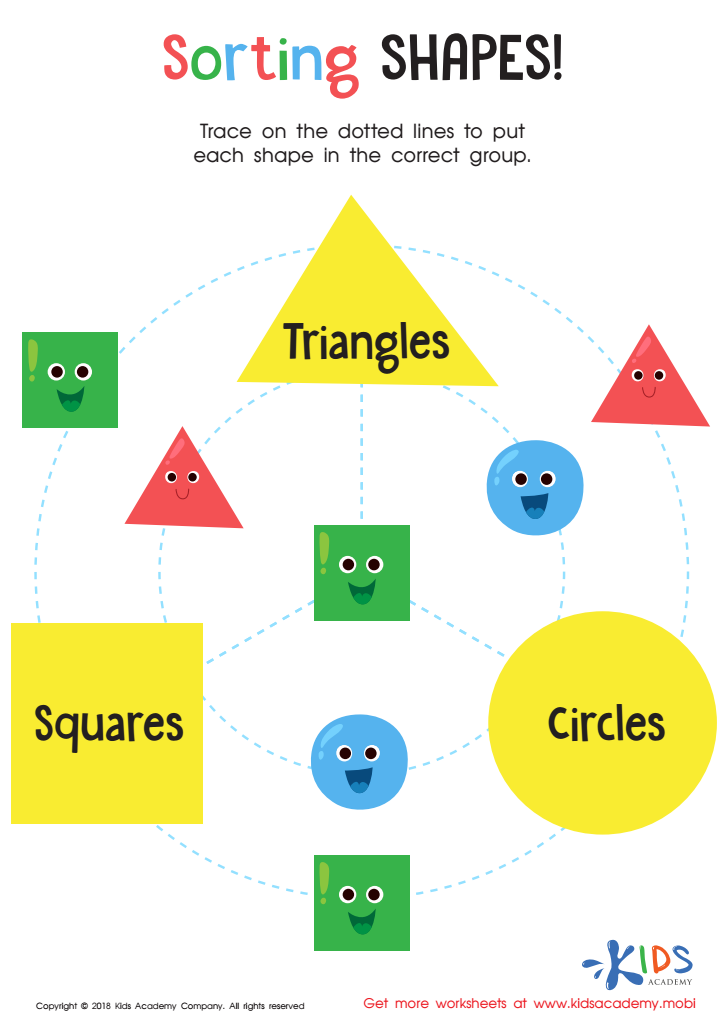
Sorting Shapes - Part 3 Worksheet
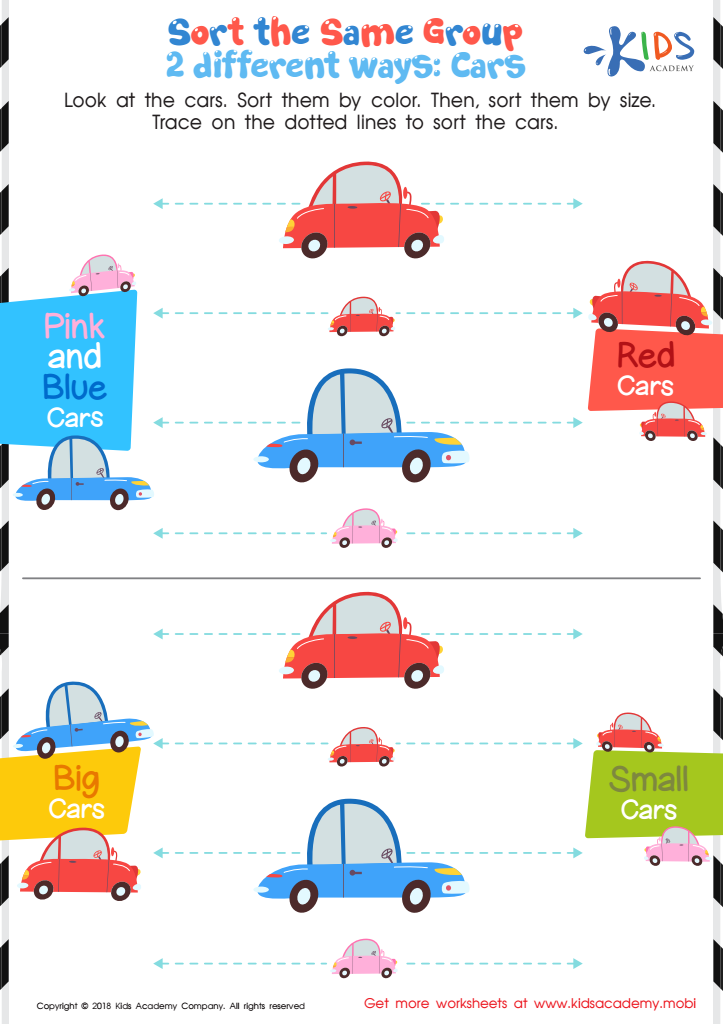
Sort the Same Group 2 Different Ways: Cars Worksheet
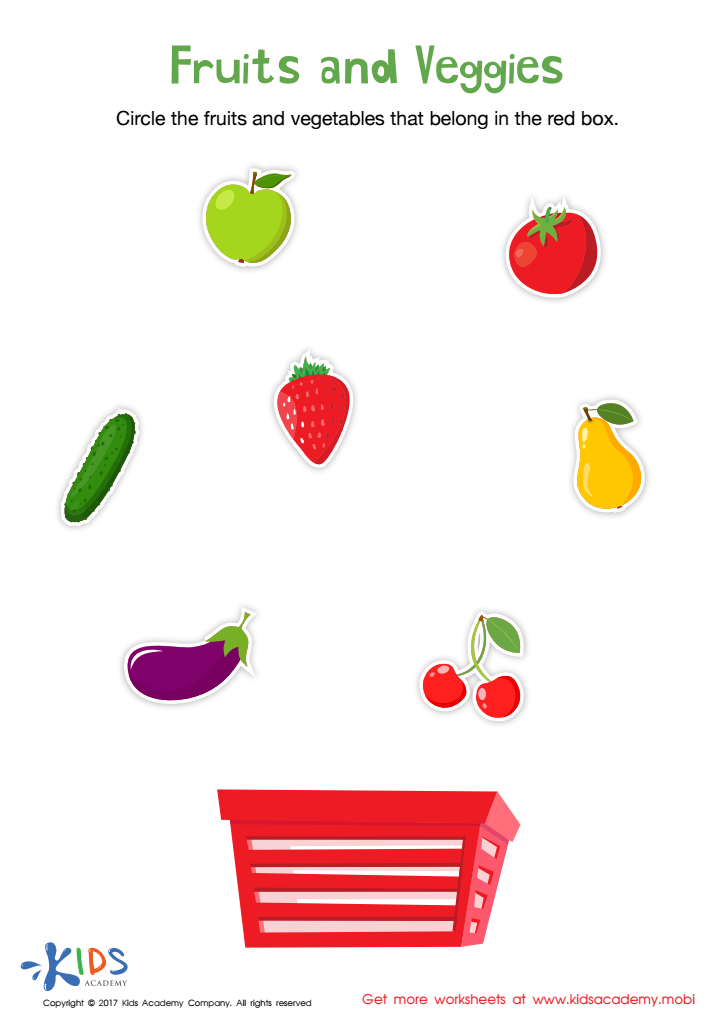
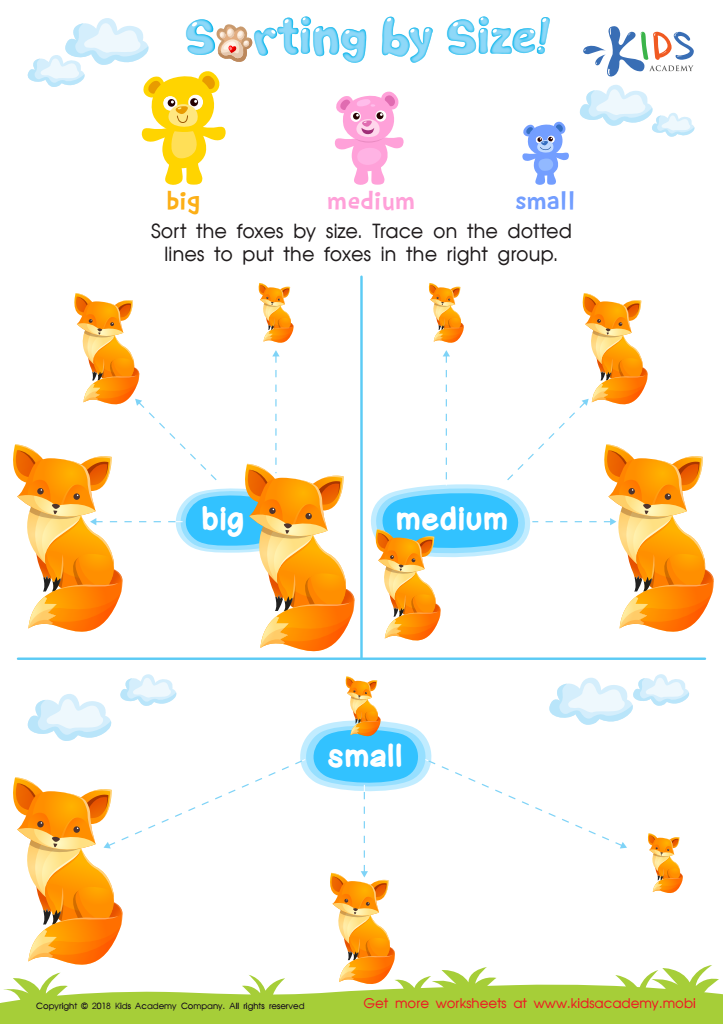
Sorting by Size Worksheet
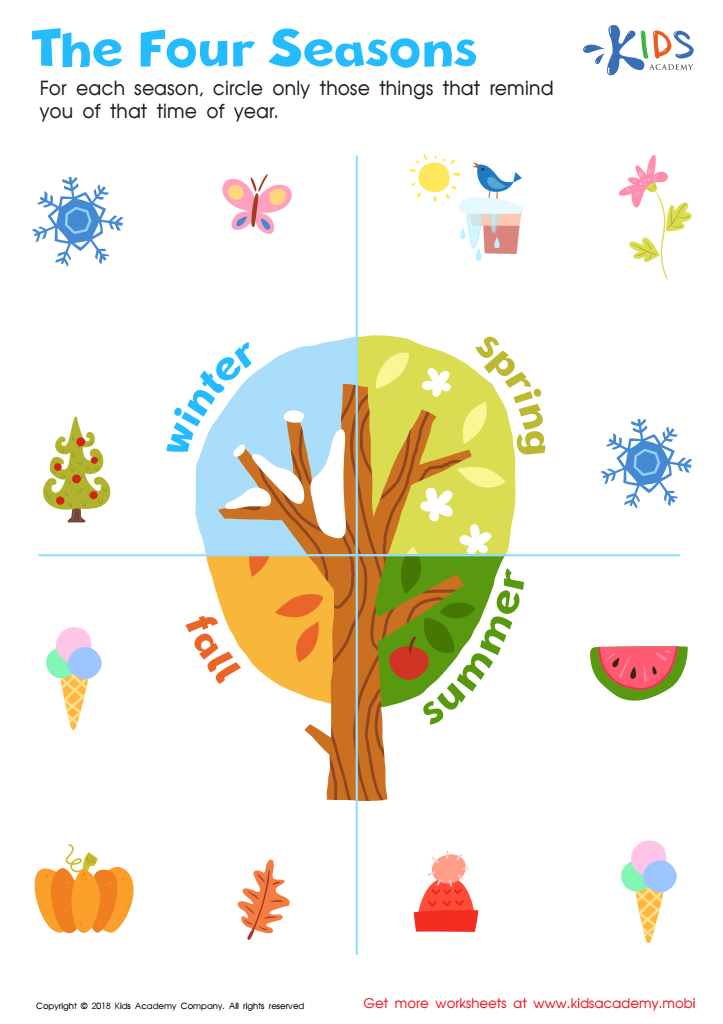
The Four Seasons Worksheet








Sorting skills in early childhood, typically for ages 3-5, play a critical role in cognitive and mathematical development. At this young age, children's ability to group objects based on color, shape, size, or other attributes lays the foundation for higher-level math skills and logical thinking. Learning to sort helps foster a child's capacity to categorize, make comparisons, and recognize patterns, which are vital components of problem-solving and critical thinking.
For parents and teachers, the importance of guiding children in developing sorting skills cannot be overstated. These activities enable children to improve their observational skills, narrate their reasoning, and build vocabulary through descriptive language. For instance, when sorting objects by color, kids learn the names of various colors and understand relationships, like noticing that some groups have more objects while others have fewer.
Moreover, sorting aids in teaching early math concepts such as counting, comparing quantities, and understanding one-to-one correspondence. It prepares children for future math tasks like addition and subtraction by providing visual and tangible experiences with grouping and organizing elements.
By supporting sorting activities, parents and teachers provide children with robust learning experiences that nurture their mathematical thinking as well as their ability to make sense of the world around them. This simple yet effective skill paves the way for academic success and practical life skills.








