Counting skills Normal Matching Worksheets for Ages 3-5
6 filtered results
-
From - To
Discover a world of fun and learning with our Counting Skills Normal Matching Worksheets designed specifically for ages 3-5! These engaging worksheets focus on enhancing early math skills through interactive matching activities. Young learners will develop their counting abilities while recognizing numbers and associating them with corresponding quantities. Each sheet is visually appealing and crafted to keep little minds captivated during their educational journey. Perfect for preschool and kindergarten classrooms, these worksheets foster a love for learning and build a strong foundation for future math skills. Download our Counting Skills worksheets today and watch your child thrive in their early numeracy understanding!
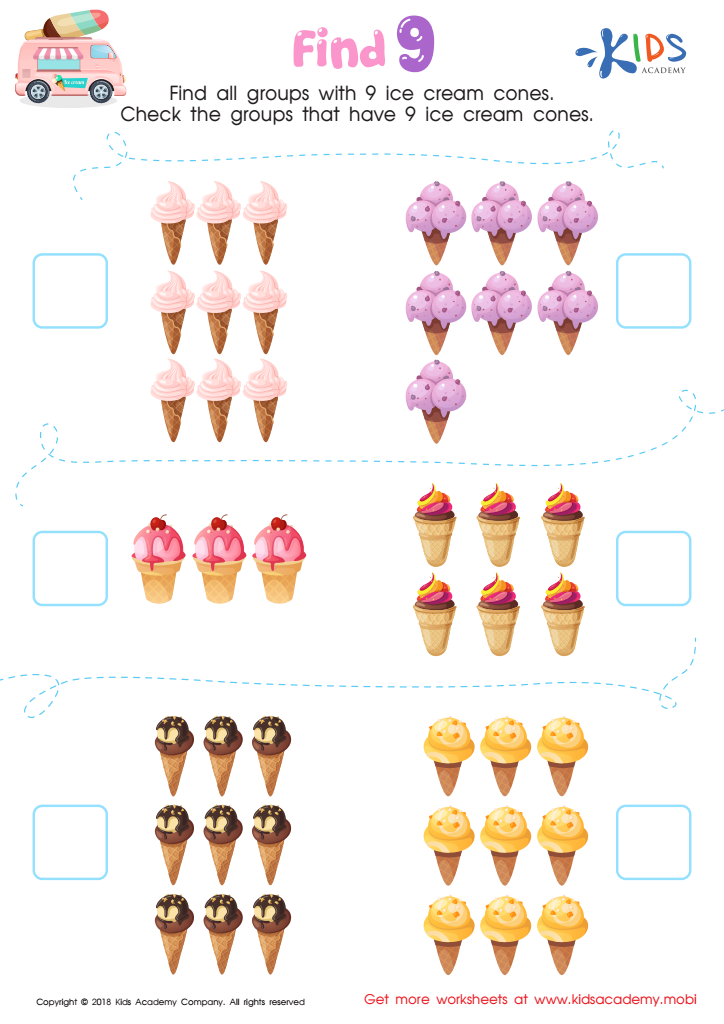
Find 9 Worksheet
 Assign to My Students
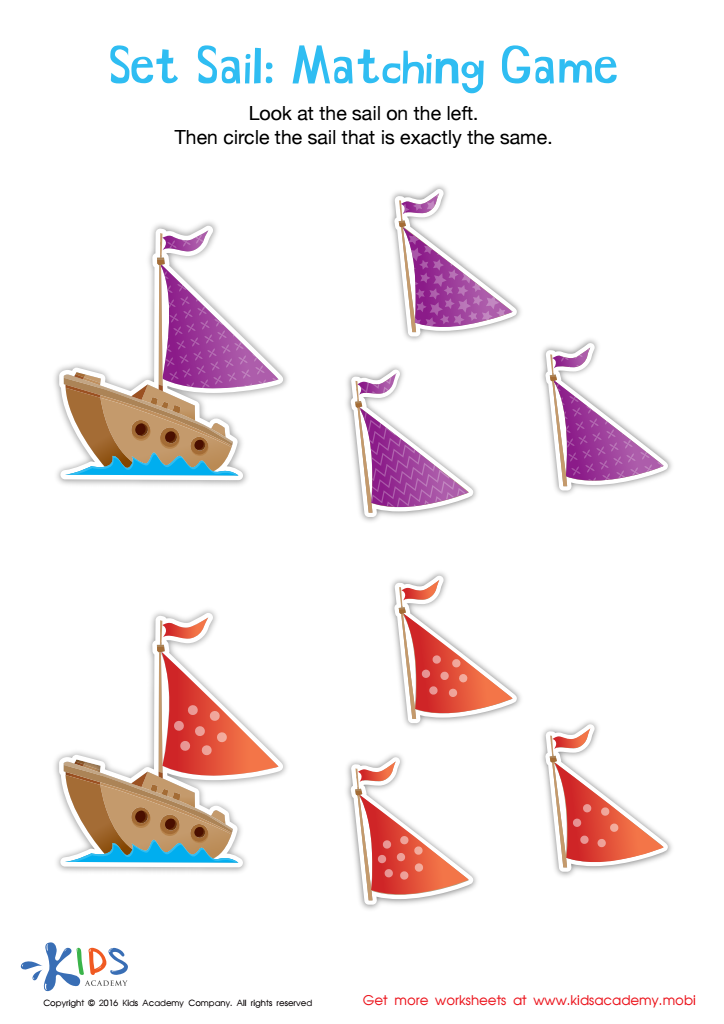
Set Sail Worksheet
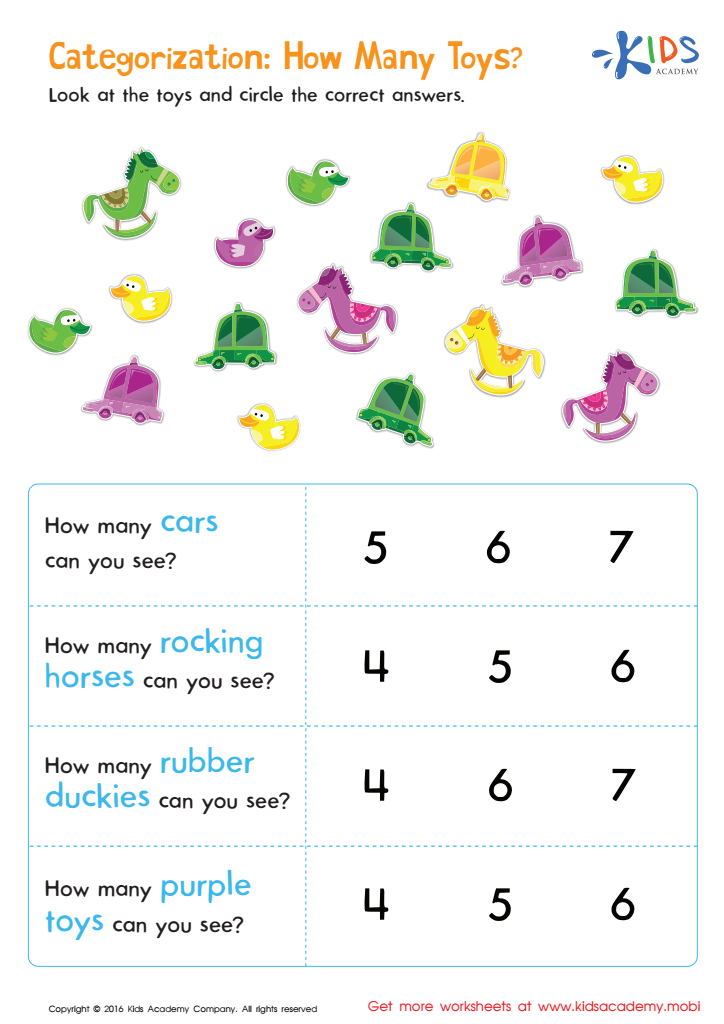
Classifying Toys by Type and Color Sorting Worksheet
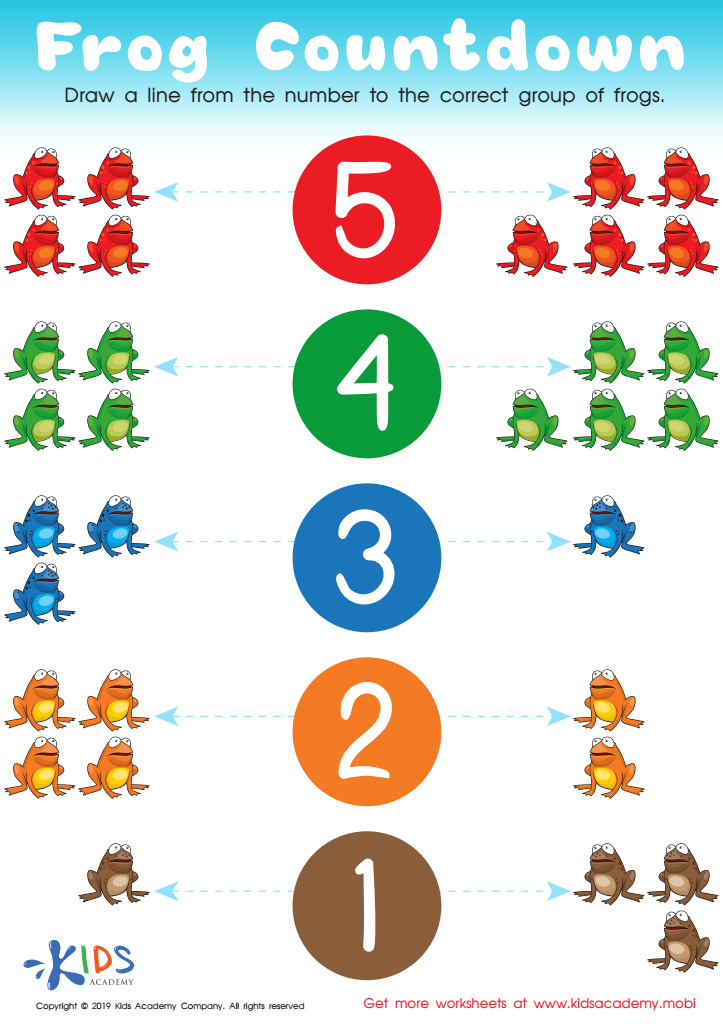
Frog Countdown Worksheet

Ten in the Bed Worksheet
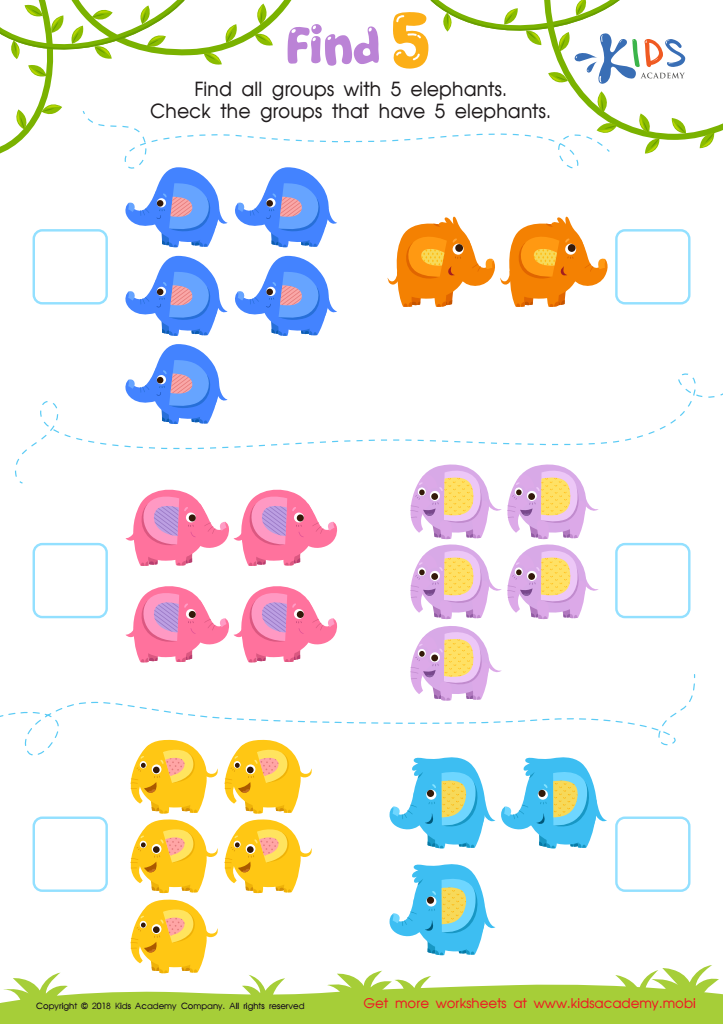
Find 5 Worksheet





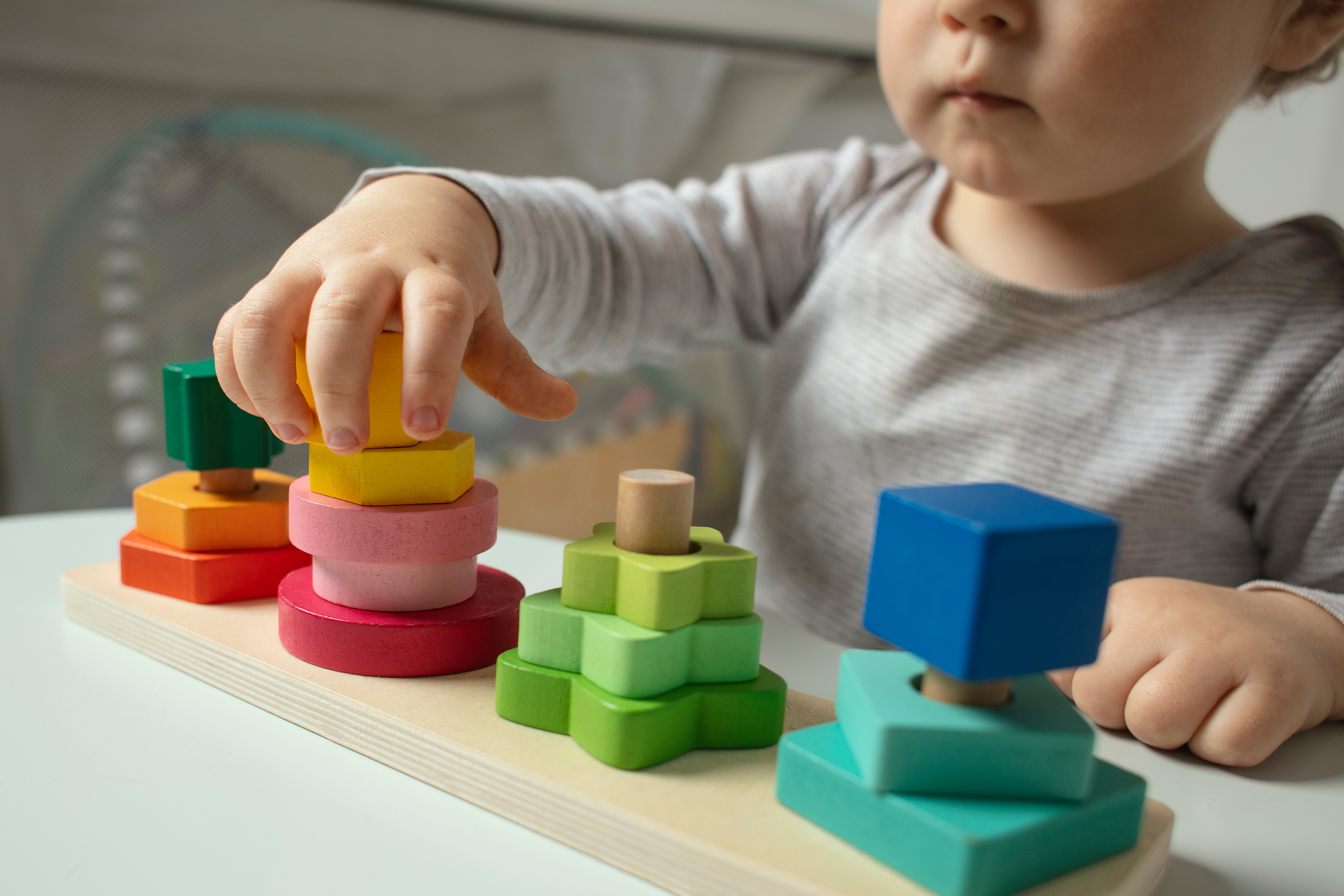


Counting skills and normal matching are fundamental building blocks for early development in children aged 3-5 years. Parents and teachers should prioritize these skills because they form the foundation for mathematical understanding and critical thinking. Learning to count helps children recognize numbers and understand quantity, which are essential for future math-related tasks, such as addition and subtraction.
Furthermore, normal matching, which involves recognizing similarities and differences among objects, enhances cognitive development. By engaging in activities that promote counting and matching, children develop not only numerical skills but also enhance their visual perception and problem-solving abilities. These skills are linked directly to later academic success and help cultivate logical reasoning.
Additionally, counting and matching activities serve as a medium for language development. As children articulate numbers and describe attributes, they expand their vocabulary and communication skills, which are vital for overall learning.
By fostering these skills early on, parents and teachers engage children in playful learning experiences that boost self-esteem and confidence. This immersive approach hones their numerical and cognitive skills, thematically integrating play with education, and preparing them for more complex concepts they will encounter in school and beyond. Overall, investing in counting and matching skills lays the groundwork for lifelong learning opportunities.








