Cognitive Development Normal Building Vocabulary Worksheets for Ages 3-5
4 filtered results
-
From - To
Boost your child's cognitive development with our engaging Building Vocabulary Worksheets designed for ages 3-5. These carefully crafted worksheets focus on enhancing word recognition, language skills, and comprehension. Each activity is tailored to the developmental stages of young learners, ensuring that they build a robust vocabulary foundation crucial for future reading and academic success. Children will enjoy fun tasks such as matching words with pictures, identifying common objects, and practicing simple sentences. Transform playtime into a valuable learning experience with our thoughtfully prepared worksheets, building the cognitive skills vital for their early educational journey.
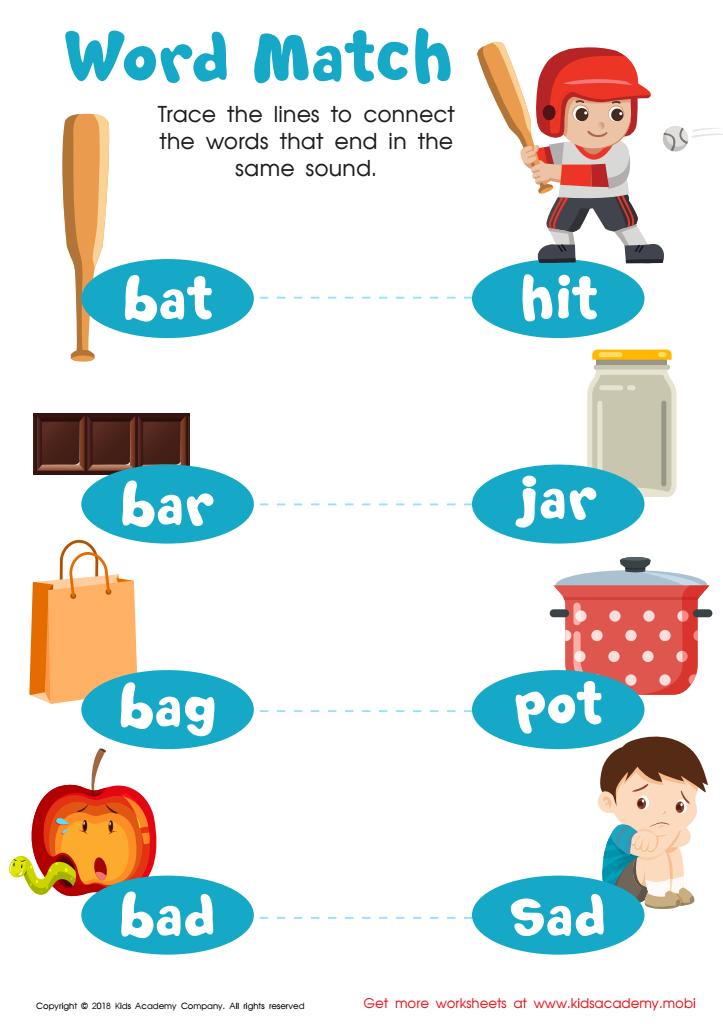
Word Match Reading Worksheet
 Assign to My Students











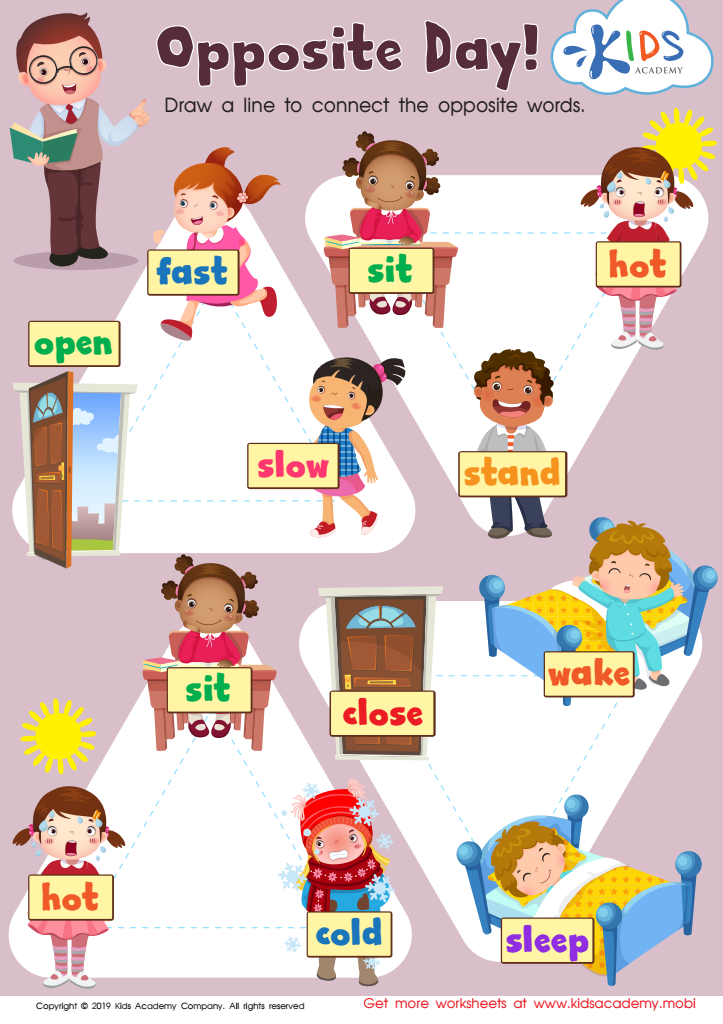
Opposite Day Worksheet
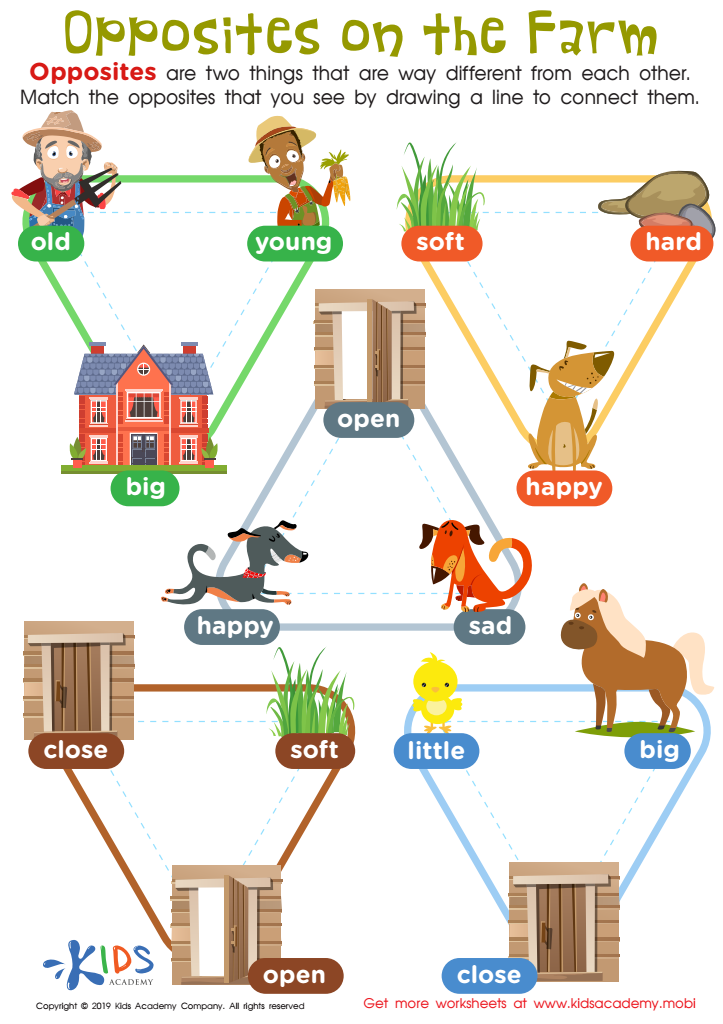
Opposites on the Farm Worksheet
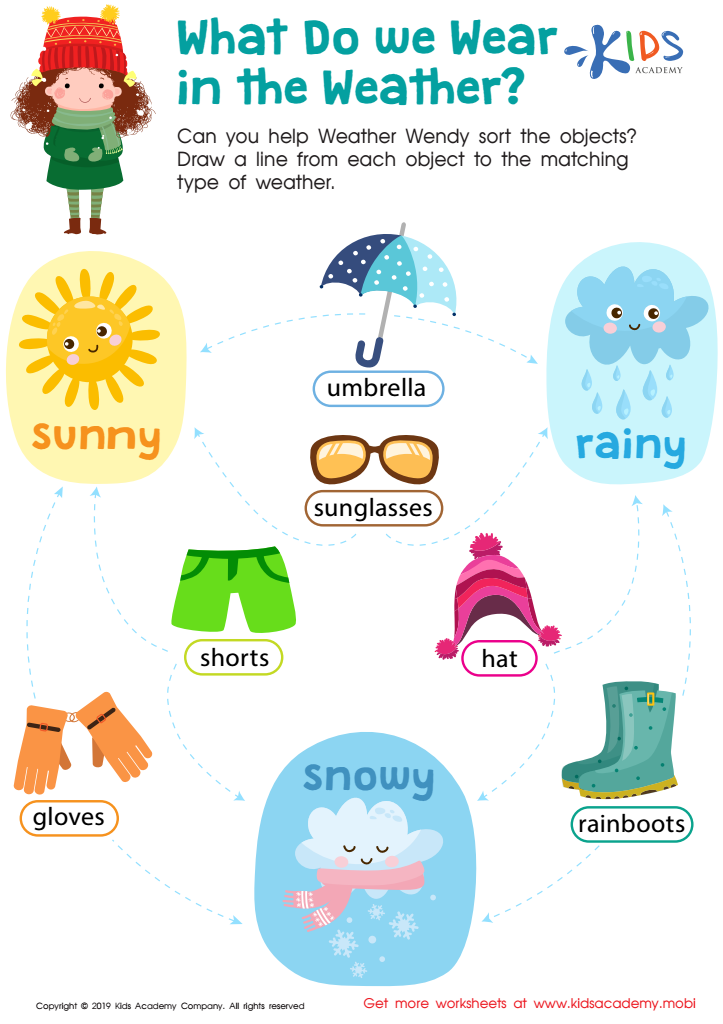
What Do We Wear in the Weather? Worksheet








Cognitive development and vocabulary building in children ages 3-5 are crucial, laying the foundation for lifelong learning and communication skills. During these formative years, a child's brain is rapidly developing, making them incredibly receptive to new information and experiences. This is an optimal time to enrich their vocabulary, which significantly impacts their cognitive growth.
A robust vocabulary aids in better communication, allowing children to express their needs, thoughts, and feelings more clearly. It also enhances their ability to comprehend instructions, ask questions, and interact socially, all of which are vital for successful adjustment to school environments. As they learn new words, children develop better thinking and problem-solving skills, which are foundational to academic success.
Parents and teachers play a pivotal role in this developmental stage. By engaging in activities such as reading aloud, singing songs, talking about daily experiences, and playing word games, adults can create rich linguistic environments that stimulate cognitive growth. An expansive vocabulary not only boosts literacy skills but also fosters creativity and emotional control.
Moreover, early vocabulary development is a predictor of later achievements in reading and writing. Investing time and effort into building strong language skills during these early years ensures children have the tools necessary to thrive academically and socially throughout their lives.








