Animal Classification Normal Animals Worksheets for Ages 3-5
4 filtered results
-
From - To
Discover our engaging "Animal Classification Worksheets" designed specifically for children ages 3-5! These fun and interactive worksheets help early learners explore the fascinating world of animals through easy-to-understand concepts. Kids will love sorting animals by their characteristics, understanding their habitats, and developing important classification skills. Our resources encourage creativity and critical thinking, making learning enjoyable and effective. Perfect for preschool and kindergarten classrooms or home learning, these worksheets provide a hands-on approach to STEM education. Get ready to spark your child's curiosity about the animal kingdom with our thoughtfully crafted materials!
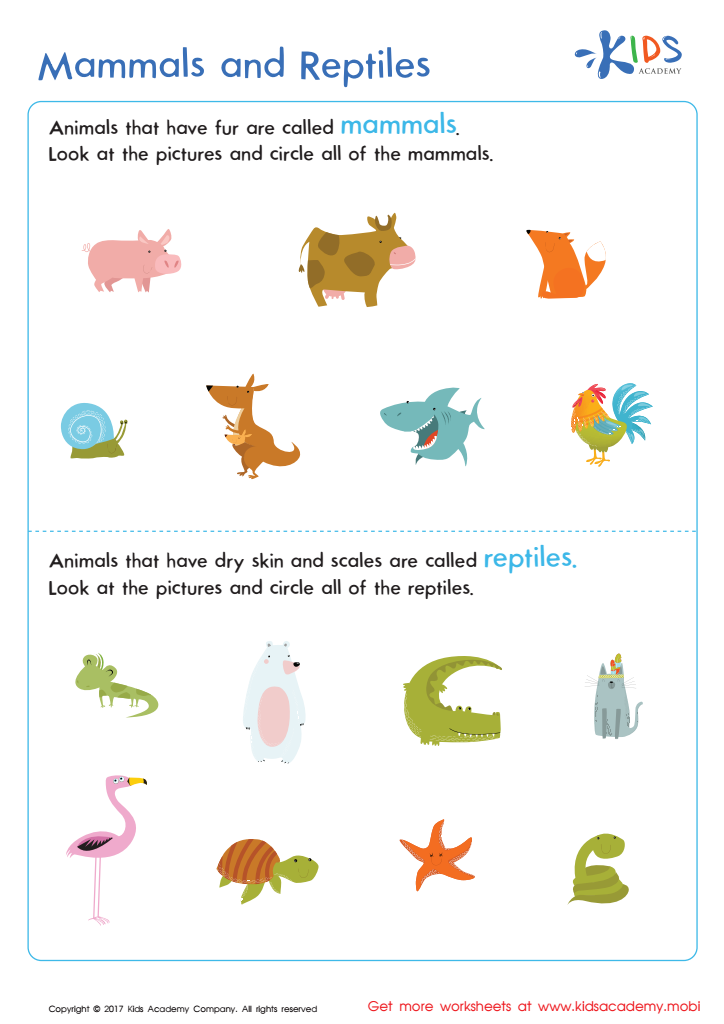
Mammals and Reptiles Worksheet
 Assign to My Students
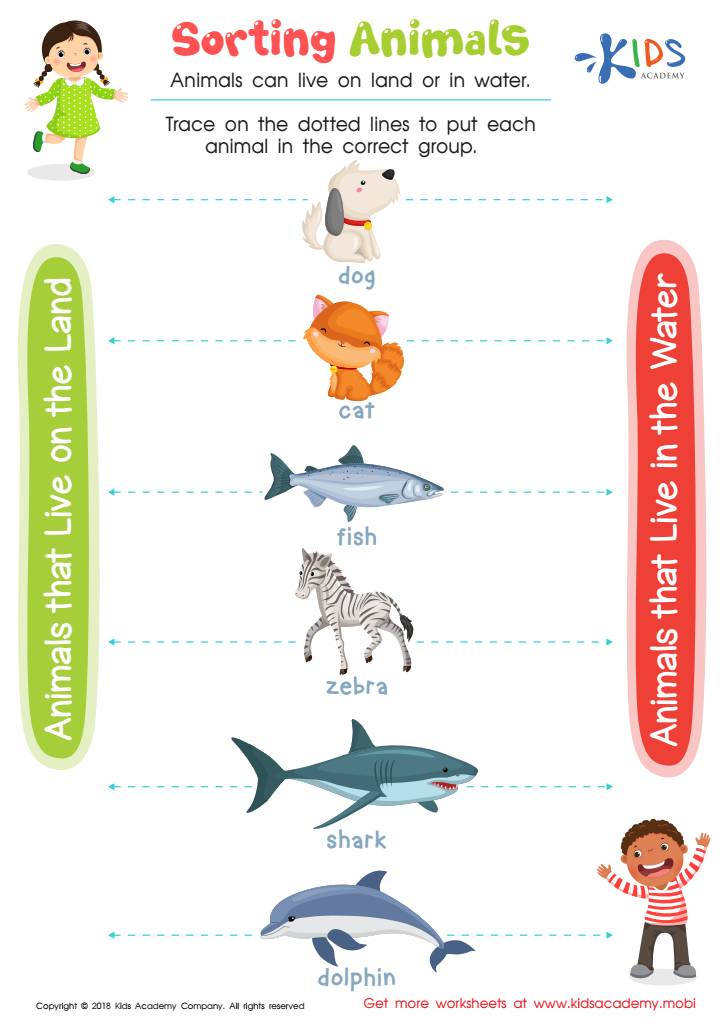
Sorting Animals Worksheet
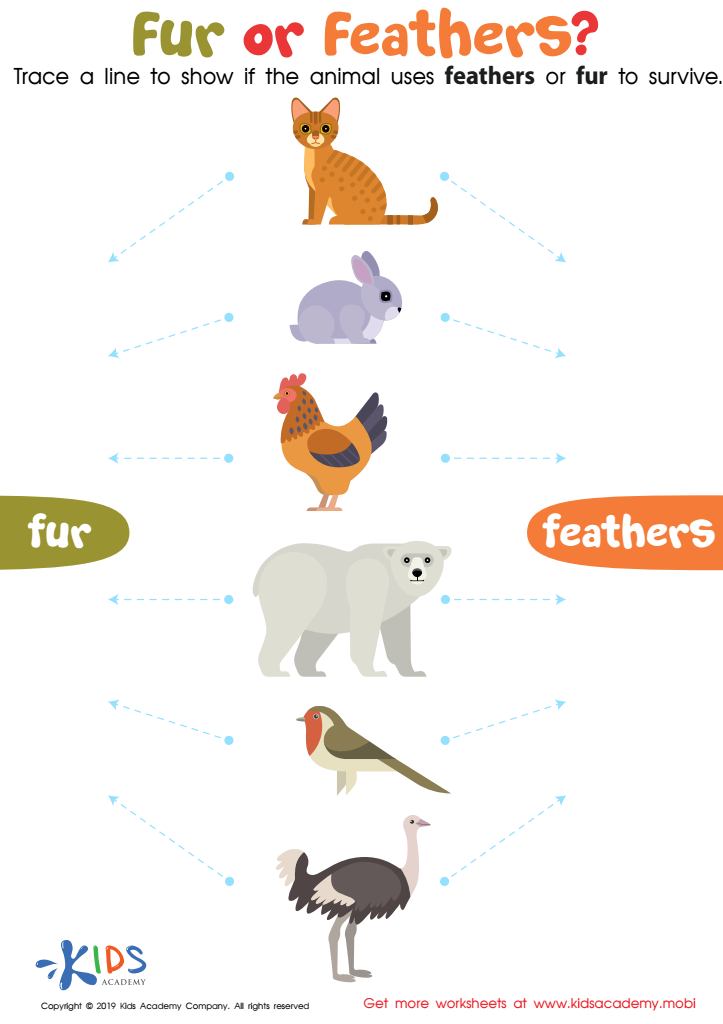
Fur or Feathers? Worksheet
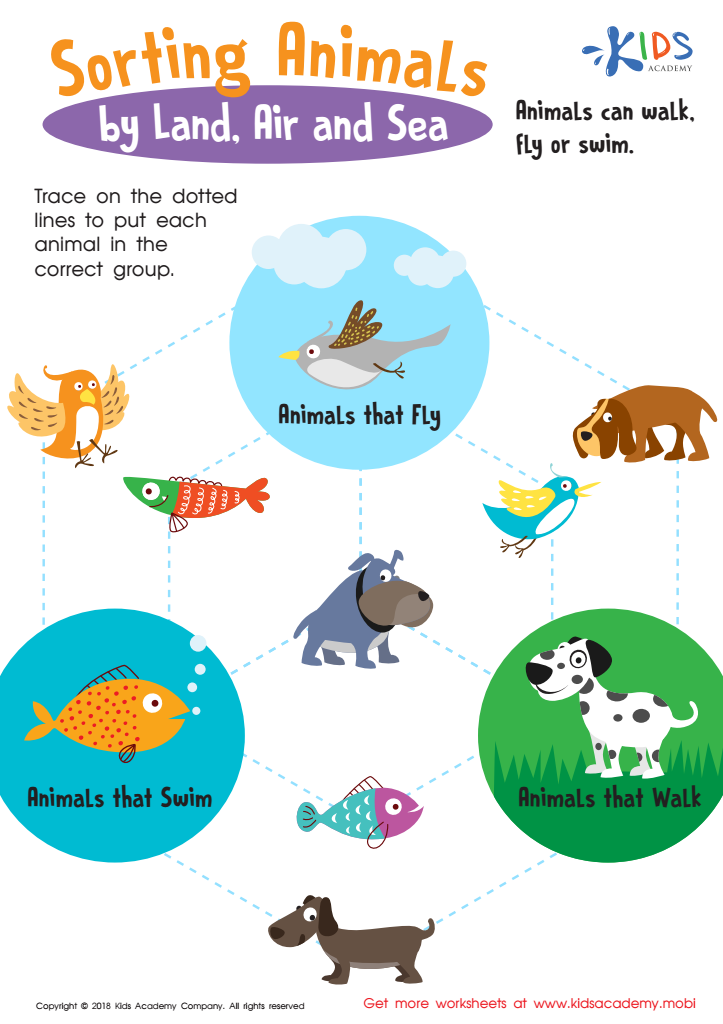
Sorting Animals by Land, Air and Sea Worksheet





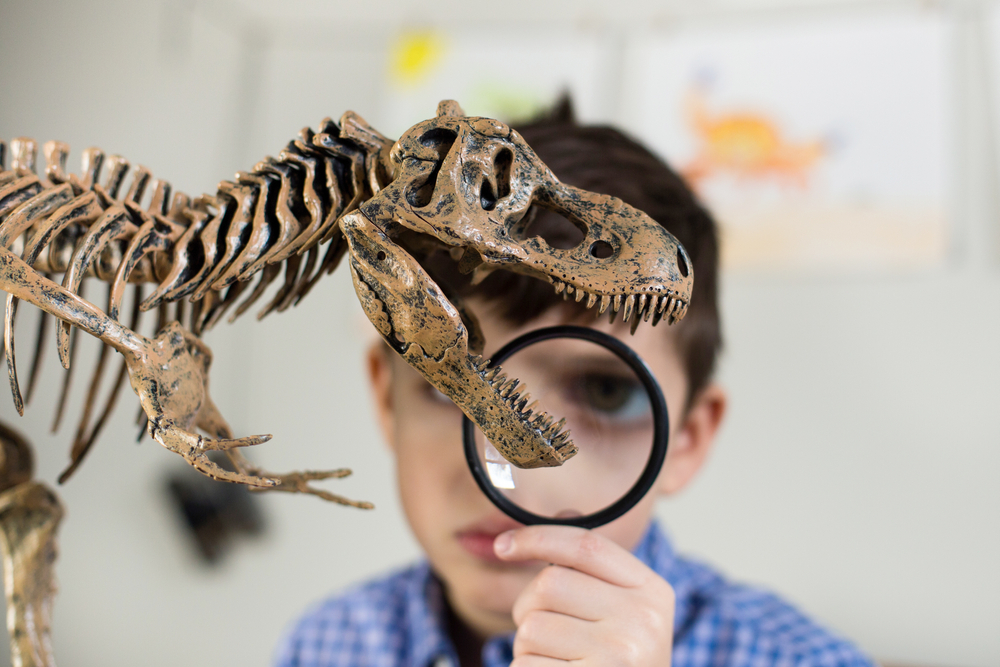
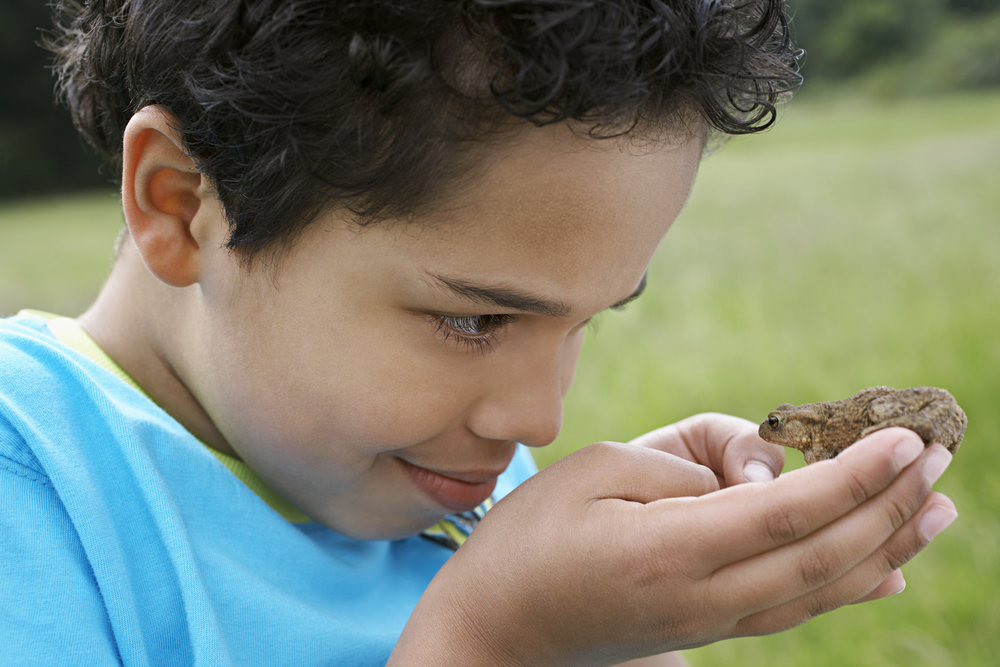

Parents and teachers should care about animal classification for children ages 3-5 because it lays the foundation for their understanding of the natural world. At this stage of development, children are naturally curious and eager to learn about animals around them. Introducing them to animal classification—grouping animals by characteristics such as habitat, diet, and physical traits—helps foster critical thinking and cognitive skills.
Learning about normal animals can also spark a child's imagination and creativity. Engaging activities like sorting animals into categories encourage exploration and inquiry, nurturing a love for science and nature. Additionally, understanding animal classification builds vocabulary and promotes language development as children learn new terms and concepts associated with different species.
Furthermore, lessons about animal classifications can instill early awareness of ecological concepts, teaching children about biodiversity and the importance of conservation. It encourages empathy towards living creatures, promoting kindness and responsibility. Overall, animal classification for young learners is not merely an educational tool; it’s a gateway to holistic development, encouraging curiosity and a deeper appreciation for the world they live in. By engaging them in this early learning phase, parents and teachers can empower children to become informed, compassionate individuals.








