Vocabulary Building Normal Science Worksheets for Ages 3-5
5 filtered results
-
From - To
Explore our engaging Vocabulary Building Normal Science Worksheets designed specifically for children ages 3-5! These interactive worksheets enhance early learning by introducing fundamental scientific concepts while expanding vocabulary. Featuring colorful illustrations and fun activities, children will develop language skills through hands-on learning experiences related to nature, the environment, and basic scientific principles. These resources promote cognitive growth, improve critical thinking, and encourage creativity in young learners. Ideal for both home and classroom use, our worksheets provide an enriching foundation in science by making learning enjoyable. Lay the groundwork for lifelong learning and curiosity in your little ones today!
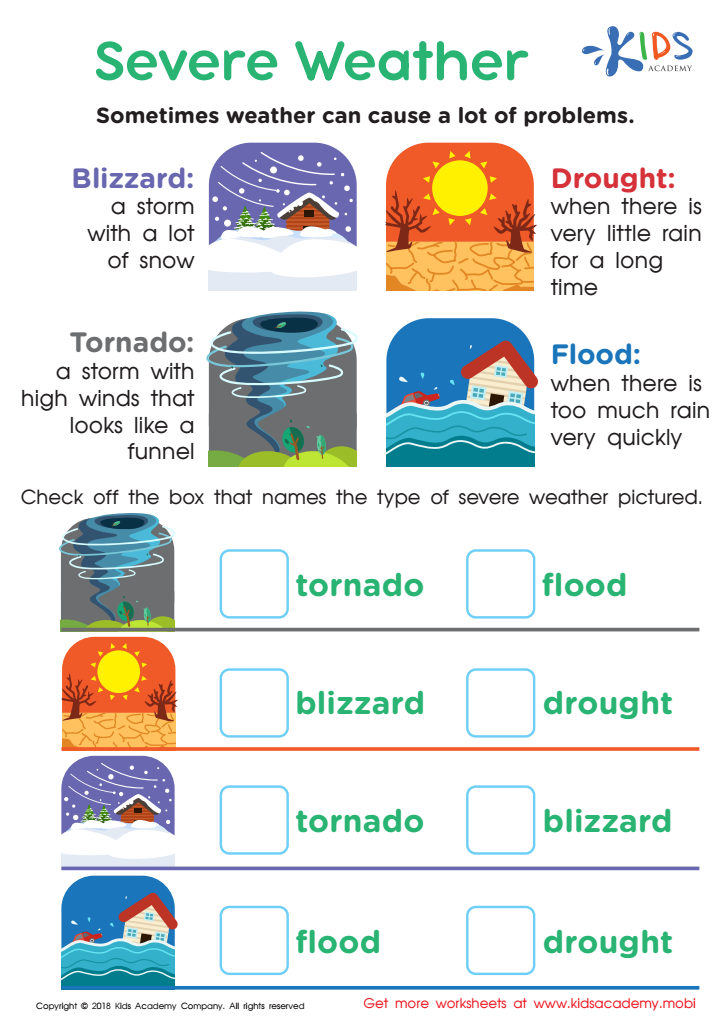
Severe Weather Worksheet
 Assign to My Students
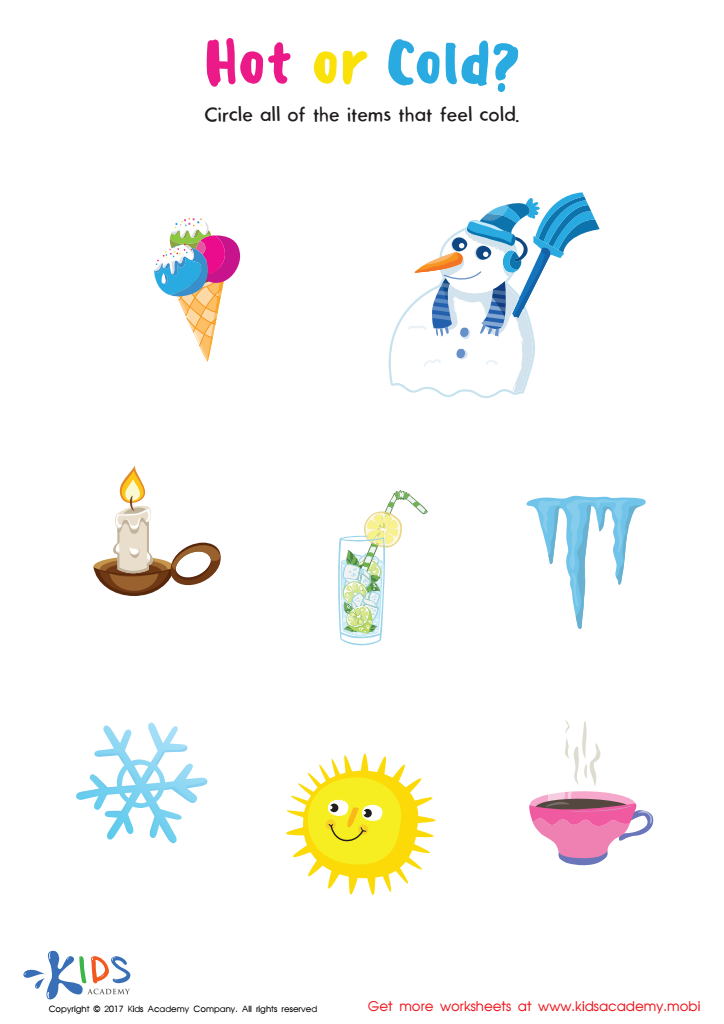
Hot or Cold Printable
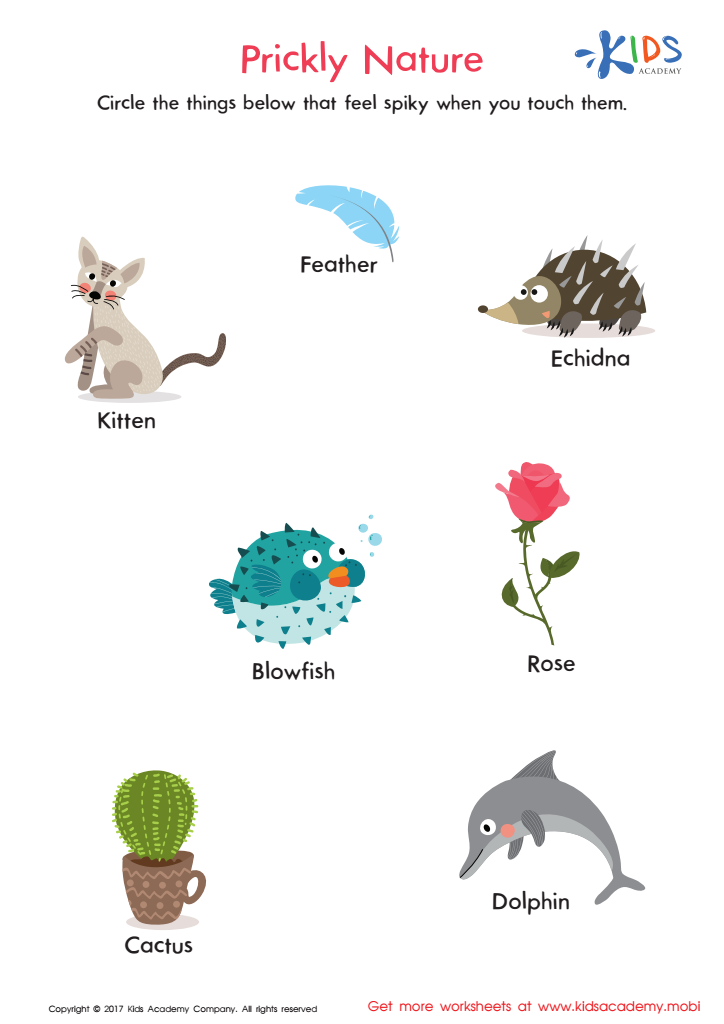
Prickly Nature Worksheet
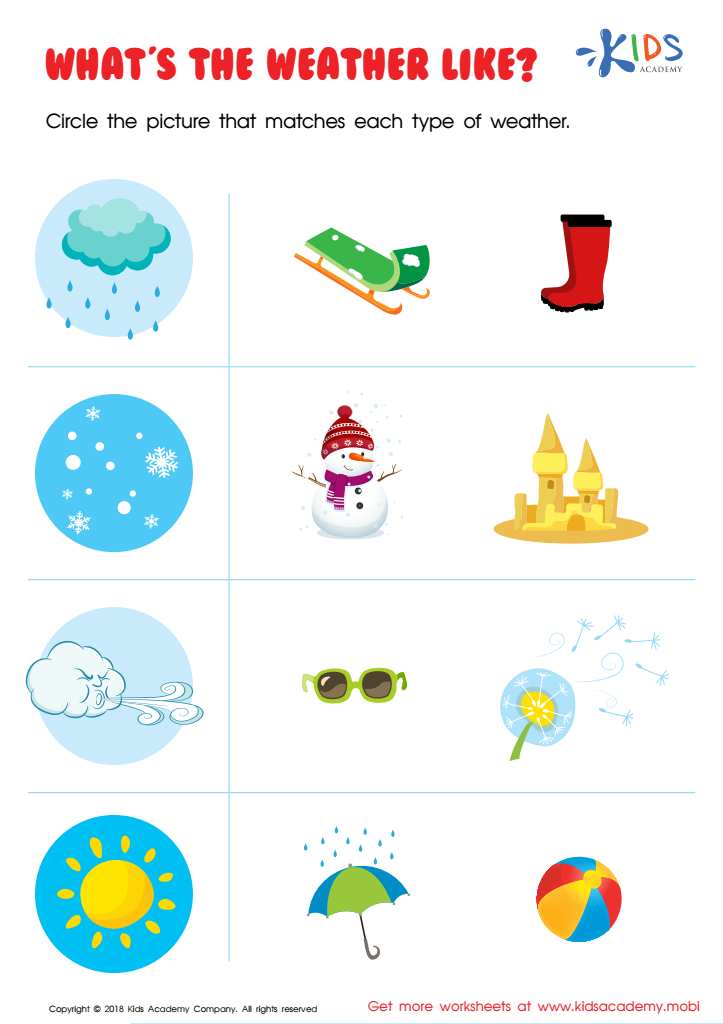
What's the Weather Like? Worksheet
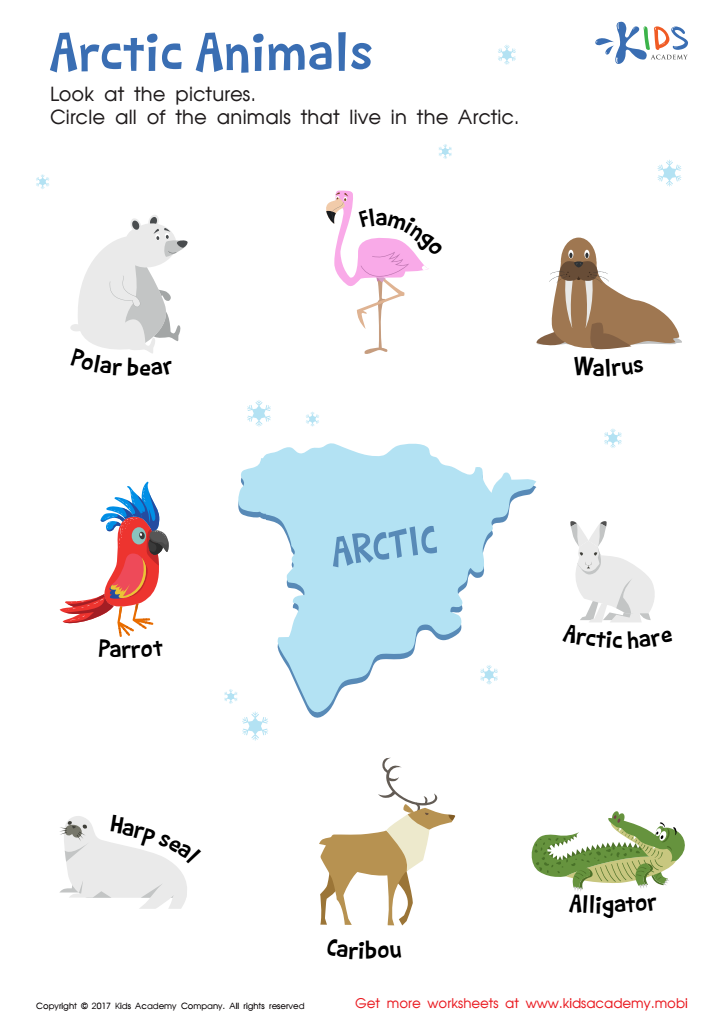
Arctic Animals Worksheet


.jpg)




Vocabulary building is crucial for children aged 3-5, as it lays the foundation for their cognitive and communication skills. During these formative years, children are like sponges, eagerly absorbing language from their surroundings. Normal Science vocabulary—words related to everyday experiences, nature, and simple scientific concepts—enriches this process by making learning interactive and relevant.
Parents and teachers should prioritize vocabulary building in science for several reasons. First, it stimulates curiosity, encouraging children to ask questions and explore the world around them. For instance, knowing terms like "water," "plant," or "weather" allows children to engage in meaningful conversations and experiments related to their environment.
Moreover, a strong vocabulary enhances comprehension skills. Children with a rich vocabulary are better at understanding stories, instructions, and educational materials, making learning more effective and enjoyable. This foundation boosts later academic success, as children use this vocabulary framework to comprehend more complex subjects in school.
Finally, building vocabulary fosters critical thinking and problem-solving abilities. When young learners master simple scientific words, they develop the ability to analyze and interpret their observations. Ultimately, investing in vocabulary building not only nurtures a child’s language skills but also sets the stage for a lifelong love of learning and discovery.







