Critical Thinking Normal Plants and Animals Worksheets for Ages 3-5
3 filtered results
-
From - To
Introduce your little ones to the exciting world of plants and animals with our "Critical Thinking Normal Plants and Animals Worksheets for Ages 3-5". Designed to stimulate young minds, these engaging worksheets promote critical thinking while teaching basic science concepts. Perfect for curious toddlers, each activity encourages observations and thoughtful analysis. By categorizing, comparing, and contrasting various plants and animals, children develop essential cognitive skills that lay the foundation for future learning. Ideal for both parents and educators, this collection offers a fun, interactive approach to early education, empowering kids to explore, learn, and grow intellectually.
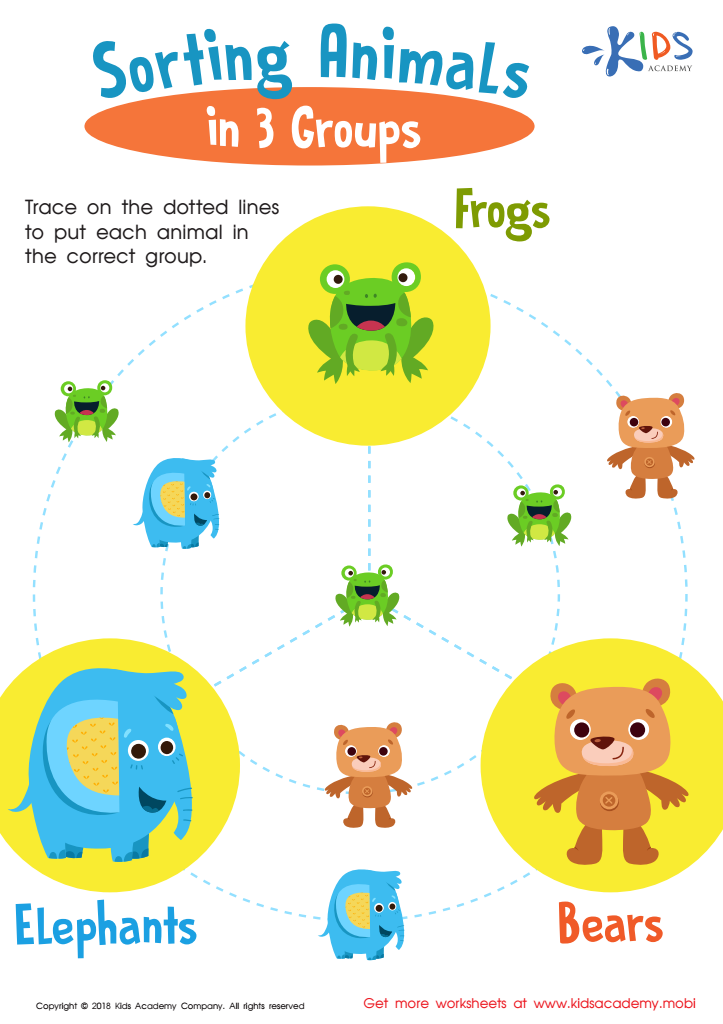
Sorting Animals in 3 Groups Worksheet
 Assign to My Students



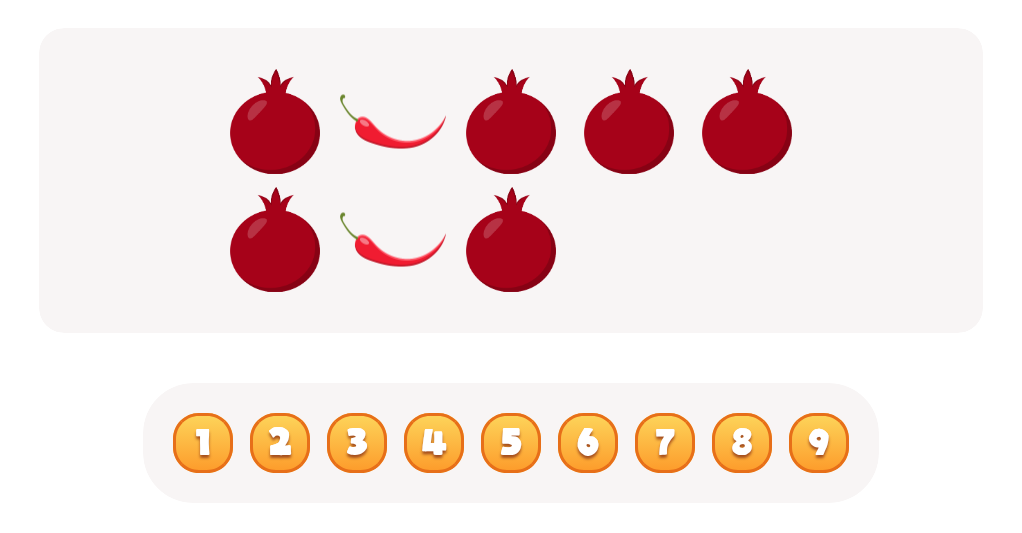
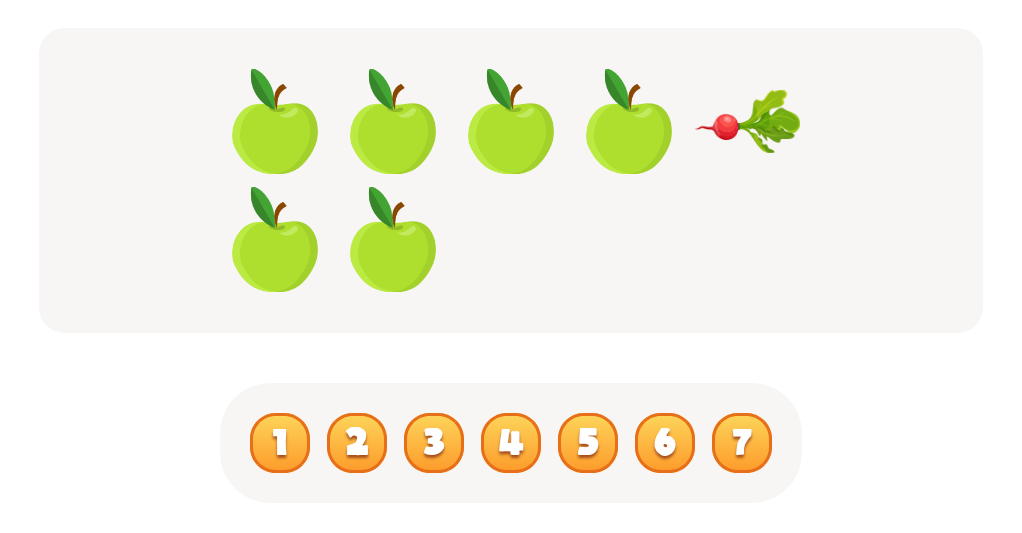



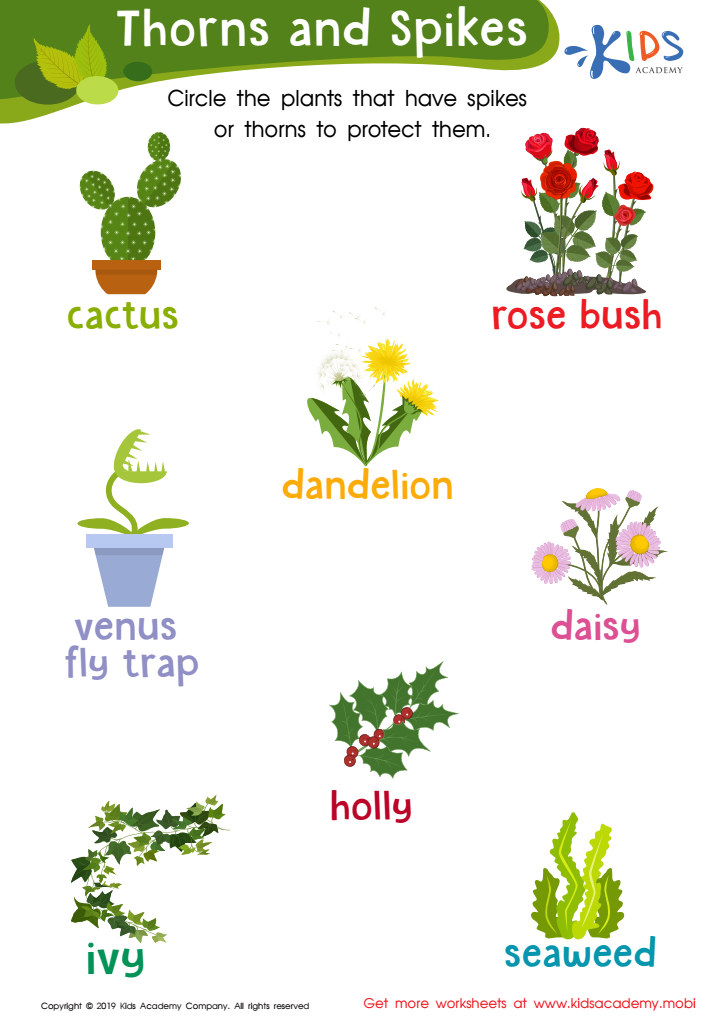
Thorns and Spikes Worksheet
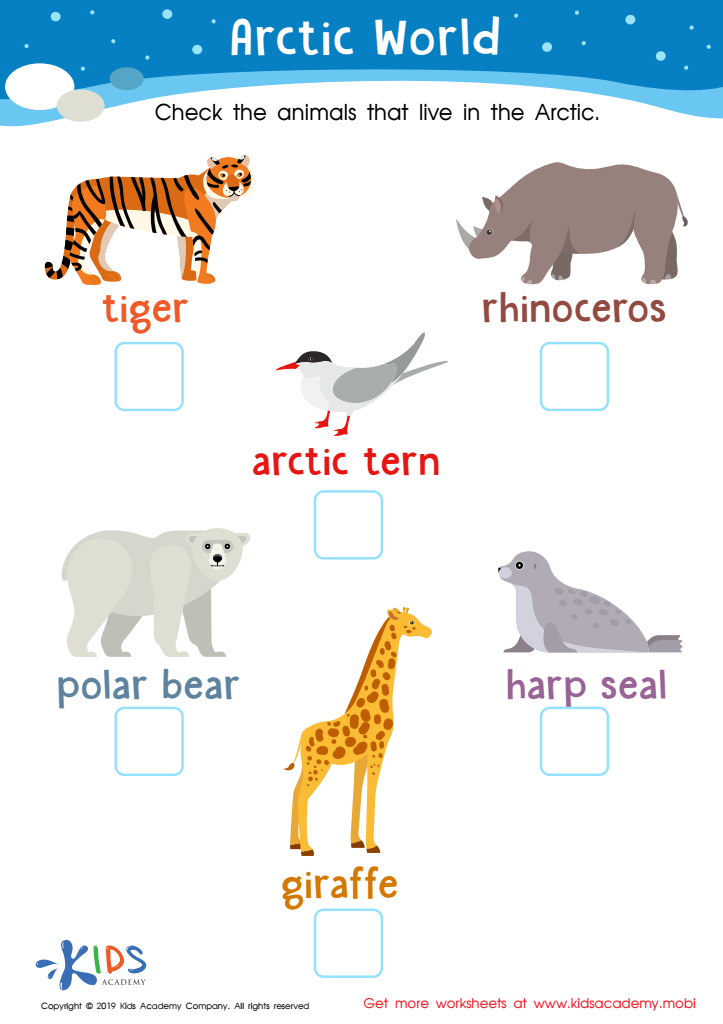
Arctic World Worksheet



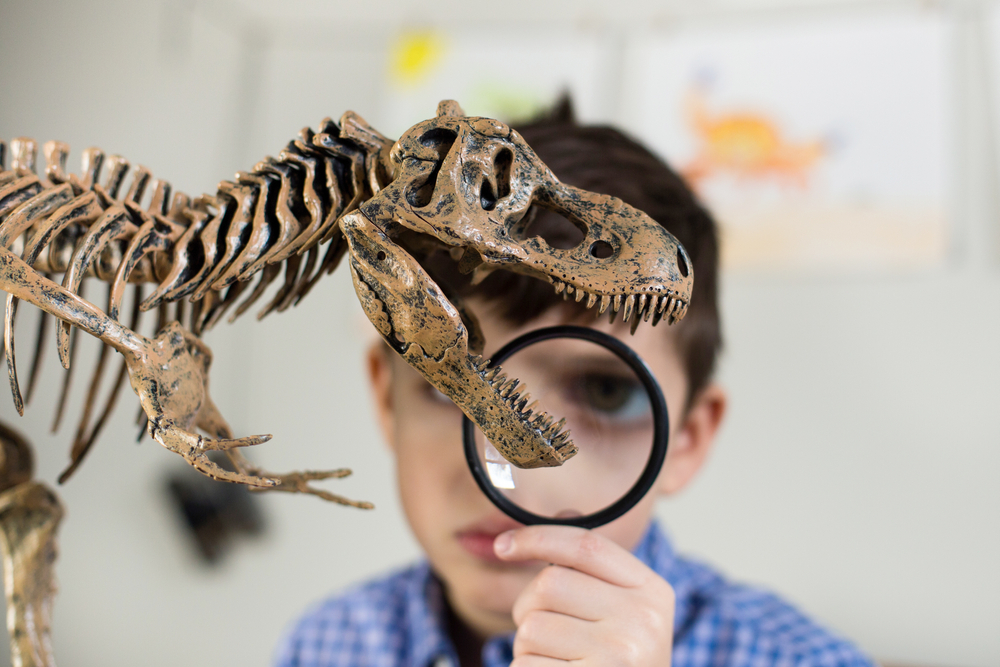




Engaging young children, ages 3-5, in critical thinking about normal plants and animals lays an essential foundation for their cognitive and observational skills. During these formative years, children's brains are highly receptive, and encouraging them to think critically about the natural world stimulates curiosity and independent thinking. Understanding plants and animals nurtures a sense of wonder and respect for nature, promoting environmental stewardship from a young age.
Critical thinking activities enhance language development and communication skills as children describe, compare, and ask questions about what they observe. For instance, discussing why a sunflower turns towards the sun or how bees make honey not only introduces scientific concepts but also improves problem-solving abilities.
Moreover, exploring plants and animals can be hands-on and interactive, engaging various senses and making learning experiences memorable and fun. This practical approach is crucial for young learners who benefit from concrete, tactile activities. By examining living organisms, children learn to make observations, recognize patterns, and understand life cycles, all of which contribute to their overall intellectual growth.
In fostering these skills early on, parents and teachers help children build a toolkit of critical thinking abilities that will serve them throughout their education and life, nurturing inquisitive minds ready to explore and solve the complexities of our world.