Critical Thinking Normal World Around Us Worksheets for Ages 3-5
5 filtered results
-
From - To
Introducing our "Critical Thinking Normal World Around Us Worksheets for Ages 3-5," designed to foster early cognitive development and practical problem-solving skills. These engaging activities help young learners explore and understand their surroundings while boosting critical thinking and observational abilities. Perfect for homeschooling or classroom use, the worksheets cover a broad range of everyday scenarios, encouraging children to ask questions, identify patterns, and make connections. Simple yet effective, they lay a strong foundation for future learning while making education fun and interactive. Empower your little ones with skills they’ll use for a lifetime!
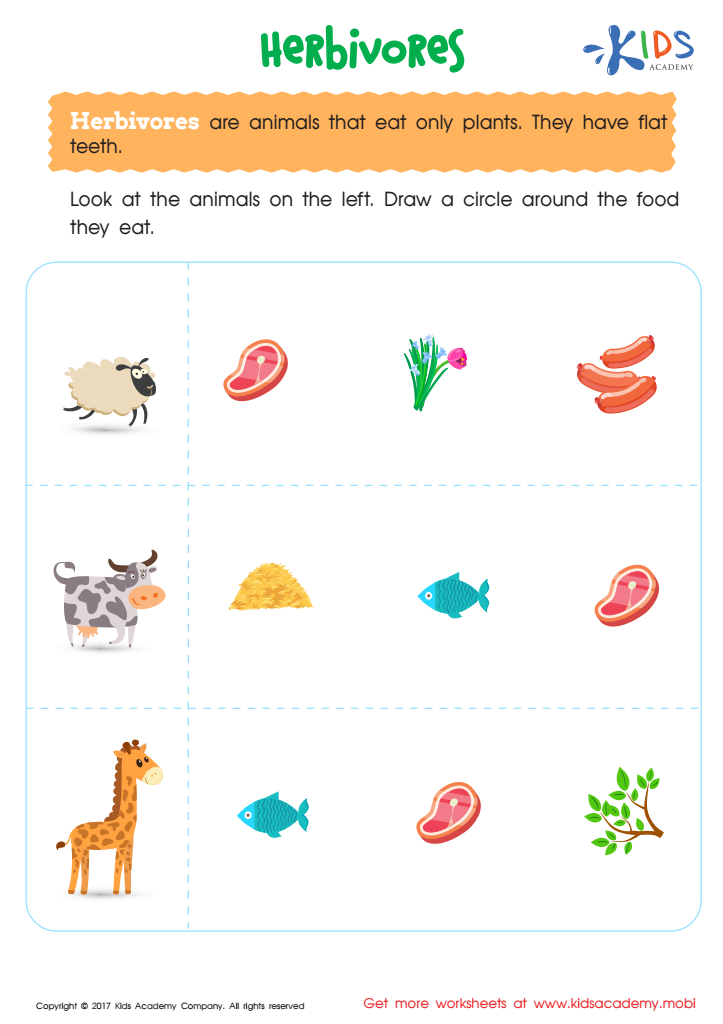
Herbivores Printable
 Assign to My Students
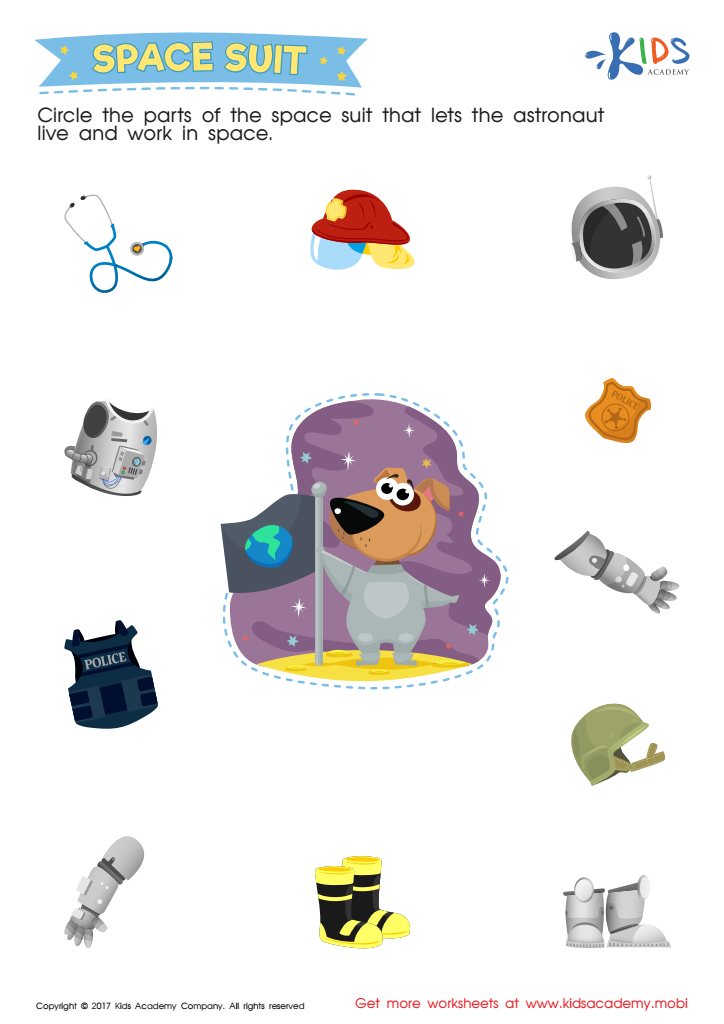
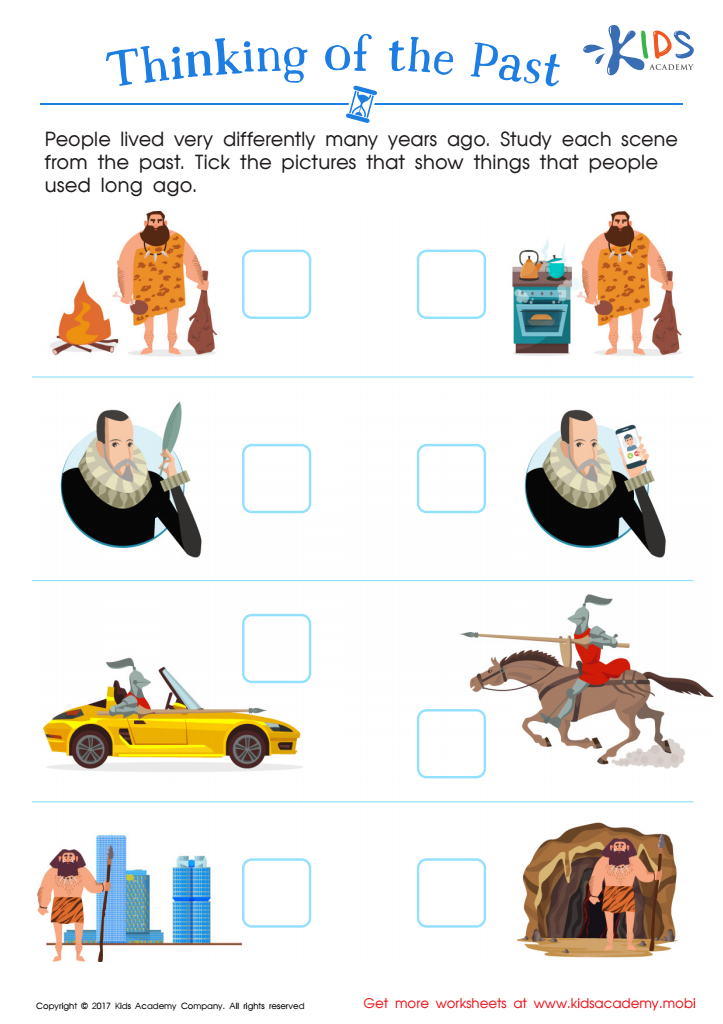
Thinking Past Printable

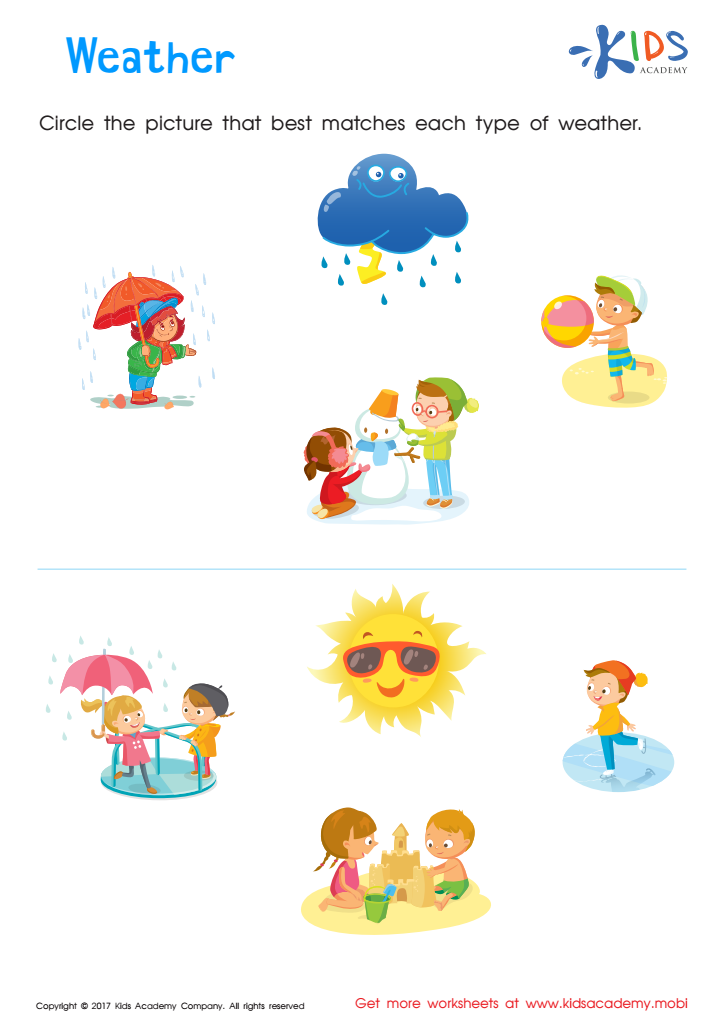
The Four Seasons Worksheet







Parents and teachers should care about nurturing critical thinking in young children because it lays a solid foundation for their lifelong learning and problem-solving abilities. At ages 3-5, children are naturally curious, exploring their surroundings through play and observation. Instilling critical thinking skills during these formative years helps them become more effective learners and adaptive thinkers.
Critical thinking equips children to ask questions, analyze information, and make connections between different concepts. For instance, when a child observes that plants grow towards sunlight, they are beginning to understand cause and effect, which is a cornerstone of scientific reasoning. Encouraging such observations and questioning in everyday scenarios fosters intellectual curiosity and independent thinking.
Moreover, critical thinking enhances language and social skills. Discussing questions and potential solutions with peers and adults stimulates children's communication abilities, helping them articulate thoughts clearly and listen actively. This also improves their ability to understand and empathize with others' perspectives.
Finally, in our rapidly changing world, adaptability and problem-solving are crucial life skills. Early critical thinking prepares children to navigate challenges with confidence and creativity. By focusing on these skills from a young age, parents and teachers ensure that children not only succeed academically but also grow into thoughtful, inquisitive, and resilient individuals.