Handwriting practice Normal Alphabet Worksheets for Ages 3-6 - Page 2
37 filtered results
-
From - To
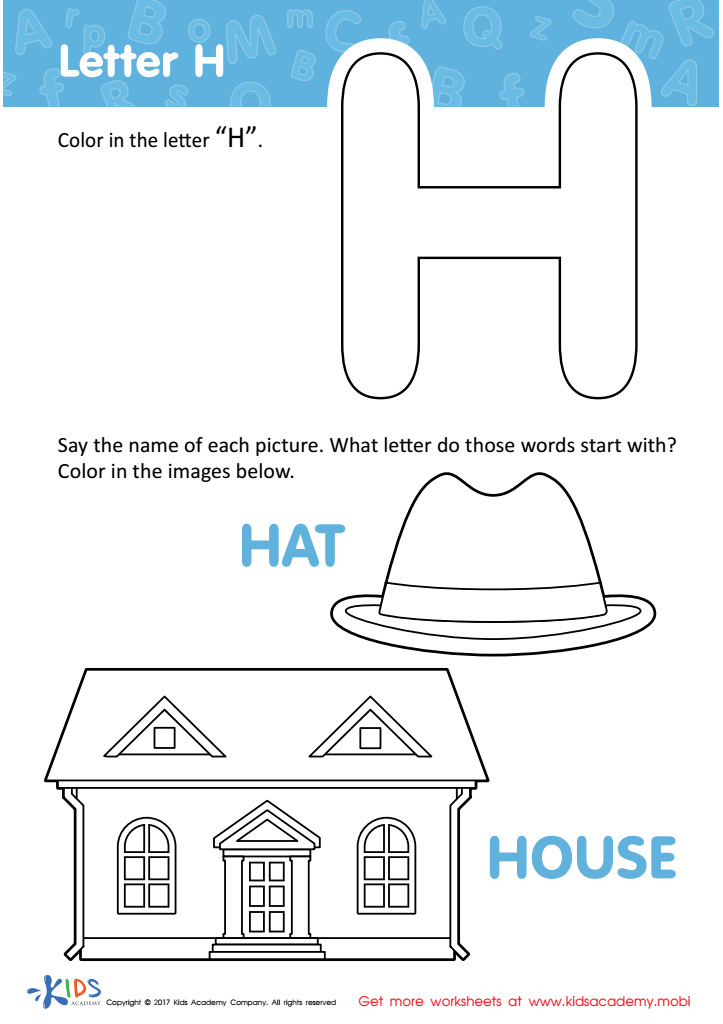
Letter H Coloring Sheet
 Assign to My Students
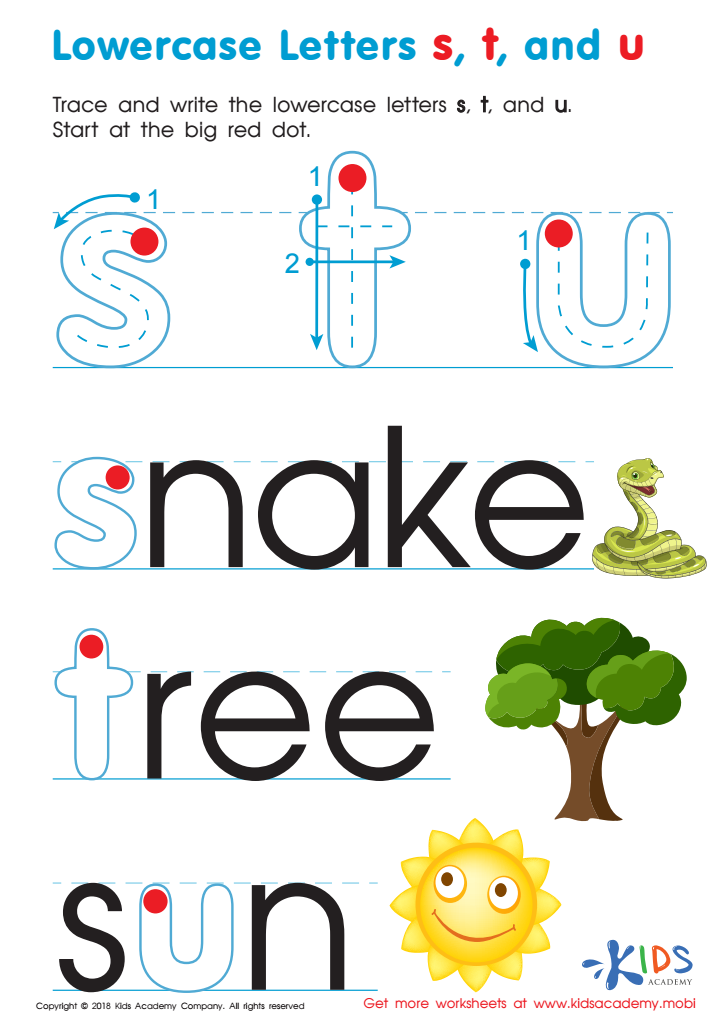
Lowercase Letters s t u Worksheet
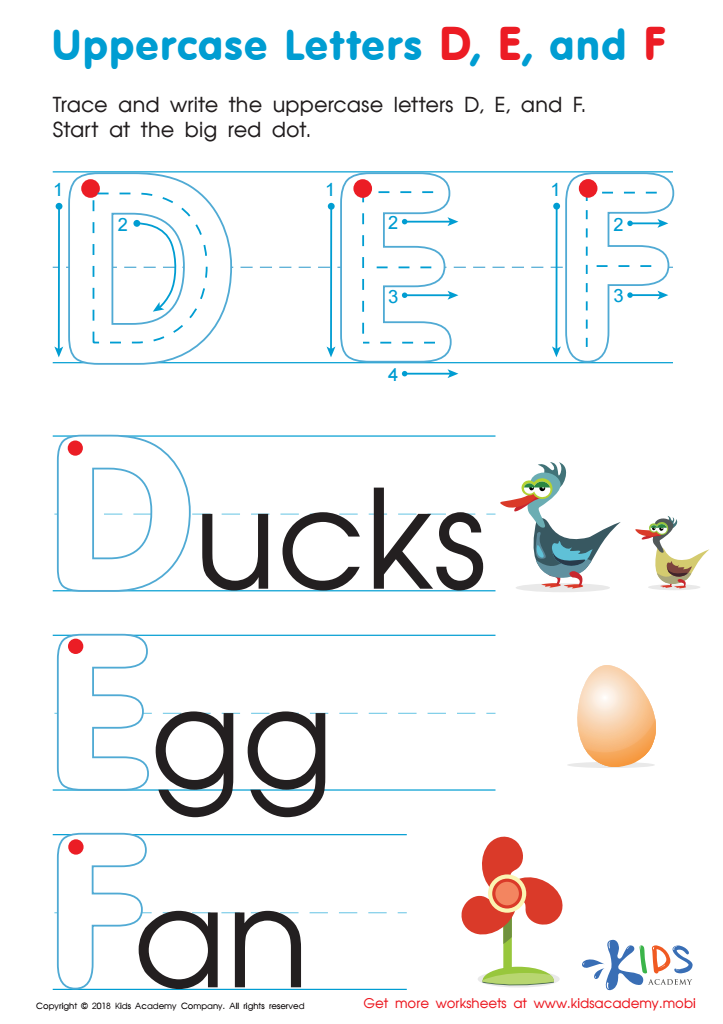
Uppercase Letters D, E, and F Worksheet
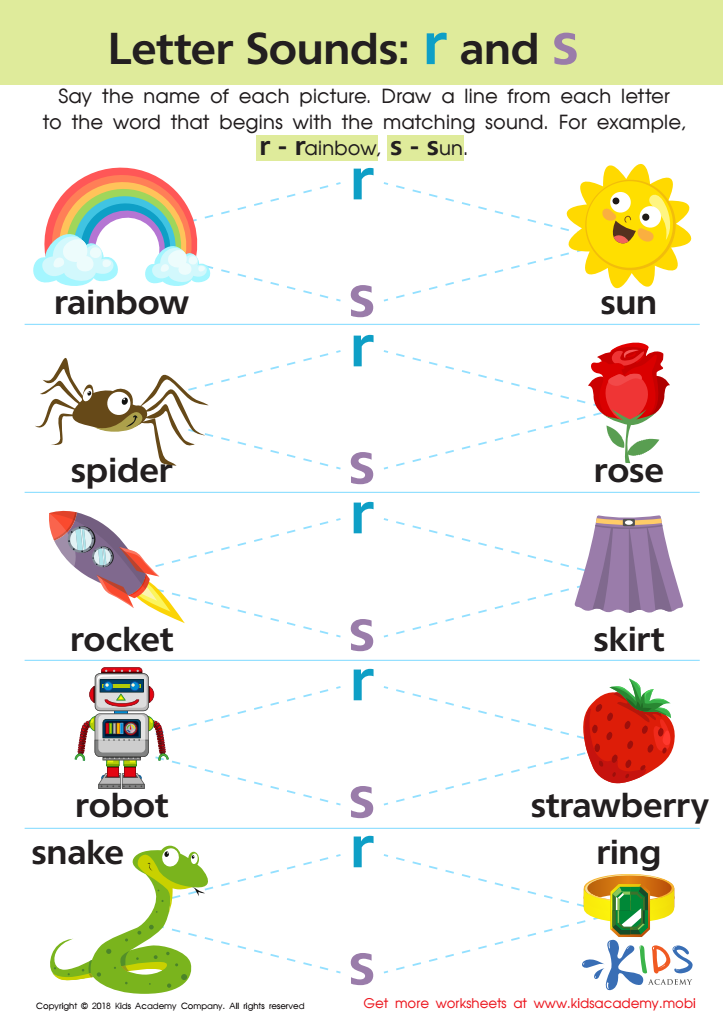
Letter R and S Sounds Worksheet
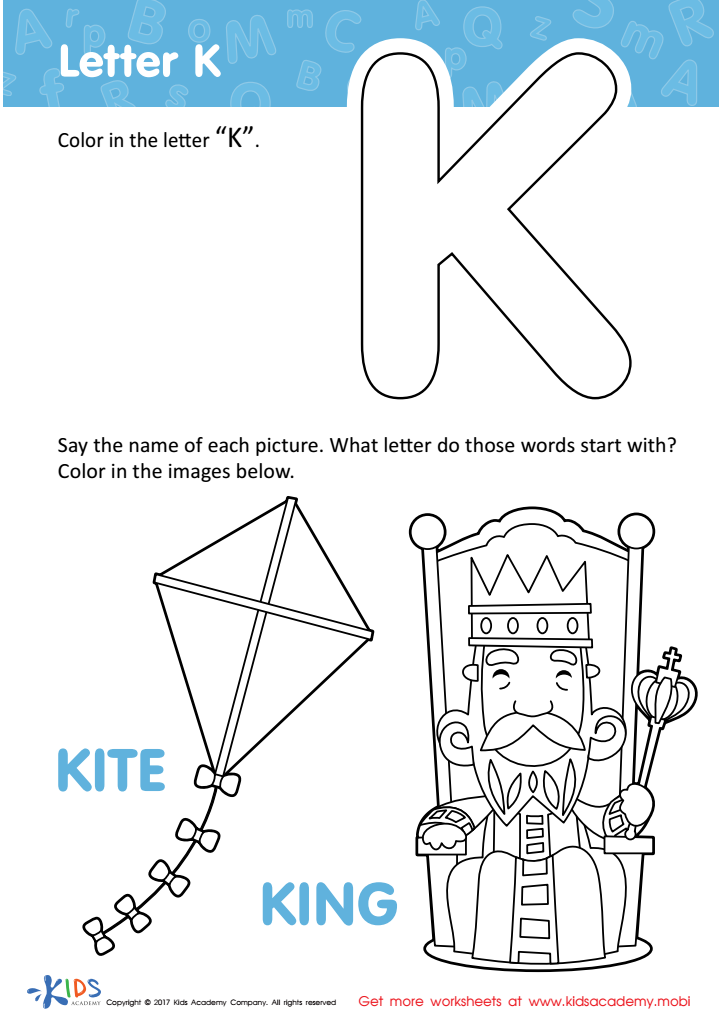
Letter K Coloring Sheet
Assign to My Students
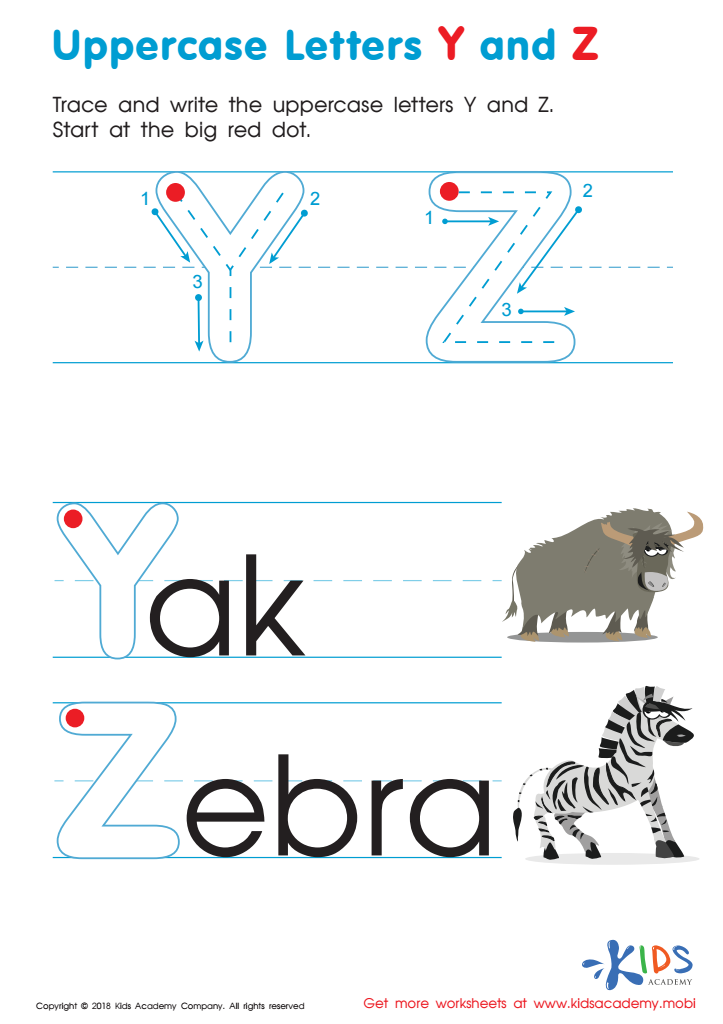
Uppercase Letters Y Z Worksheet
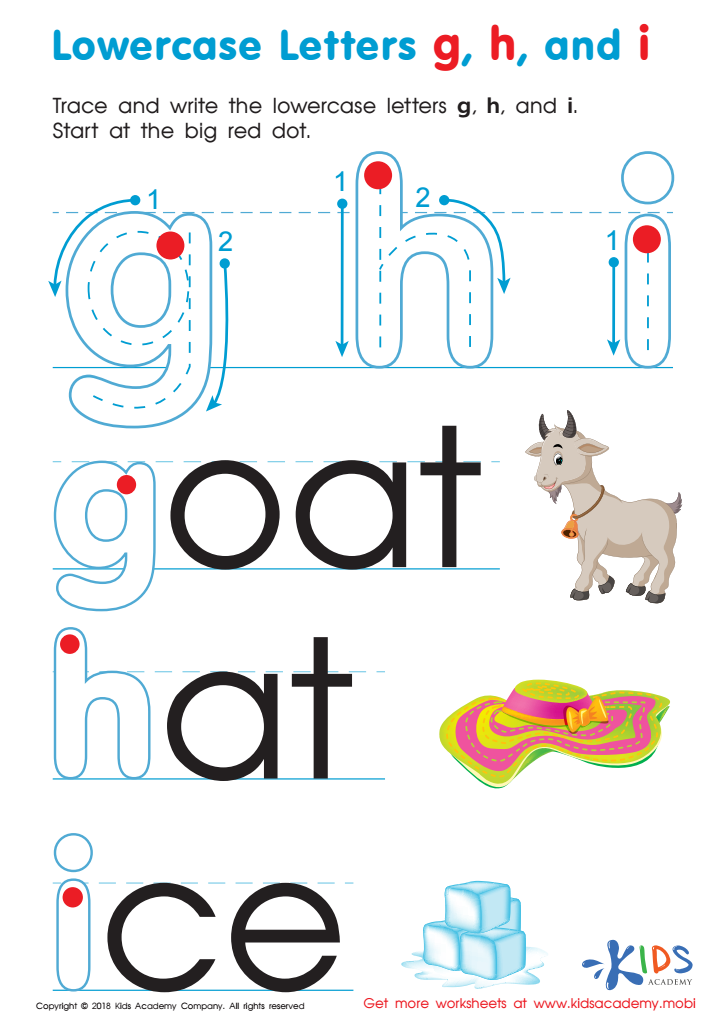
Lowercase Letters g h i Worksheet
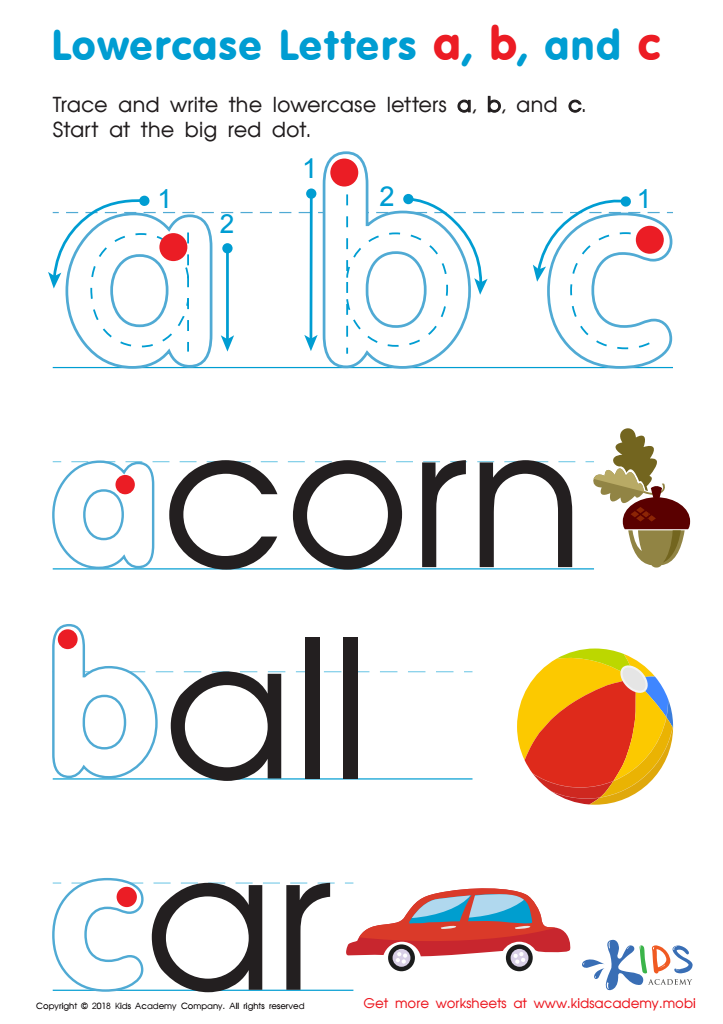
Lowercase Letters a b c Worksheet
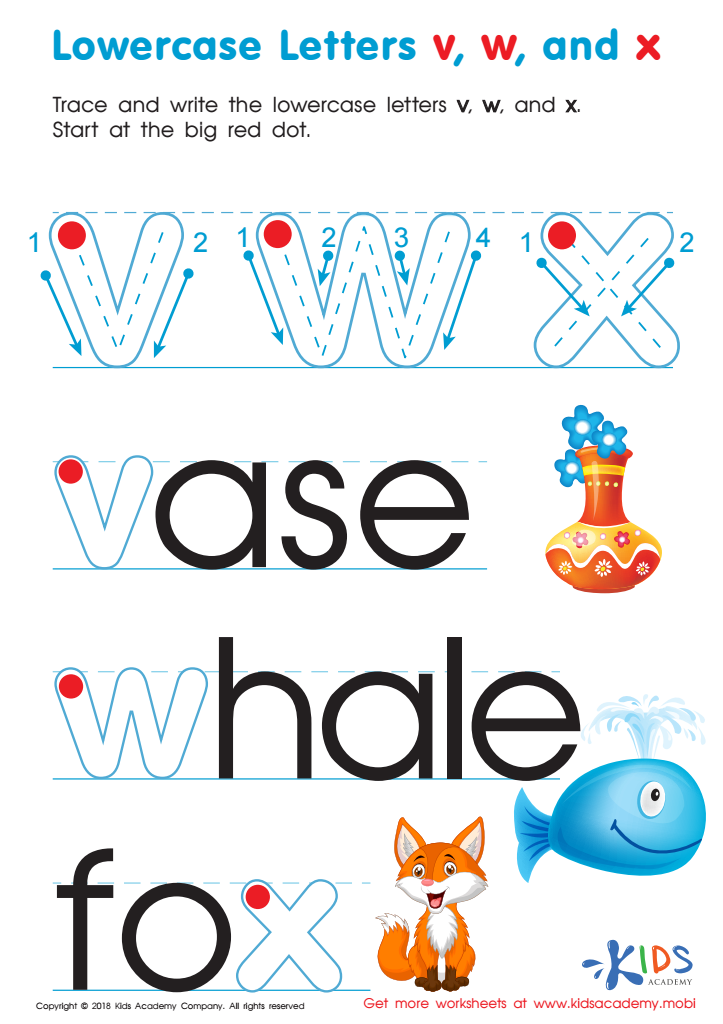
Lowercase Letters v w x Worksheet
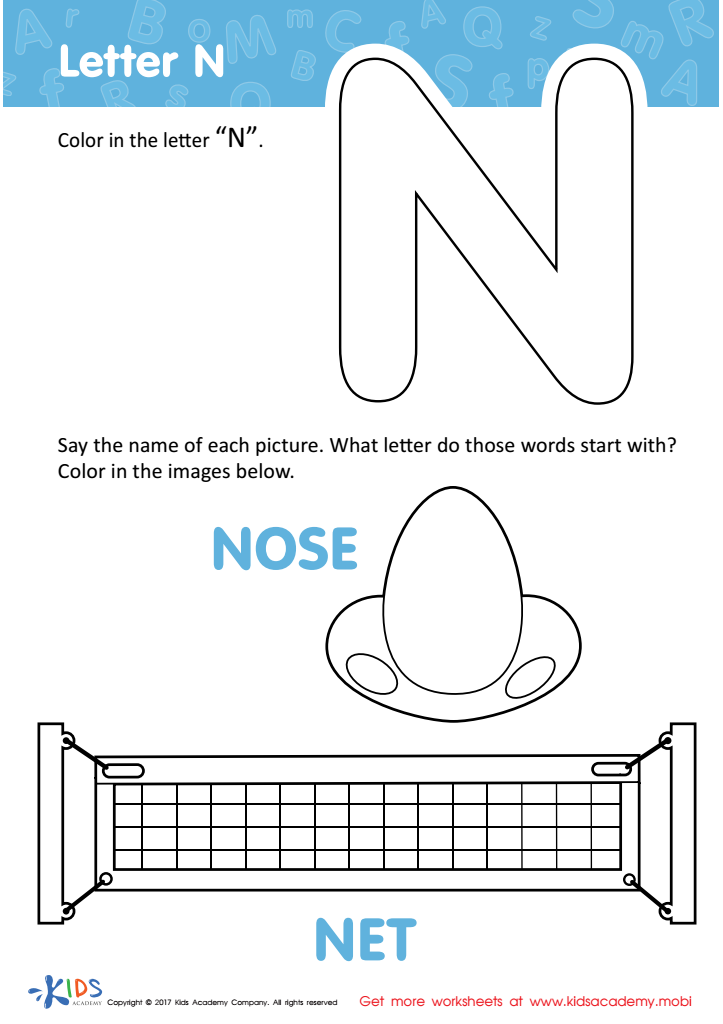
Letter N Coloring Sheet
Assign to My Students
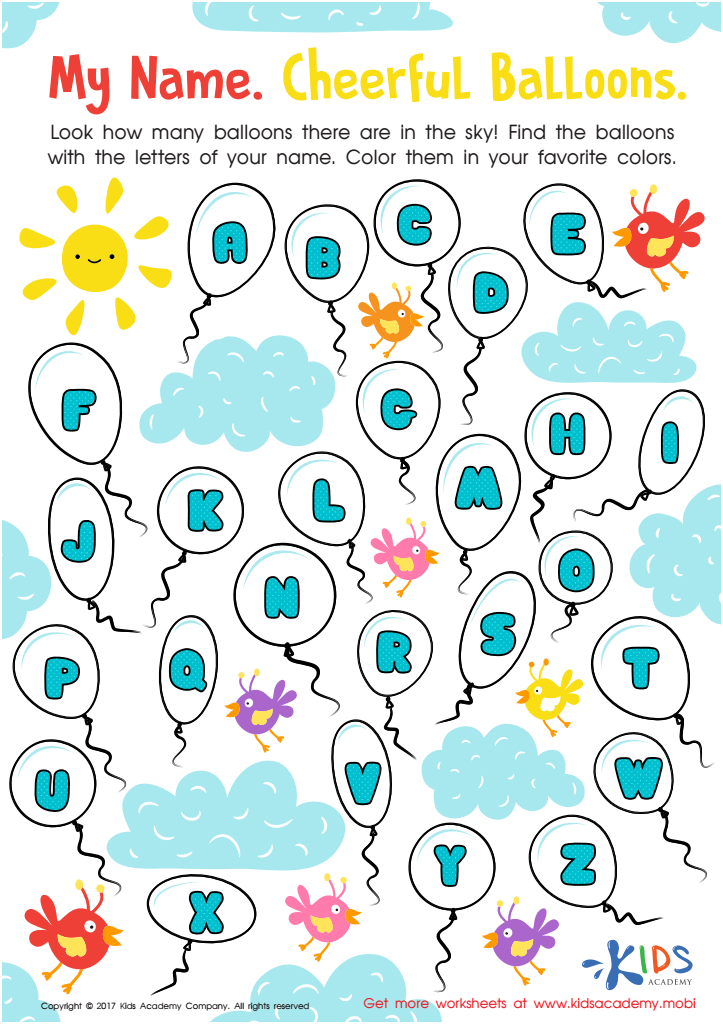
My Name: Cheerful Balloons Worksheet
Assign to My Students
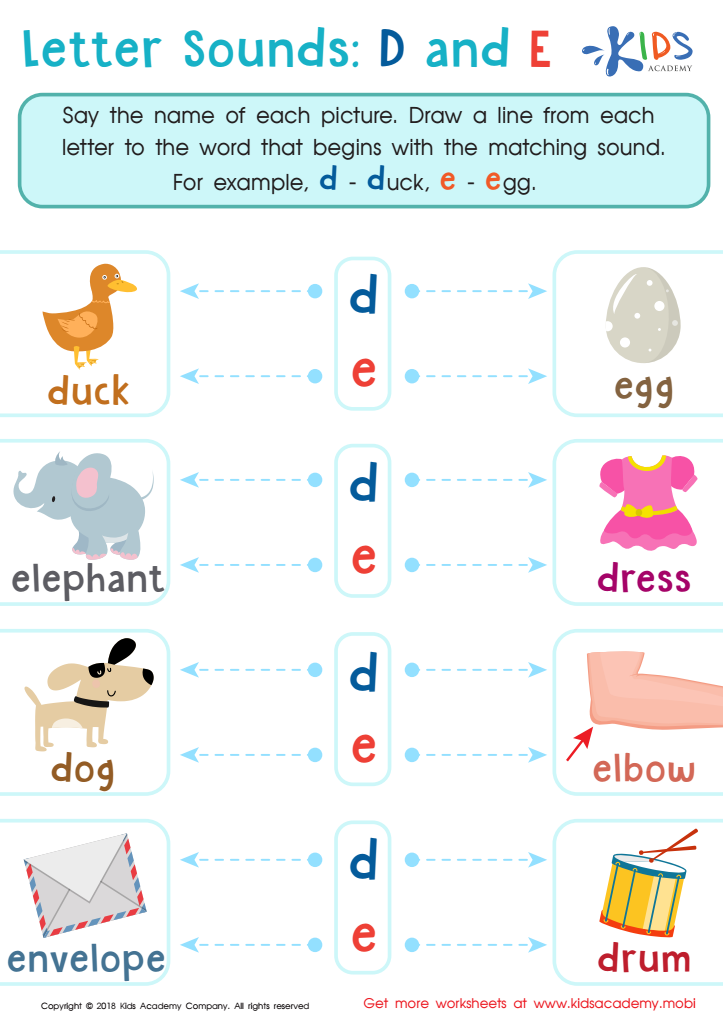
Letter D and E Sounds Worksheet
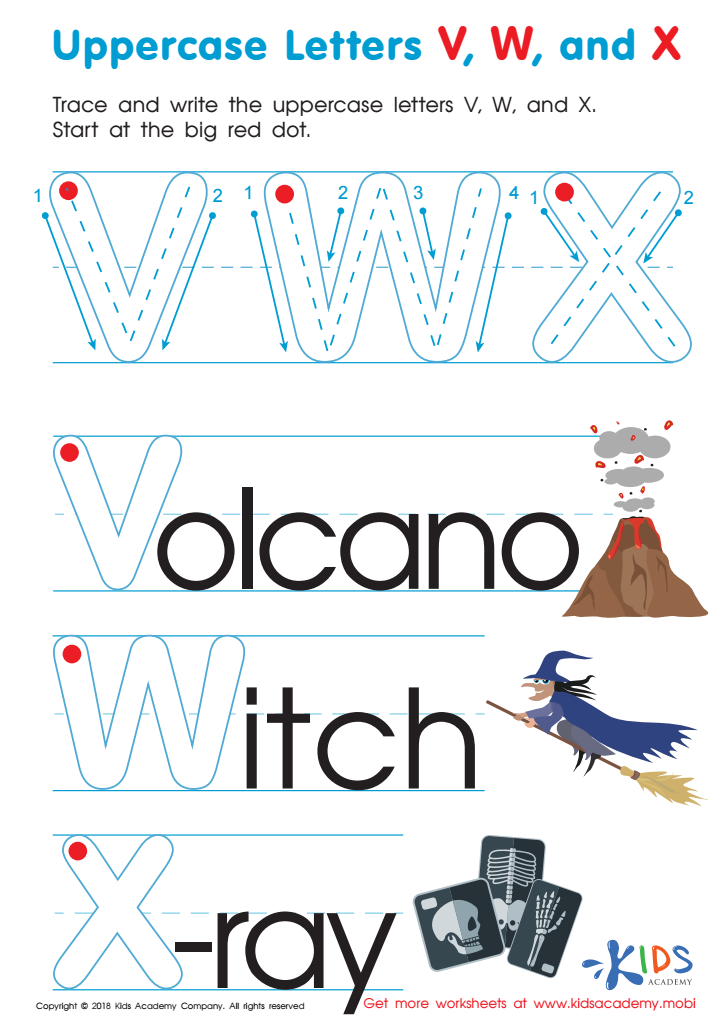
Uppercase Letters V, W, and X Worksheet







Handwriting practice for children aged 3-6 is crucial for several reasons. Firstly, this early stage of development is when fine motor skills are honed, and handwriting provides an excellent opportunity to strengthen these skills. Working with pencils or crayons helps enhance coordination, grip, and dexterity, which are essential for tasks beyond writing, such as buttoning clothes or using utensils.
Secondly, handwriting supports cognitive development. The act of learning to write letters reinforces letter recognition, phonemic awareness, and communication skills. Children begin to understand the connection between spoken language and written symbols, fostering early literacy.
Furthermore, handwriting practice nurtures creativity and self-expression. Children learn to convey their thoughts, stories, and ideas through writing. As they develop their unique style, they gain confidence in their ability to communicate.
Lastly, consistent handwriting practice promotes focus and discipline. It teaches children to follow rules and prompts while practicing patience and perseverance. These skills are valuable throughout their educational journey and beyond. Thus, parents and teachers should prioritize normal alphabet handwriting practice as a foundation for lifelong learning, creativity, and personal development.







