Letter Tracing Normal Alphabet Worksheets for Ages 3-6
6 filtered results
-
From - To
Discover our "Letter Tracing Normal Alphabet Worksheets for Ages 3-6." Designed to make learning fun and engaging, these worksheets help young learners master the alphabet through hands-on practice. Perfect for preschool and kindergarten children, each sheet encourages the development of fine motor skills as they trace uppercase and lowercase letters. These worksheets not only promote letter recognition but also build a strong foundation for reading and writing. Easy to download and print, our letter tracing worksheets offer a valuable educational resource that supports parents and teachers in nurturing early learning success. Start the journey of joyful writing today!
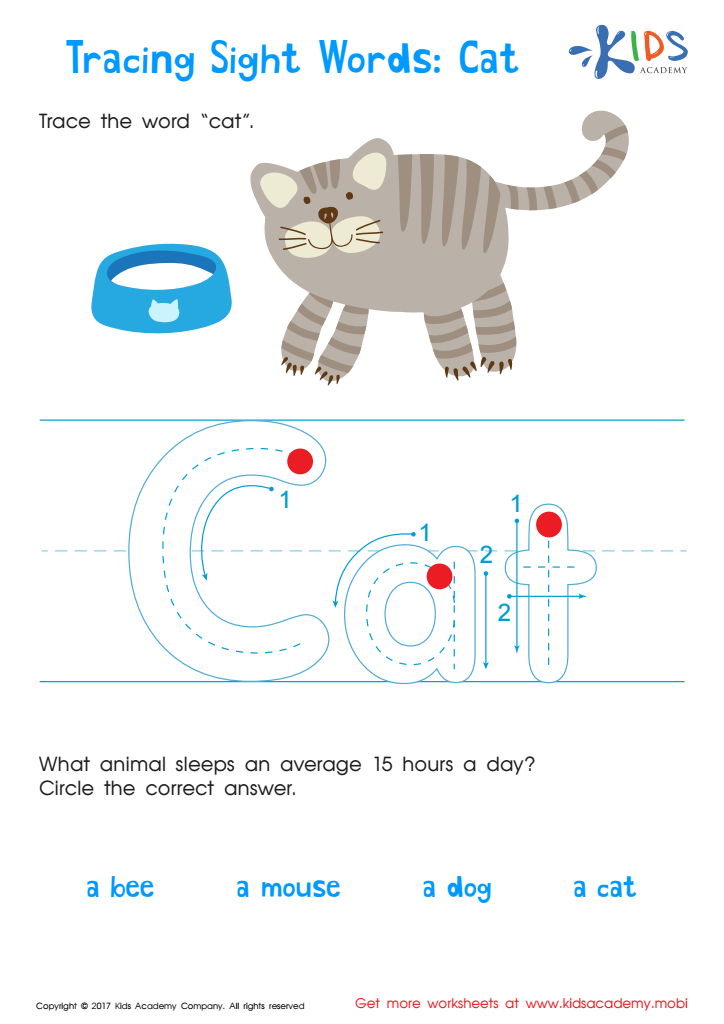
Cat Printable Sight Words Worksheet
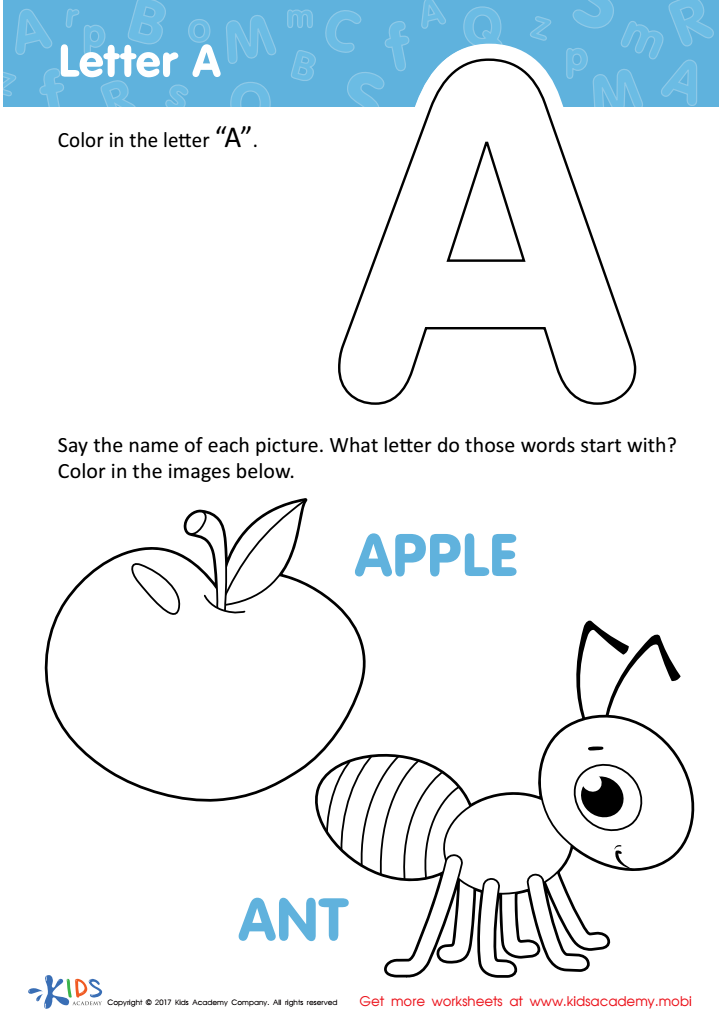
Letter A Coloring Sheet
 Assign to My Students
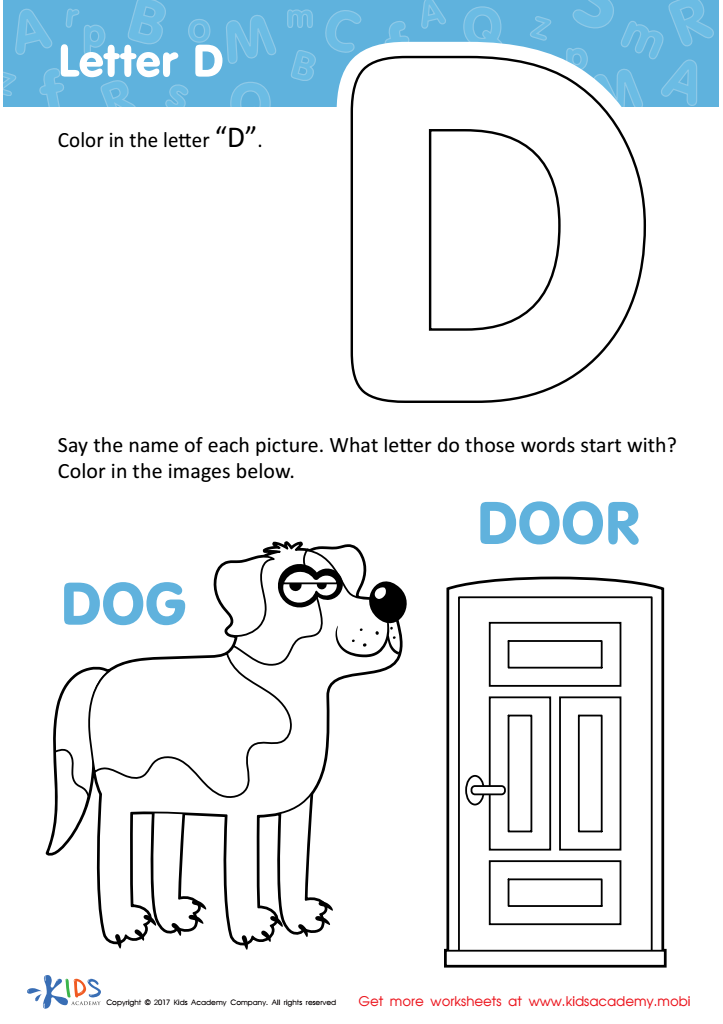
Letter D Coloring Sheet
Assign to My Students
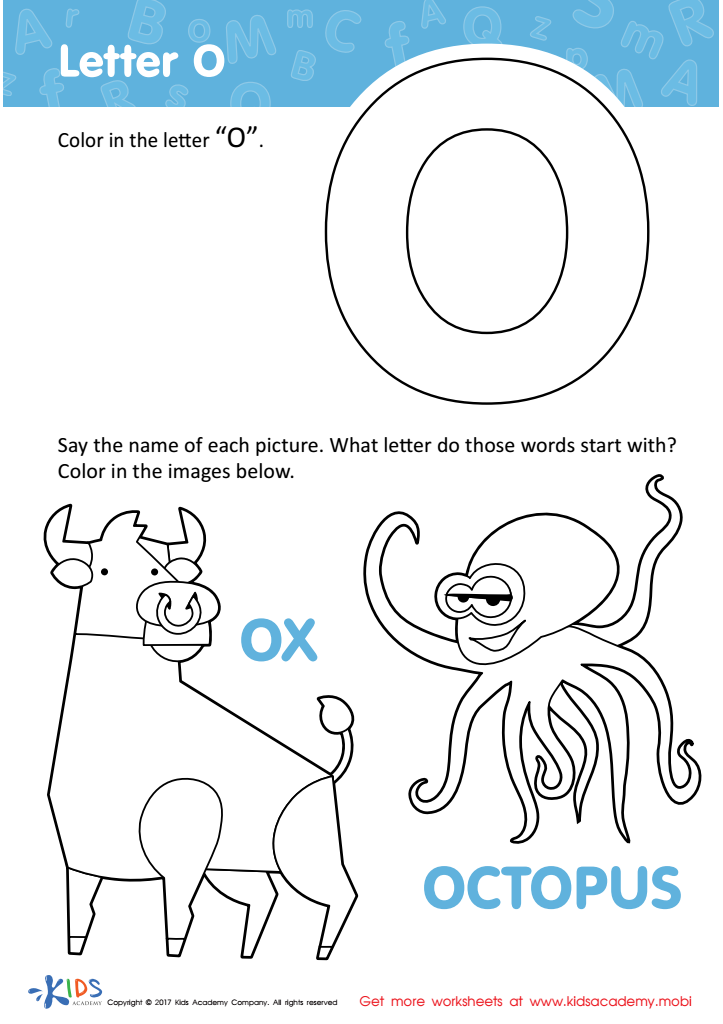
Letter O Coloring Sheet
Assign to My Students
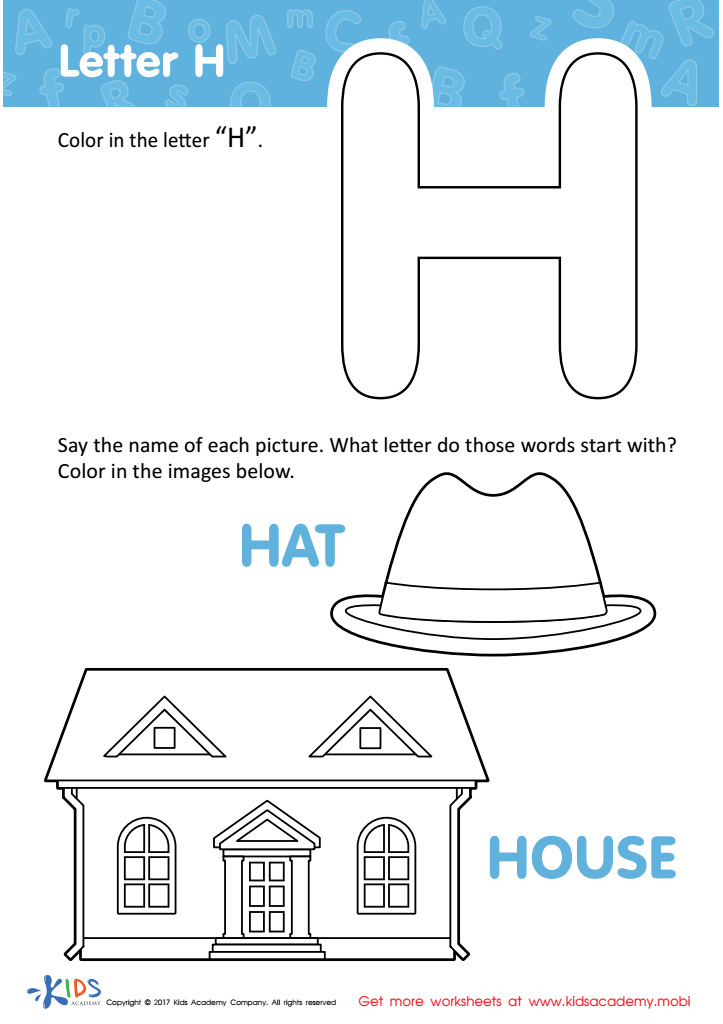
Letter H Coloring Sheet
Assign to My Students
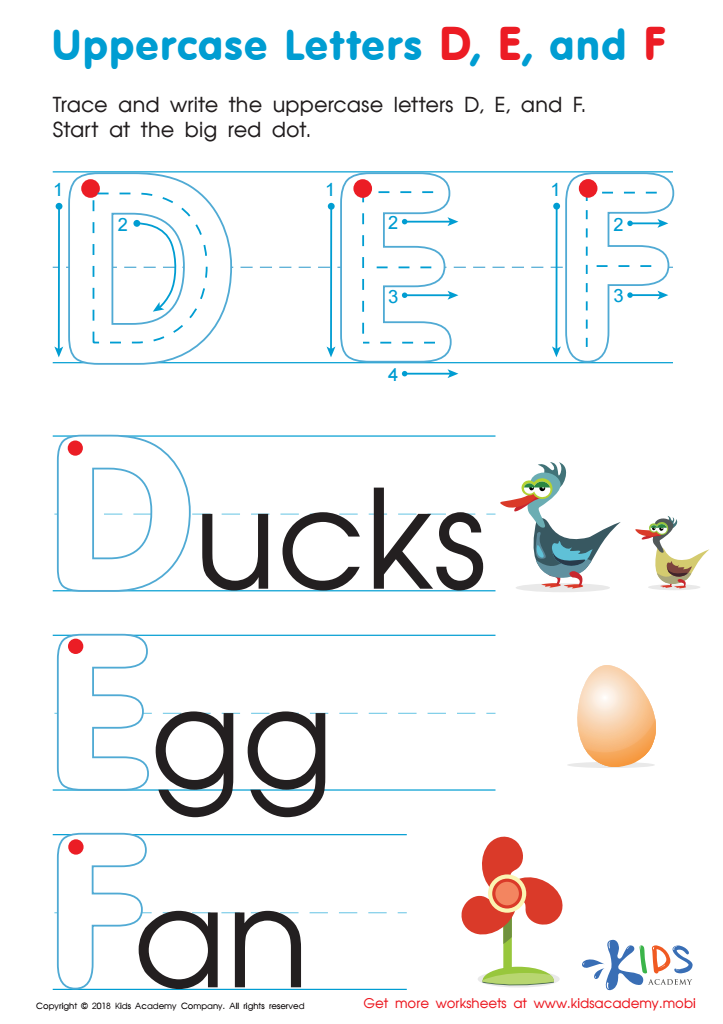
Uppercase Letters D, E, and F Worksheet







Letter tracing for young children, specifically ages 3-6, is a critical activity that parents and teachers should prioritize. During these formative years, children are developing fine motor skills, which are essential for holding and controlling a pencil. Letter tracing activities provide structured practice to enhance these skills. By tracing letters, children learn the foundational strokes that form letters, leading to improved handwriting legibility and confidence.
Moreover, letter tracing is integral to early literacy development. It helps children recognize alphabet shapes and associate them with their corresponding sounds. This linkage is fundamental for reading and writing proficiency. Repeated tracing also reinforces memory and cognitive skills, allowing children to internalize letter formations and phonetics.
Socially, letter tracing activities encourage patience, concentration, and a sense of accomplishment. Completing a letter successfully enhances a student’s self-esteem and motivation to engage in more complex learning activities. Additionally, these activities can be fun and interactive, helping children to develop a positive attitude toward learning.
In summary, letter tracing for ages 3-6 builds the necessary fine motor, cognitive, and literacy skills that form the cornerstone of academic success. Through repeated practice, children gain confidence and a strong foundation for future educational endeavors.







