Sound-letter association Normal Alphabet Worksheets for Ages 3-6
3 filtered results
-
From - To
Explore our engaging Sound-Letter Association Normal Alphabet Worksheets specially designed for children aged 3-6! These resources are perfect for developing early literacy skills by helping kids connect letters with their corresponding sounds. Each worksheet offers creative activities, including fun games and exercises that encourage learning through play. As children practice identifying letters and sounds, they enhance their phonemic awareness, a crucial foundation for reading and writing. Our worksheets are printable and easy to use at home or in the classroom, making them an invaluable tool for parents and educators alike. Start your child’s literacy journey today!
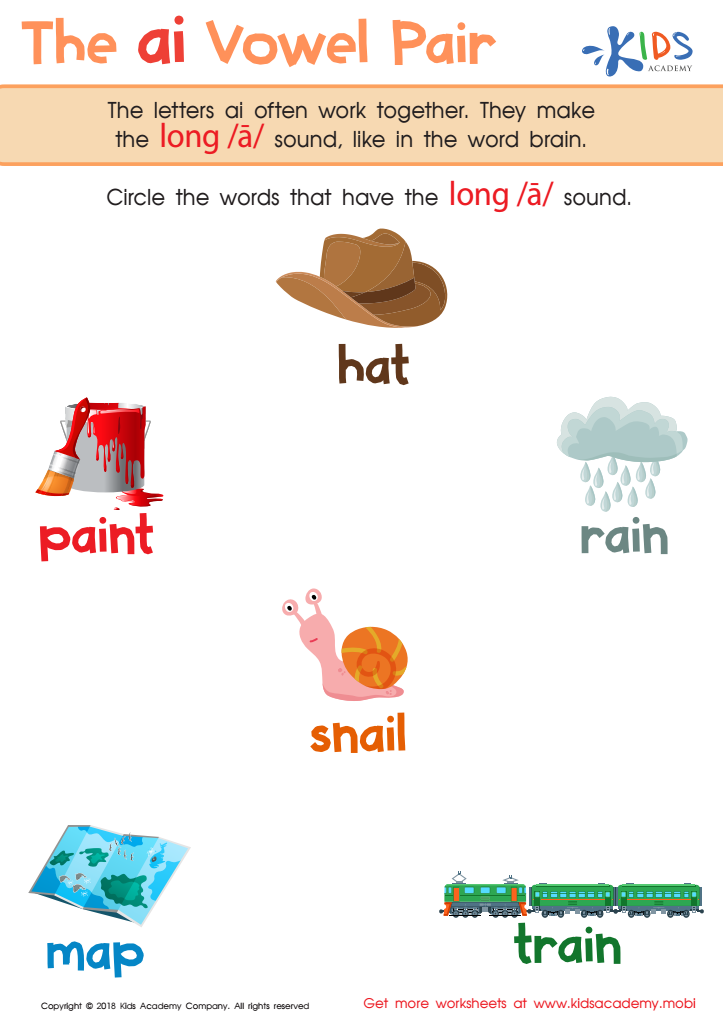
The AI Vowel Pair Worksheet
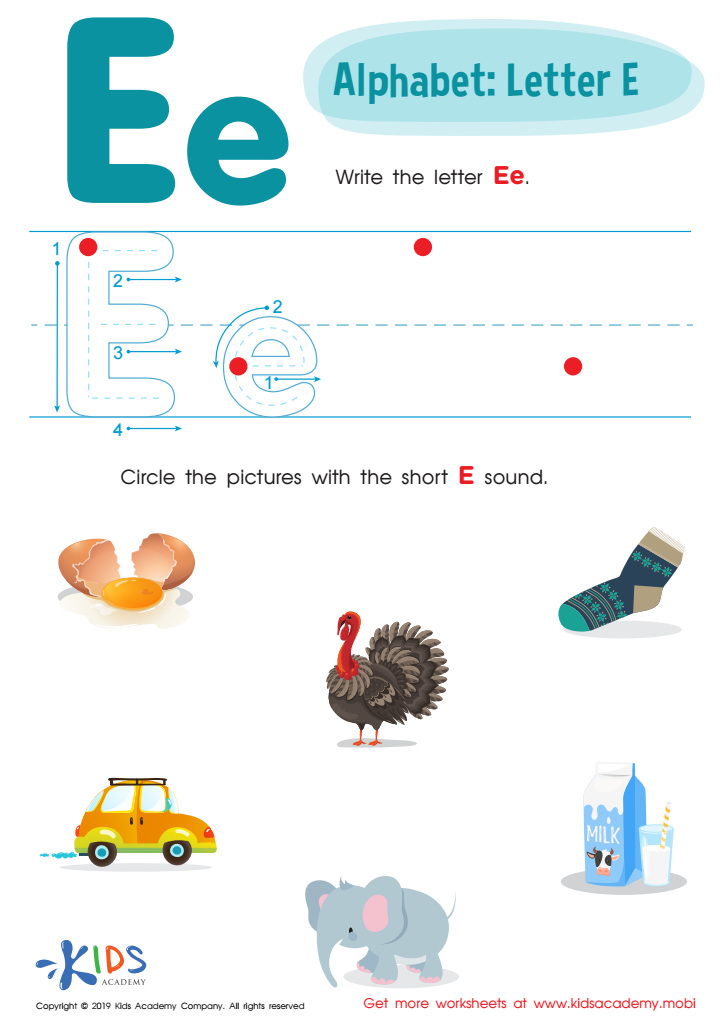
Letter E Tracing Worksheet
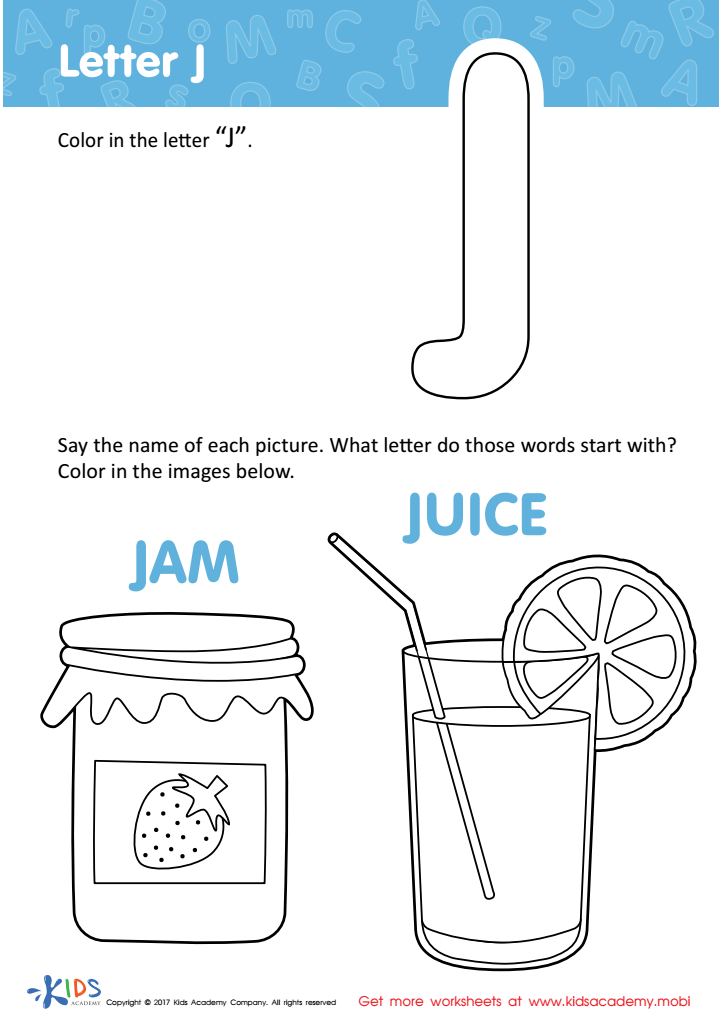
Letter J Coloring Sheet
 Assign to My Students








Sound-letter association, or phonics, plays a critical role in early literacy development for children aged 3-6. This foundational skill connects sounds (phonemes) with their corresponding letters (graphemes), fostering a child’s ability to decode words. Understanding this association is essential for reading fluency, comprehension, and spelling, which are vital skills for academic success.
When parents or teachers emphasize sound-letter associations, they create a robust literacy environment that enhances language proficiency. Early exposure to these concepts aids children in recognizing patterns and building a lexicon, enhancing their communication skills. Engaging in interactive activities, such as rhymes, songs, and letter games, nurtures their curiosity and enthusiasm for learning.
Additionally, children who build a strong grounding in sound-letter associations are often more confident readers and writers. This confidence not only influences their academic journeys but also impacts their overall self-esteem and willingness to engage in learning activities throughout their lives.
By understanding the importance of sound-letter associations, parents and teachers can better support children in laying a solid reading foundation, preparing them for a lifetime of literacy and learning enjoyment. Their involvement is crucial in fostering a love for reading that lasts well beyond the early years.







