Visual discrimination Normal Alphabet Worksheets for Ages 3-6
4 filtered results
-
From - To
Boost your child's early literacy skills with our Visual Discrimination Normal Alphabet Worksheets for Ages 3-6! These engaging worksheets are designed to enhance children's ability to identify and differentiate letters, a crucial foundation for reading and writing. With colorful illustrations and fun activities, kids will enjoy practicing their visual skills while becoming familiar with the alphabet. Ideal for preschool and kindergarten settings, our worksheets promote independent learning and critical thinking. Each printable sheet is easy to use at home or in the classroom, providing young learners with the tools they need to succeed. Start your child’s educational journey today!
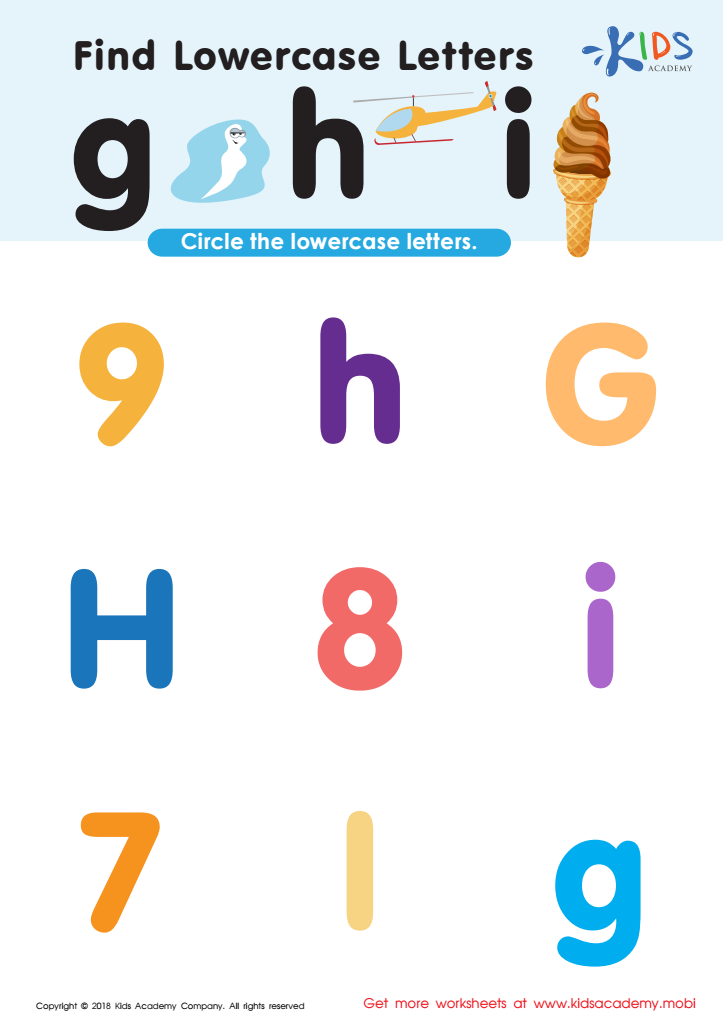
Find Lowercase Letters g h i Worksheet
 Assign to My Students
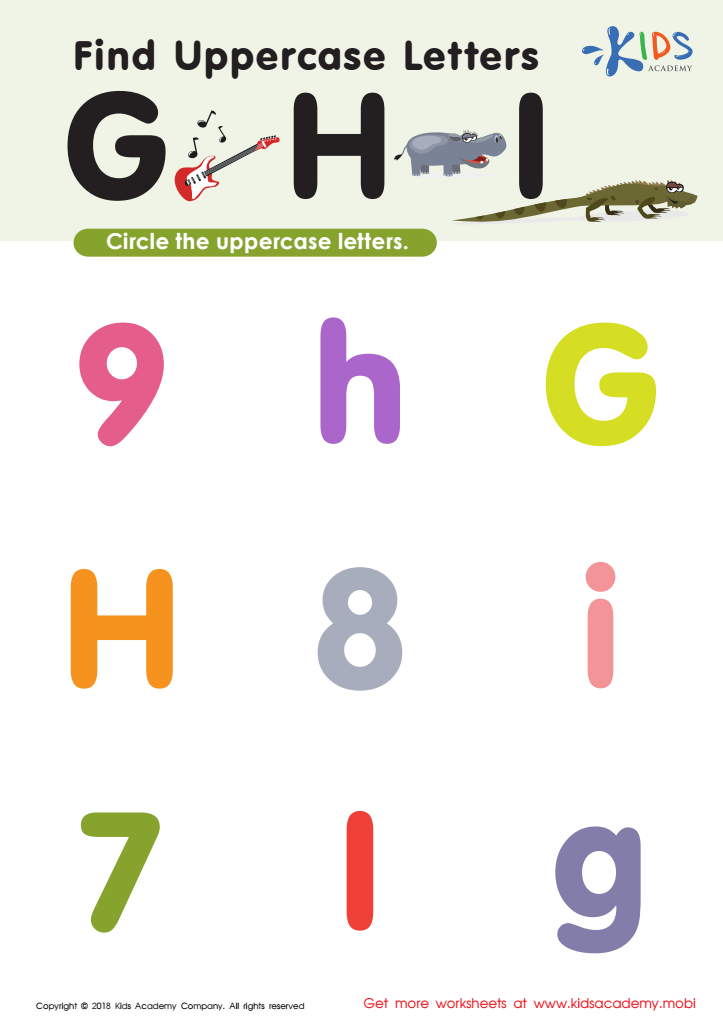
Find Uppercase Letters G, H, and I Worksheet
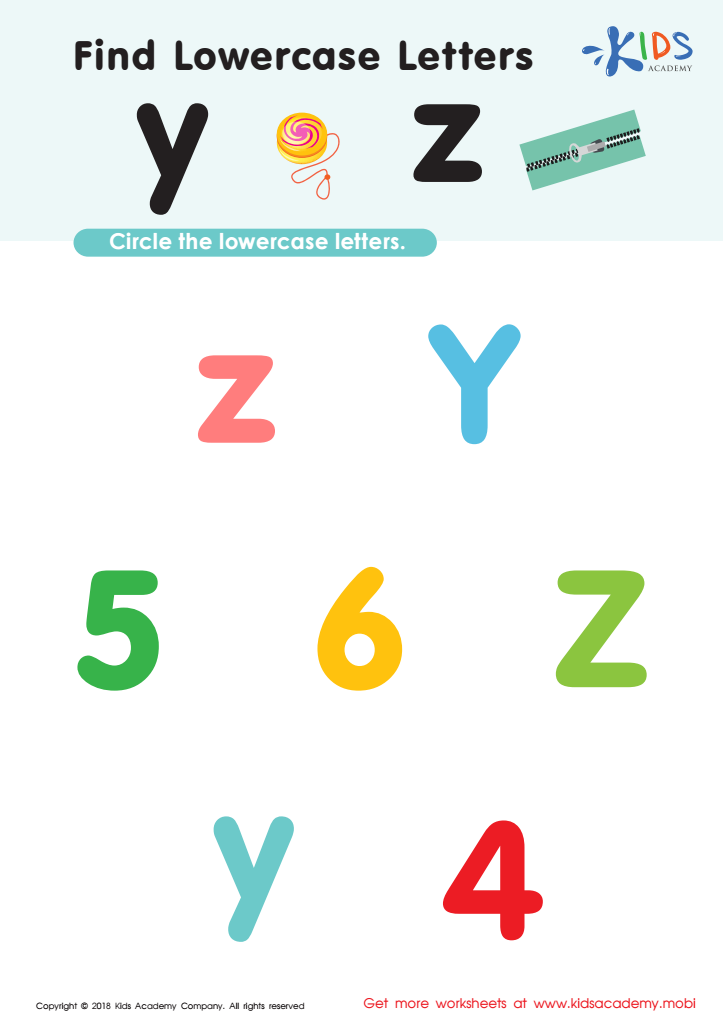
Find Lowercase Letters y z Worksheet
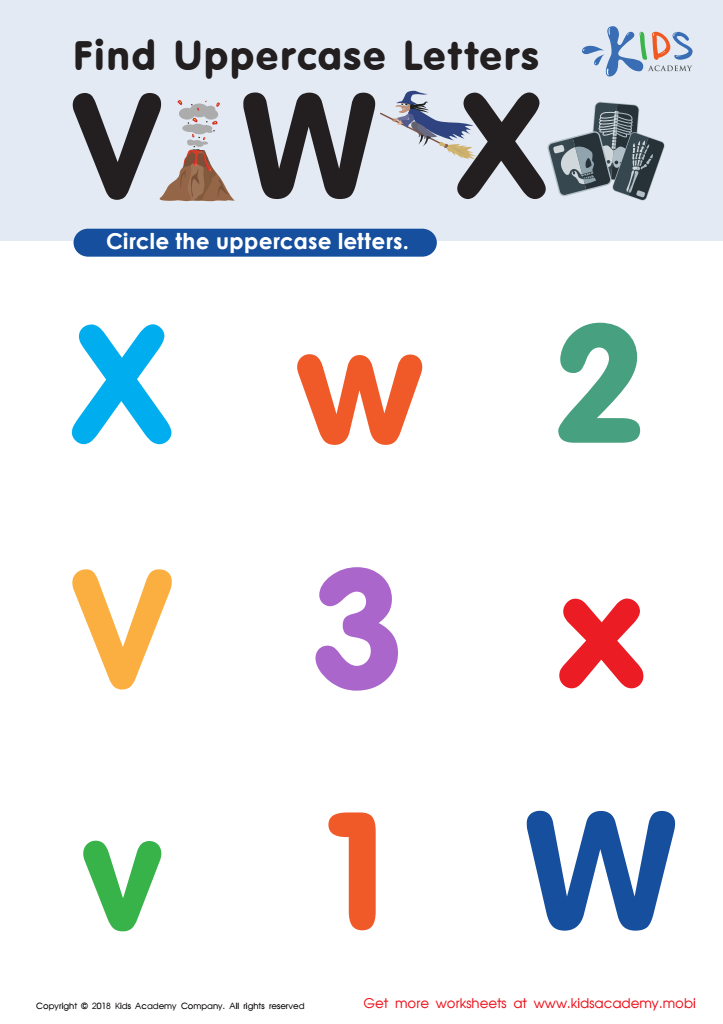
Find Uppercase Letters V, W, X Worksheet






Visual discrimination is a crucial skill for young children, particularly those aged 3-6, as it forms the foundation for successful reading, writing, and overall cognitive development. This ability allows children to identify subtle differences in shapes, letters, and symbols, which is essential for recognizing the normal alphabet and distinguishing between letters that may look similar, such as "b" and "d" or "p" and "q."
Parents and teachers should care about developing visual discrimination skills because these abilities significantly impact a child's literacy and academic success. By refining visual discrimination, children can improve their phonemic awareness, letter recognition, and ultimately aid in reading fluency. When children can quickly and accurately identify letters, they feel more confident in their reading and writing abilities, fostering a love for literacy.
Additionally, visual discrimination contributes to children’s overall problem-solving skills, attention to detail, and even their ability to perform complex tasks later in life. Activities designed to enhance visual discrimination, such as sorting letters, matching games, and interactive storytelling, can be integrated into daily routines. By prioritizing these skills in early education at home or in the classroom, parents and teachers set children on a path toward lifelong learning and academic achievement.







