Visual discrimination skills Normal Alphabet Worksheets for Ages 3-6
5 filtered results
-
From - To
Enhance your child's visual discrimination skills with our engaging Normal Alphabet Worksheets, specifically designed for ages 3-6. These interactive worksheets provide fun activities that help young learners distinguish between similar letters and identify differences in shapes and sizes. By focusing on visual discrimination, children will develop essential skills for reading and writing success. Each worksheet is thoughtfully crafted to captivate young minds while promoting critical thinking and attention to detail. Perfect for home or classroom use, our resources make learning enjoyable and effective. Foster your child's growth and confidence with these essential visual discrimination tools today!
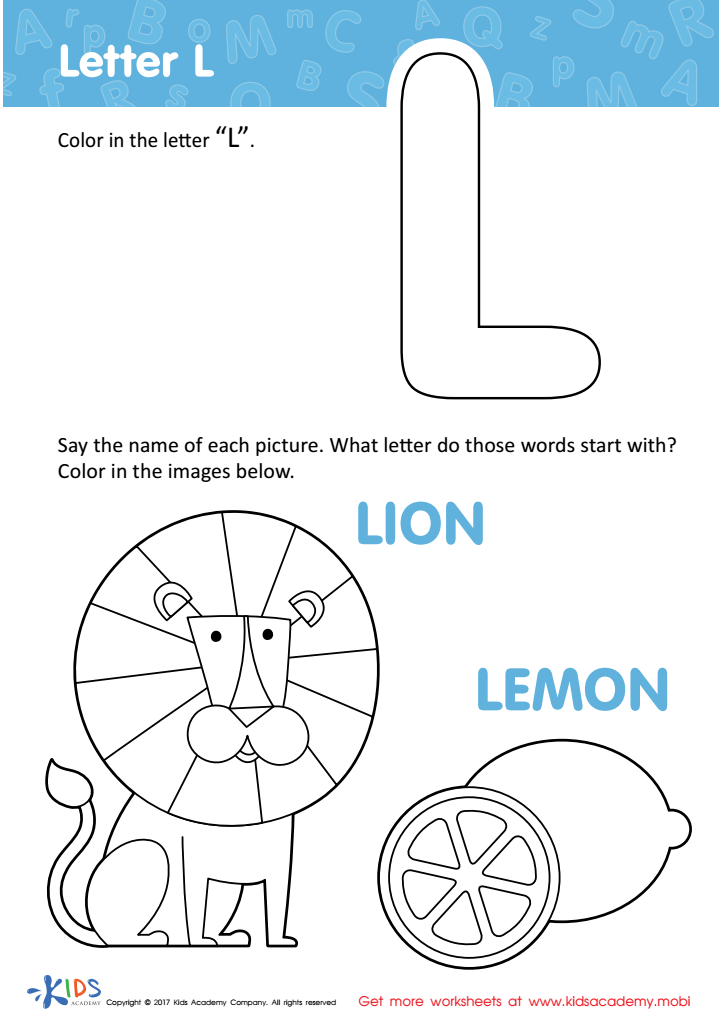
Letter L Coloring Sheet
 Assign to My Students
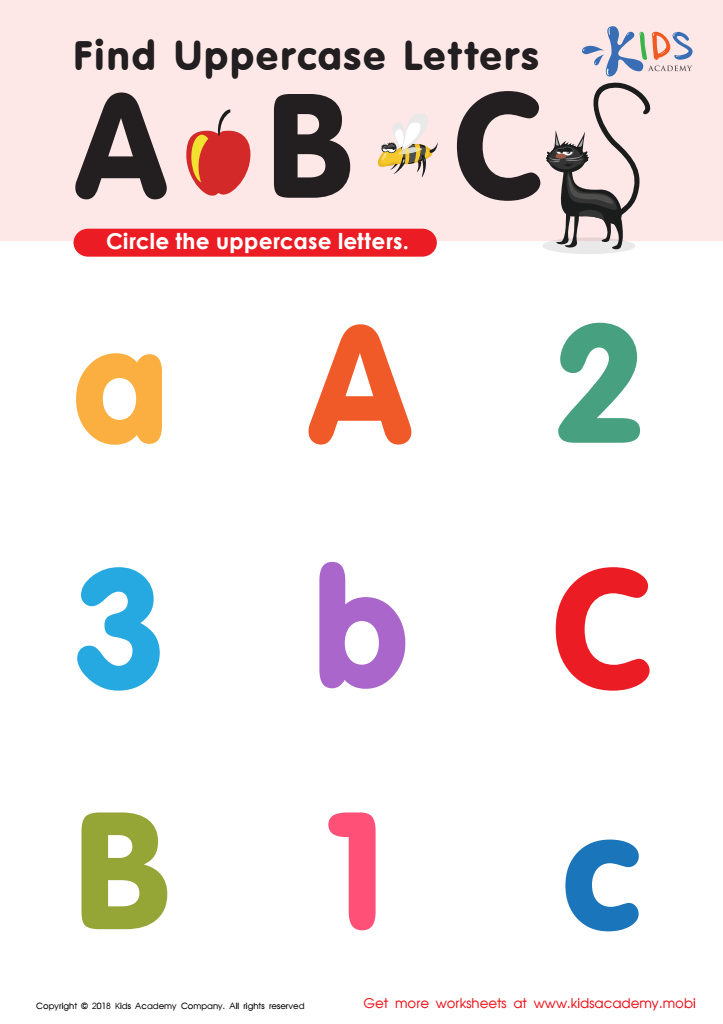
Find Uppercase Letters A, B, and C Worksheet
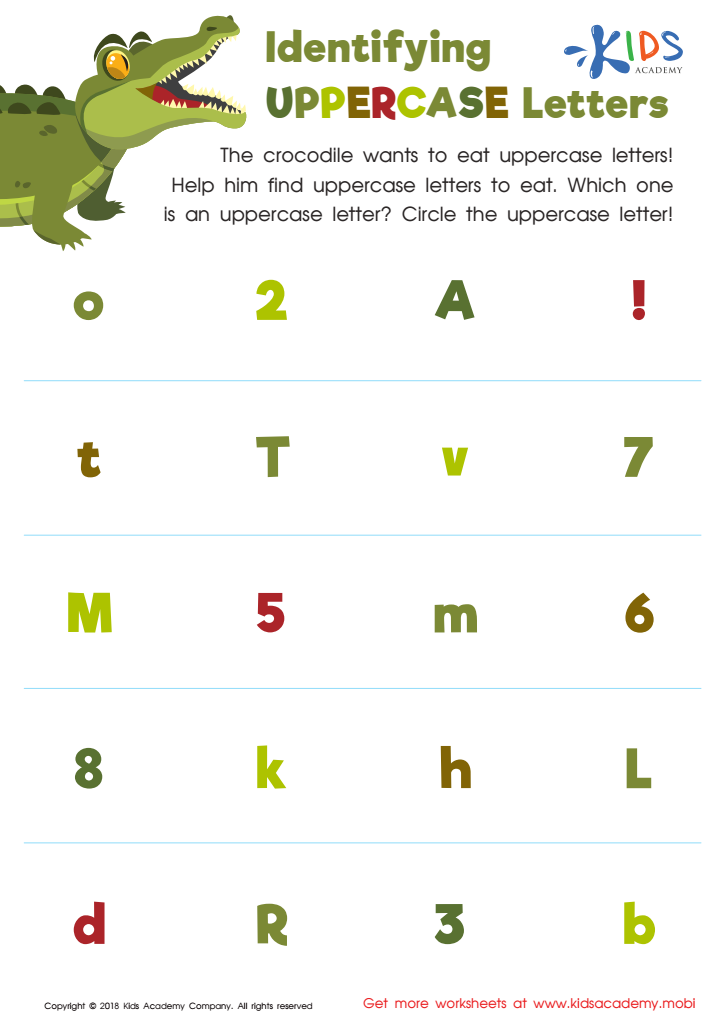
Identifying Uppercase Letters Worksheet
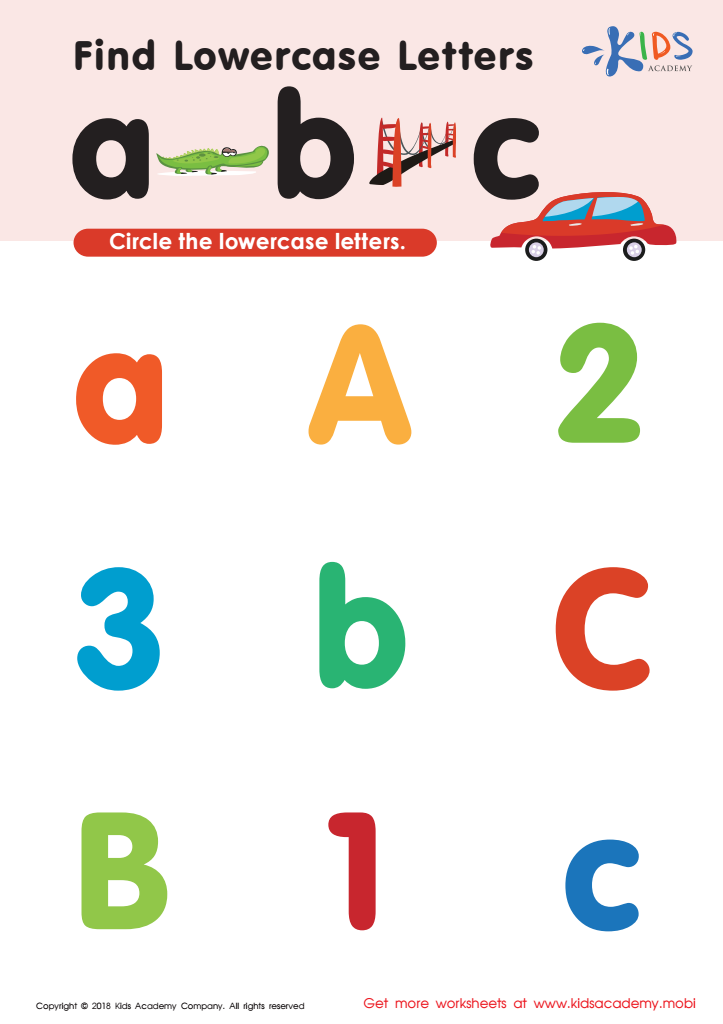
Find lowercase letters a b c Worksheet
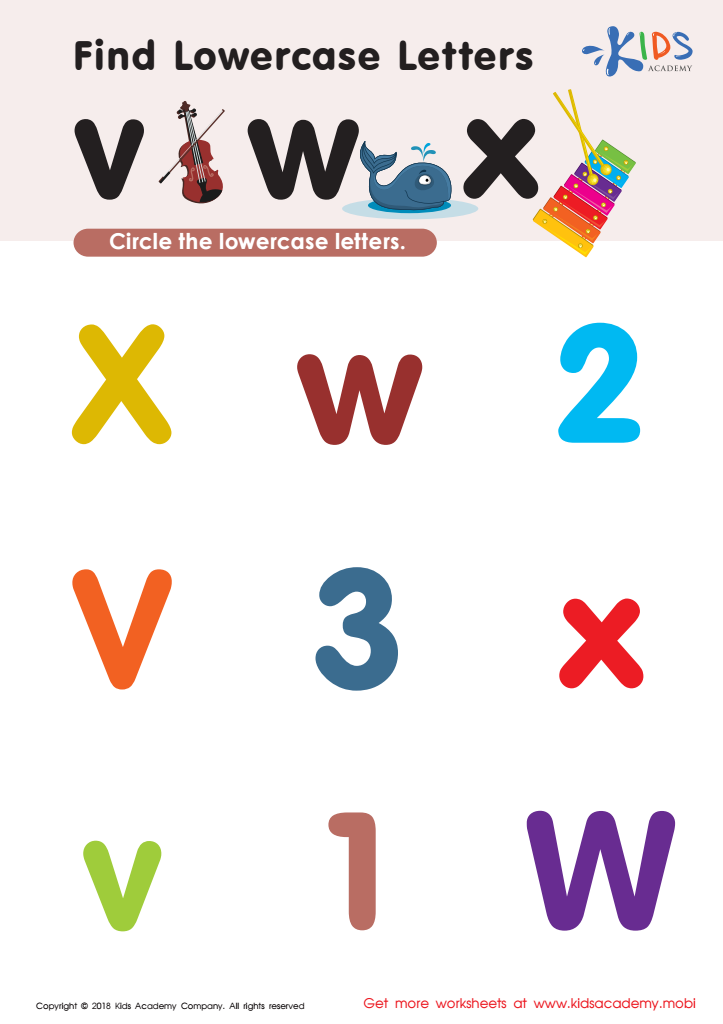
Find Lowercase Letters v w x Worksheet







Visual discrimination skills are essential for children aged 3-6 as they form the foundation for literacy and academic success. These skills enable children to identify similarities and differences in shapes, letters, and objects, which is crucial in recognizing letters of the alphabet. When children develop strong visual discrimination skills, they can distinguish between letters that look similar, such as "b" and "d," or "p" and "q," significantly reducing confusion as they learn to read.
Additionally, visual discrimination supports other areas of learning, such as mathematics and problem-solving, by allowing children to compare, categorize, and organize information effectively. Enhanced visual skills can lead to improved attention and focus, enabling children to engage better in classroom activities.
By caring about and promoting visual discrimination skills, parents and teachers equip children with tools they will use throughout their education. Activities such as sorting games, puzzles, and letter recognition exercises can help foster these skills in a fun and engaging manner. Ultimately, prioritizing visual discrimination helps create confident, competent learners who are well-prepared for future academic challenges. Therefore, fostering these skills from an early age benefits both individual children and the educational environment as a whole.







