Reading development Normal Phonics Worksheets for Ages 3-6
4 filtered results
-
From - To
Discover the joy of reading with our “Normal Phonics Worksheets” designed for children ages 3-6! Our engaging and interactive resources are tailored to foster early literacy skills, ensuring a solid foundation in phonics. Each worksheet is filled with fun activities that promote letter recognition, sound-symbol correspondence, and basic reading comprehension. Perfect for teachers and parents, these worksheets not only enhance phonics knowledge but also nurture a love for learning. With a variety of colorful and age-appropriate designs, children will have fun while developing essential reading skills. Start your child’s reading journey today with our printable phonics worksheets!
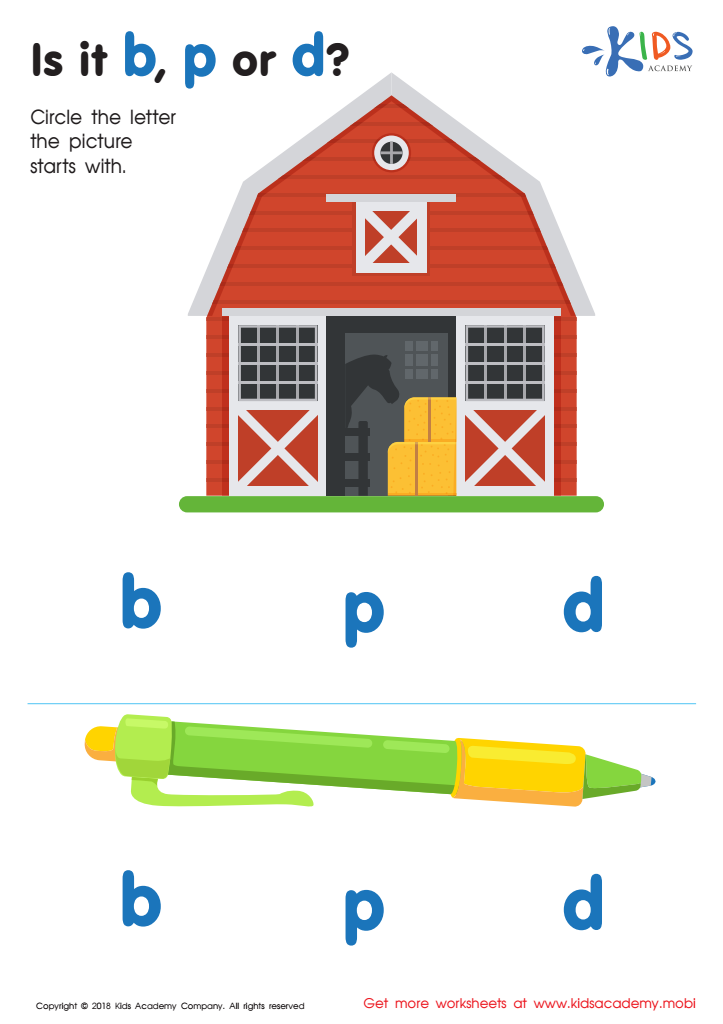
Is it b, p or d? Worksheet
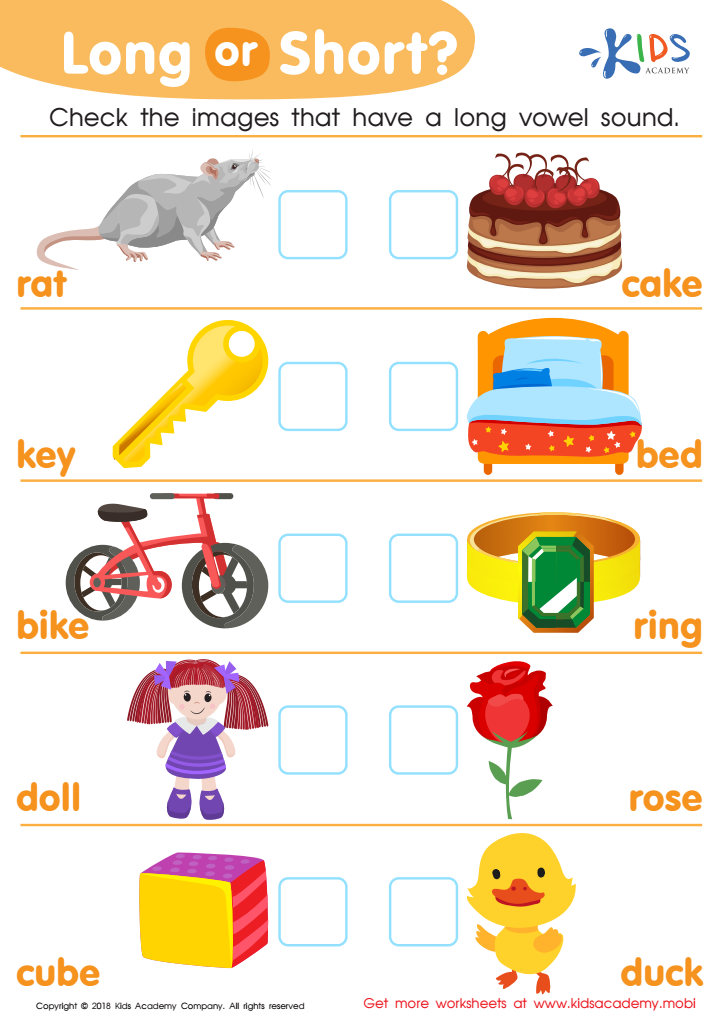
Long or Short Reading Worksheet
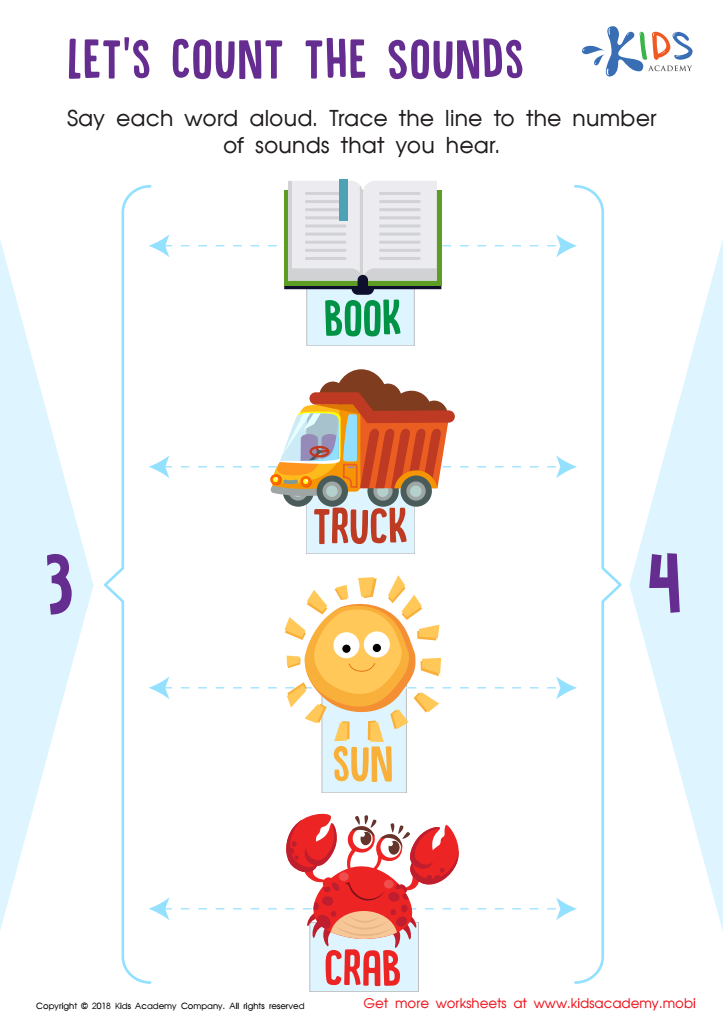
Let's Count the Sounds Worksheet
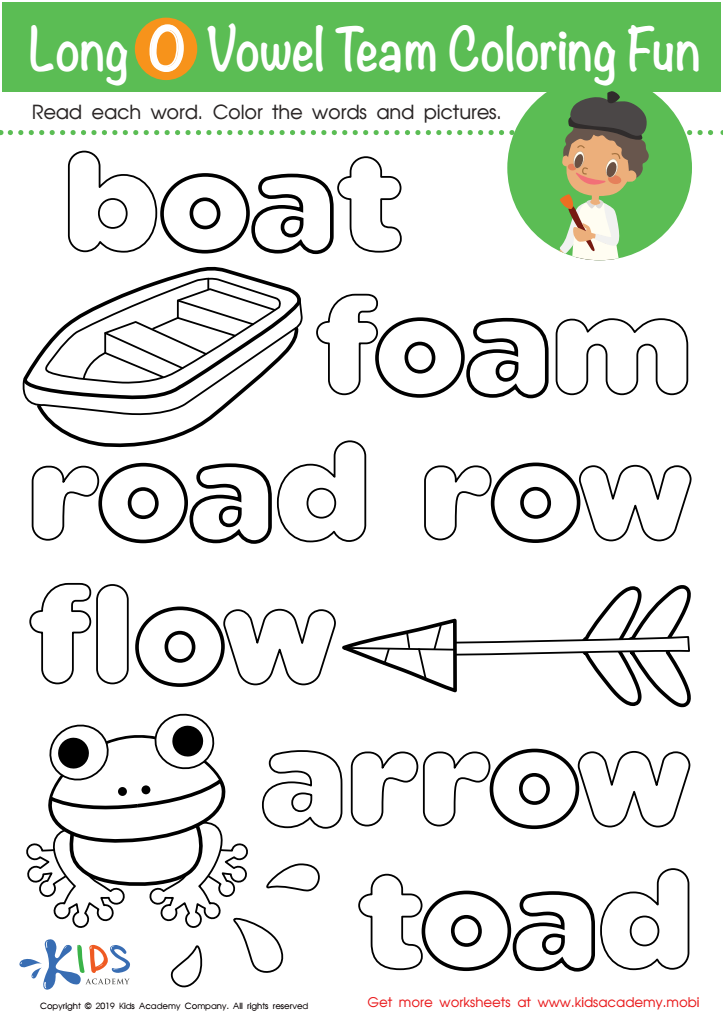
Long O Vowel Team Coloring Worksheet
 Assign to My Students








Reading development in early childhood, particularly through the framework of Normal Phonics for ages 3-6, is crucial as it lays the foundation for lifelong literacy skills. During these formative years, children's brains are remarkably adaptable, making this the optimal time for them to grasp phonemic awareness—the understanding that sounds and letters represent the building blocks of language.
Parents and teachers should care about this developmental phase because mastering phonics enhances a child's ability to decode words, improving fluency and comprehension as they progress to more complex texts. Proficient reading early on bolsters observational skills, critical thinking, and vocabulary acquisition, enriching overall cognitive development.
Furthermore, strong reading abilities correlate to academic success later in life, shaping future educational opportunities and achievements. Children who engage in phonics-based learning are more likely to develop a positive attitude toward reading, fostering a lifelong enjoyment of literature. Additionally, being able to read confidently feeds a child’s self-esteem, equipping them with essential skills necessary for effective communication in today’s world. In short, supporting phonics development in young children paves the way for their social, emotional, and academic growth, making it a priority for both parents and educators.







