Phonics Skills Normal Short Vowels Worksheets for Ages 3-6
5 filtered results
-
From - To
Unlock early reading success with our Phonics Skills Normal Short Vowels Worksheets designed for ages 3-6. These engaging, age-appropriate worksheets focus on the fundamental phonics lessons necessary for mastering short vowel sounds. Each activity nurtures your child's ability to recognize, pronounce, and write short vowels. Offering a variety of innovative and fun exercises, our worksheets make learning enjoyable while building a solid foundation in early literacy skills. Ideal for both classroom and home use, these resources will give your young learner a head start on their reading journey. Visit Kids Academy to explore and download today!
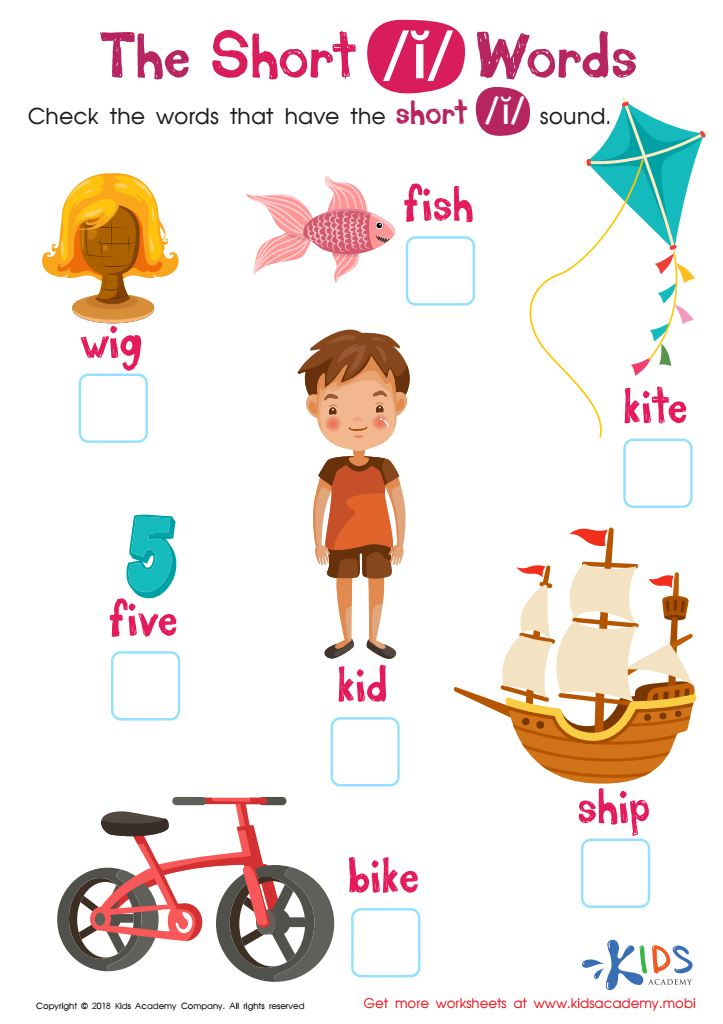
The Short I Words Reading Worksheet
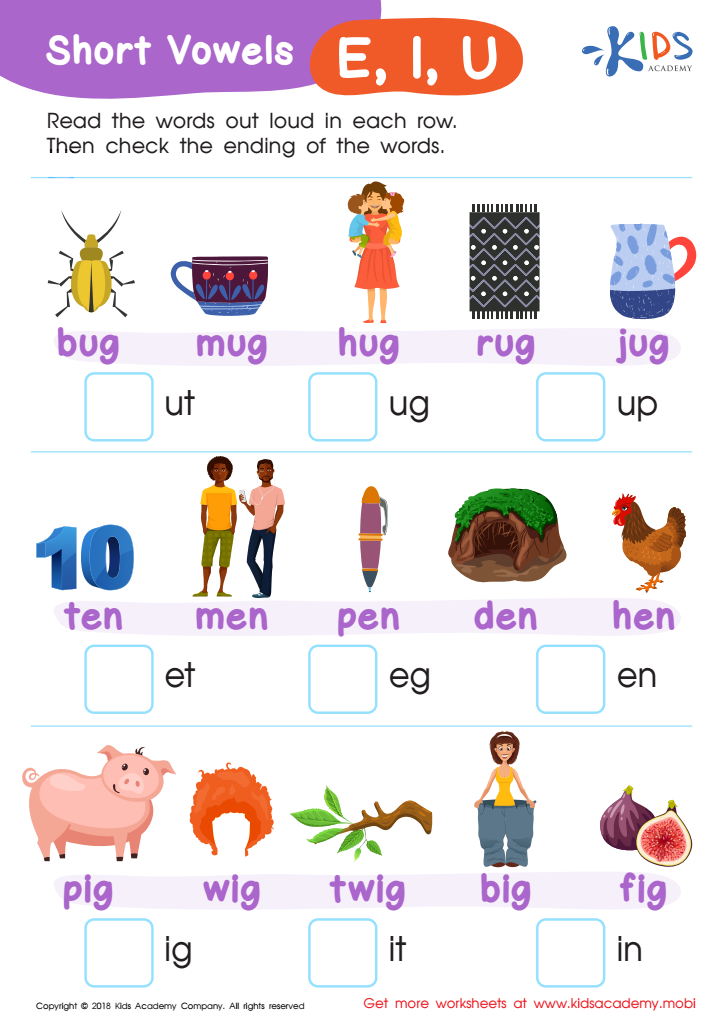
Short Vowels /e/, /i/, and /u/ Worksheet
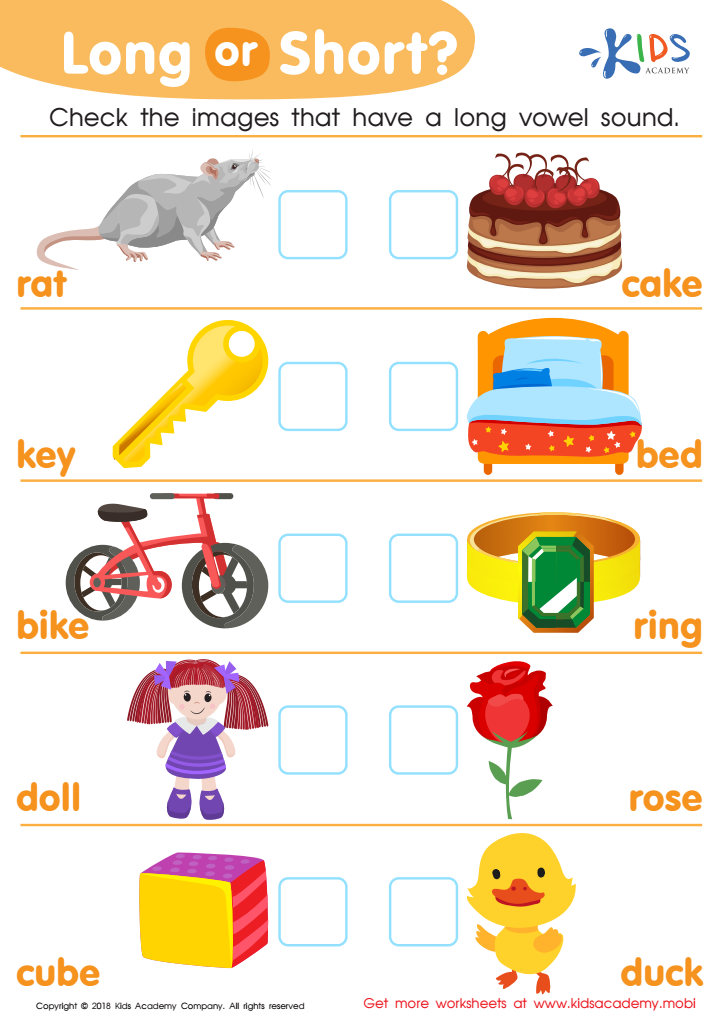
Long or Short Reading Worksheet
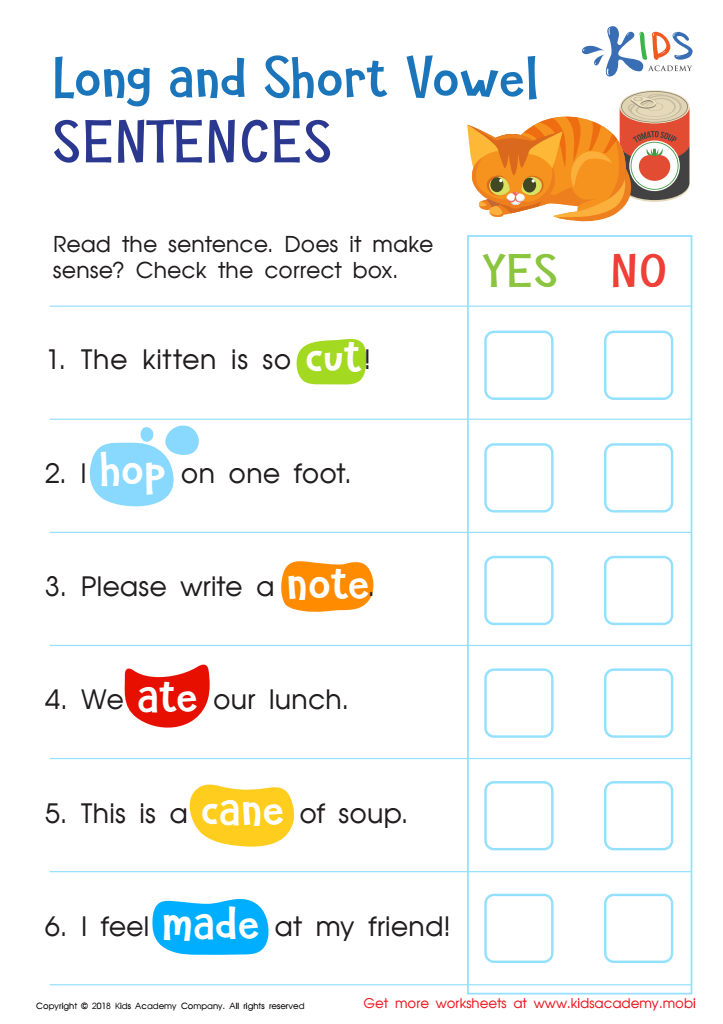
Long and Short Vowel Sentences: Assessment Worksheet

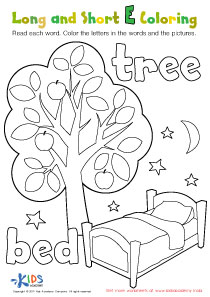
Long and Short E Worksheet
 Assign to My Students



Phonics skills, particularly mastery of normal short vowels, are crucial for children ages 3-6 as they lay the foundation for future reading and writing success. During these formative years, children's brains are particularly receptive to language acquisition. Learning short vowels helps them decipher basic words and understand sound-symbol relationships, which are essential for fluent reading. Parents and teachers play significant roles in this learning phase.
By focusing on the five primary short vowel sounds—/a/, /e/, /i/, /o/, and /u/—children begin to decode simple words like "cat," "bed," "pig," "top," and "sun." This decoding skill, known as phonological awareness, allows children to blend sounds together, aiding in word recognition and spelling. Strong phonics skills lead to improved reading comprehension as children are better equipped to tackle more complex words.
Furthermore, early success in reading fosters a love for learning, boosts self-confidence, and enhances cognitive development. Teachers and parents providing appropriate guidance, engaging activities, and consistent practice can significantly impact a child's academic trajectory.
In summary, focusing on normal short vowel phonics skills during the critical ages of 3-6 sets a strong linguistic foundation, crucial for developing proficient, confident, and motivated readers, thereby contributing to their overall educational success.