Reading comprehension Normal Short Vowels Worksheets for Ages 3-6
5 filtered results
-
From - To
Explore our engaging Reading Comprehension Normal Short Vowels Worksheets designed for children ages 3-6! These resources provide a fun and interactive way for young learners to enhance their reading skills through short vowel recognition. Our worksheets feature colorful illustrations and simple sentences that encourage children to think critically about the text. With a focus on nurturing early literacy, these activities help boost vocabulary, understanding, and fluency. Ideal for homeschooling or classroom settings, our worksheets ensure that kids develop a strong foundation in reading. Start your child's reading journey with our enjoyable and educational short vowels worksheets today!
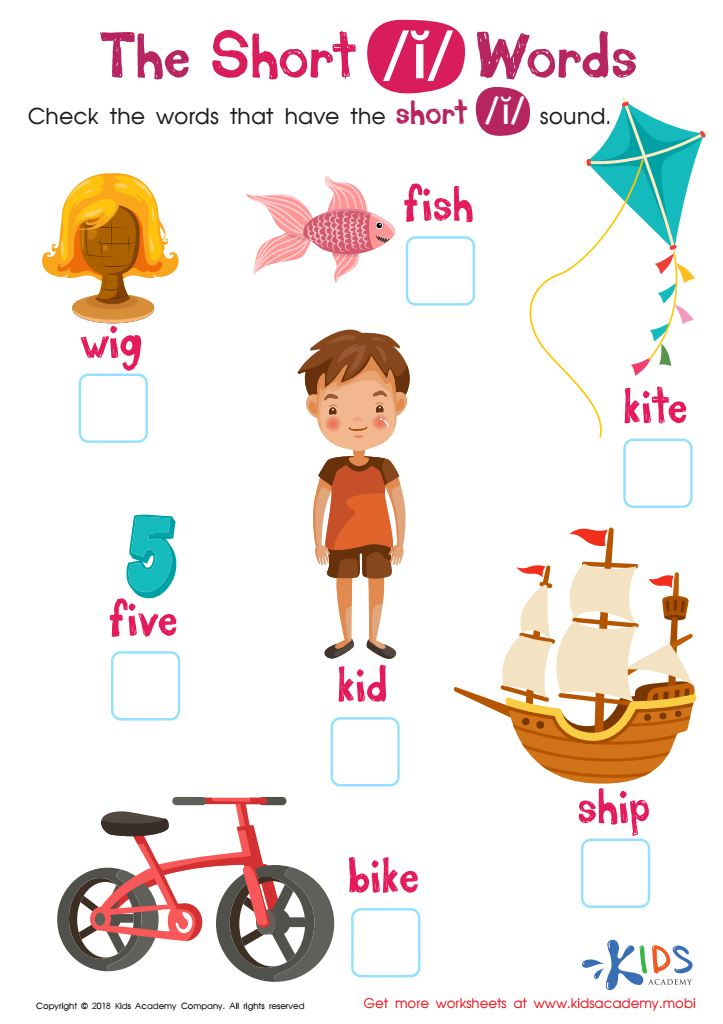
The Short I Words Reading Worksheet
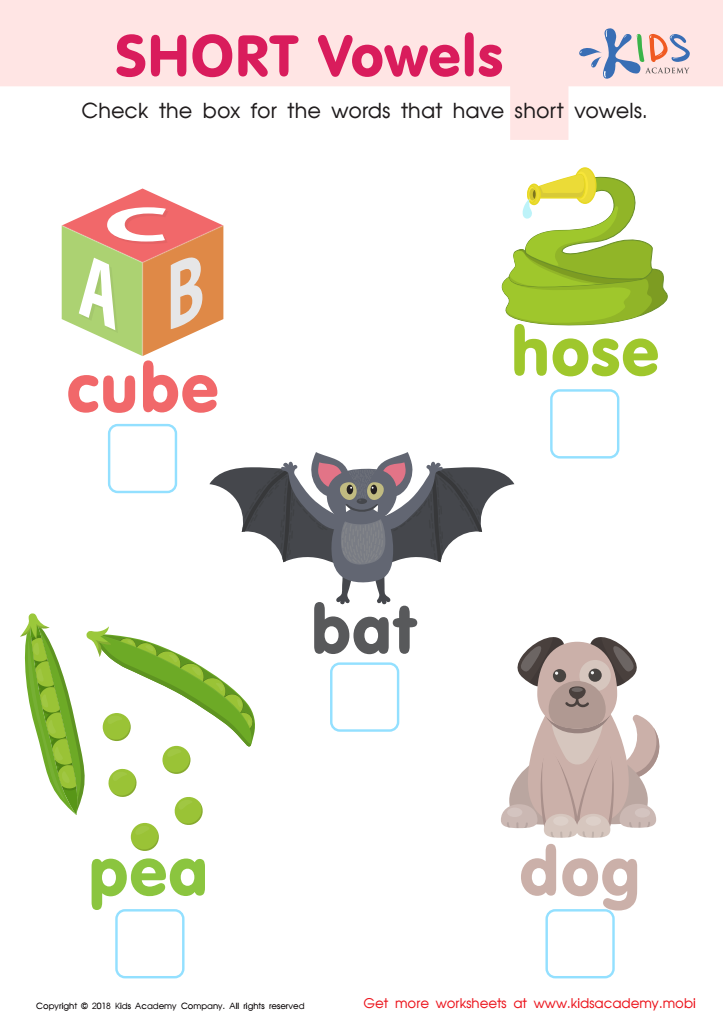
short vowels Worksheet
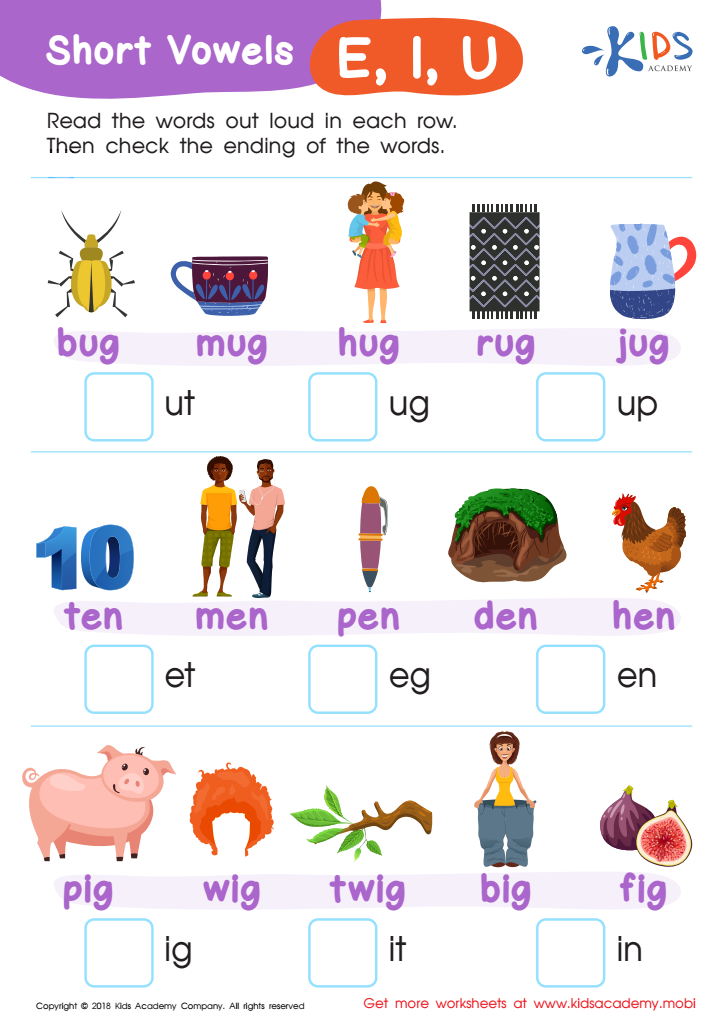
Short Vowels /e/, /i/, and /u/ Worksheet
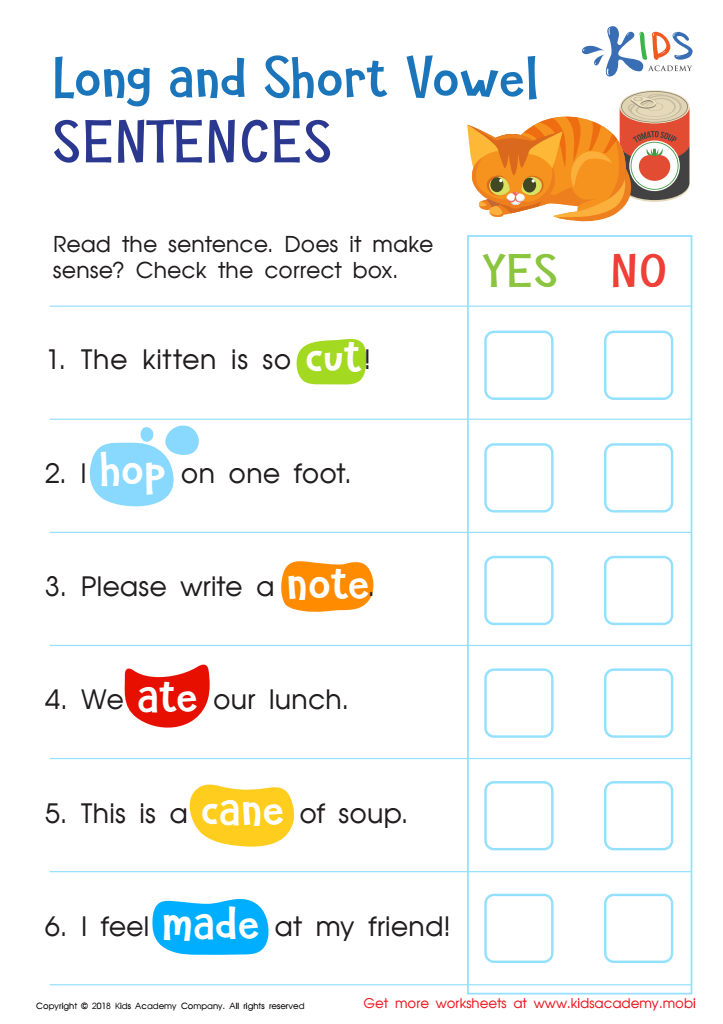
Long and Short Vowel Sentences: Assessment Worksheet
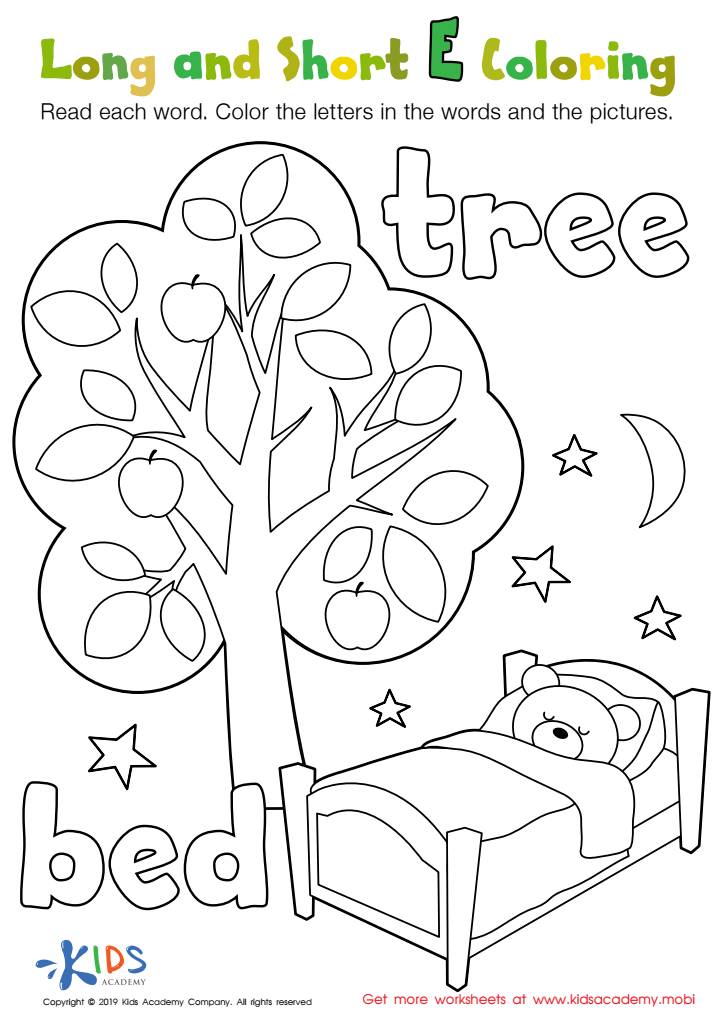
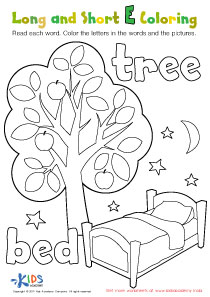
Long and Short E Worksheet
 Assign to My Students



Reading comprehension, particularly in understanding normal short vowels, is crucial for children aged 3-6 as it lays the foundation for literacy. During these formative years, children are developing essential language skills that will support their future reading abilities. Mastering short vowels helps children decode words more effectively, which is vital for building their confidence and encouraging a love for reading.
At this age, children are often introduced to phonics through engaging activities. When parents and teachers focus on reading comprehension of short vowels, they enable children to recognize patterns in words, improve their decoding skills, and develop the ability to blend sounds. This skill directly impacts their ability to read simple texts, making them more prepared for advanced learning in later grades.
Moreover, comprehension of short vowels enhances vocabulary development and supports critical thinking. Children who understand how to manipulate sounds and letters can better express themselves both verbally and in writing. By promoting reading comprehension at this stage, parents and teachers not only foster a love for books but also equip children with necessary tools to succeed academically. Ultimately, nurturing reading comprehension during early childhood is essential for a child’s lifelong learning journey.