Alphabet Recognition Normal Upper & Lowercase Letters Worksheets for Ages 3-6
19 filtered results
-
From - To
Enhance your child's ability to recognize both uppercase and lowercase letters with our Alphabet Recognition worksheets, designed specifically for ages 3-6. These engaging printables offer a variety of fun and interactive activities that help young learners master the alphabet. Perfect for preschool and kindergarten, our worksheets encourage alphabet proficiency through matching, tracing, and identification exercises. Foster early literacy skills and boost your child's confidence with these delightful educational tools from Kids Academy. Suitable for both classroom and home use, they make learning letters exciting and enjoyable!
Explore our Alphabet Recognition worksheets to give your child a head start in reading and writing: SIGN ME UP
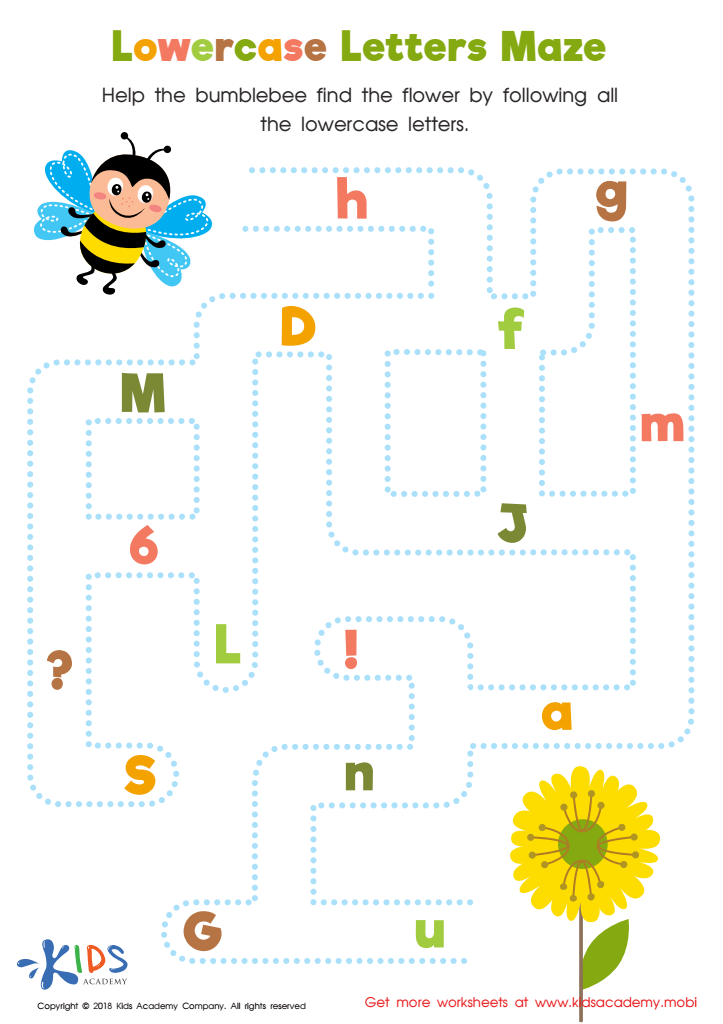
Lowercase Letters Maze Worksheet
 Assign to My Students

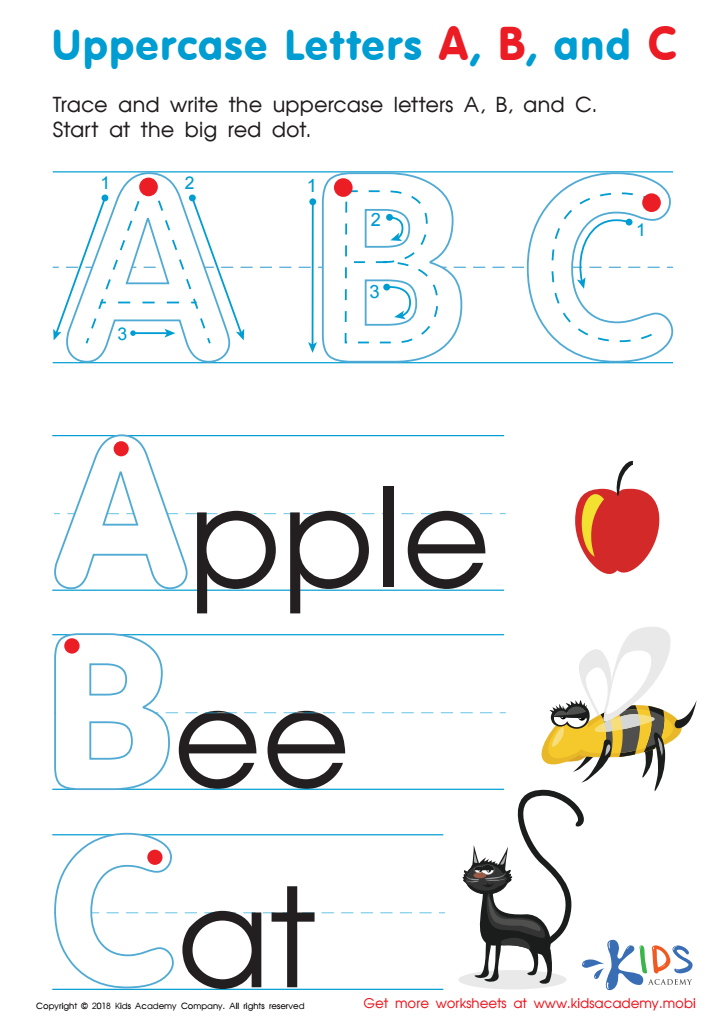
Uppercase Letters A, B, and C Worksheet
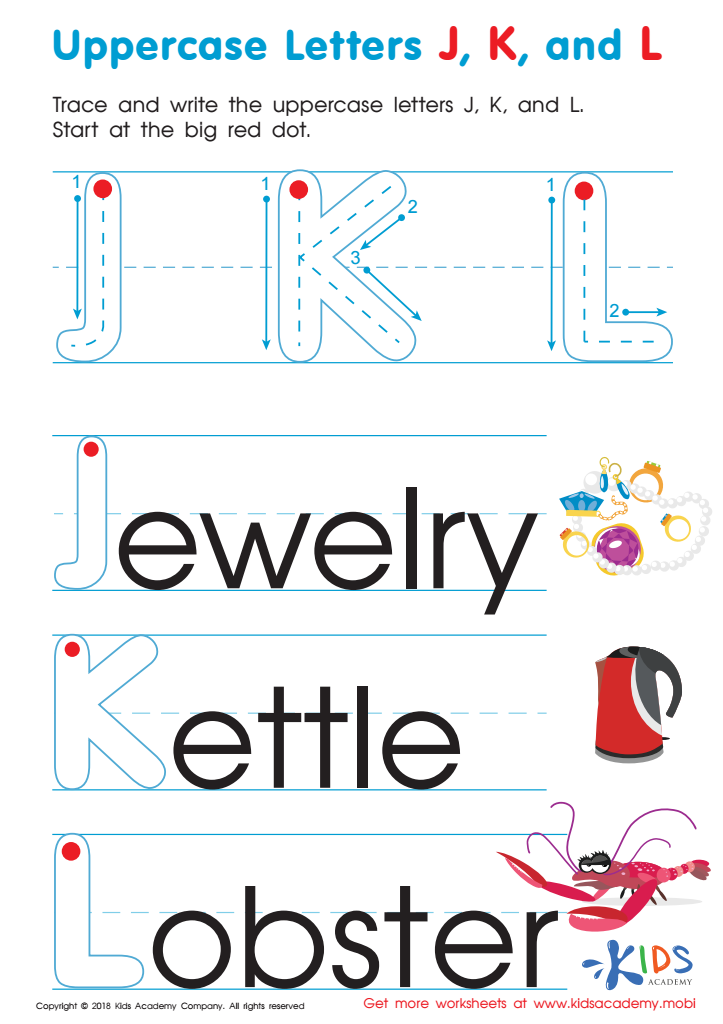
Uppercase Letters J, K, and L Worksheet
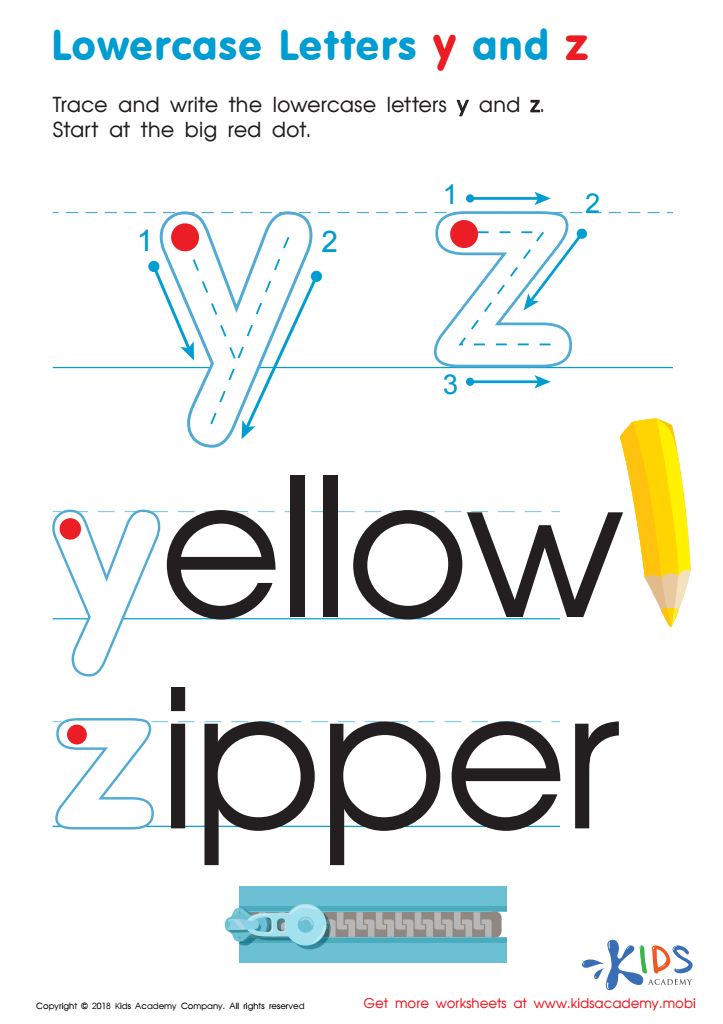
Lowercase Letters y z Worksheet
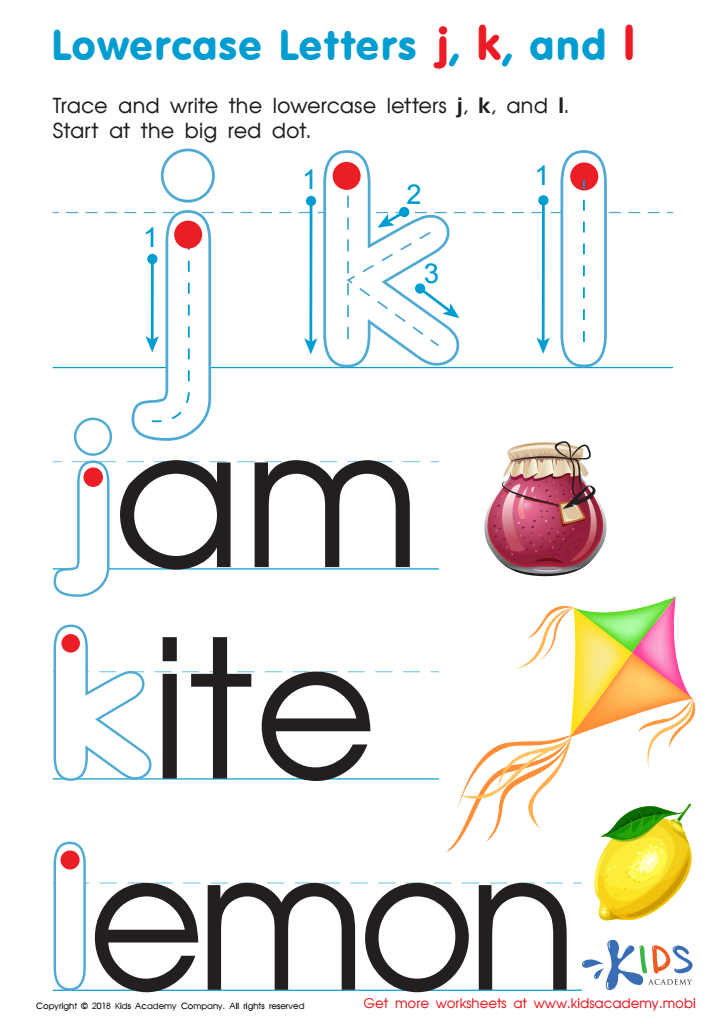
Lowercase Letters j k l Worksheet
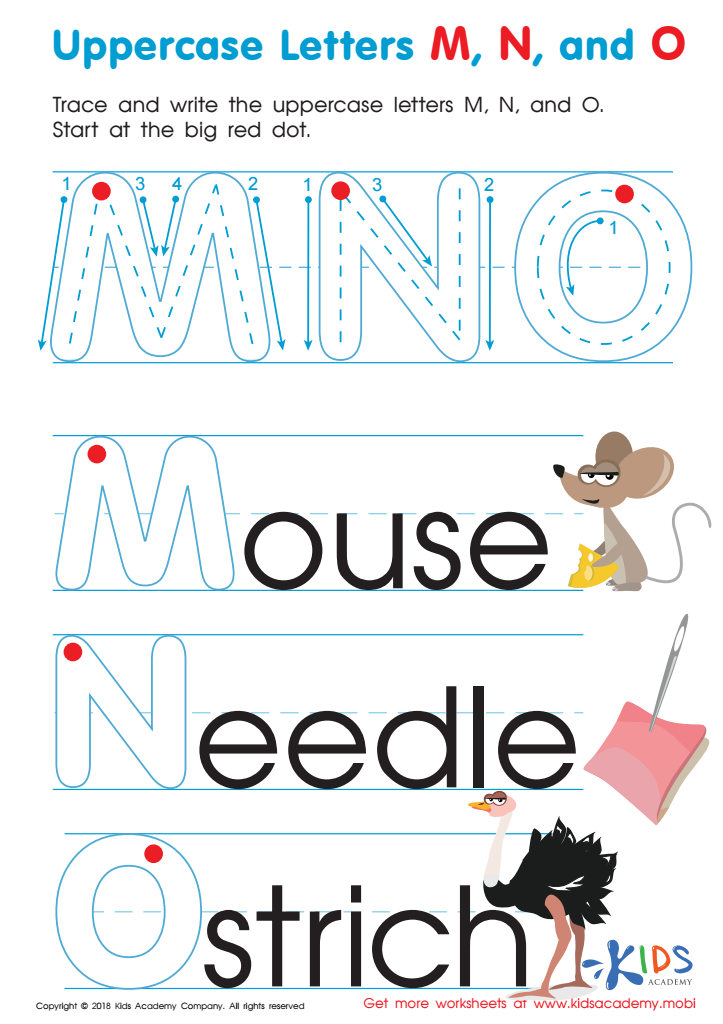
Uppercase Letters M, N, and O Worksheet
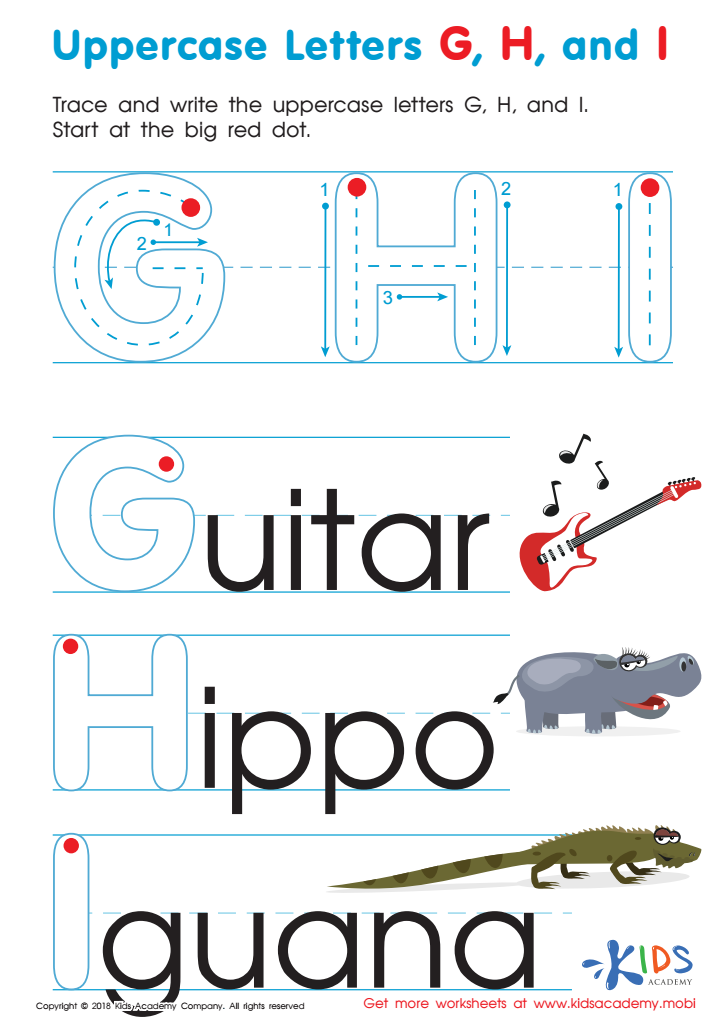
Uppercase Letters G, H, and I Worksheet
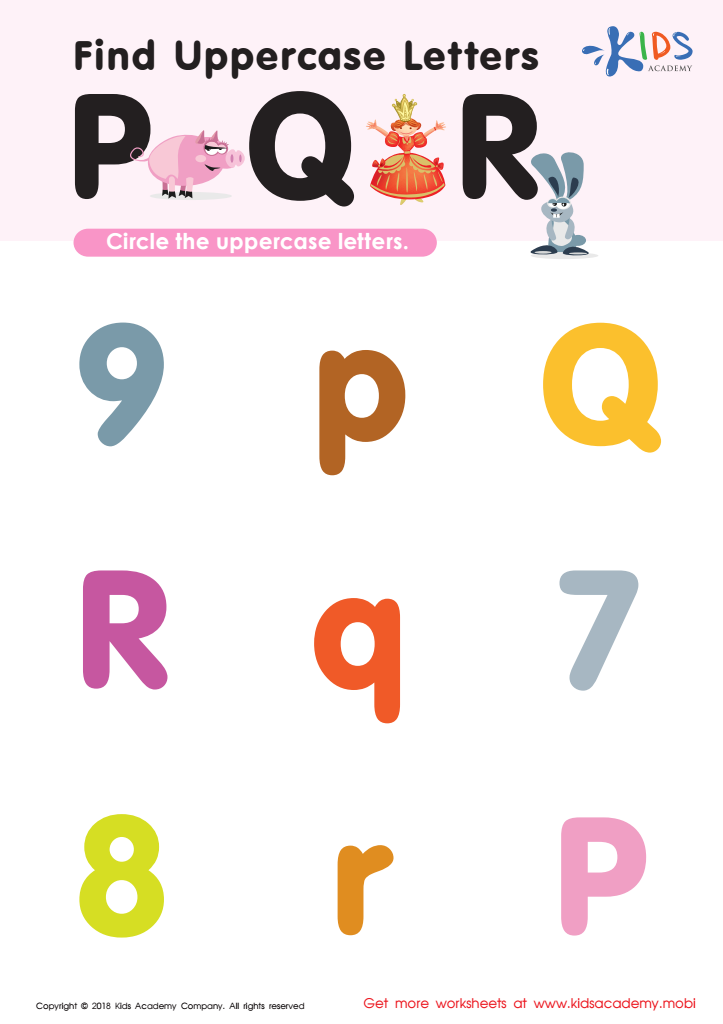
Find Uppercase Letters P, Q, and R Worksheet
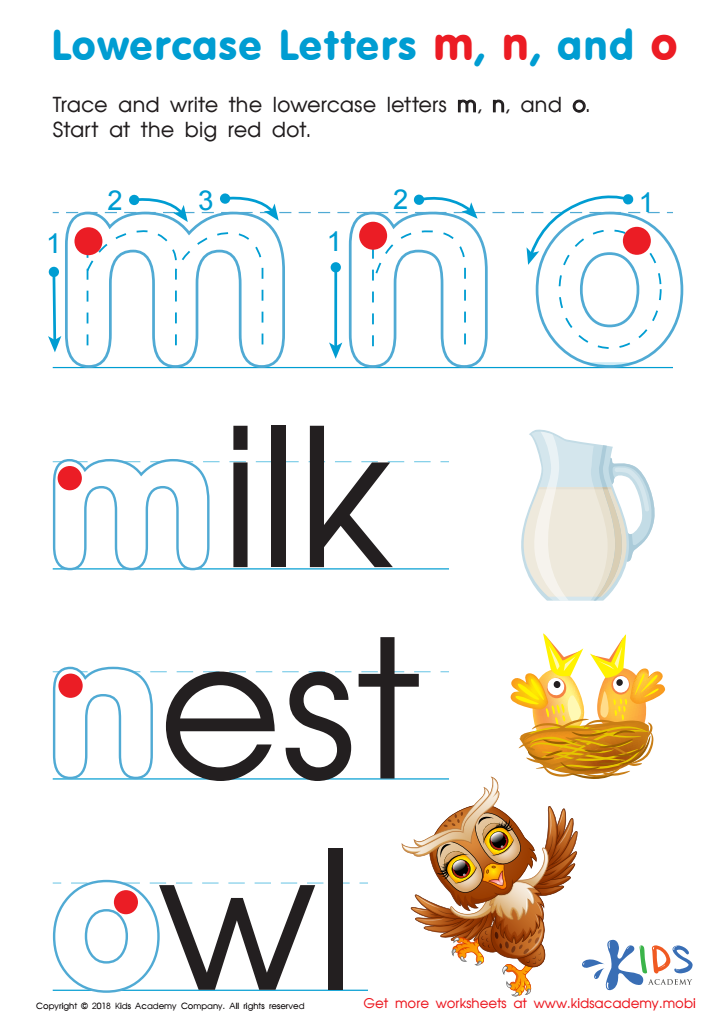
Lowercase Letters m n o Worksheet
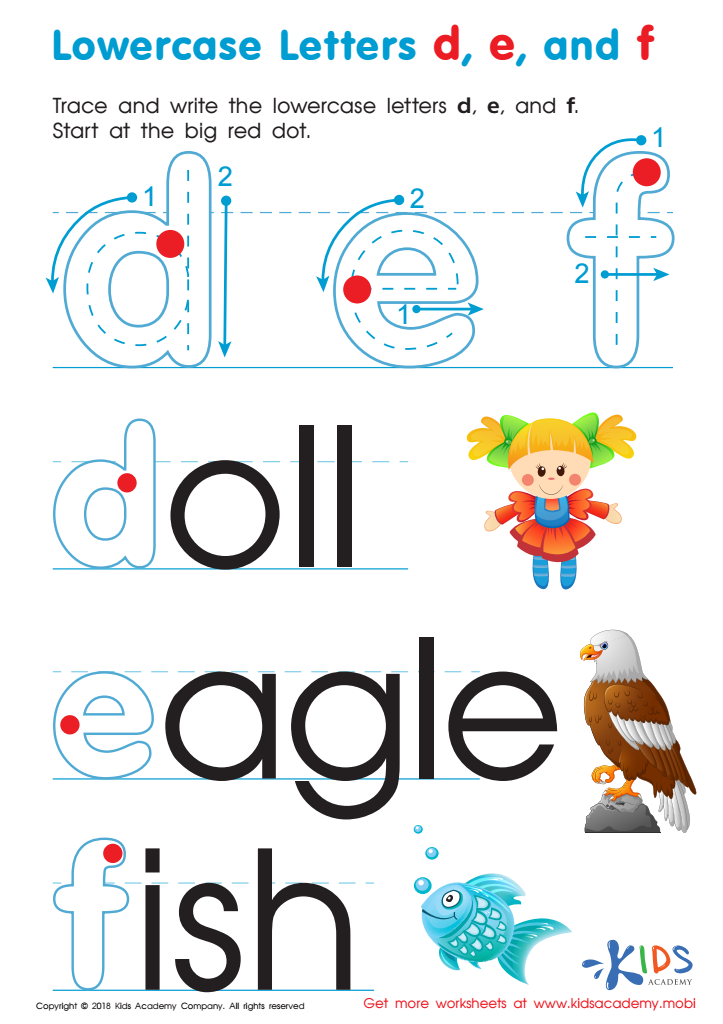
Lowercase Letters d e f Worksheet
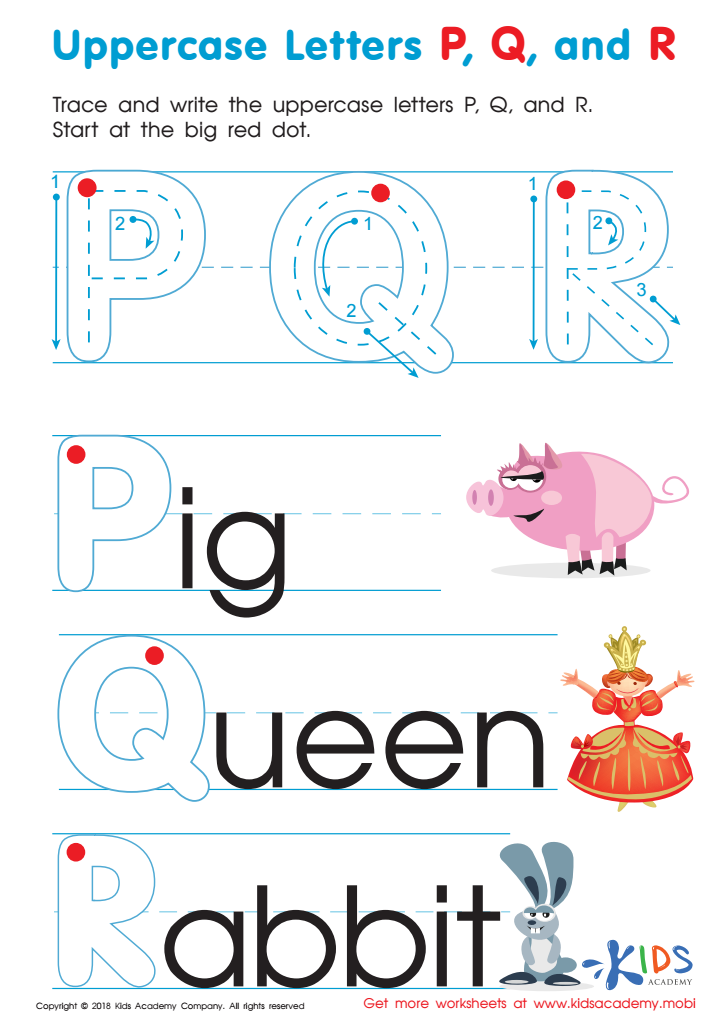
Uppercase Letters P, Q, and R Worksheet
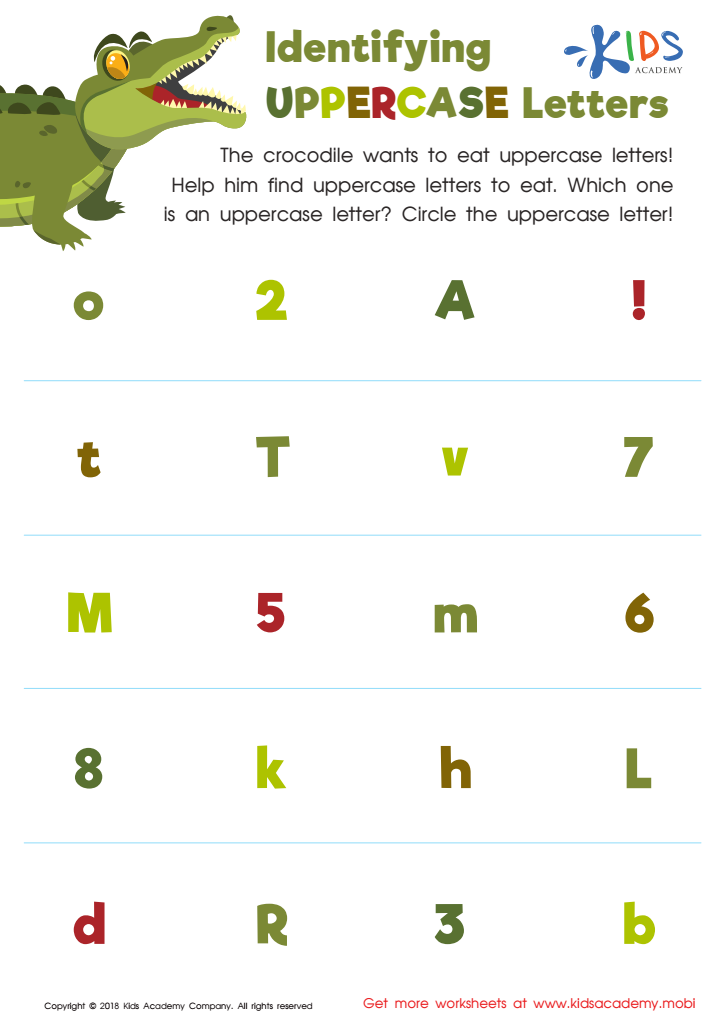
Identifying Uppercase Letters Worksheet
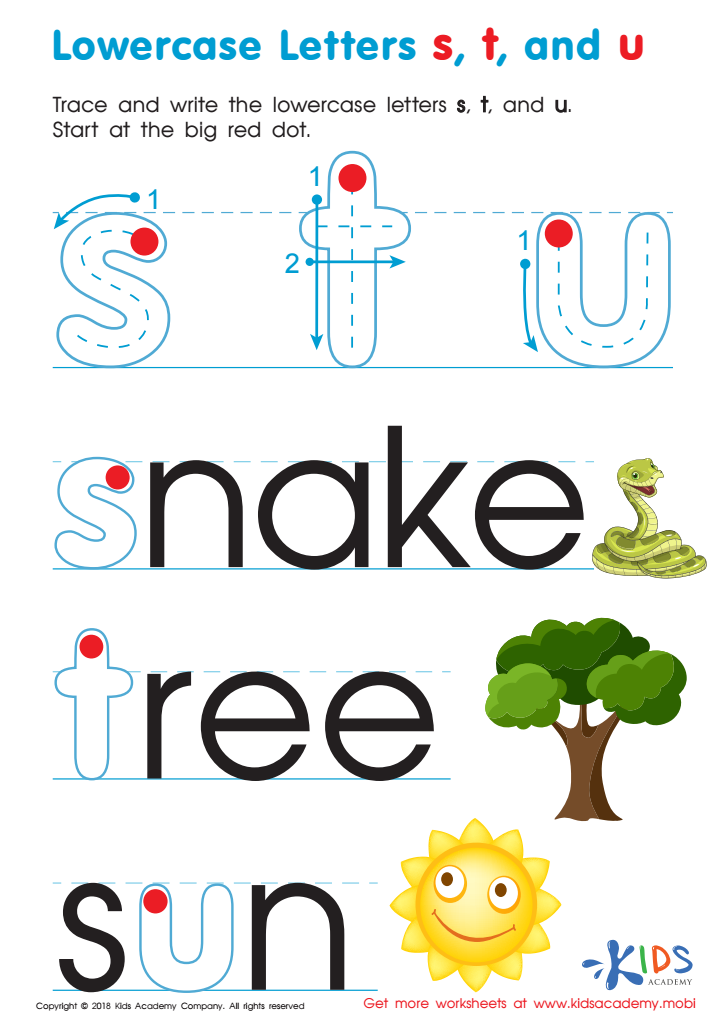
Lowercase Letters s t u Worksheet
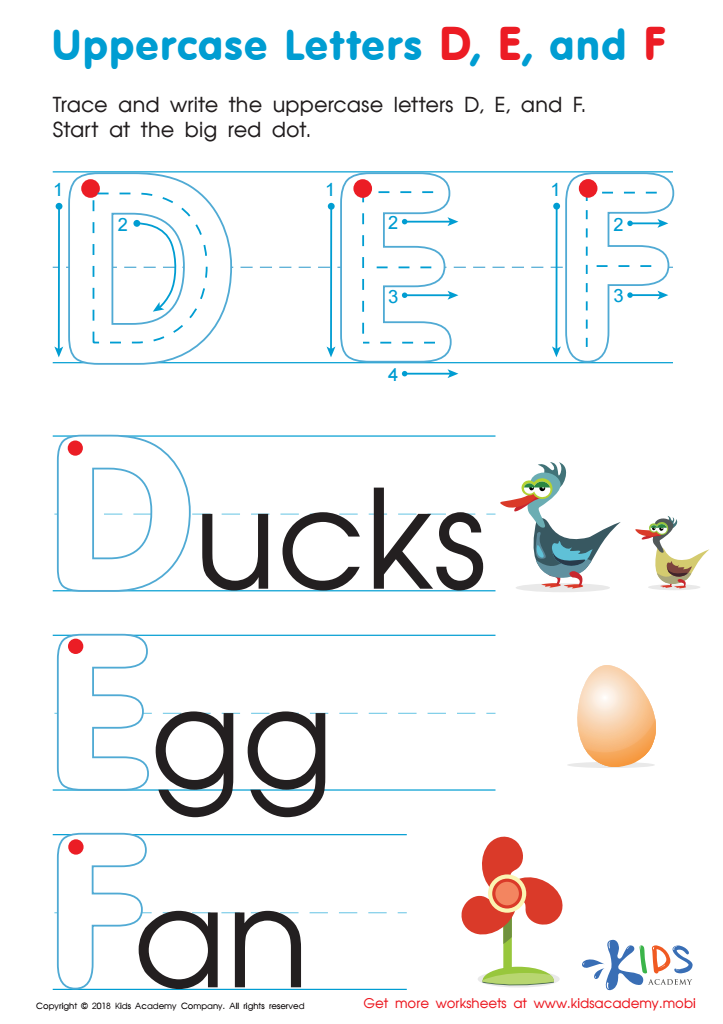
Uppercase Letters D, E, and F Worksheet
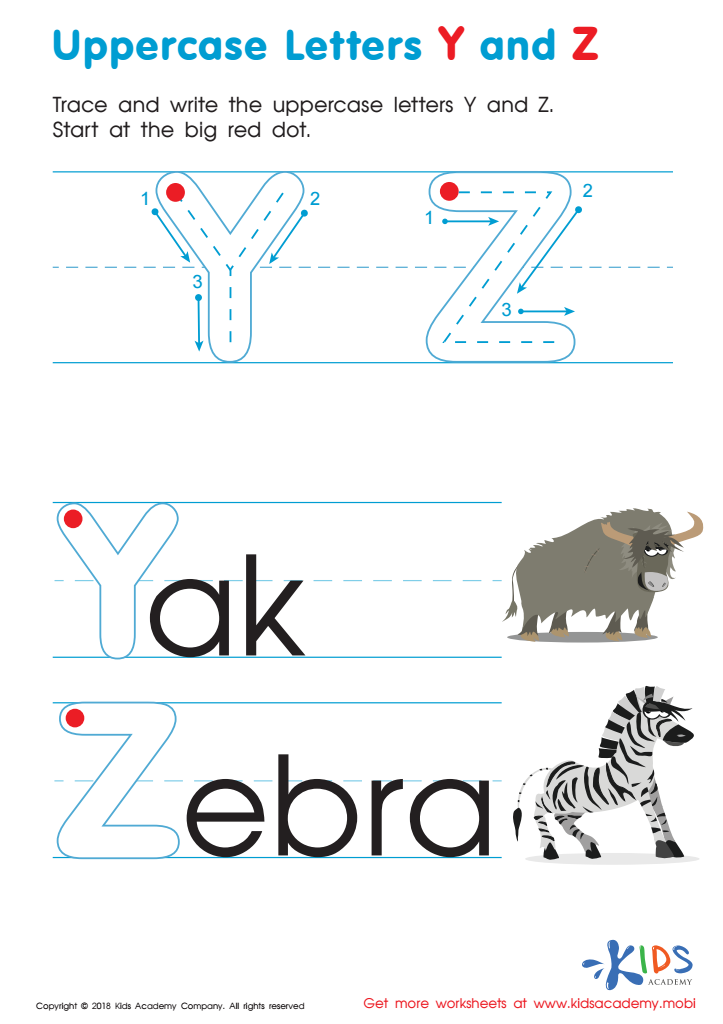
Uppercase Letters Y Z Worksheet
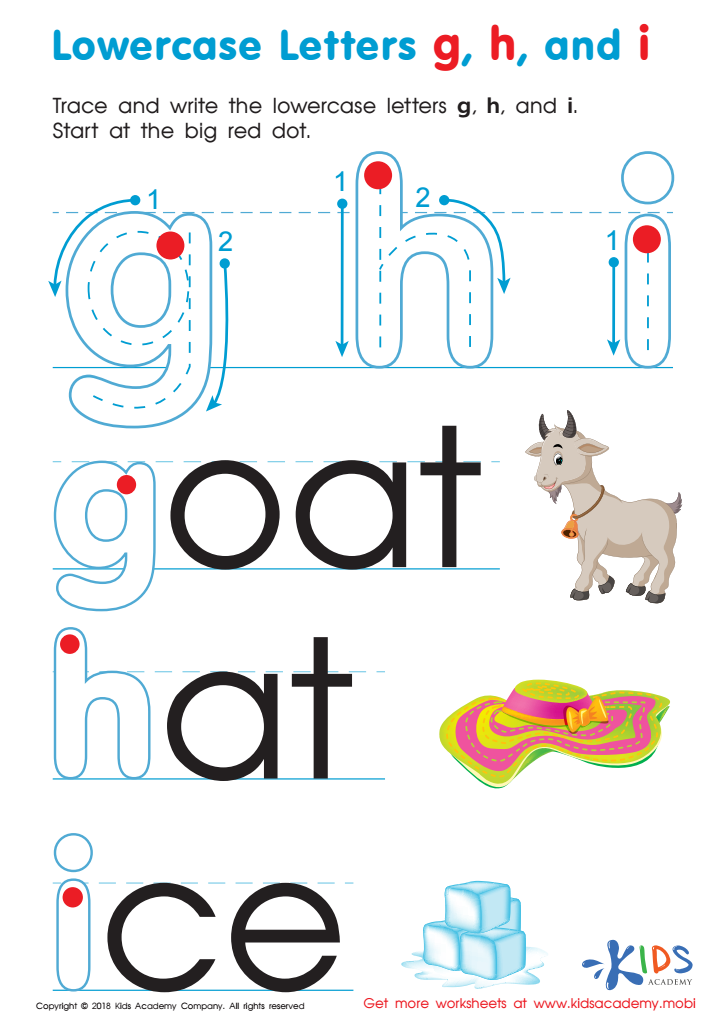
Lowercase Letters g h i Worksheet
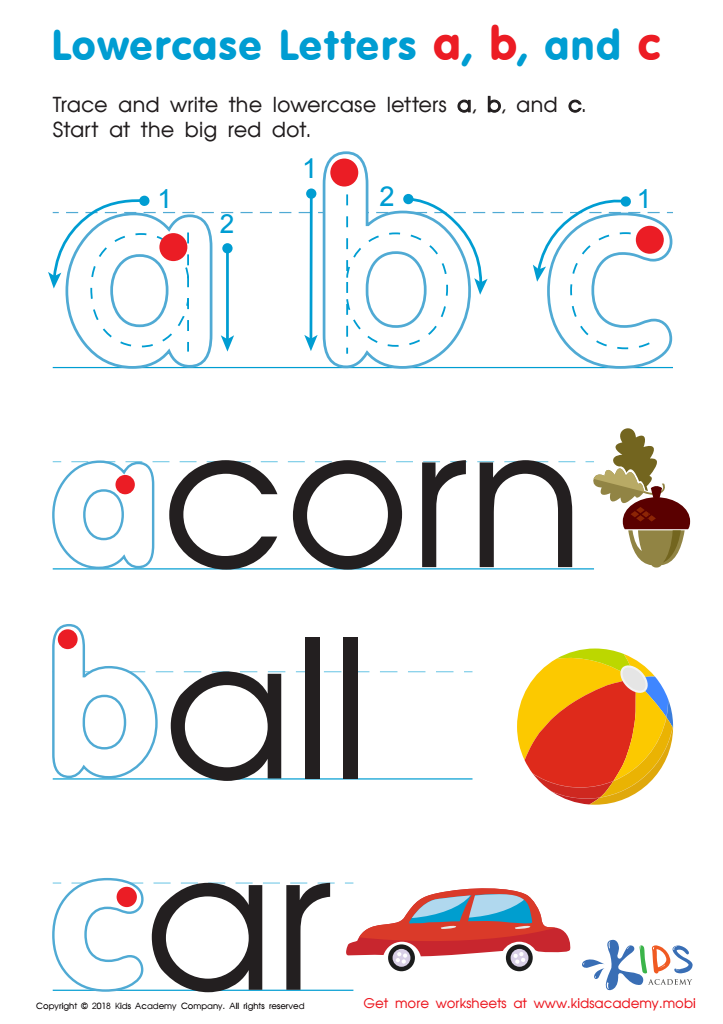
Lowercase Letters a b c Worksheet
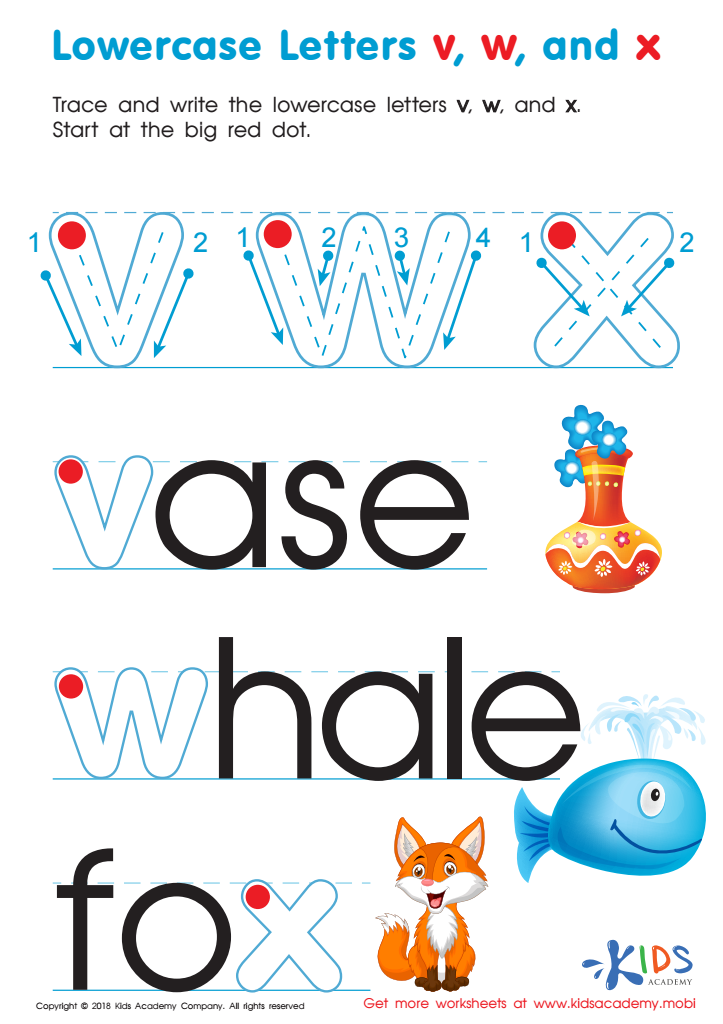
Lowercase Letters v w x Worksheet
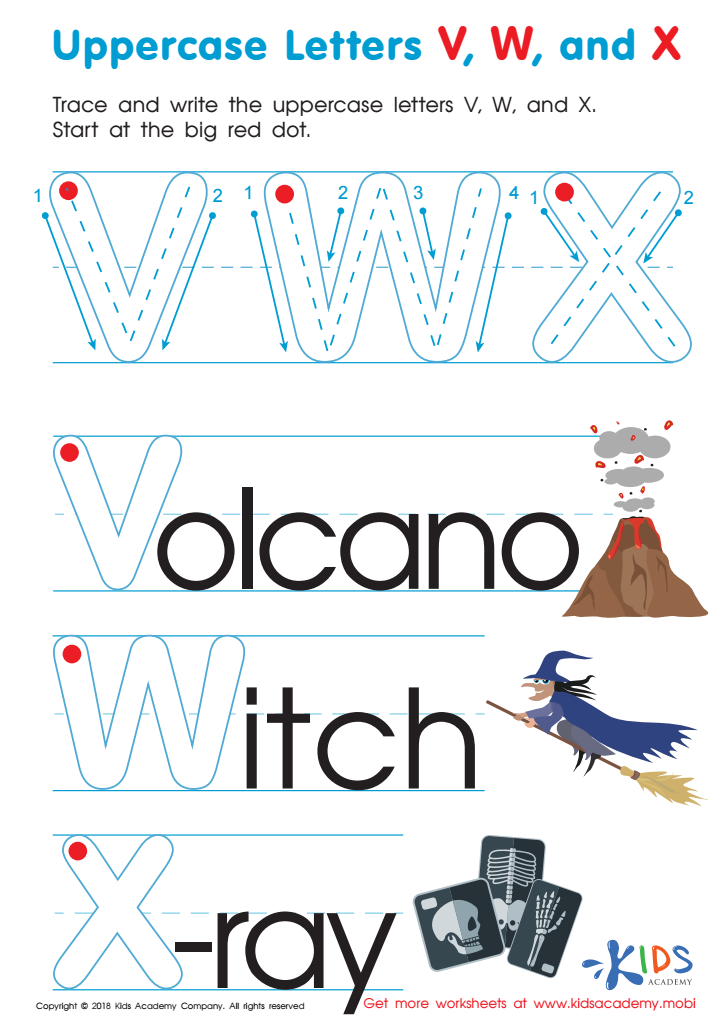
Uppercase Letters V, W, and X Worksheet






Alphabet recognition of both uppercase and lowercase letters is foundational for children aged 3-6 as it sets the stage for successful literacy development. During these formative years, recognizing these letters serves as the primary building block for reading and writing skills. When children learn to identify and differentiate between uppercase and lowercase letters effectively, they become more fluent readers, making sense of books, signs, and other written materials encountered daily.
Consistent exposure to both forms of the alphabet helps improve cognitive development, as it supports memory retention, pattern recognition, and enhances language acquisition. Understanding alphabet recognition also aids in proper phonological awareness—the ability to understand and manipulate the sounds that letters make—thereby laying the groundwork for future spelling and vocabulary skills.
Moreover, children who receive strong literacy foundations are generally more prepared for school, displaying better overall academic performance and self-esteem in an educational setting. Being versed in alphabet recognition encourages a joy for learning, fostering curiosity and enthusiasm. For these reasons, parents and teachers must emphasize the importance of nurturing alphabet recognition skills, ensuring engaging and interactive methods—such as games, songs, and hands-on activities—to make the learning experience enjoyable and effective for young learners. This attention to early literacy fundamentals leaves children better equipped to face academic challenges confidently.







