Handwriting practice Normal Upper & Lowercase Letters Worksheets for Ages 3-6
16 filtered results
-
From - To
Our Handwriting Practice Worksheets for Normal Upper & Lowercase Letters are designed for children ages 3-6 to master the basics of writing. These fun and engaging printables help young learners develop their fine motor skills while becoming familiar with the alphabet. Each worksheet features clear guides and vibrant illustrations to keep children engaged and motivated. With regular practice, your child will confidently write both uppercase and lowercase letters. Perfect for parents and educators, these worksheets lay a strong foundation for literacy and early learning. Unlock your child's potential and make handwriting practice an enjoyable experience!
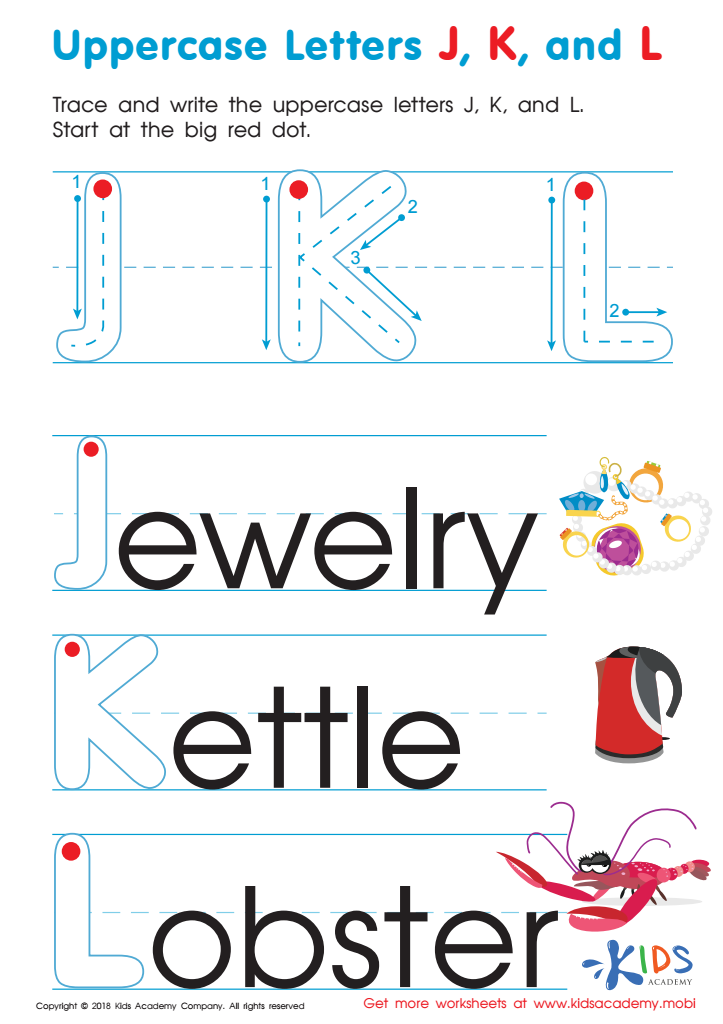
Uppercase Letters J, K, and L Worksheet
 Assign to My Students
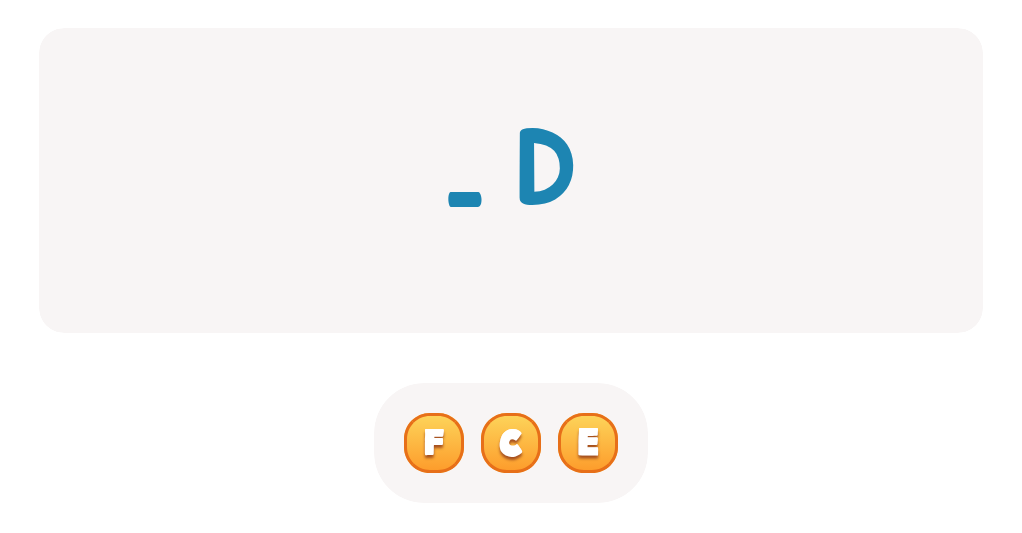

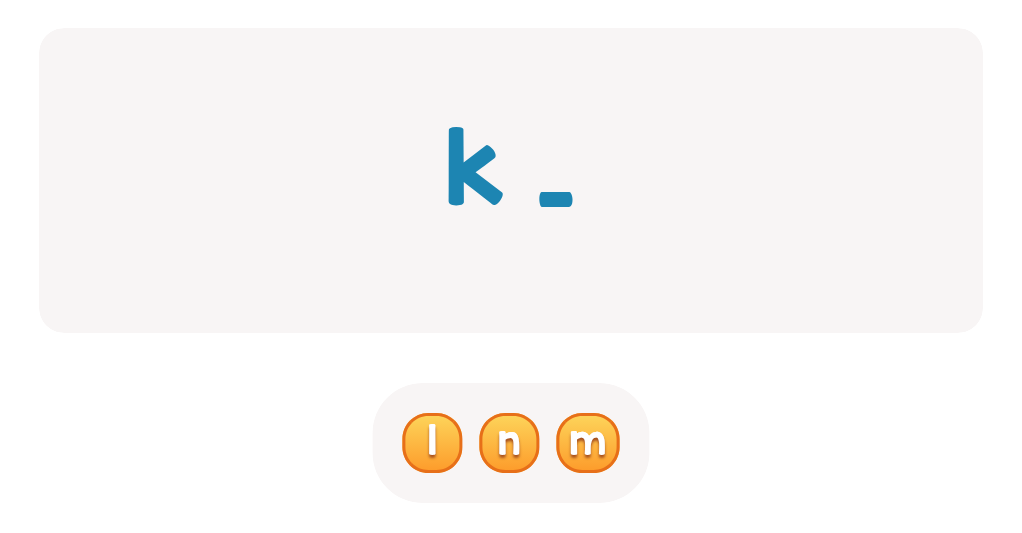
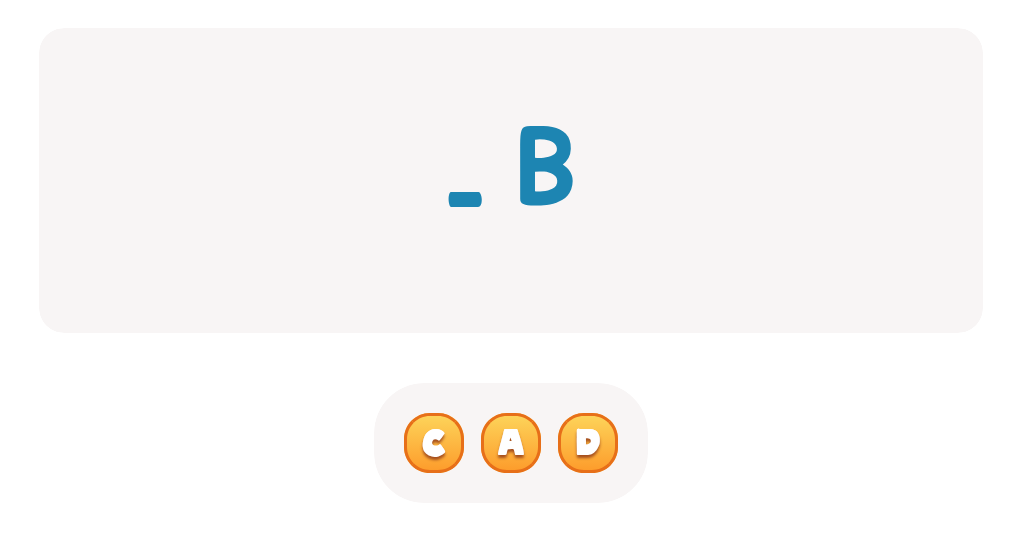

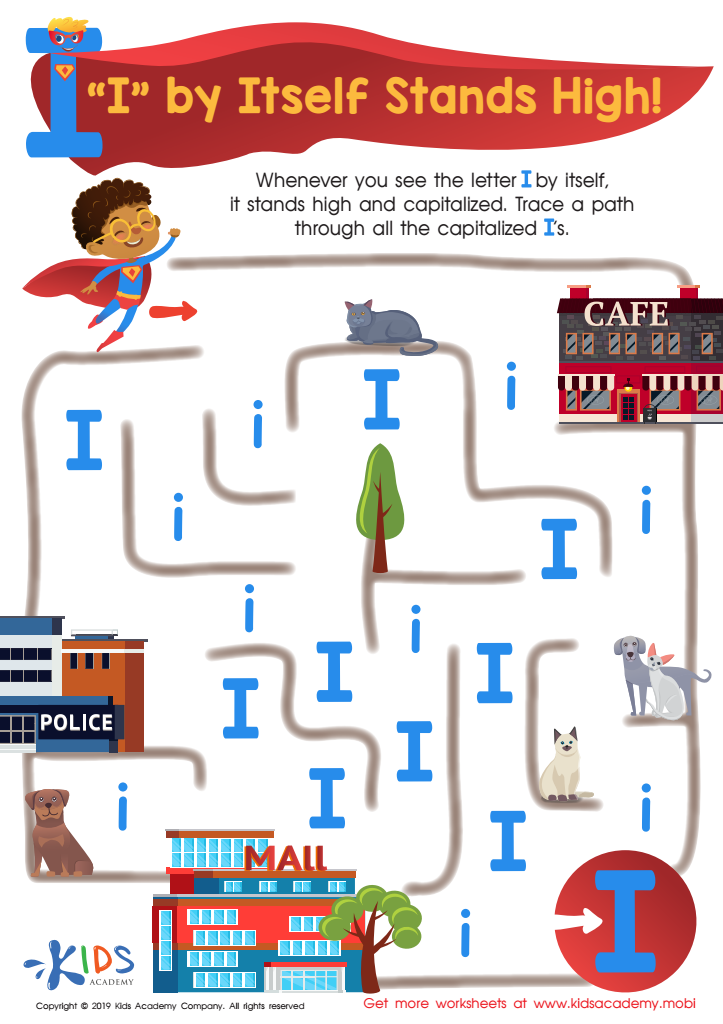
I Stands High Worksheet
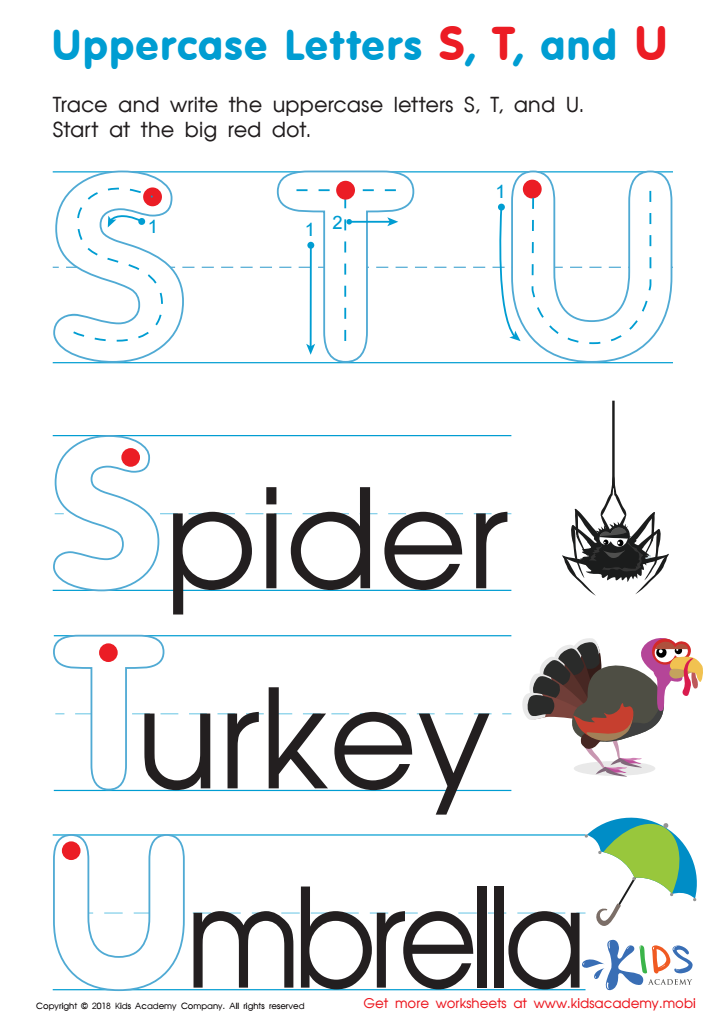
Uppercase Letters S, T, and U Worksheet
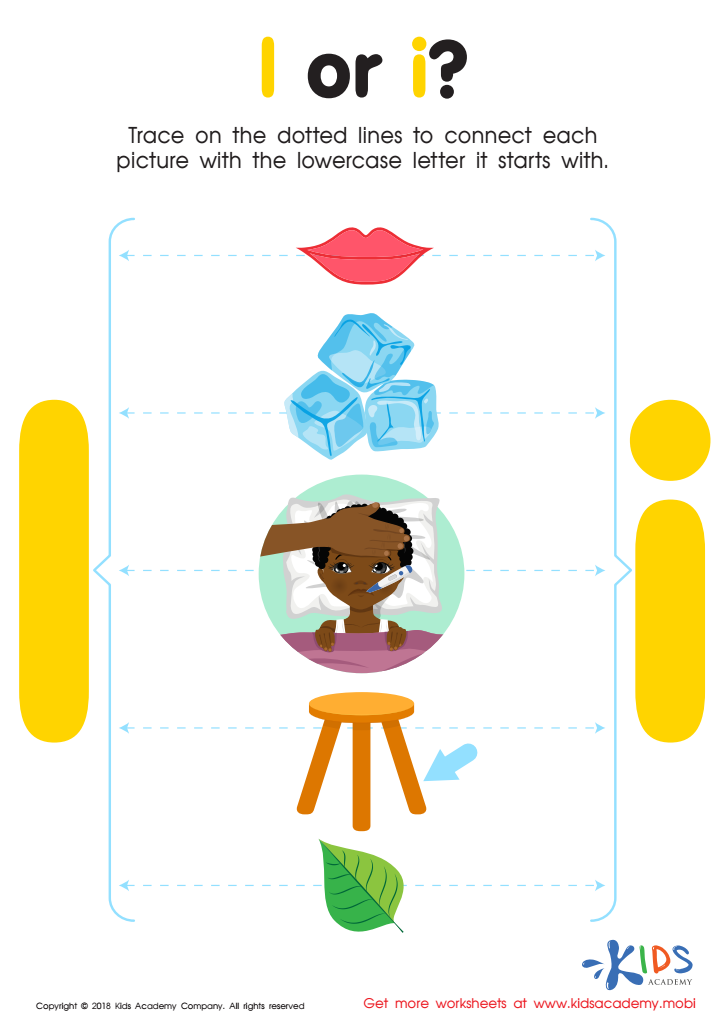
l or i? Worksheet
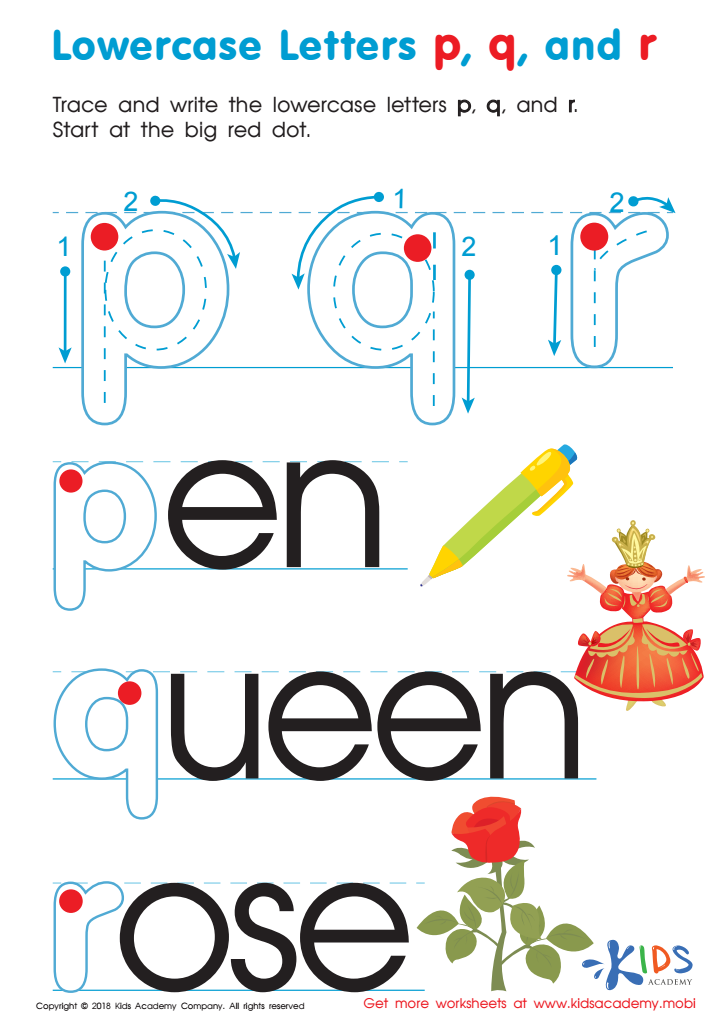
Lowercase Letters p q r Worksheet
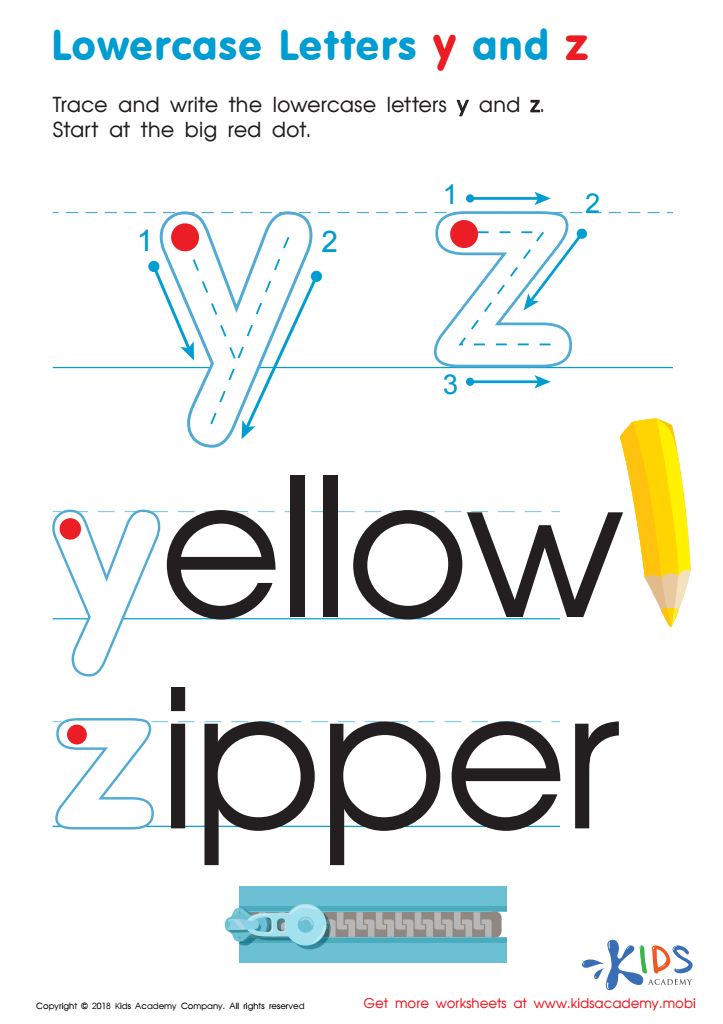
Lowercase Letters y z Worksheet
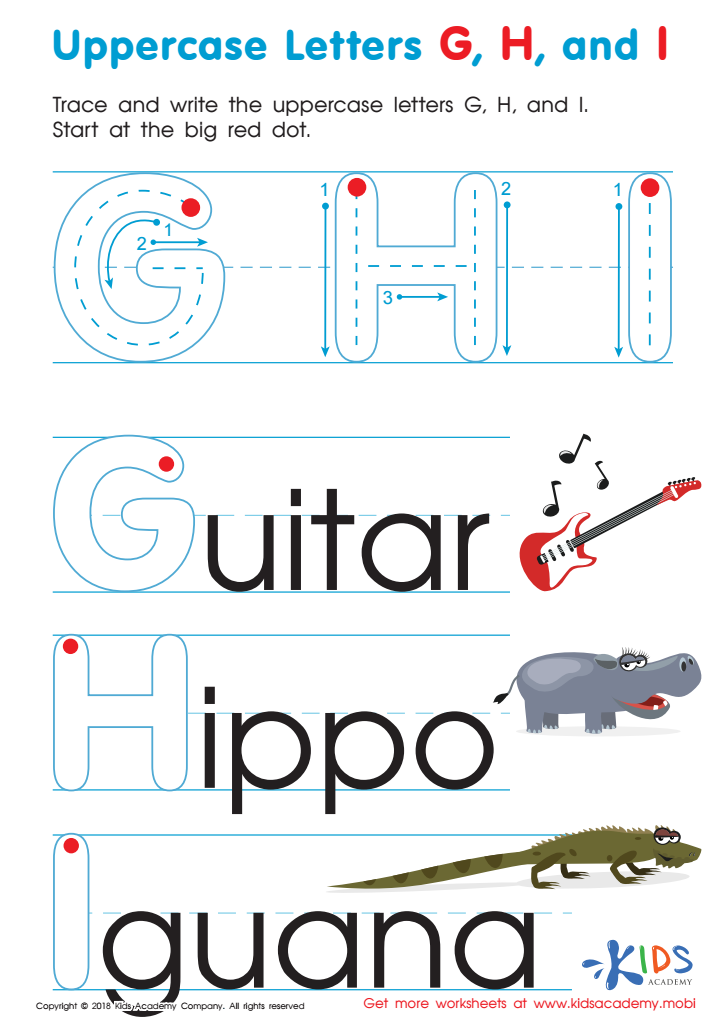
Uppercase Letters G, H, and I Worksheet
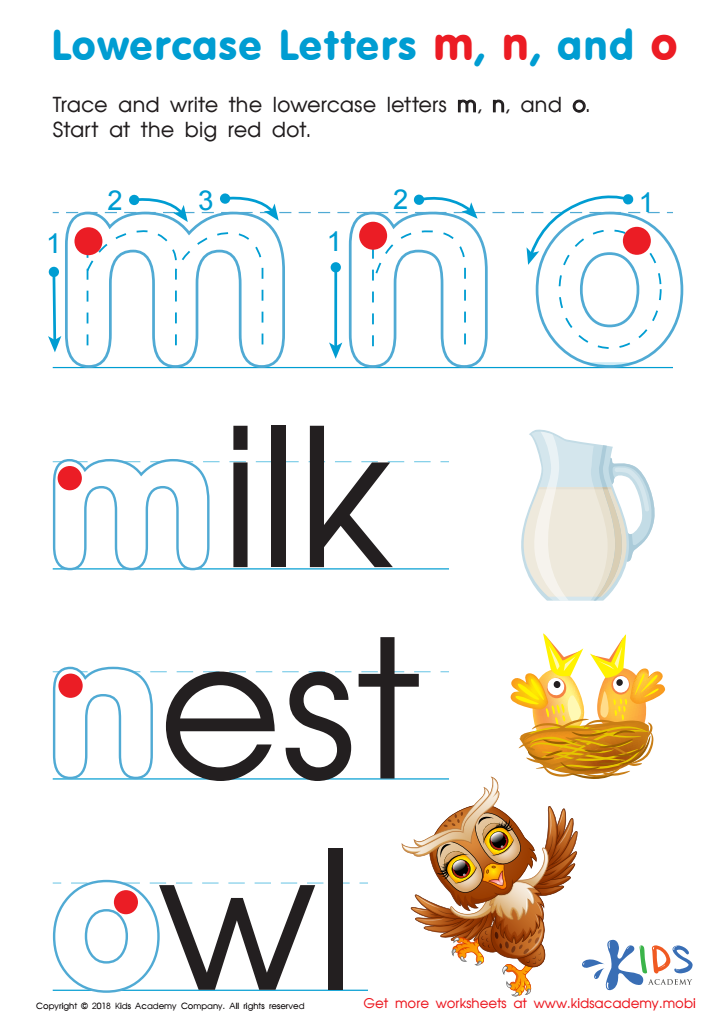
Lowercase Letters m n o Worksheet
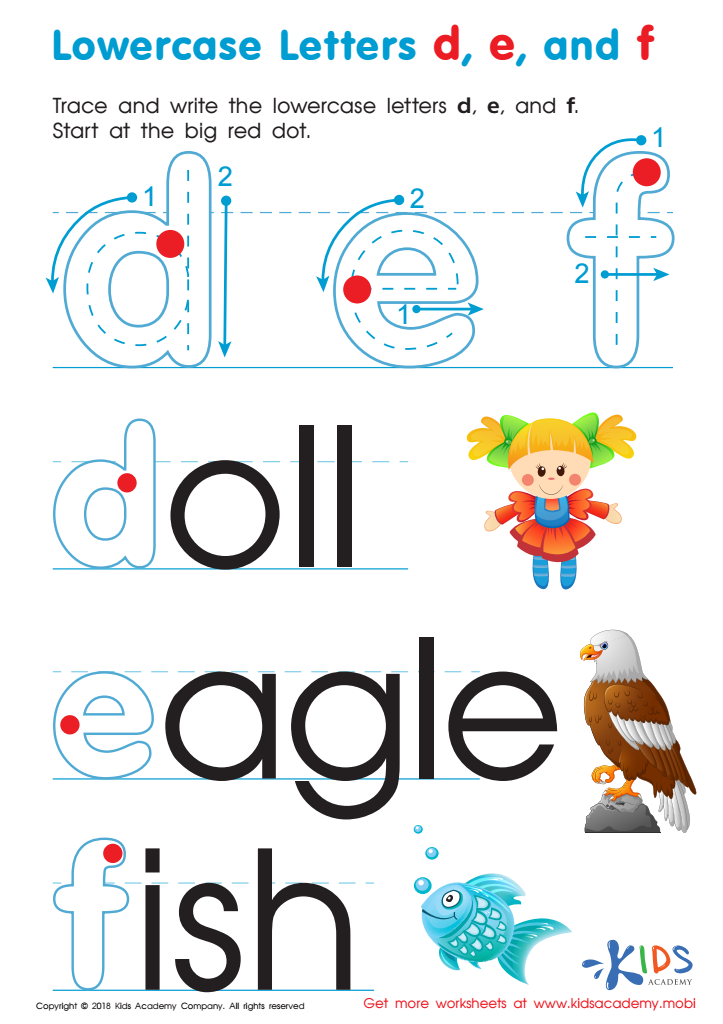
Lowercase Letters d e f Worksheet
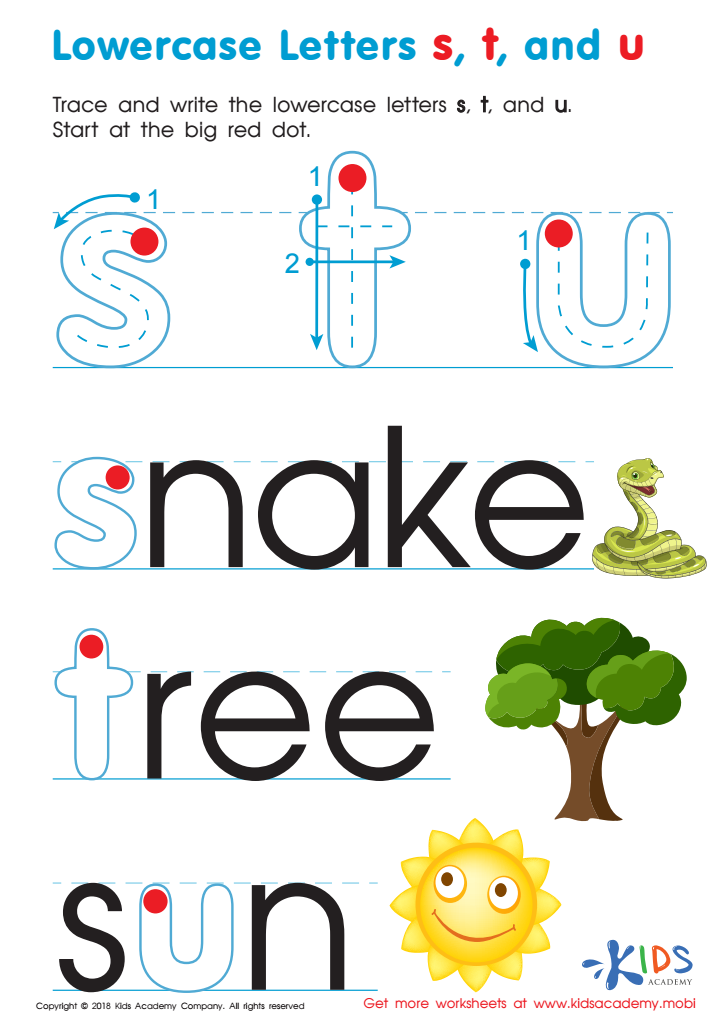
Lowercase Letters s t u Worksheet
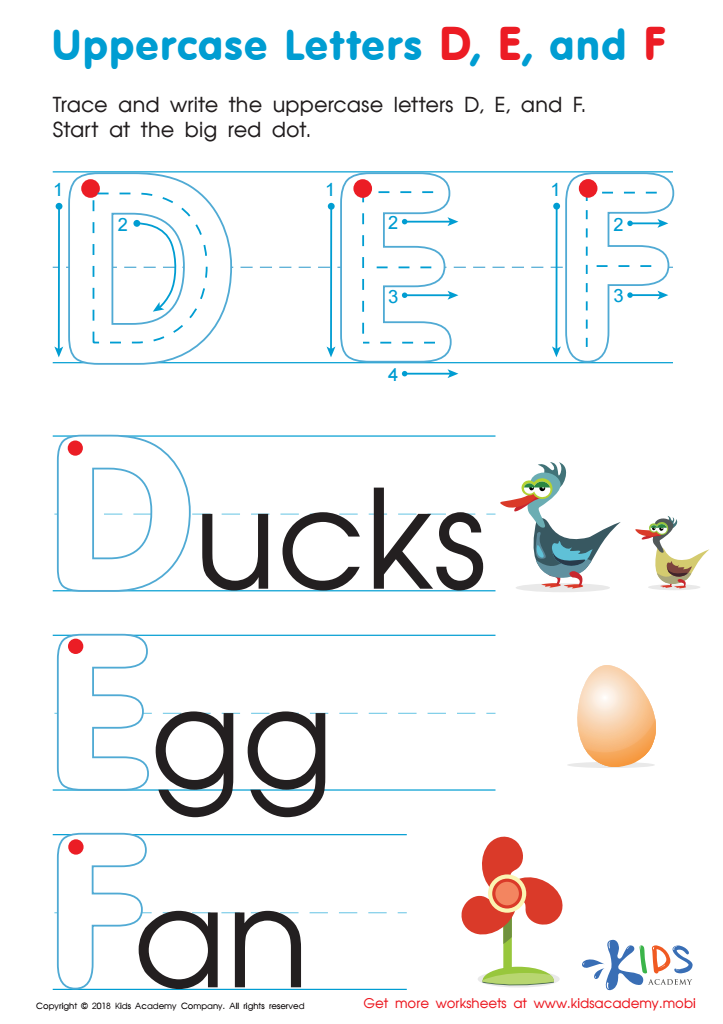
Uppercase Letters D, E, and F Worksheet
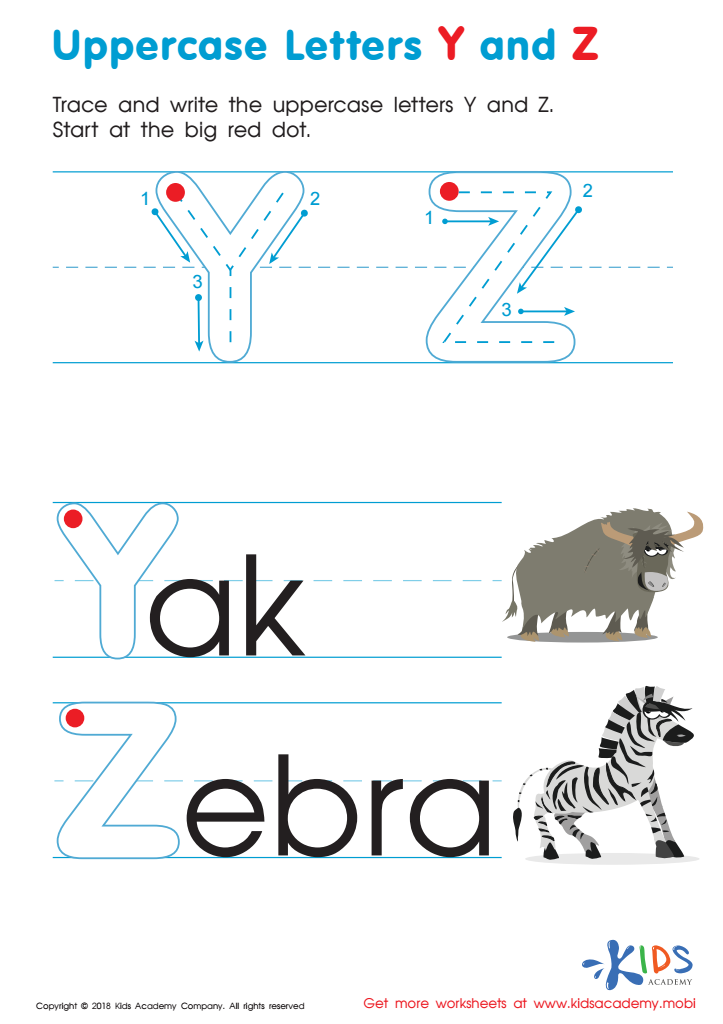
Uppercase Letters Y Z Worksheet
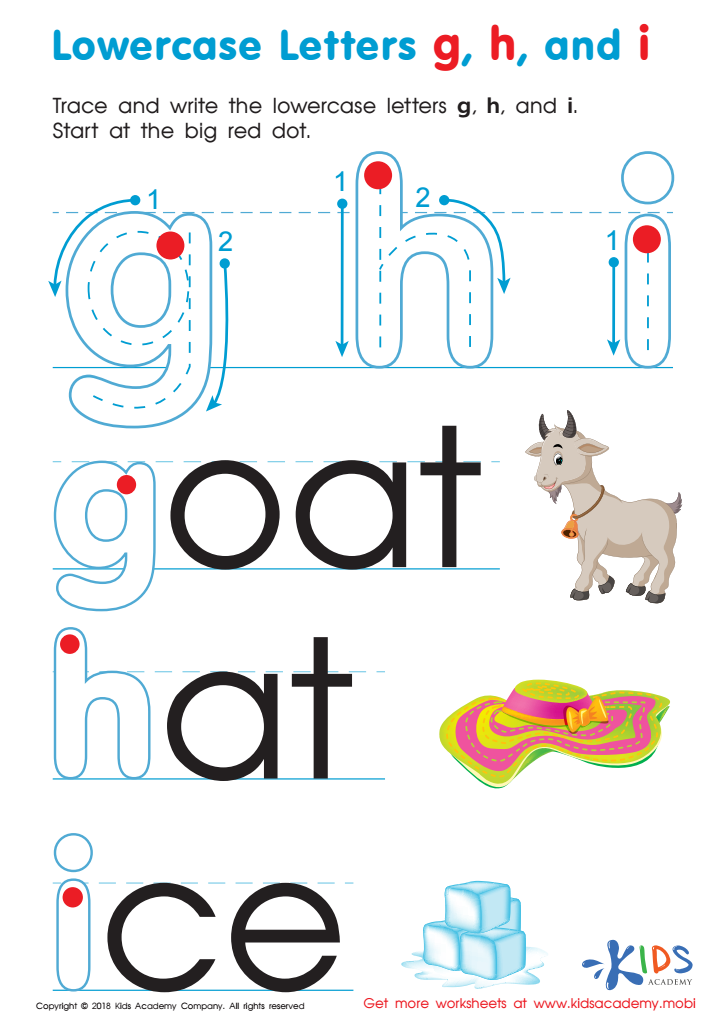
Lowercase Letters g h i Worksheet
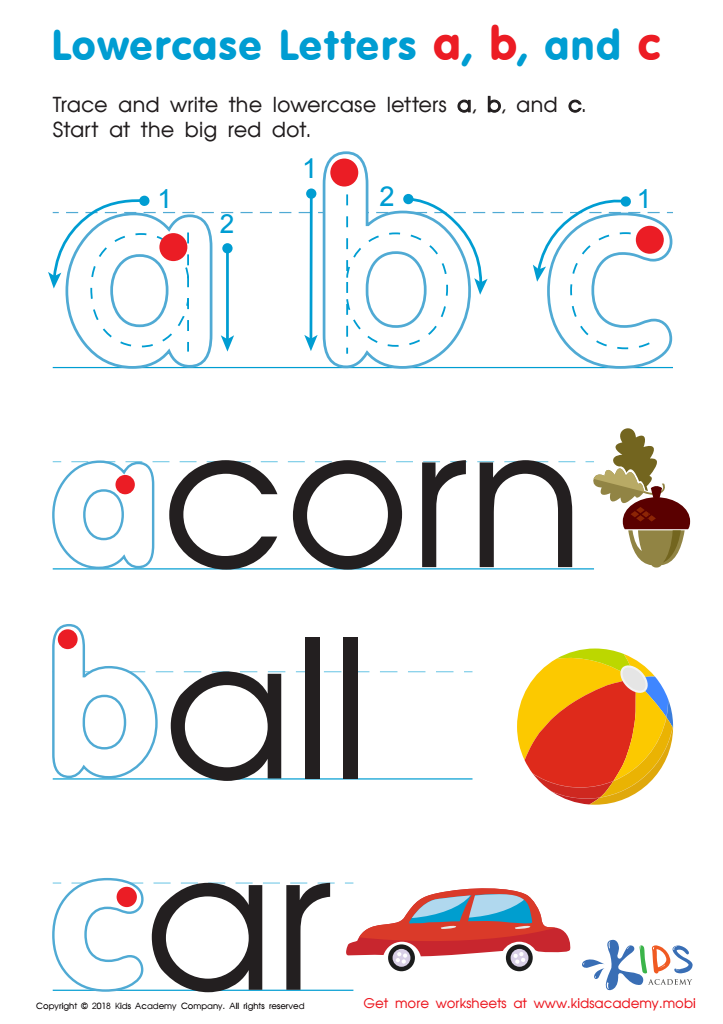
Lowercase Letters a b c Worksheet
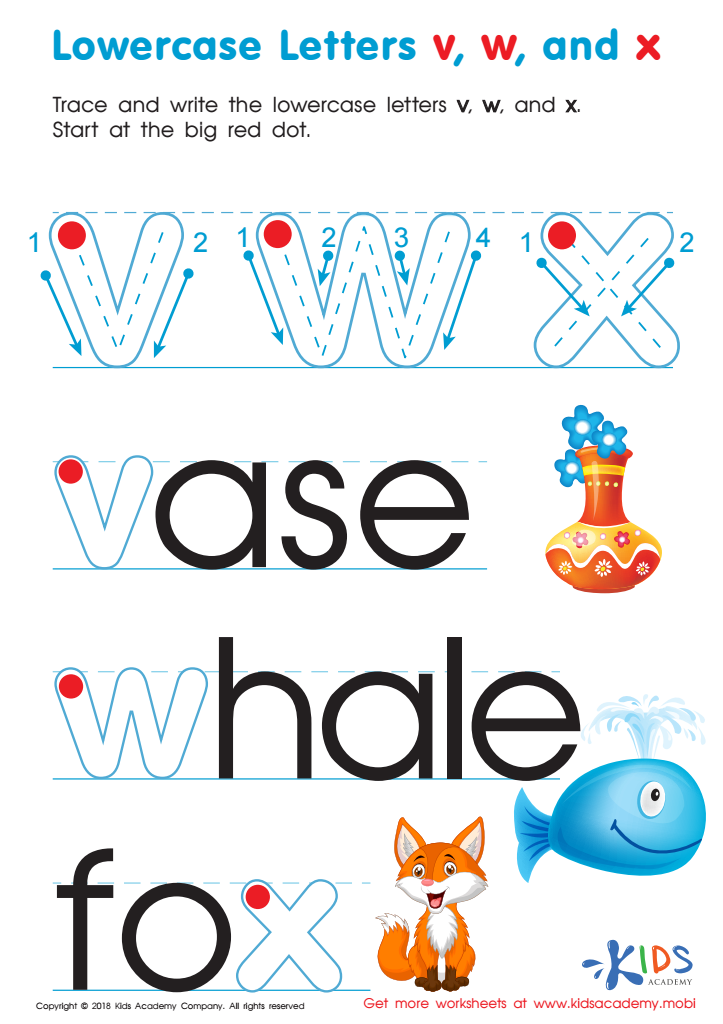
Lowercase Letters v w x Worksheet
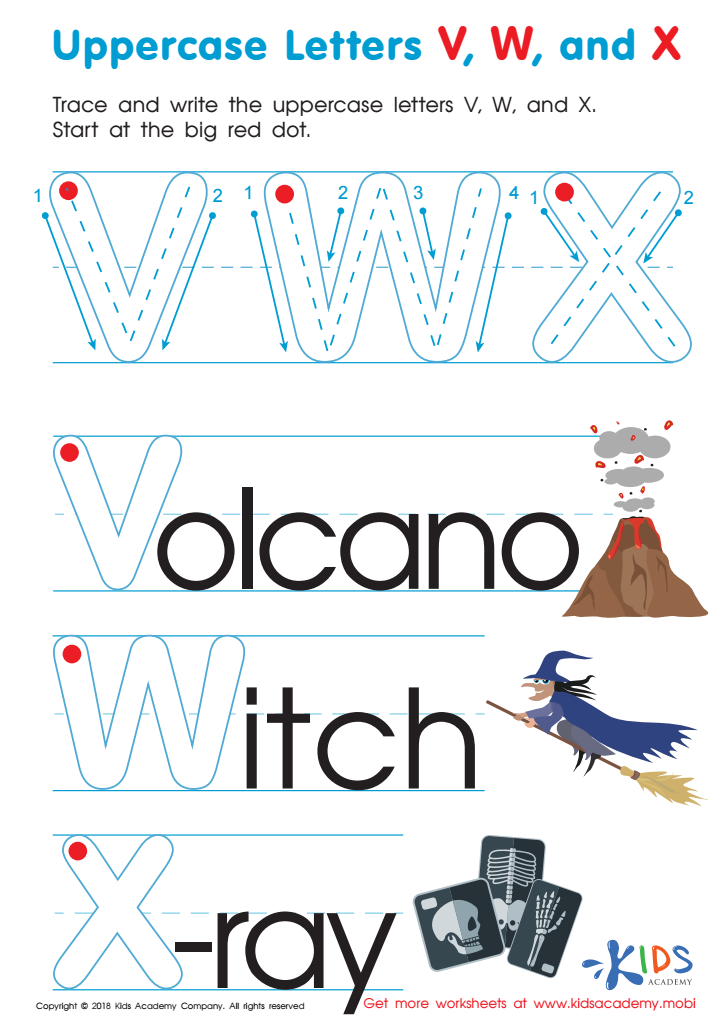
Uppercase Letters V, W, and X Worksheet






Handwriting practice, particularly focusing on normal uppercase and lowercase letters, is crucial for children aged 3-6. This developmental stage is foundational for building essential skills that facilitate academic success and personal growth.
Firstly, handwriting aids cognitive development. When children practice letter formation, they are not just learning to write but are also enhancing their memory, attention, and understanding of language structures. This foundational skill reinforces reading abilities as recognizing and writing letters helps children better understand the relationship between sounds and symbols.
Motor skills significantly benefit from handwriting practice as well. Fine motor skills are refined through holding a pencil and forming letters, which also improves hand-eye coordination. These skills are essential for tasks beyond writing, such as tying shoes or using utensils.
Moreover, handwriting practice boosts confidence and independence. As children attain the skill to write their names and other basic words, they experience a sense of accomplishment. This confidence is crucial in fostering a positive attitude toward learning and tackling new challenges.
Finally, good handwriting is still a practical skill for many areas of life. Despite the digital age, being able to write legibly is important for note-taking, filling forms, and jotting personal reminders.
In summary, handwriting practice for young children nurtures their cognitive, motor, and emotional development, setting a solid foundation for future learning and daily activities.







