Comparative analysis Normal Worksheets for Ages 3-6
3 filtered results
-
From - To
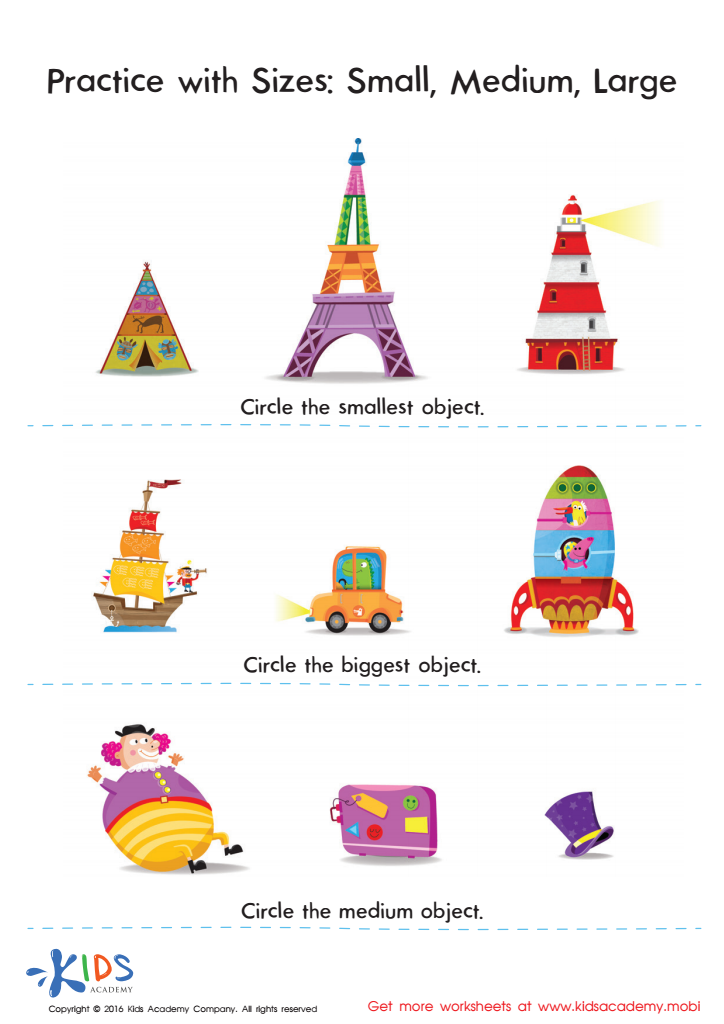
Discover our "Comparative Analysis Normal Worksheets for Ages 3-6," designed to enhance essential learning skills through engaging activities. These worksheets encourage young learners to explore comparisons and contrasts in a fun, educational manner. Filled with colorful illustrations and age-appropriate tasks, they promote critical thinking and observational skills. Ideal for preschool and kindergarten settings, our worksheets help children develop language skills while learning about size, shape, and quantity. By using these interactive resources, educators and parents can support cognitive development and foster a love for learning in early childhood. Dive into our treasure trove of worksheets and watch your little ones thrive!
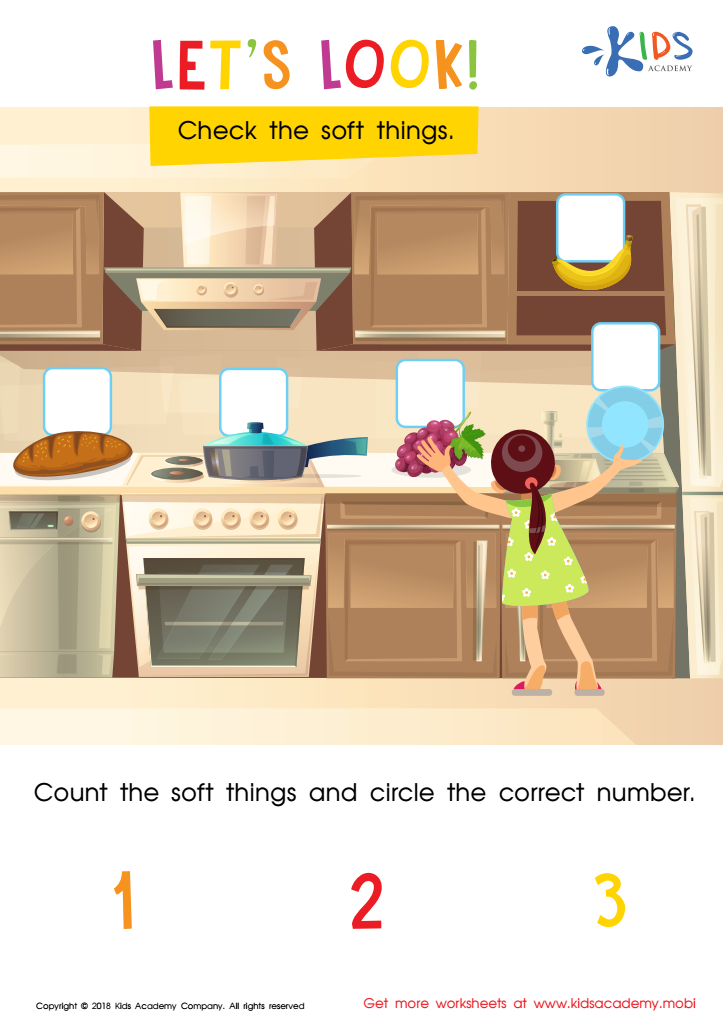
Let's Look! Assessment Worksheet
 Assign to My Students
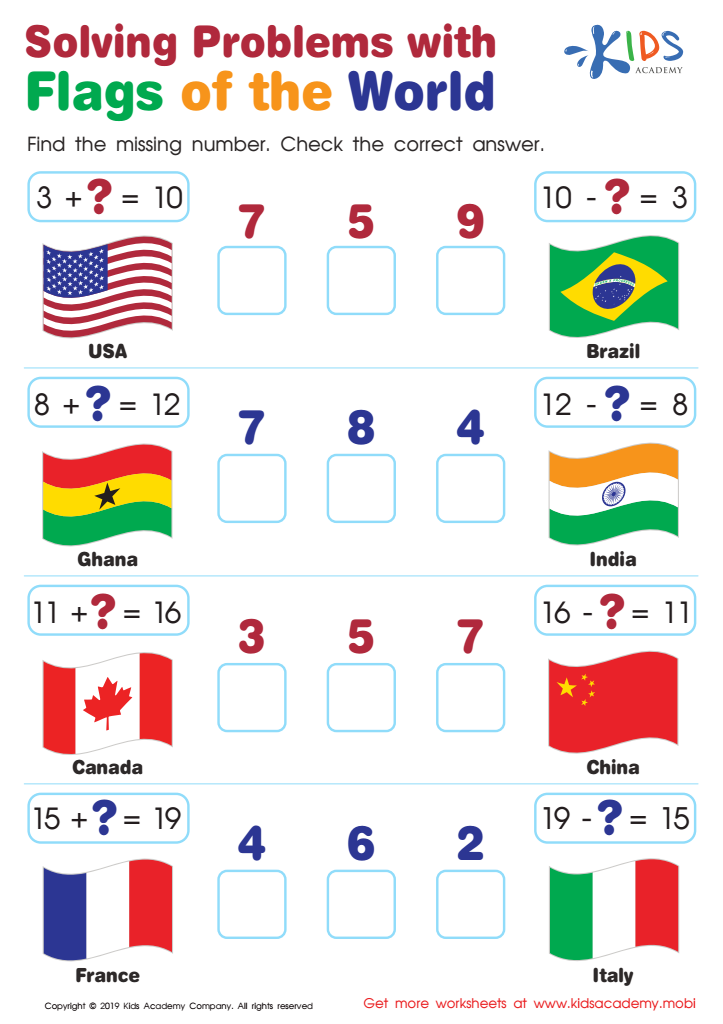
Solving Problems with Flags of the World Worksheet







Comparative analysis normal for ages 3-6 is crucial for both parents and teachers as it guides professional practices that are tailored to the developmental needs of young children. This type of analysis involves evaluating a child's growth, learning patterns, and behaviors against established developmental milestones for their age group. By understanding typical developmental benchmarks, educators and caregivers can identify whether a child is progressing as expected or may need additional support.
For parents, engaging with this comparative analysis fosters informed decision-making regarding their child's education and development. It helps them to recognize and celebrate milestones as well as understand when to seek help if their child is not meeting expected standards.
For teachers, utilizing comparative analysis enhances their ability to develop effective, individualized teaching strategies that cater to diverse learning needs within the classroom. It promotes an inclusive environment where each child can thrive. Furthermore, it aids in monitoring progress and adjusting curricula in real-time to ensure that all kids have the opportunity to succeed.
In short, understanding developmental norms serves to enhance collaboration between parents and teachers, ultimately leading to a holistic approach to early childhood education that nurtures and supports every child's unique pathway to learning.








