
Comparison Skills Normal Worksheets for Ages 3-6
4 filtered results
Difficulty Level
Grade
Age
-
From - To
Subject
Activity
Standards
Introduce your child to the exciting world of comparison with our specially designed worksheets for ages 3-6! Our Comparison Skills Normal Worksheets help young learners cultivate crucial analytical skills by visually comparing shapes, sizes, quantities, and more. Engaging and colorful, these worksheets are tailored to promote critical thinking and cognitive development in a fun and interactive way. Perfect for preschoolers and early kindergartners, they stimulate curiosity and foster a love for learning. With a variety of activities that grow with your child, our worksheets make comparing and contrasting an enjoyable and rewarding experience. Start today and watch them thrive!
Favorites
With answer key
Interactive
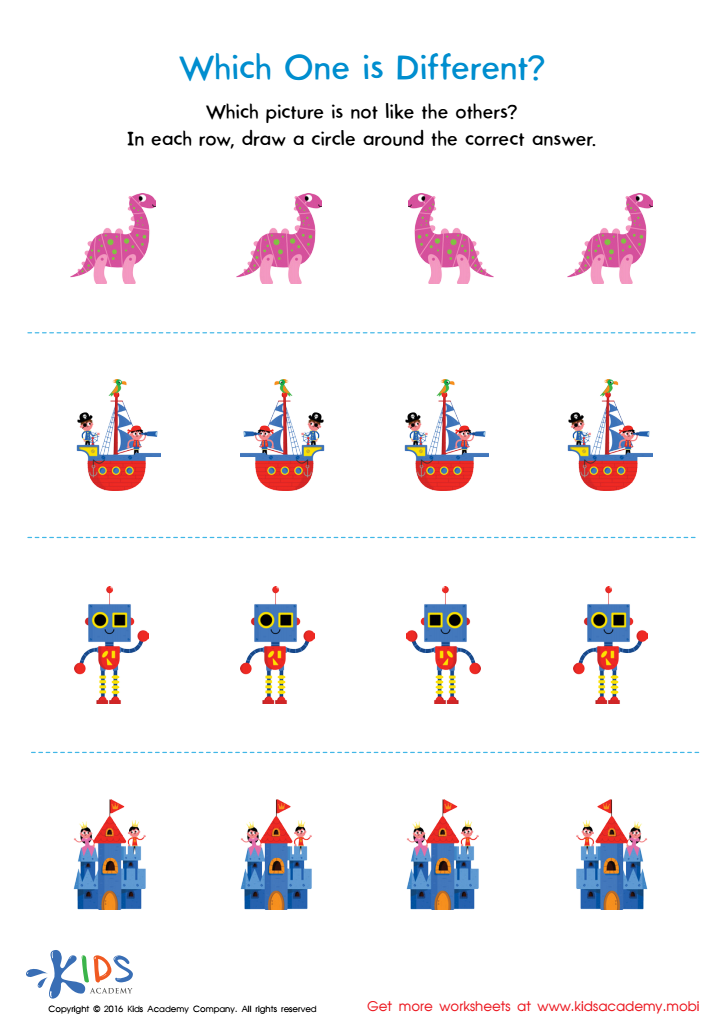
Which One Is Different Worksheet
Preschoolers can hone logical reasoning and critical analysis skills with this "Which one is Different?" worksheet. Kids must look closely and pick out unique attributes of objects and images. It's a skill that can serve them throughout their lifetime.
 Assign to My Students
Which One Is Different Worksheet
Worksheet
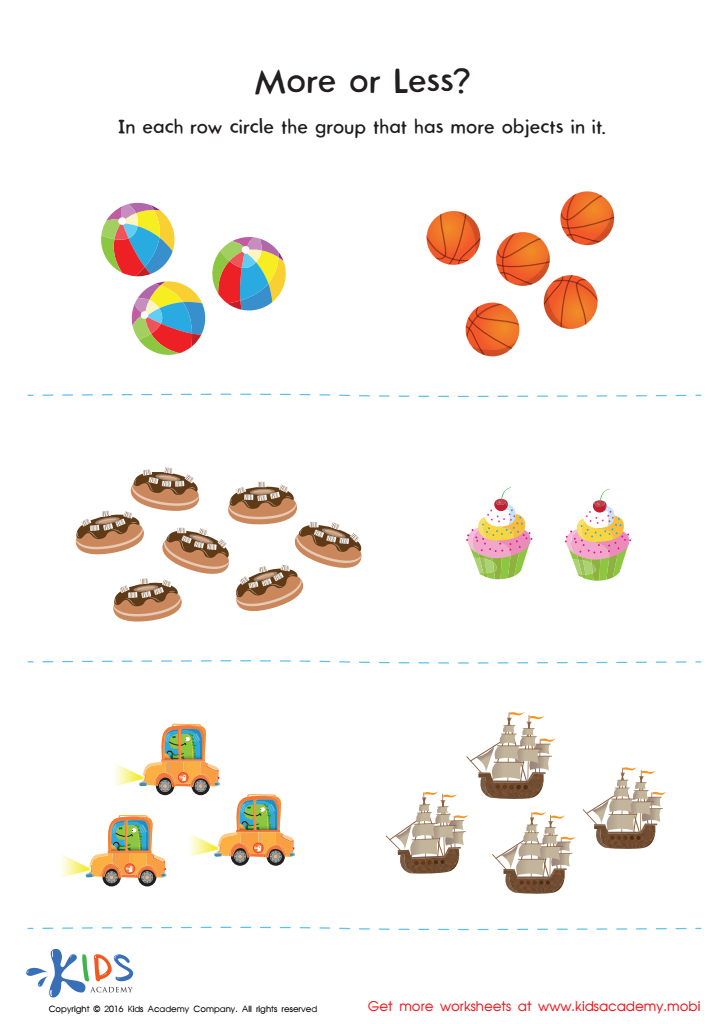
More or Less Size Worksheet
Worksheet
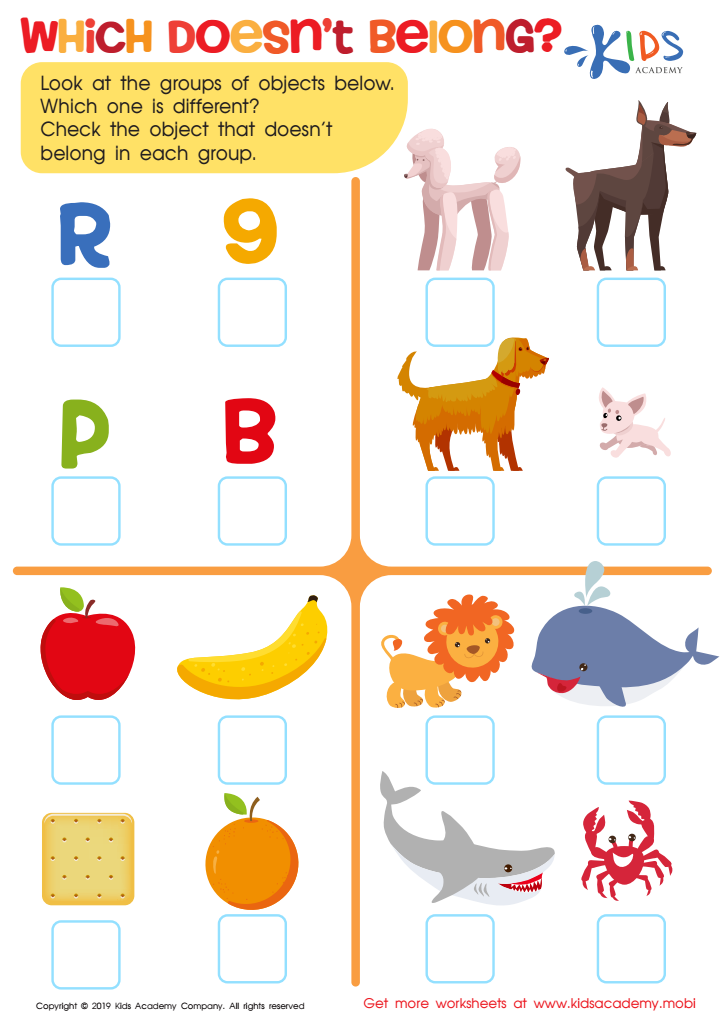
Which Doesn't Belong? Worksheet
This engaging worksheet helps preschoolers recognize similar and different attributes of common words, using brightly-colored pictures. They analyze the items in each category and check off what is different. For extra practice, have them explain their reasoning verbally! Sorting and classifying are important skills to learn.
Which Doesn't Belong? Worksheet
Worksheet
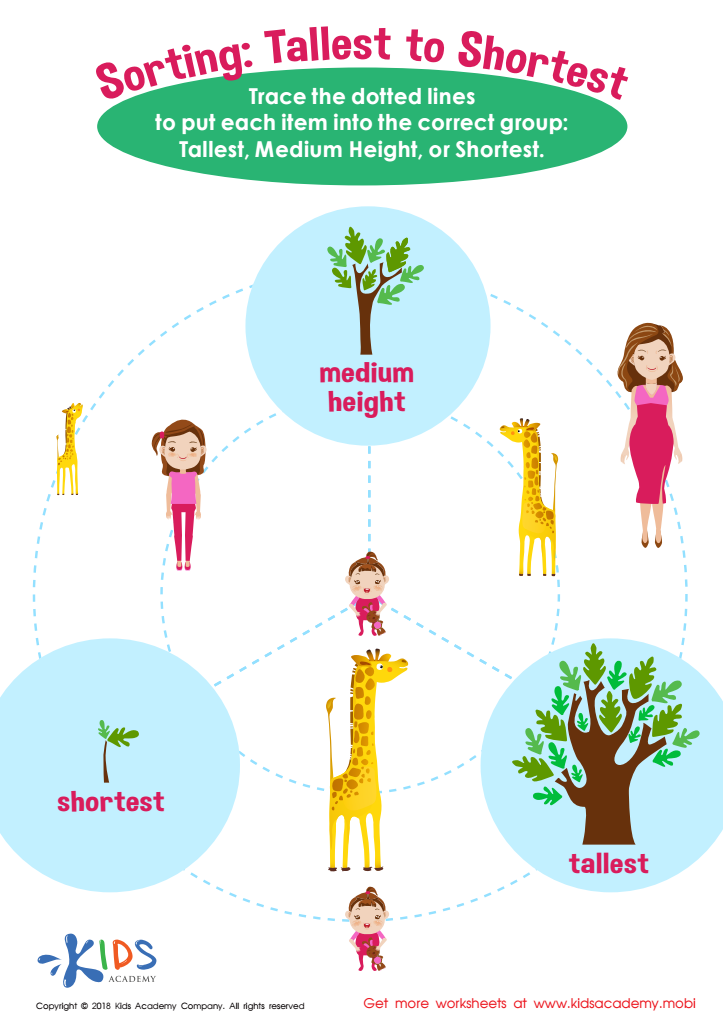
Sorting: Tallest to Shortest Worksheet
This worksheet is great for preschoolers to practice foundational measurement skills. Traceable lines help them sort pictures into Tallest, Shortest and Medium categories, giving them concrete examples to compare. Fine motor skills and understanding of relationships between sizes are also developed - perfect for preparing them for larger measurement concepts.
Sorting: Tallest to Shortest Worksheet
Worksheet
Join Kids Academy for Free
Who is primarily going to use this learning content?






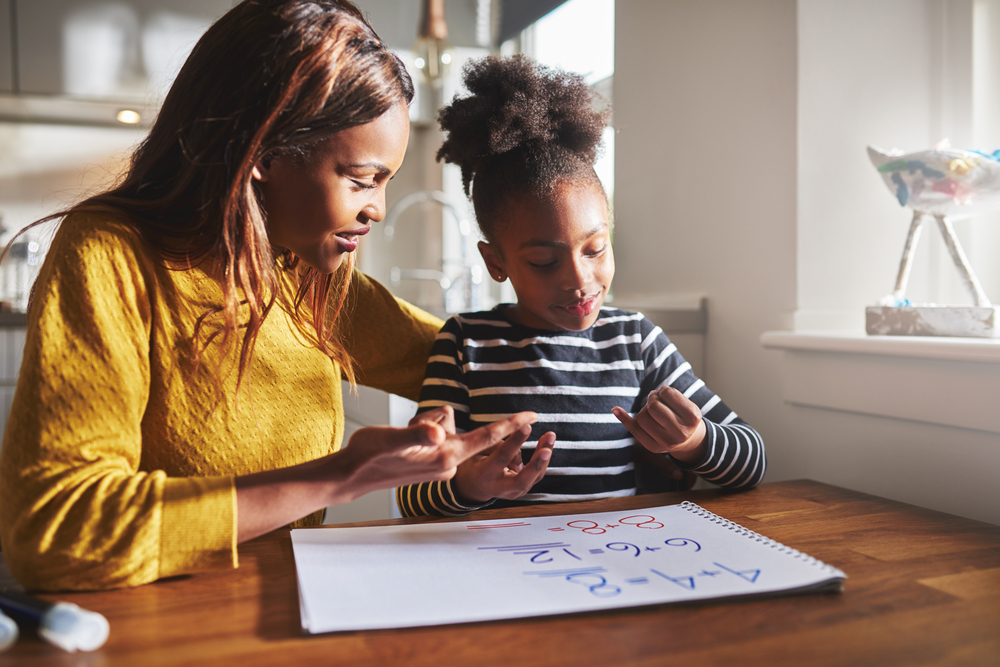

Parents and teachers should care about developing comparison skills in children ages 3-6 because these skills are fundamental in fostering cognitive and social development. Comparison skills help young children understand the world by identifying similarities and differences between objects, people, and concepts. This process is critical for building early mathematics and literacy capabilities since it aids in classifying objects, understanding sequences, and recognizing patterns, which are foundational elements in subjects like math and reading.
Furthermore, when children compare and contrast, they enhance their observational skills, attention to detail, and critical thinking, setting a strong foundation for complex problem-solving later on. For instance, understanding the concept of “bigger vs. smaller" or "more vs. less" lays the groundwork for grasping number value and arithmetic operations in future schooling.
Socially, comparing and contrasting aids children in understanding perspectives and developing empathy. Recognizing differences and similarities between themselves and others can help them appreciate diversity and foster inclusive interactions. It also encourages effective communication as they learn to express their understanding and thoughts clearly.
Supporting comparison skills through playful activities and guided learning strengthens a child's ability to make informed decisions and engages them in active learning, thereby supporting their overall academic and personal growth. Therefore, parents and teachers should prioritize nurturing these critical skills during early childhood.








