Critical thinking skills Normal Worksheets for Ages 3-6
6 filtered results
-
From - To
Discover engaging and challenging critical thinking skills worksheets designed specifically for children aged 3-6. Our age-appropriate resources provide fun and interactive activities to help young learners develop important cognitive abilities. Through puzzles, matching games, and problem-solving exercises, kids will enhance their analytical thinking, reasoning, and creativity. Each worksheet is crafted to make learning enjoyable while fostering essential skills that lay the foundation for future academic success. Give your child the tools they need to think independently and confidently with our expertly designed critical thinking worksheets. Perfect for at-home learning or classroom use.
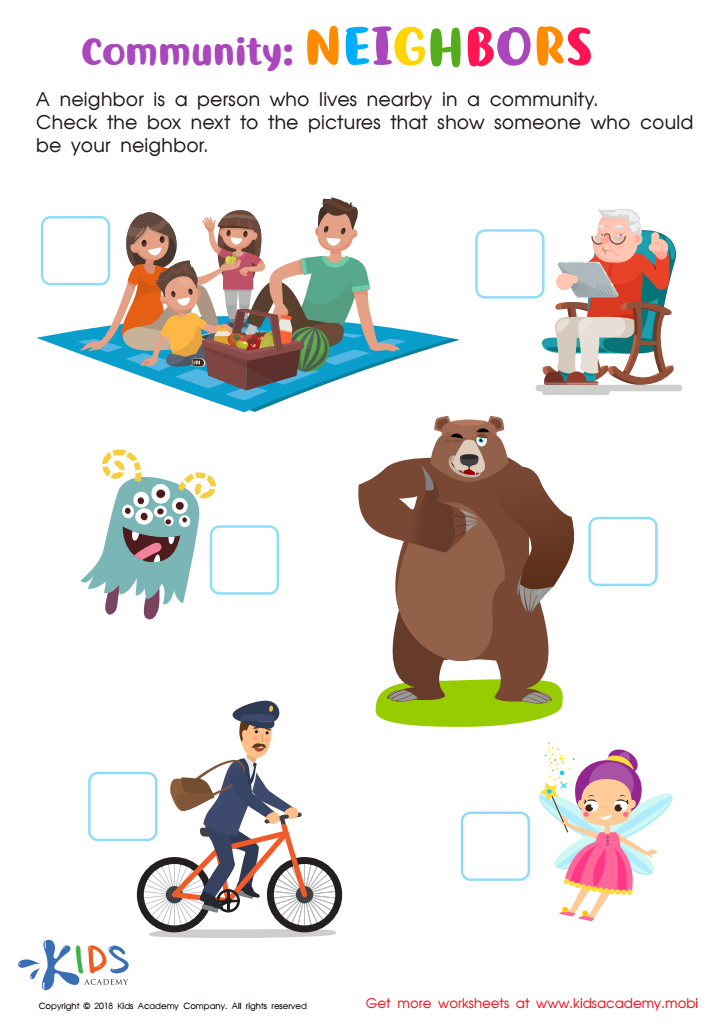
Community: Neighbors Worksheet
 Assign to My Students
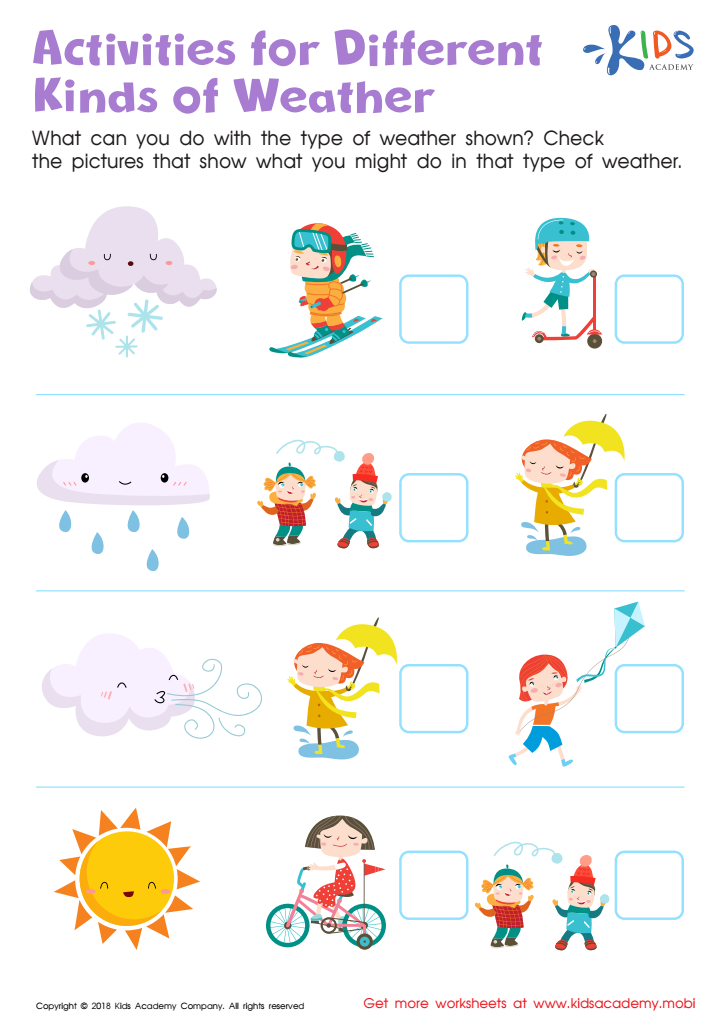
Activities for Different Kinds of Weather Worksheet
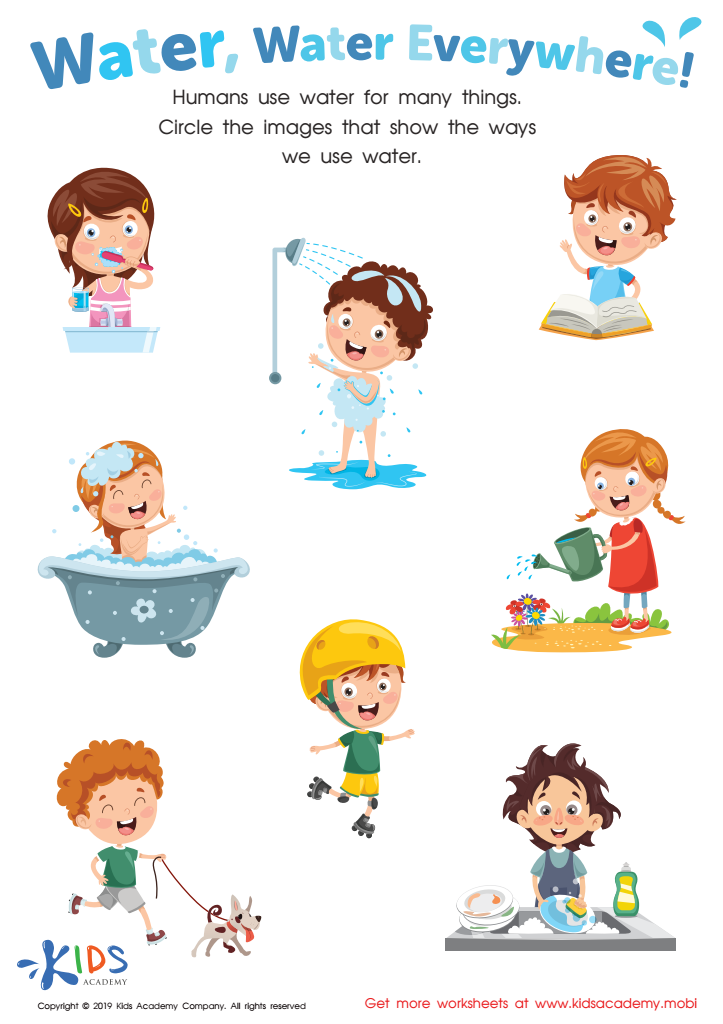
Water, Water Everywhere! Worksheet
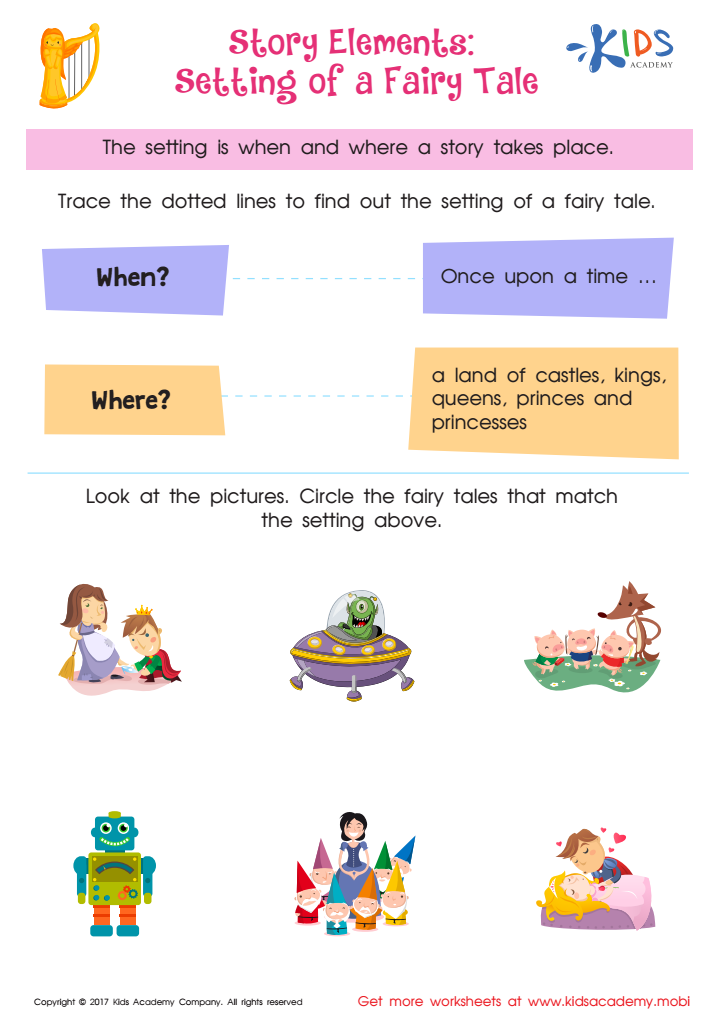
Story Elements: Setting of a Fairy Tale Printable
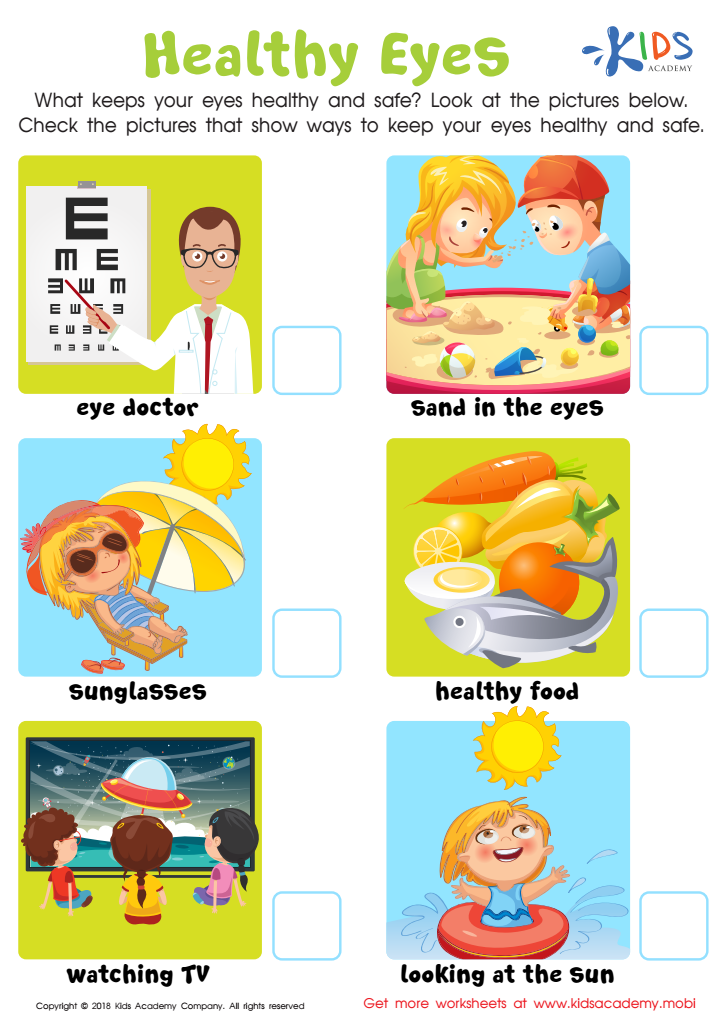
Healthy Eyes Worksheet
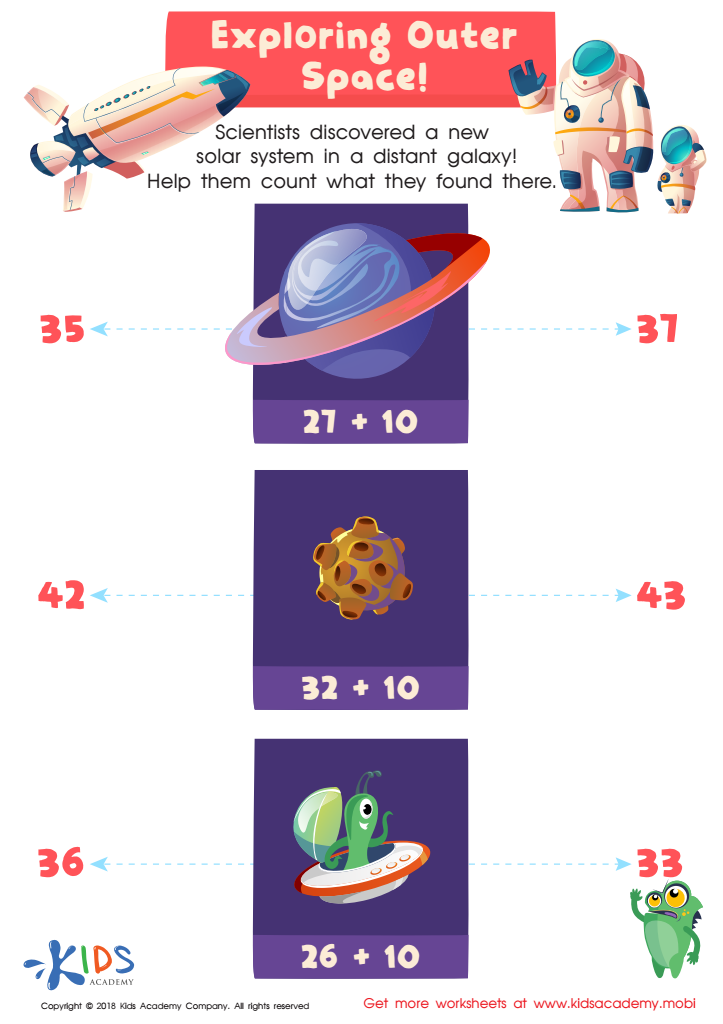
Exploring Outer Space Worksheet







.jpg)
Critical thinking skills are essential for children, even as young as ages 3-6, because these formative years are when the brain rapidly develops. Encouraging critical thinking at this age helps children learn to analyze, evaluate, and synthesize information rather than just passively receiving it. This proactive approach in early education lays a strong foundation for problem-solving and decision-making skills that will benefit them throughout their lives.
For parents and teachers, fostering critical thinking means creating an environment where questions are encouraged and exploration is guided. For instance, instead of simply telling a child that the sky is blue, a caregiver might ask why the child thinks the sky is blue, fostering curiosity and deeper understanding. Activities like puzzles, open-ended questions, and creative play can stimulate a child's cognitive abilities in ways that rote memorization cannot.
Moreover, developing these skills early on helps children in social situations—they learn to understand different perspectives, make connections, and express their thoughts clearly. This cultivates emotional intelligence and empathy, critical aspects of successful interpersonal relationships.
In summary, investing in critical thinking skills at an early age sets the stage for better academic performance, improved social interactions, and an enriched ability to navigate complex life challenges later on. Therefore, both parents and teachers should prioritize critical thinking during these vital developmental years.








