Develops fine motor skills Normal Worksheets for Ages 3-6
3 filtered results
-
From - To
Discover our collection of Normal Worksheets designed to develop fine motor skills for children ages 3-6. These engaging, educational printables feature activities that help little learners strengthen their hand muscles and improve coordination through tracing, cutting, coloring, and puzzle-solving. Perfect for preschool and kindergarten, our worksheets support crucial early learning skills, making practice fun and effective. Tailored to fit developmental milestones, each worksheet ensures age-appropriate challenges to keep young minds stimulated. Enhance your child's fine motor abilities while fostering creativity and confidence with our expertly crafted resources. Explore now for a foundation of success!
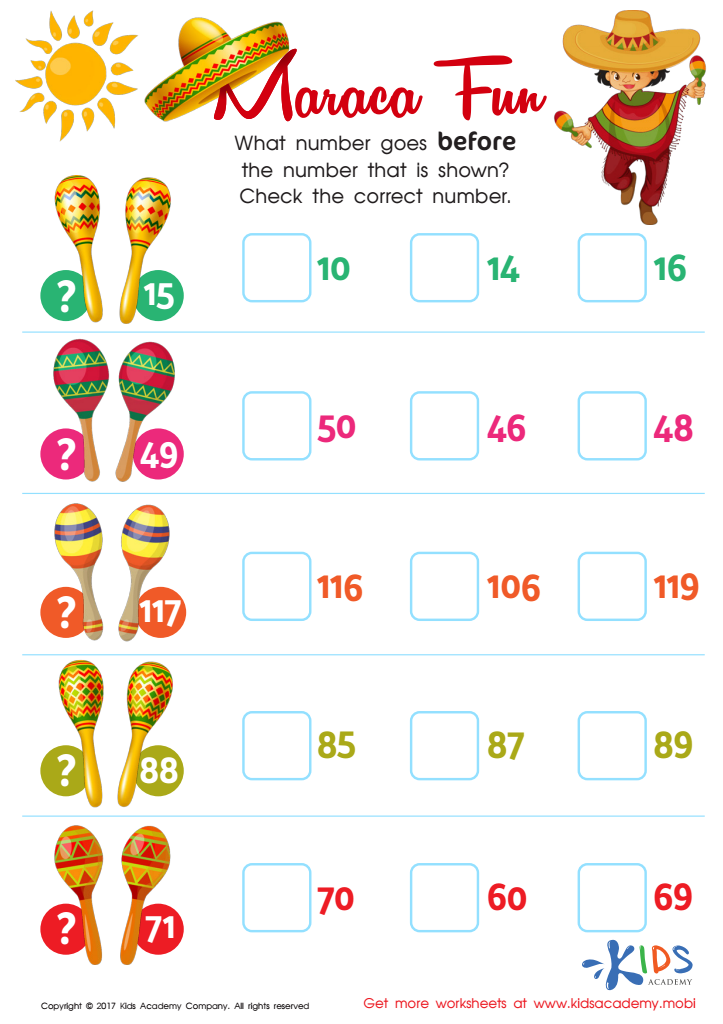
Counting: Maraca Fun Worksheet
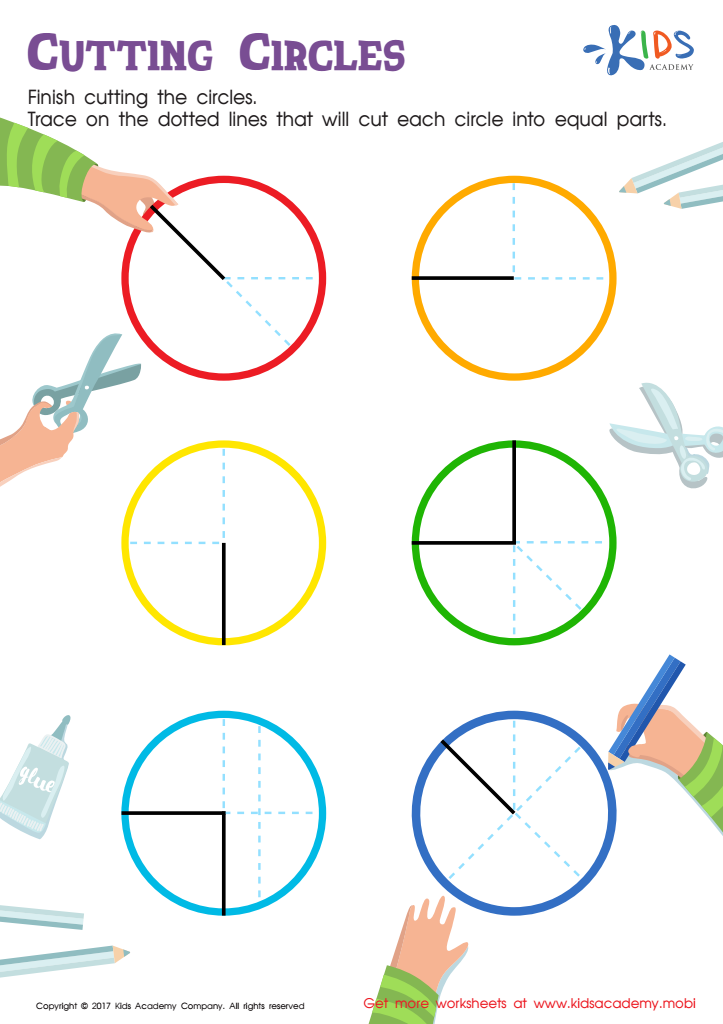
Cutting Circles Worksheet
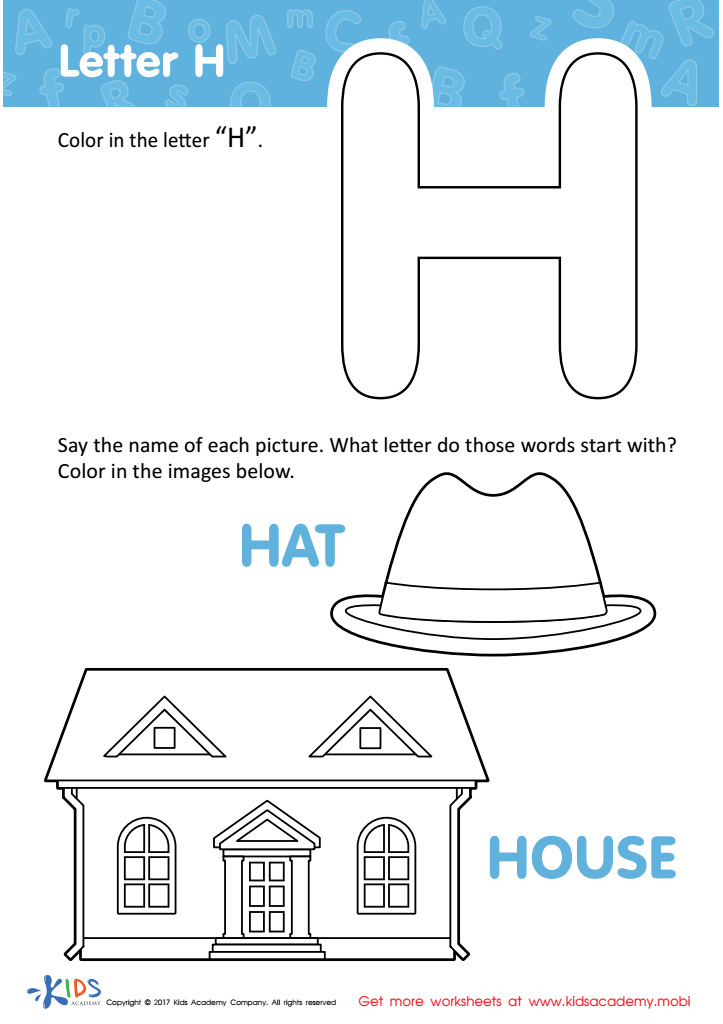
Letter H Coloring Sheet
 Assign to My Students







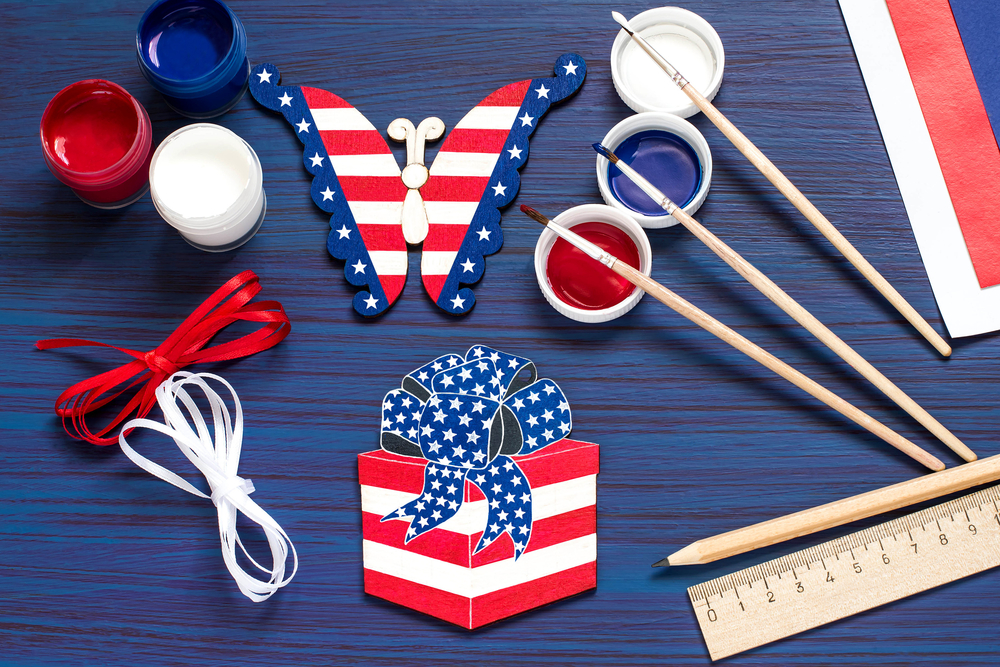
At ages 3-6, children are in a critical phase of developing fine motor skills, which involve the coordination of small muscles in movements—typically in the hands and fingers, and often in conjunction with the eyes. Fine motor skills are crucial for performing everyday tasks efficiently and independently. For instance, activities like holding a pencil, using scissors, buttoning a shirt, and tying shoelaces all require well-developed fine motor skills. These tasks form the basis for more complex skills, such as handwriting and the use of various tools, which are essential for academic success and self-confidence.
If fine motor skills are not adequately developed by this age, children may struggle with tasks that their peers accomplish easily, affecting their self-esteem and willingness to engage in classroom activities. Beyond academic implications, inadequate fine motor skills can lead to frustration and might impact a child's ability to perform day-to-day self-care activities, affecting their overall sense of independence and competency.
Therefore, parents and teachers should pay close attention to the development of fine motor skills as it affects a child's readiness for school tasks and activities, paving the way for a smoother transition into primary education and a more confident approach to both educational and everyday challenges. Providing children with opportunities to practice these skills through play, crafts, and simple household tasks is essential for their well-rounded development.








