Enhancing categorization skills Normal Worksheets for Ages 3-6
3 filtered results
-
From - To
Enhance your child's cognitive development with our expertly designed categorization worksheets for ages 3-6. These fun and engaging activities help young learners identify, group, and sort objects based on various attributes, fostering critical thinking and problem-solving skills. Each worksheet offers colorful illustrations and simple instructions, making learning both enjoyable and effective. Perfect for preschool and kindergarten students, these categorization exercises are a great way to build a solid foundation for future academic success. Unlock your child's potential and watch them thrive with our carefully crafted worksheets that blend education with play. Great for parents and educators alike!
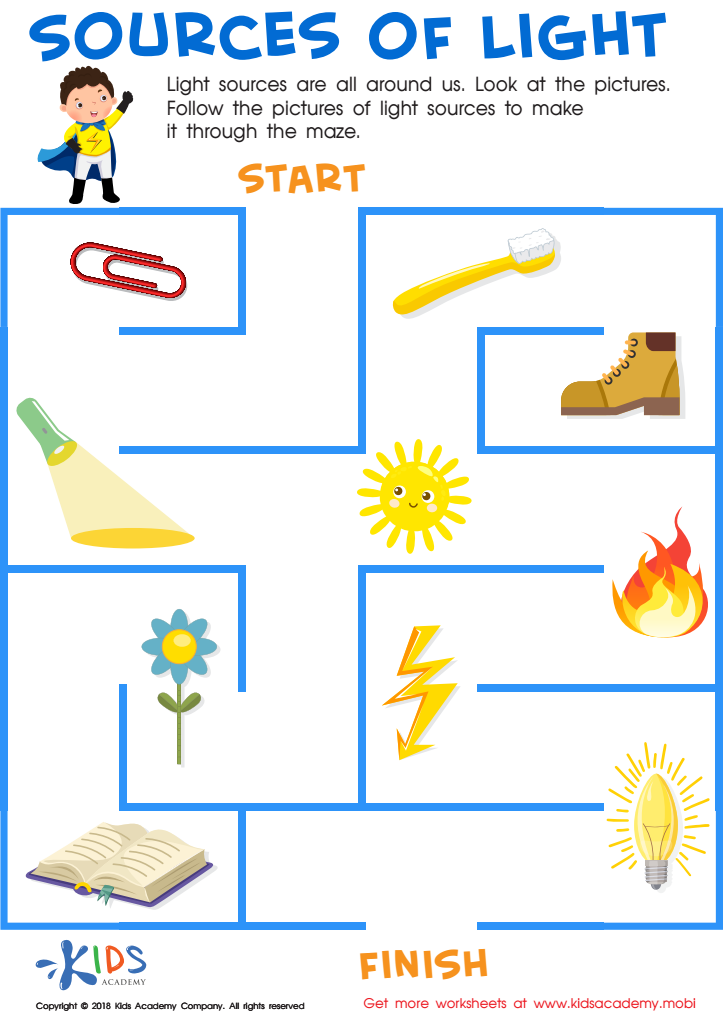
Sources of Light Worksheet
 Assign to My Students
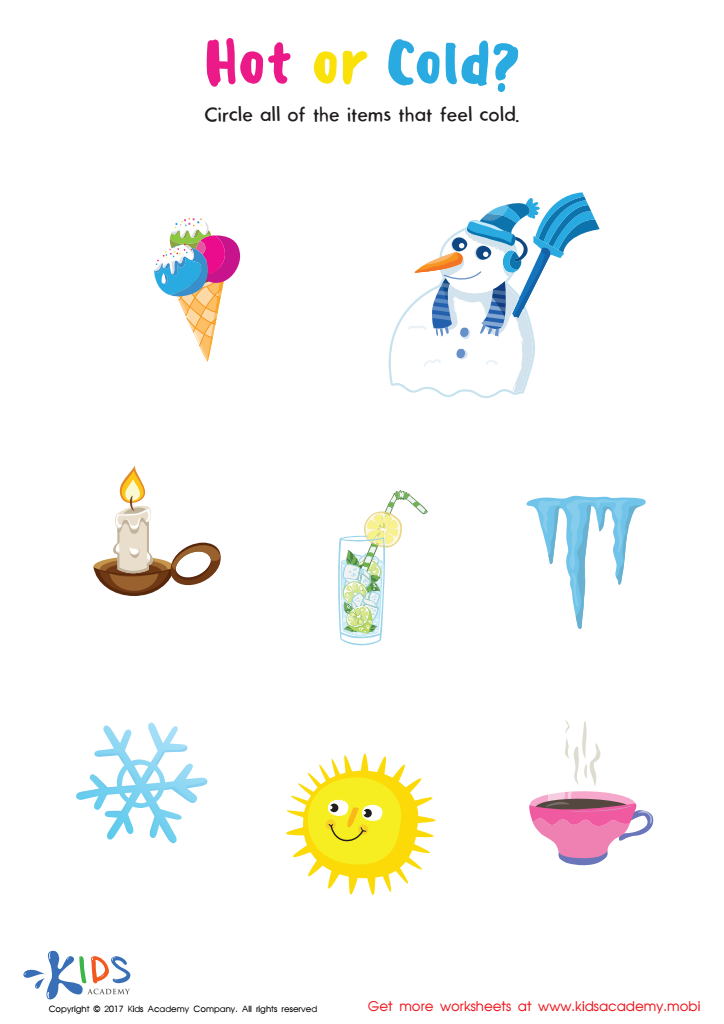
Hot or Cold Printable
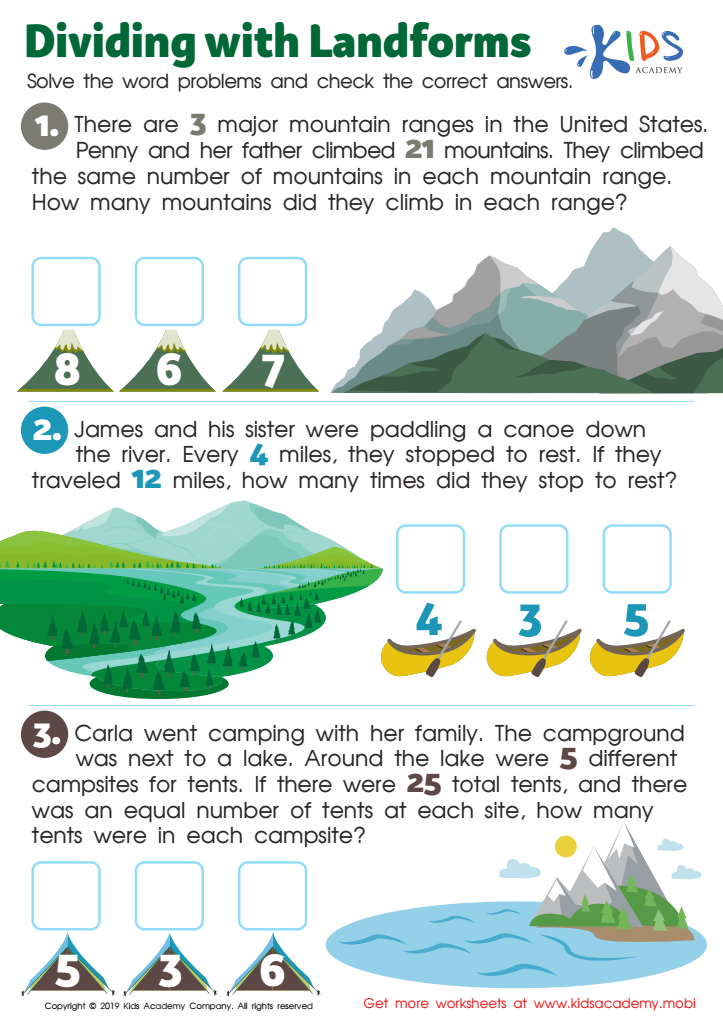
Dividing with Landforms





.jpg)
Enhancing categorization skills in children aged 3-6 is crucial for their cognitive and academic development. Categorization—the ability to group objects, ideas, or information based on similar characteristics—forms the foundation for more complex thinking and learning processes. When parents and teachers prioritize these skills, they are helping children make sense of the world around them.
From a cognitive perspective, categorization teaches children how to recognize patterns, make predictions, and develop problem-solving strategies. These skills directly contribute to their ability to comprehend and organize new information. Academically, early categorization skills are strongly linked to vocabulary development, reading comprehension, and even mathematical reasoning. For example, when children group words by category (like animals, fruits, or vehicles), they are expanding their vocabulary and understanding word relationships.
Moreover, categorization aids social-emotional development by enhancing memory and helping children follow multi-step instructions. A child who can categorize remembers sequences and experiences more accurately, improving their ability to share, cooperate, and interact positively with peers.
Therefore, by integrating categorization activities into daily routines—such as sorting toys, organizing household items, or classifying images—parents and teachers create engaging, educational experiences that offer long-term benefits, ensuring a strong cognitive and emotional foundation for later learning stages.








