Enhancing observational skills Normal Worksheets for Ages 3-6
3 filtered results
-
From - To
Discover our "Enhancing Observational Skills Worksheets" designed specifically for children aged 3-6. These engaging normal worksheets encourage young learners to refine their ability to observe and interpret their surroundings. Featuring colorful illustrations and interactive activities, children will enhance their focus, attention to detail, and critical thinking skills. From matching games to sorting exercises, each worksheet promotes playful exploration while fostering cognitive development. Perfect for both classroom and home use, our resources provide a foundations for successful learning. Nurture your child’s curiosity and observational abilities with our carefully crafted worksheets today! Explore the world around them in a fun and educational way!
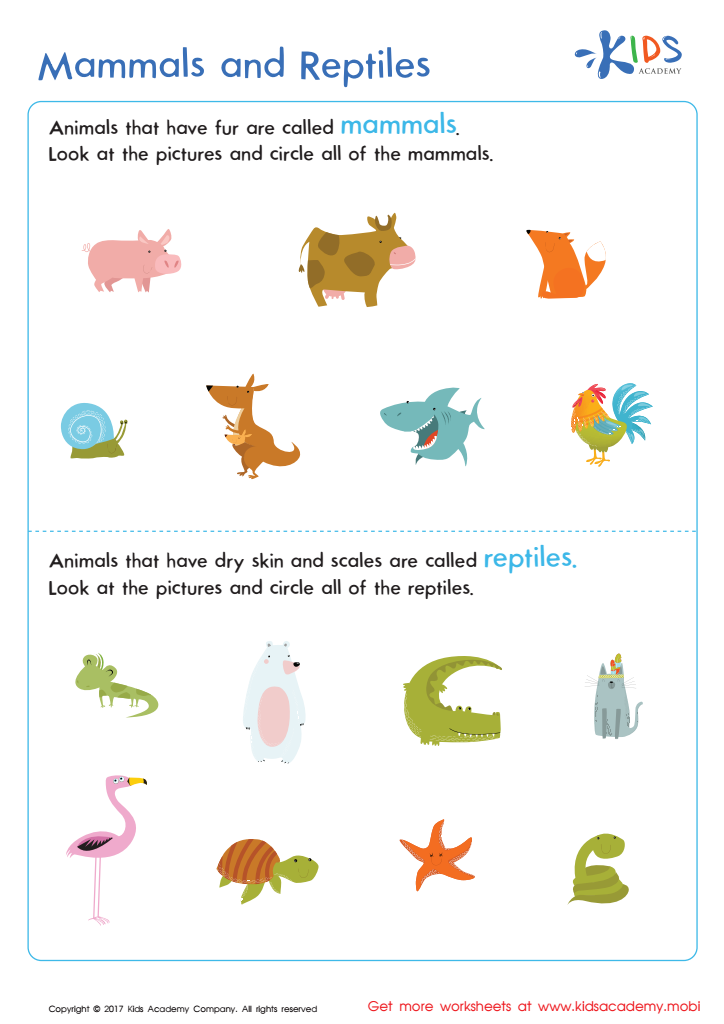
Mammals and Reptiles Worksheet
 Assign to My Students
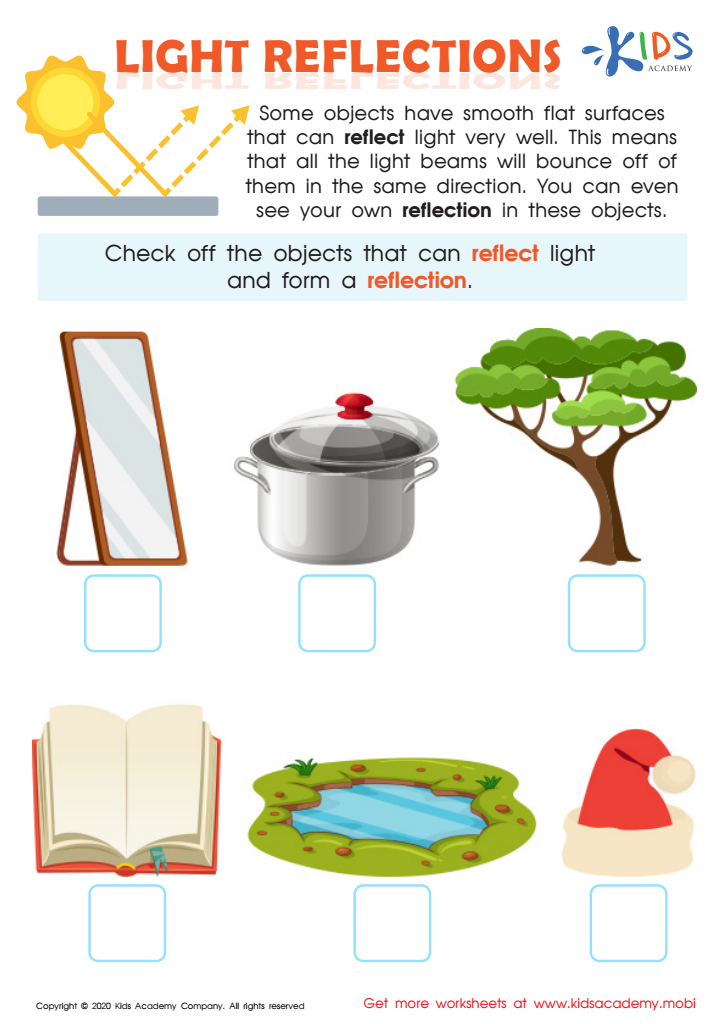
Light Reflections Worksheet
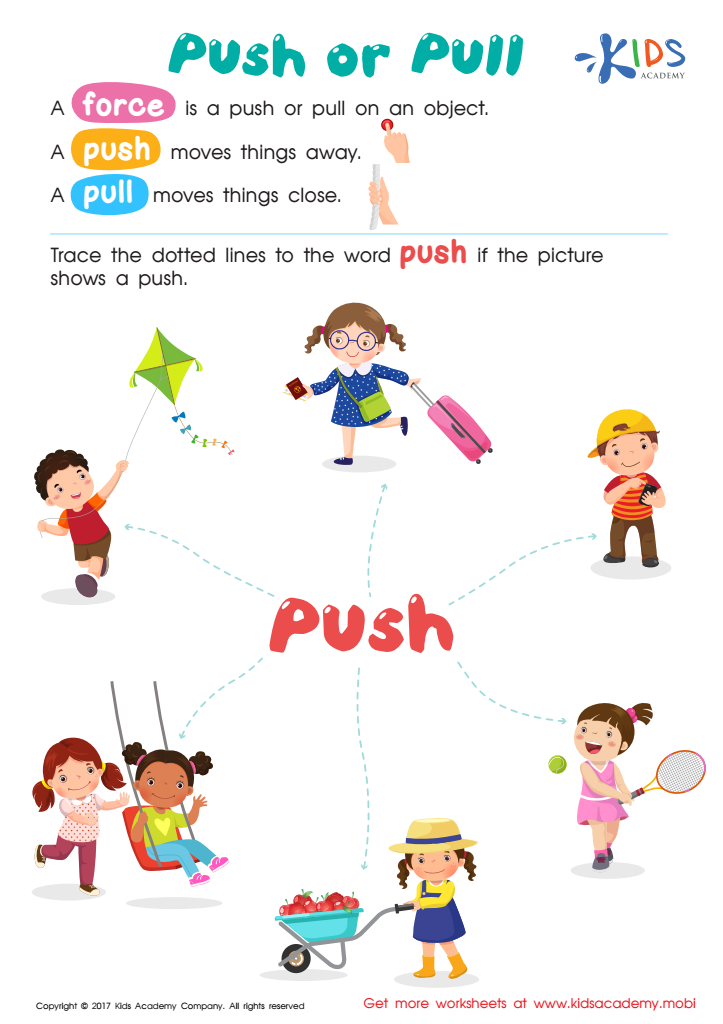
Push or Pull Worksheet






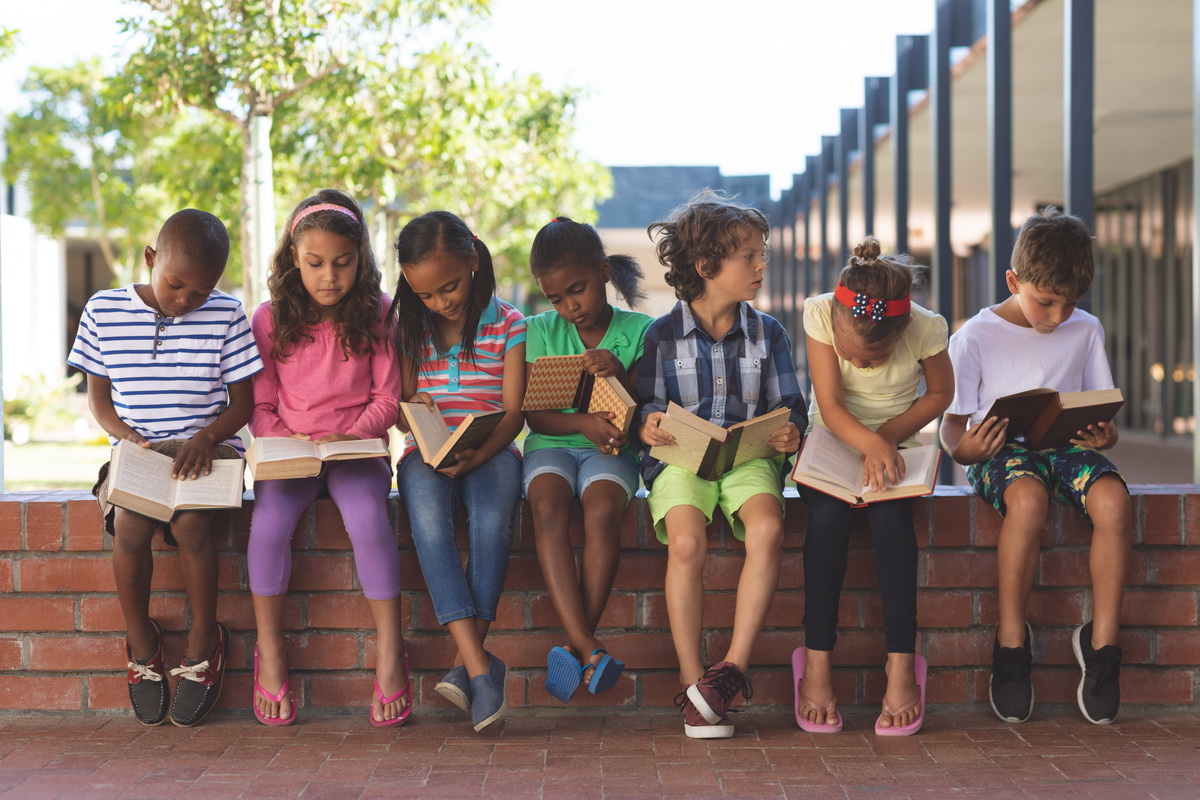
Enhancing observational skills in children aged 3-6 is crucial for their overall development. At this stage, children's brains are rapidly developing, and fostering keen observation enhances their ability to engage with the world around them. These skills lay the foundation for critical thinking, problem-solving, and social interactions, important aspects of their future learning experiences.
Parents and teachers should care because strong observational skills help children notice details in their environment, which promotes curiosity and exploration. When children learn to observe carefully, they tend to ask questions, leading to deeper understanding and knowledge. This skill also aids in literacy development as children learn to recognize letters, numbers, and patterns.
Moreover, keen observational skills foster emotional intelligence. Children who observe social cues and body language develop empathy and better communication skills. This results in improved relationships with peers and adults, contributing to a positive learning atmosphere.
By encouraging and nurturing these skills, parents and teachers empower children to become independent learners and thinkers, equipped with the confidence to face challenges creatively. Prioritizing observational skills in early education not only enriches a child's current experiences but also prepares them for lifelong learning.








